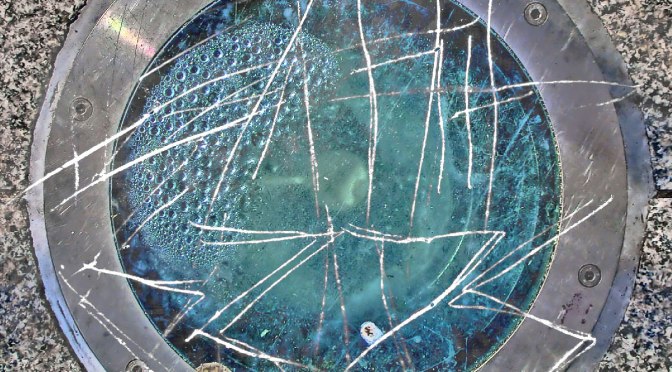
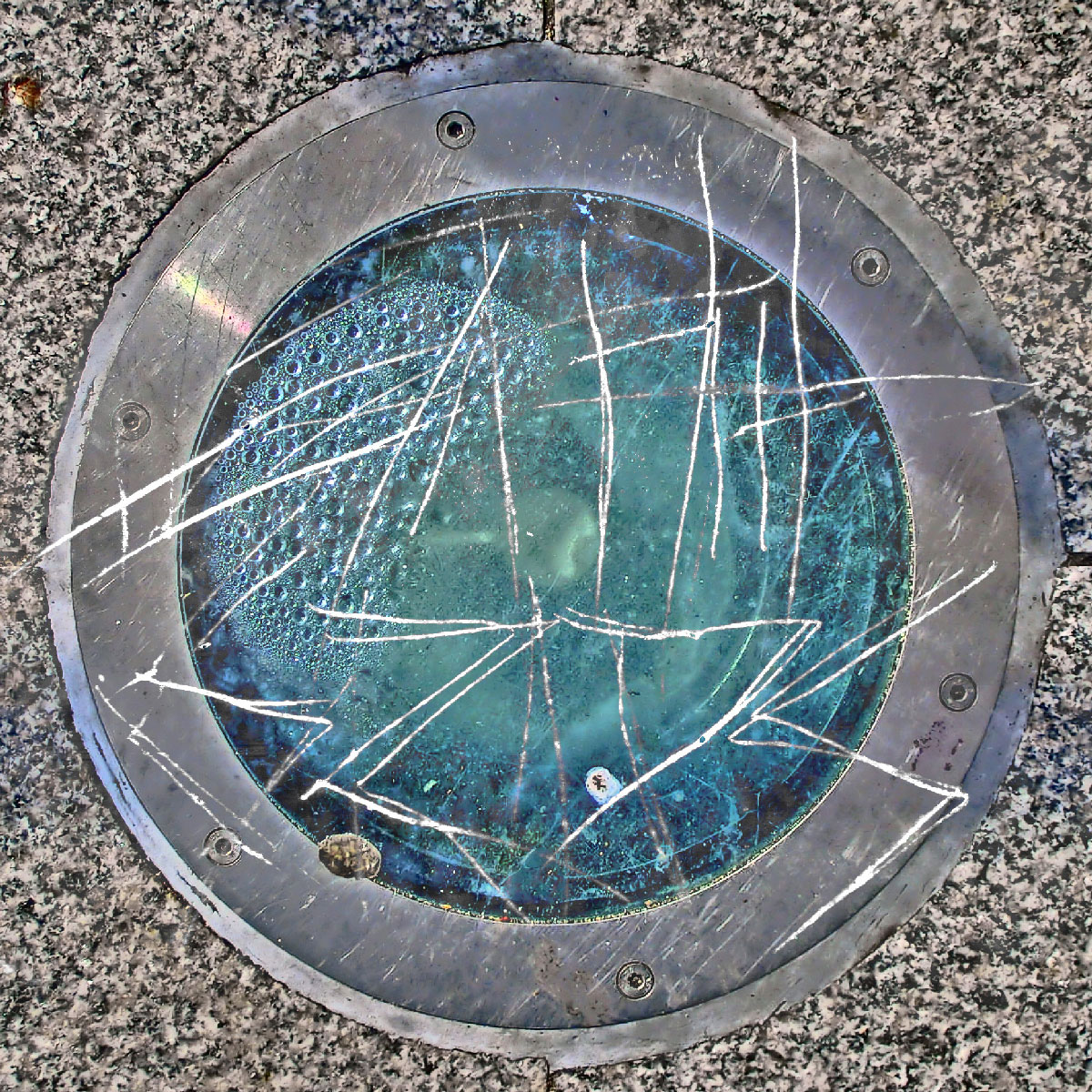
The road to The Powers That B has been nothing short of a wild ride. Whether it’d be dropping part 1 of this double album, niggas on the moonand announcing the 2nd part Jenny Death back in June 2014 by surprise, their “breakup” in July (which may not be the case since they’re going on tour and posted this on their Facebook), releasing ‘Inanimate Sensation‘ which led to the discovery of a supposedly fake Twitter accountthat just so happened to be real, releasing Fashion Week(an instrumental soundtrack that isn’t the album fans have been thirsting for since it’s announcement) in January this year, a rehearsal video, and finally announcing therelease date along with a tour announcement to a random girl on Twitter who saw another girl’s skirt with MC Ride’s face on it.
Earl Sweatshirt’s been through a lot. Whether it’s his much-publicized disappearance to some sort of juvenile centre in Samoa, his constant label disputes, his familial struggles, and even a recent breakup, there always seems like there’s a lot to talk about. However, often times Earl’s life outside of music tends to cast a shadow on the content itself—something Earl revealed to be a cause for concern in a recent interview with NPR’s Microphone Check. Earl’s intended promotion for his sophomore album I Don’t Like Shit, I Don’t Go Outside was to put out a video for a single first, with the title of the record at the end of the clip leaving fans to generate buzz from the cryptic nature of the rollout; instead, the label randomly blindsided Earl with releasing the album title, cover art, track-listing, and features on iTunes prior to the video even being released. “It’s now back to a hype-machine, where ‘Earl Sweatshirt is mad at the label’”, he said. “It was what I was trying to avoid”, he continued, adding that he wished his album promotion involved people “just talking about the content”.
Action Bronson could’ve been a lot of things. He’s got extraordinary talent as a culinary artist, (just peep his incredible internet cooking show, Fuck, That’s Delicious) he’s got the persona of a professional wrestler, and the build of a celebrity bodyguard or mafia boss—but thankfully after a broken leg that sidelined him from the kitchen, Bronsolino decided on rapping and hasn’t looked back since. Bronson has been established his stardom within the mixtape world by linking up with incredible producers (Alchemist, Party Supplies and Harry Fraud to name a few) and crafting incredibly polished, cohesive, wholesome projects that are proficient at balancing cutthroat bars and an incredibly diverse and interesting character. In fact, the most gravitating aspect of Action Bronson is his character above all else—his raps and music videos often portray him being an outrageously humorous and kick-ass movie lead, yet every so often he has lines or songs in general that peek into his personal life to bring him back down to Earth. Bronson’s character is as intriguing and outrageous as someone like Riff Raff, but has the personable and relatable qualities to steer clear from fiction, making it very clear that Action Bronson is unapologetically and entirely himself. Bronson brings his bizarre, quirky bravado and much more to his anticipated debut studio album, Mr. Wonderful.
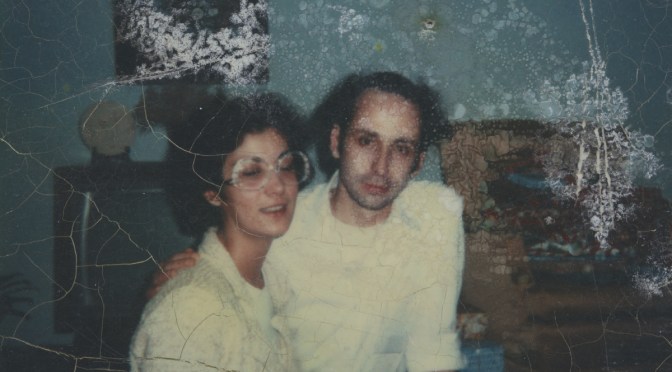
For over a decade, Sufjan Stevens has given the world some of the most beautiful pieces of music of the modern era. In terms of consistency, he is easily ranked up there with the likes of other modern artists like Kanye West, Death Grips, Animal Collective, LCD Soundsystem, Radiohead, or Arcade Fire. However, it’s been almost five years since his last LP, The Age of Adz. While he’s released Christmas album, worked with the likes of The Roots and The National, and even released a hip-hop album as a member of the group Sisyphus, people have been craving a new studio album for years. With this new release, Sufjan goes back to his folk roots for a touching tribute to his late mother, Carrie (who the album is named after along with Stevens’ stepfather Lowell, who started Asthmatic Kitty Record with Stevens).
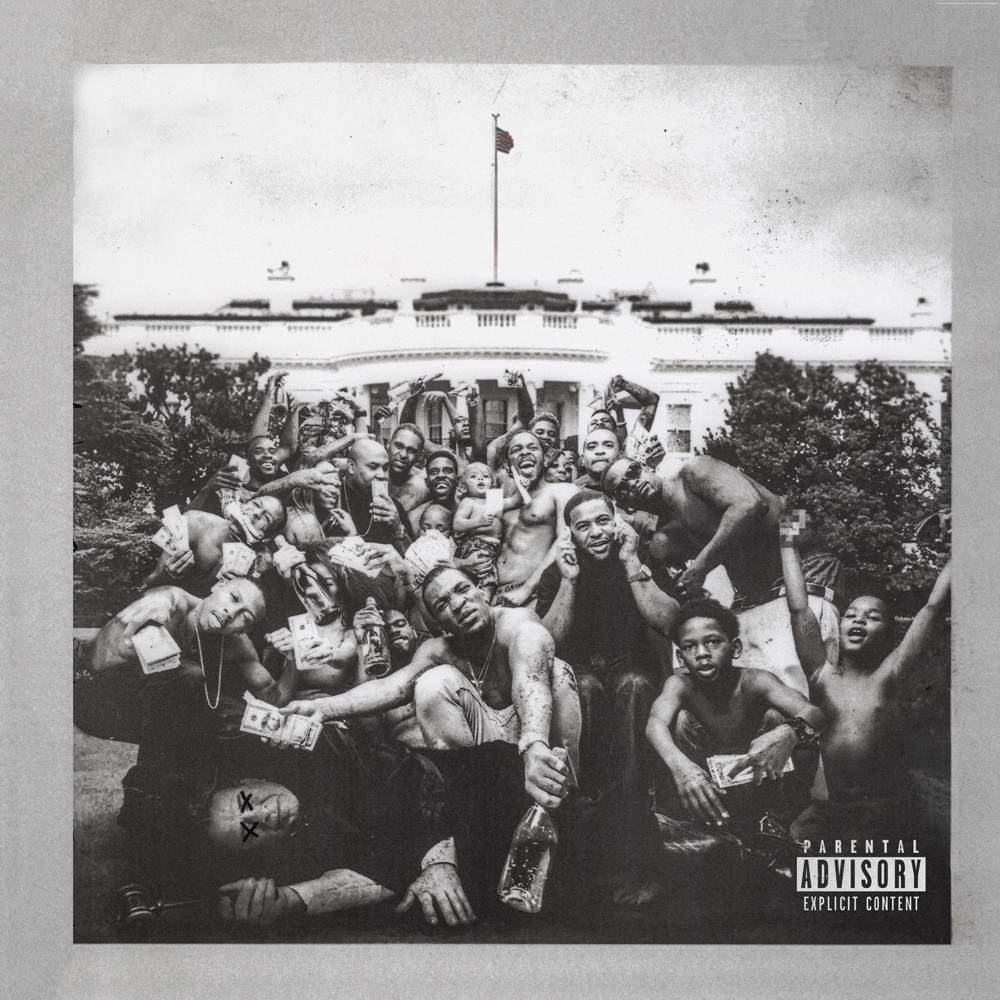
It’s been a while since we’ve heard from Kendrick Lamar. Since his highly acclaimed 2012 debut, good kid, m.A.A.d city, Kendrick has continued to be burned into hip-hop’s collective memory. Whether it’s the replay value of his debated ‘classic’ debut record, his infamous, historic ‘Control’ verse, or other features alike, Kendrick’s presence has continued to be felt as one of the most important voices in hip-hop’s new, digital age. Kendrick Lamar’s trajectory seemed to be headed down a more commercial, sellable version of the conscious hip-hop we are accustomed to, as his previous projects continued to get progressively more and more accessible in terms of sound. Whether it was his hit single ‘Swimming Pools’ cleverly highlighting the perils of alcoholism masked under a familiar trap-bounce and catchy-hook, or bangers like ‘Money Trees’ and ‘m.A.A.d city’ being able to teeter on the lines of conscious storytelling while still being festival and club favorites, it seemed as though Kendrick Lamar had mastered the ability to convey his message in the purest form possible while still appealing to the majority. His lead single for his sophomore album, ‘i’, was no different. It was a polarizing record that ditched the hard-bars, name-dropping and 808s for a funkier groove, courtesy of an Isley Brothers sample and Kendrick’s pitched up, OutKast-esque flow. As positive and pivotal as the message was, much of the hip-hop culture was left torn when trying to support a more positive, uplifting message, but with a less hip-hop, lyrical sound. Many thought the Grammy-award winning ‘i’ was a sign of things to come, and possibly a full-fledged leap into an even more radio friendly Kendrick Lamar, but with To Pimp A Butterfly, Kendrick has ditched the drum-machines for live instrumentation and an exploration in a potent and pure incarnation of modern jazz-funk.
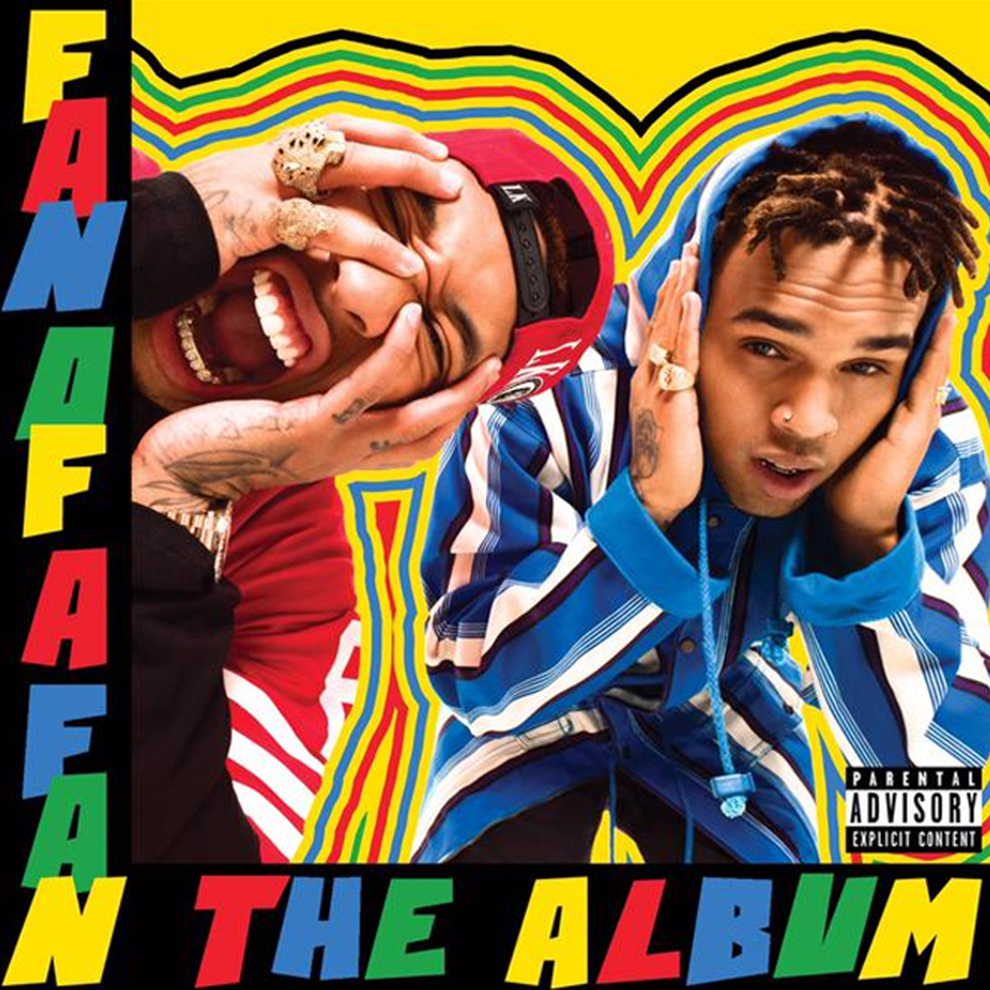
The year 2010 was a big year for hip-hop. Nicki Minaj cemented her place with Pink Friday, Wiz Khalifa dropped the stoner bible with Kush and OJ and Kanye West graced us with one of the greatest albums of all time, My Beautiful Dark Twisted Fantasy. There was also a collaborative effort by two heavy-hitters that was being played in clubs and bedrooms everywhere. I’m talking, of course, about Chris Brown and Tyga’s mixtape, Fan of a Fan. The mixtape, naturally, was a hit and even landed at #2 on Datpiff.com’s list of “Top Mixtapes of 2010”. It had what you would expect from Chris Brown and Tyga as a tag team duo; songs suited for the bedroom and the rest, meant to be played through the type of speakers you would find in a club. Nothing out of the ordinary, but what set it apart from similar projects was its stellar production, undeniably catchy choruses and punchlines that would make Lil Wayne proud.
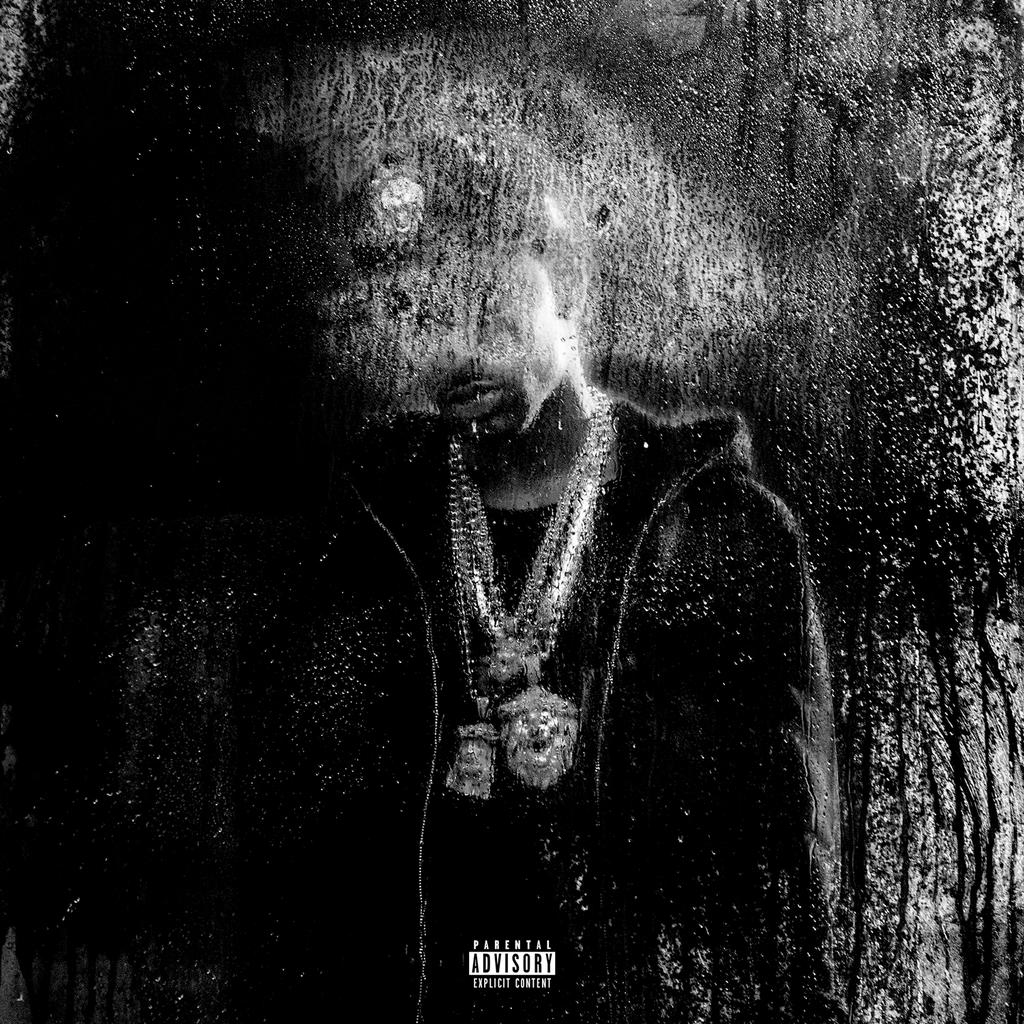
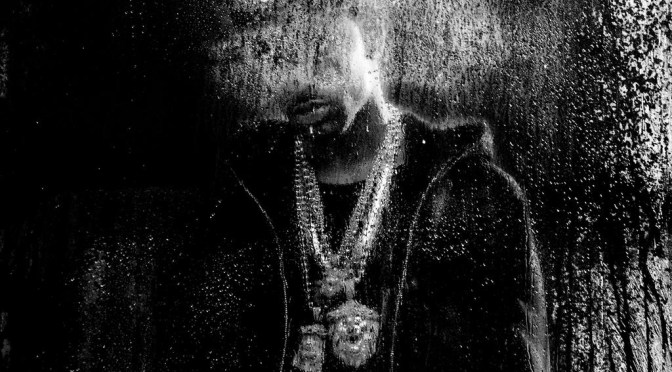
It’s fair to say Big Sean has been feeling some type of way lately. Glancing over the past couple years, one could pick out that his last album, Hall of Fame, was ironically average and commercially poor, and on top of it all, he endured a very public and bitter split with his ex-fiancee and Glee star, Naya Rivera. Lately though, not only has Sean rebounded with another tabloid-attracting lover in songstress Ariana Grande, he has signed a new management deal with music-juggernaut Roc Nation, but more importantly, he has been killing every feature or single released from him in the past few months. With this overflow of amazing music, not only is he making up for lost time and turning heads in the process, but he has managed to craft his best studio album to date in his latest effort, Dark Sky Paradise.
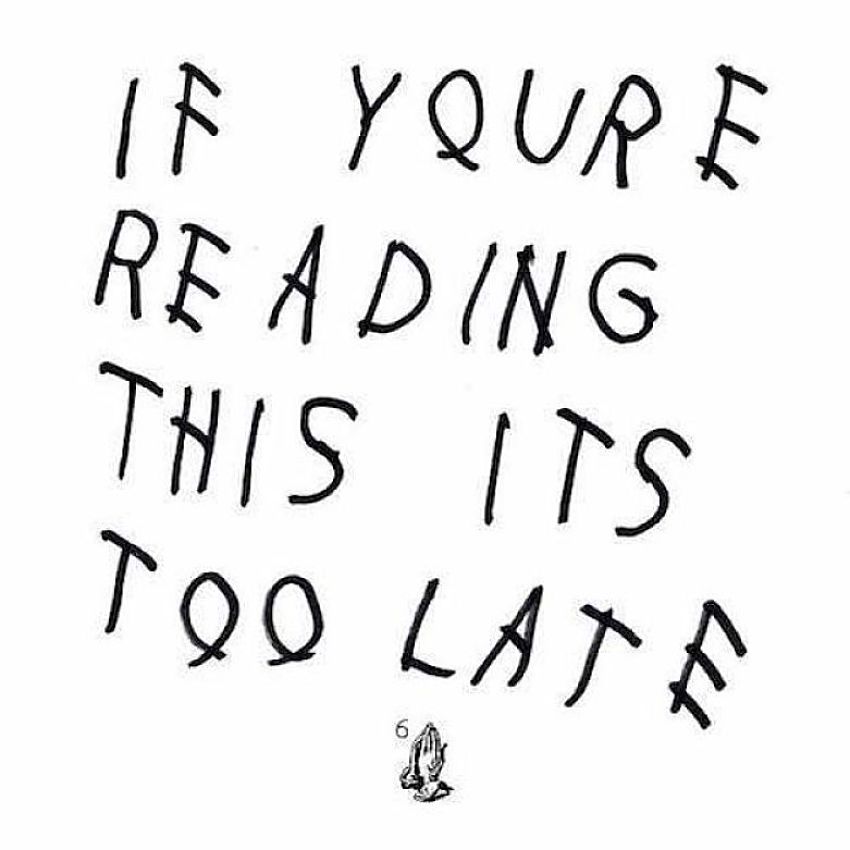
Drake almost broke the internet Thursday when he “pulled a Beyonce” and dropped a surprise album, titled If You’re Reading This It’s Too Late. The first question though, is this even an album? Is it a mixtape? Well, it really isn’t that black and white. When you think of a mixtape, you think of a lower quality project which is less cohesive and most importantly released for free. When you think of an album you think of completely original beats, more strategic album packaging and covers, and usually for sale on iTunes, as well as stores. If You’re Reading This It’s Too Late falls somewhere in the middle. While the beats are original (as opposed to Lil Wayne’s Sorry 4 The Wait projects), the album sounds more like a mixtape than an album. Also too, fans were led to believe that Drake’s “upcoming album” was Views From The 6 (which still is expected to release this year). The album art also appears to be more of a mixtape cover than an album cover. However, even though the project was also released for free streaming on Soundcloud,IYRTITLwas released for sale on iTunes. So which is it? Again, it’s still not clear.
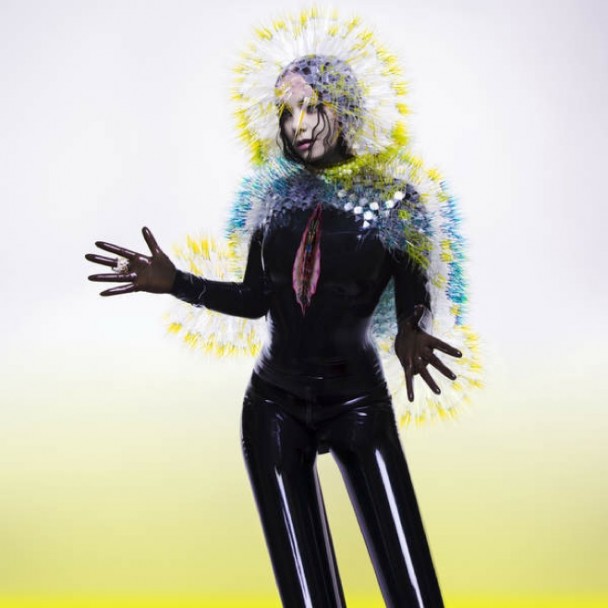
Love is a universal subject. It’s a feeling that nearly everyone in the world has felt at some point. Love is also extremely complex, as its a feeling that also encompasses many others. Regret, happiness, lust, and many others. The feeling this album is going for is heartbreak. Vulnicura is Björk taking her breakup with long-time partner and artist Matthew Barney, and studying and evaluating what went wrong. With this concept at hand, Björk crafts her best album in over a decade.
The album starts off with the impactful ‘Stonemilker’, solely produced and composed by Björk, that tells the listener right away what they are getting themselves into. In the album’s inserts, the subtitle of ‘Stonemilker’ reads “9 months before.” Assumingly, this song was written 9 months before her breakup. Right away though, it is established in the lyrics that something is not right with this relationship Björk is in. There’s something that needs fixing, but her partner does not want to even attempt to figure out what’s wrong.
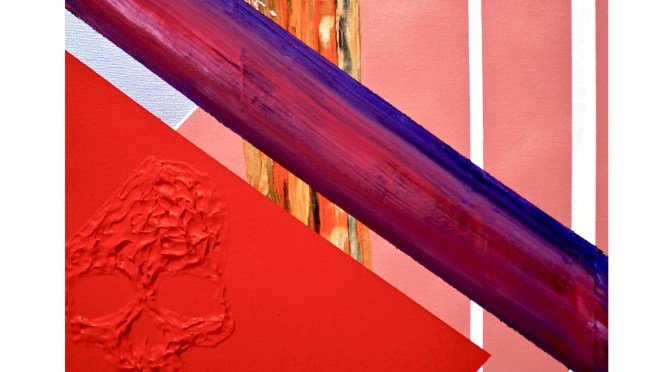
In the sport of hip-hop, some would say you’re really only as good as your last album, your last single, perhaps even your last line. By this measure, Lupe Fiasco hasn’t been good in a while. Sure, his messages have always been noble with intent and his lyricism has always been witty and methodical, but Lupe’s last two full-length LPs have struggled with perfecting the formula of balancing a conscious message and concept while also achieving popular appeal, a motive infamously enforced by Lupe’s major label, Atlantic Records. The concept of the “big men in suits” forcing the hand of an artist to dilute themselves to appeal to a majority is nothing new—rather, it is something many artists struggle with and produces pieces of work like 2011’s LASERS, Lupe’s most commercially sounding and most disappointing album yet. While it tried to be conscious and have purpose, the barrage of heavy pop-synth beats and gigantic, grotesque choruses turned whatever potent truths Lupe envisioned into a ‘lite’, more easily digestible version of himself. His last album, Food & Liquor II: The Great American Rap Album Pt. 1 definitely improved in making his messages less saturated, but fell victim to biting off more than he could chew thematically making whatever cleverness and wit established end up feeling empty and without direction. Through all displeasures and disappointments, most of us ended up applauding Lupe’s efforts rather than his art, putting Lupe in a position that seemed bound to sink into the depths of insignificance. Although he was always trying when it came to his music, it seemed year after year he was just that preachy-rapper of years past who was clinging to relevancy via bold anti-government claims and Twitter beefs. It seemed safe to say Lupe’s best years musically, were surely behind him.







 The Early Registration