Category Archives: Features

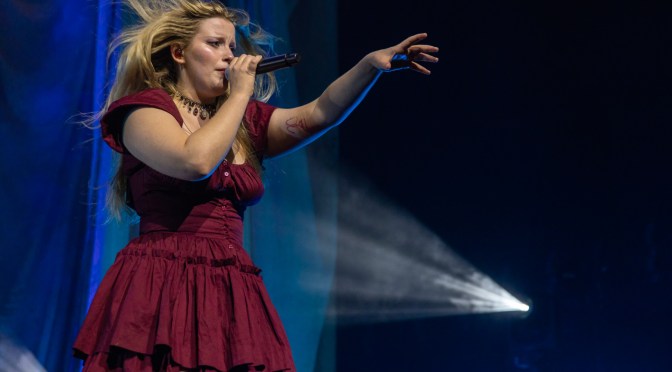
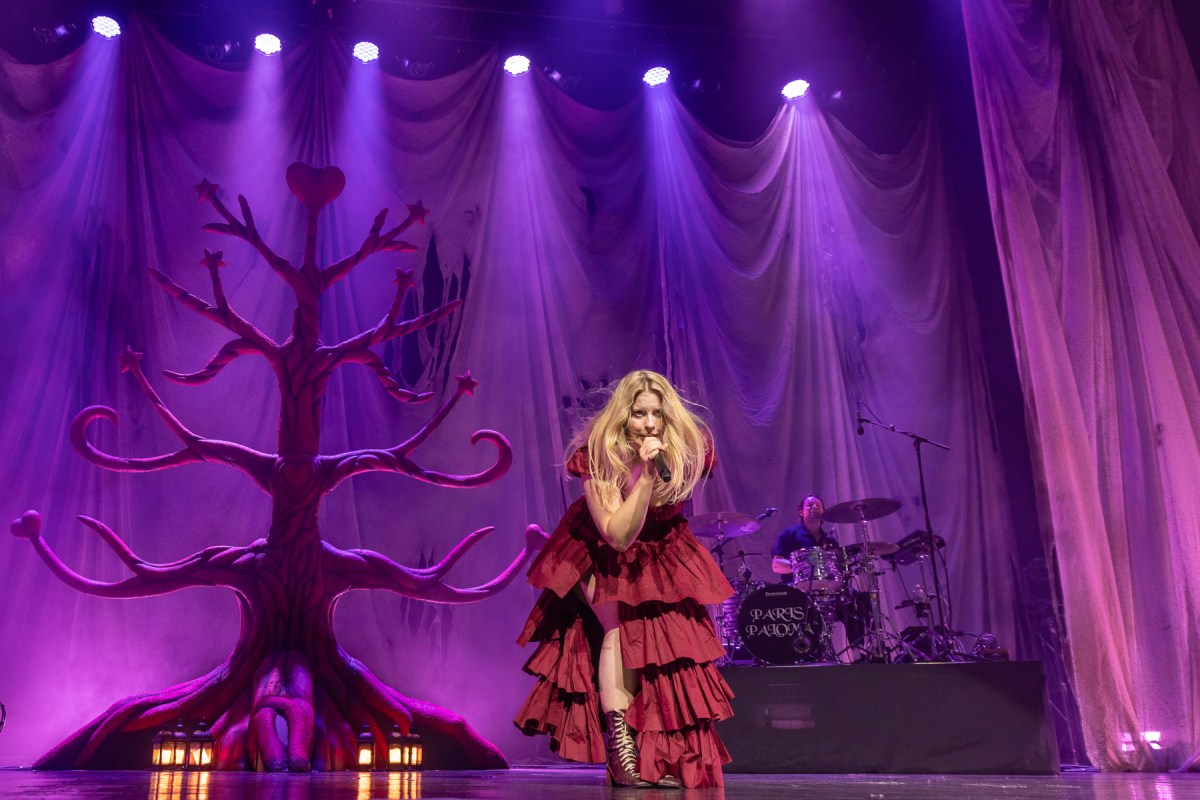
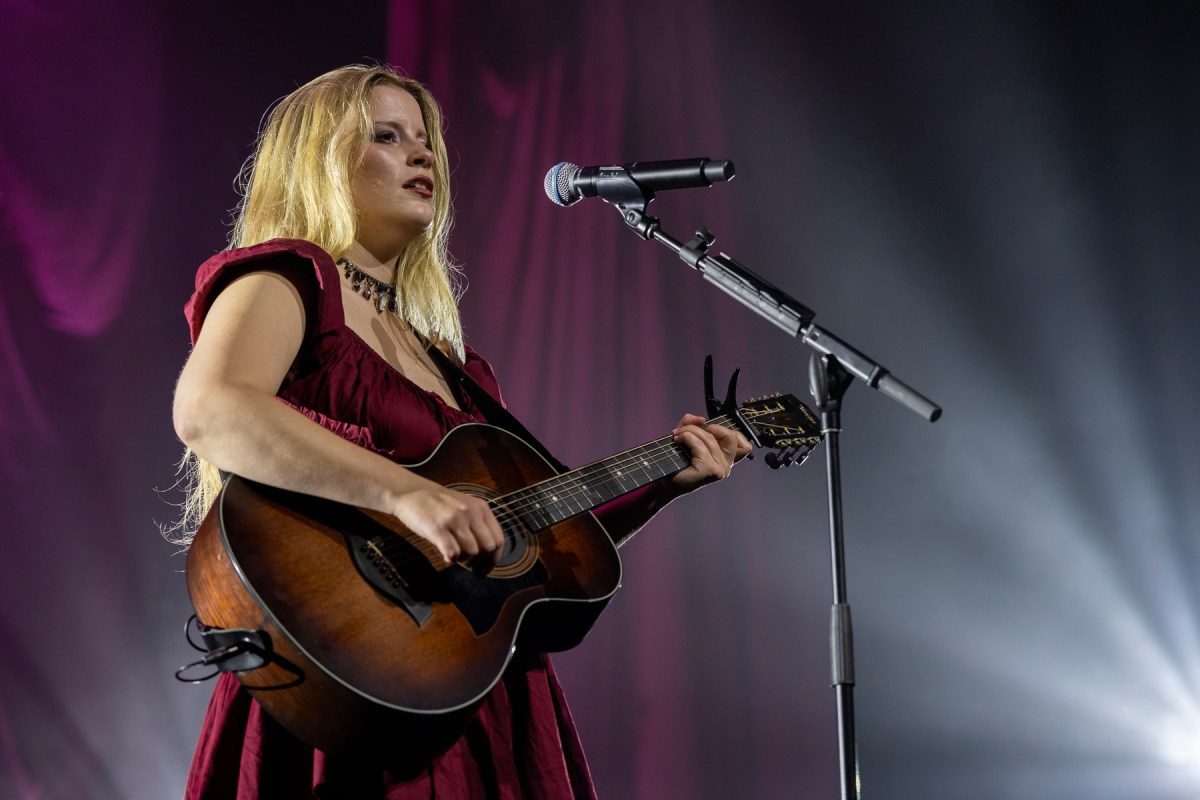
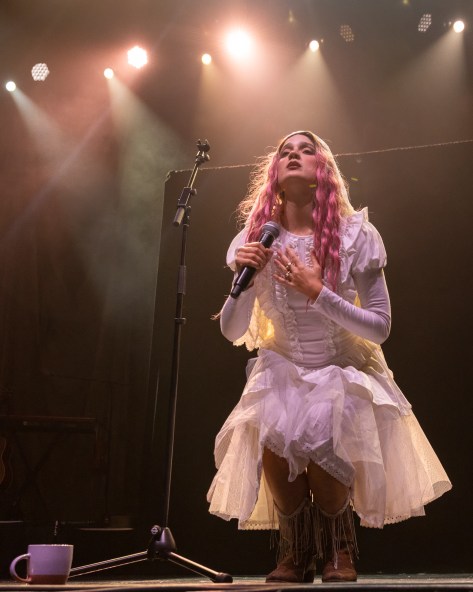
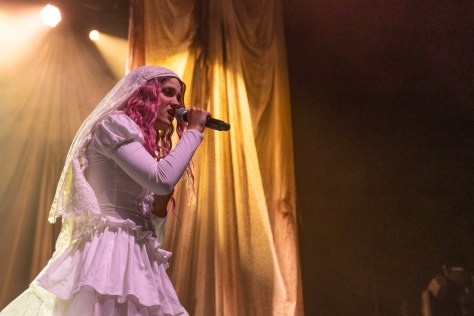
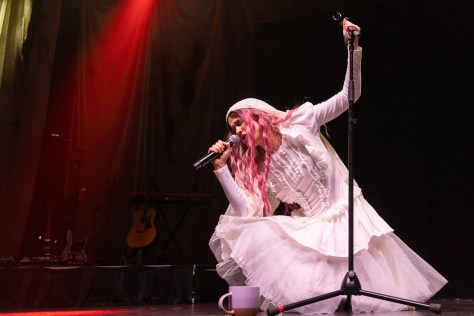
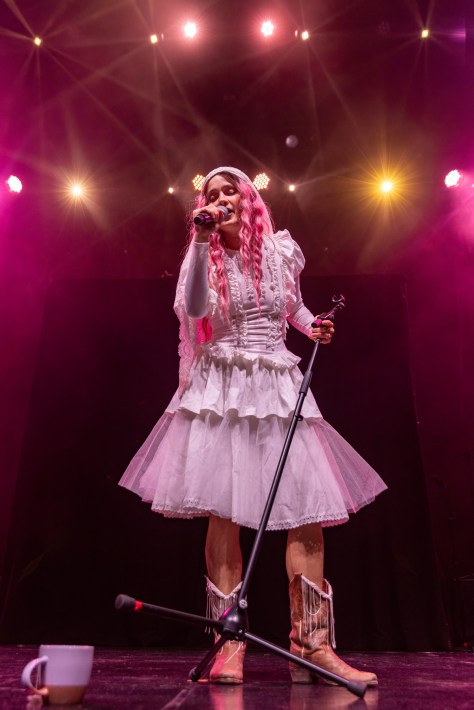
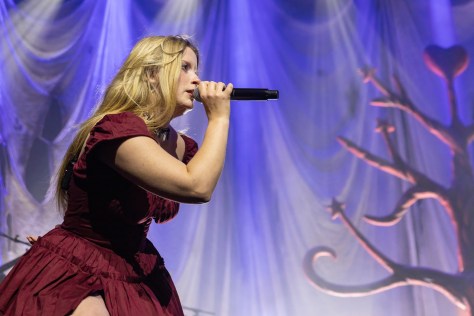
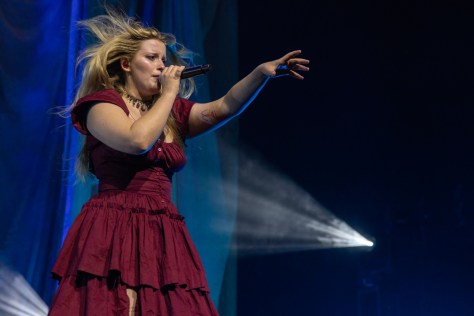
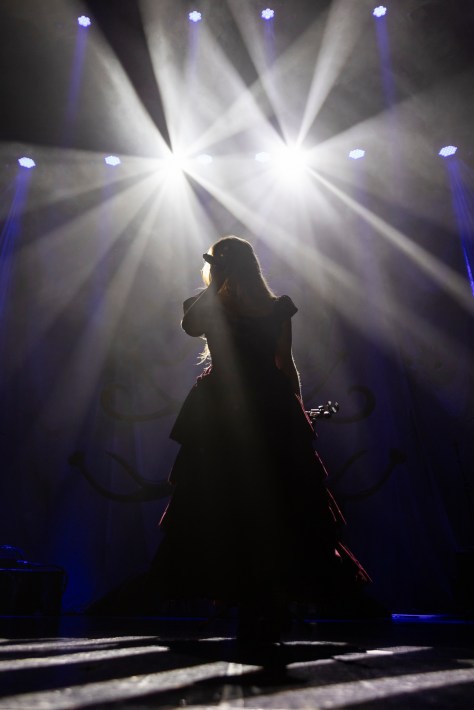
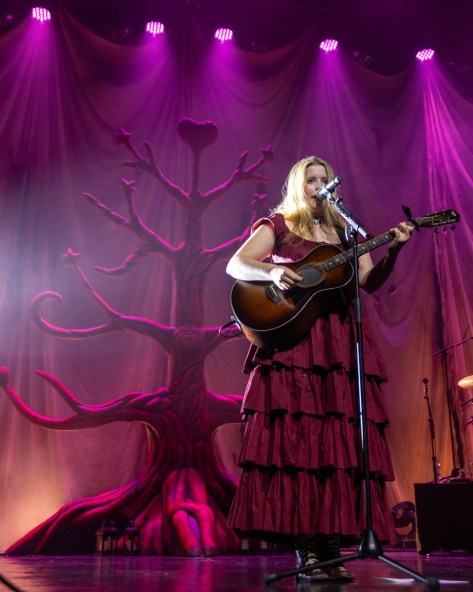
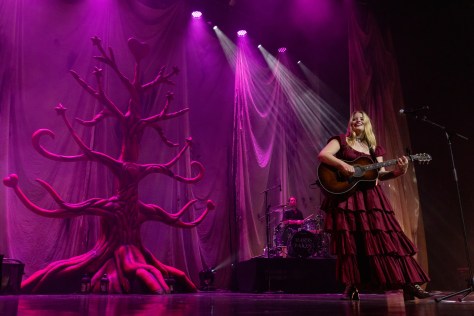
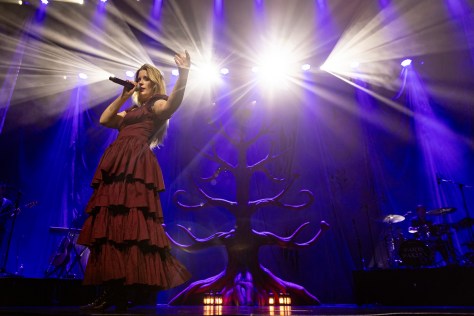
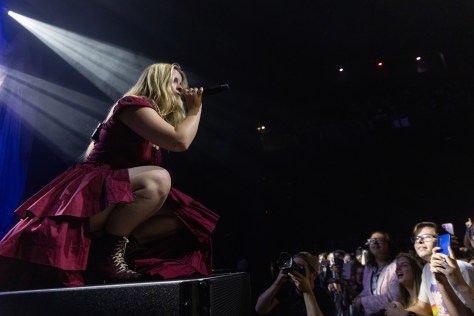
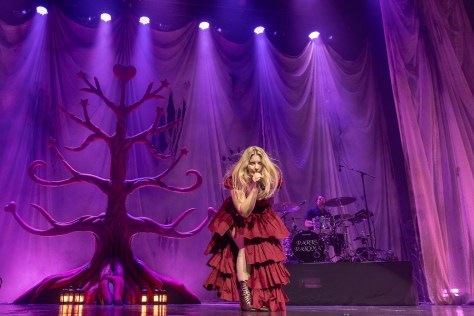
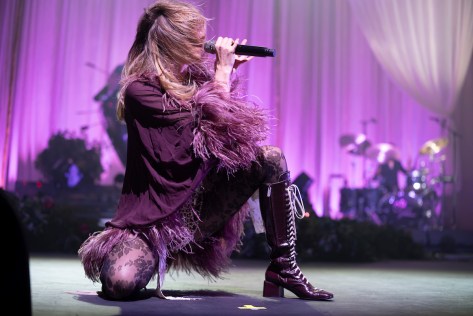
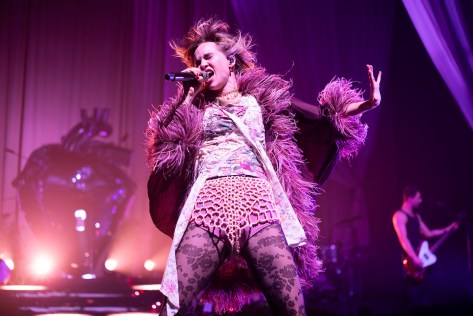
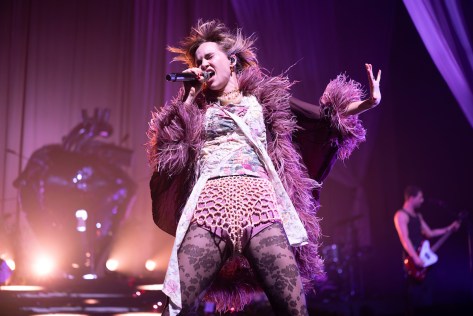
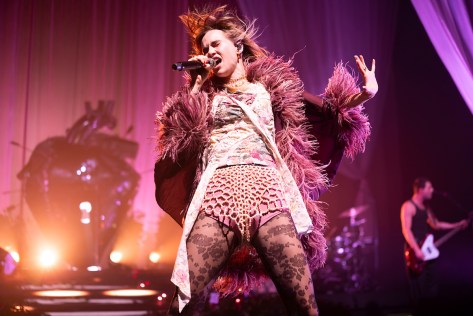
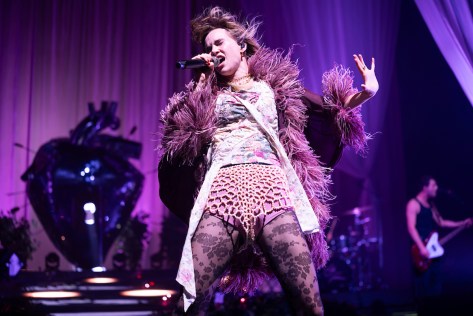
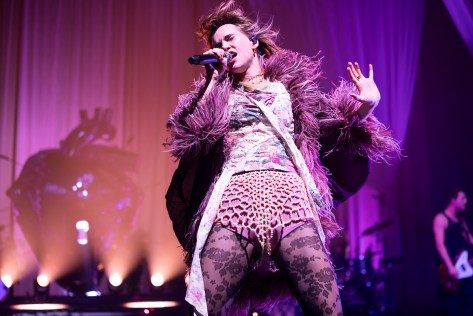
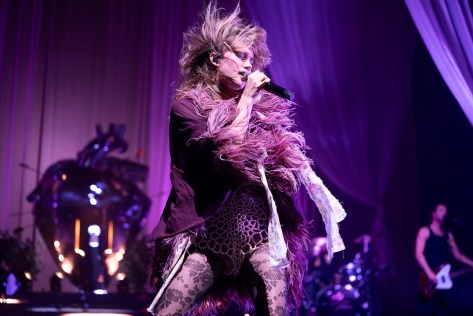
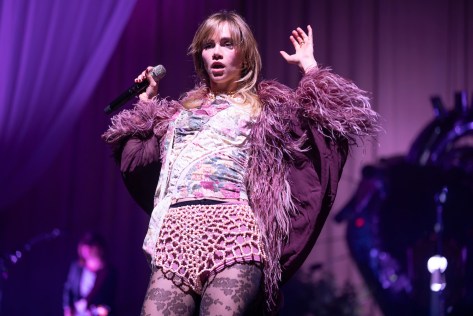
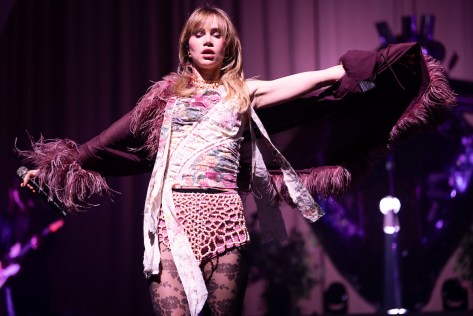
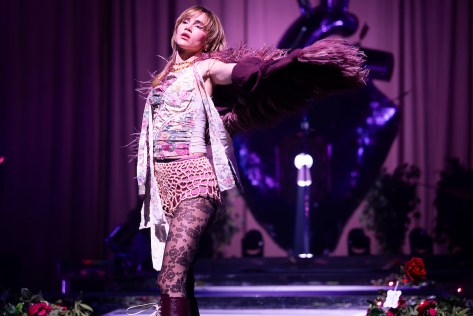
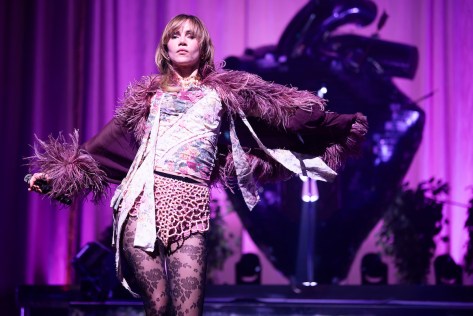
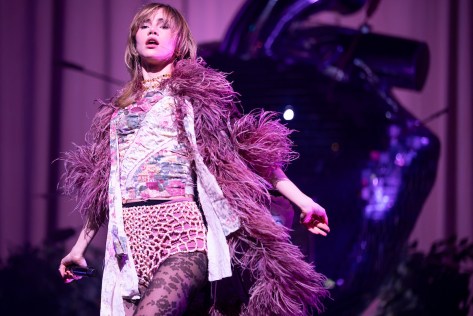
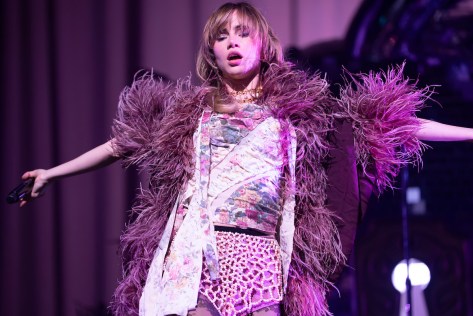
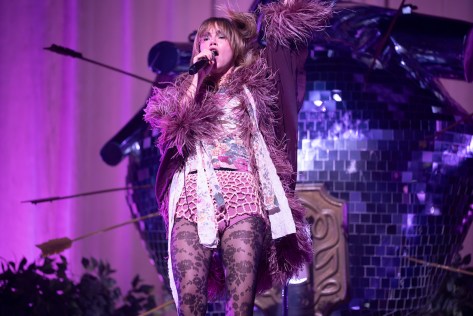
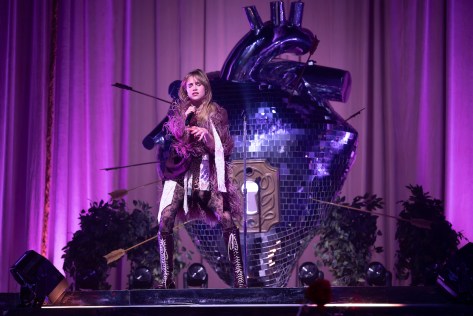
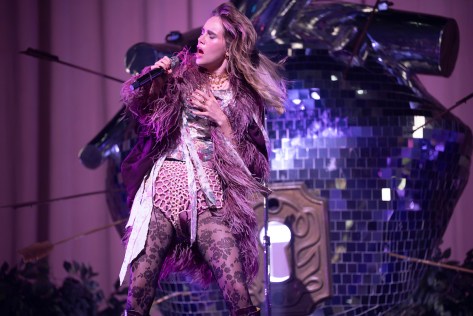
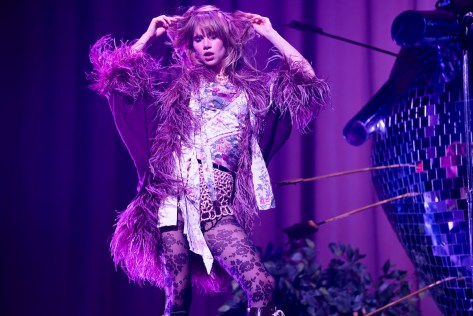
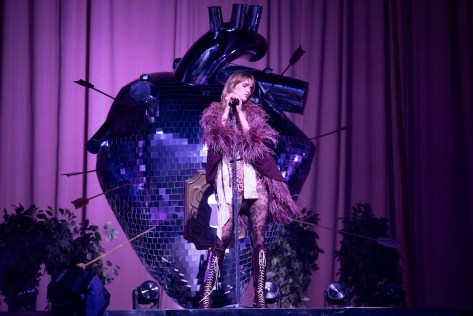
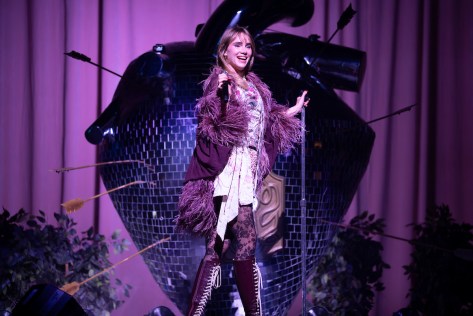
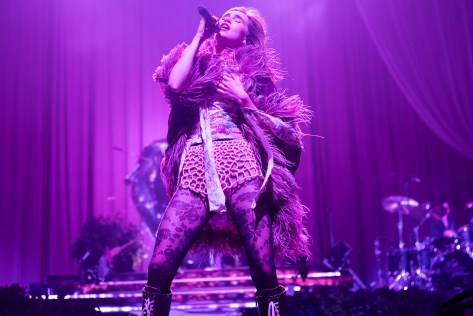
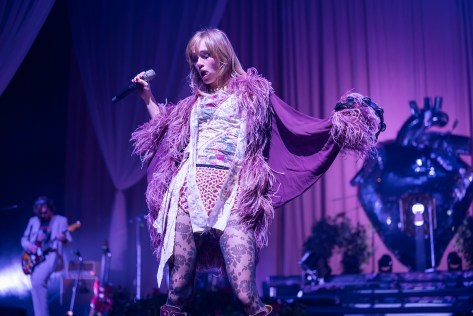
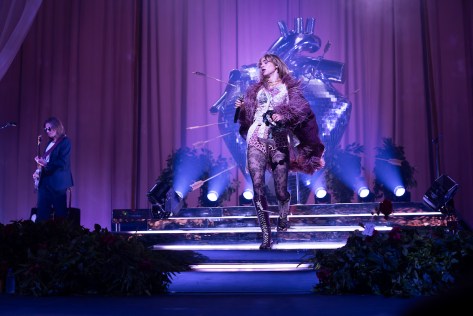
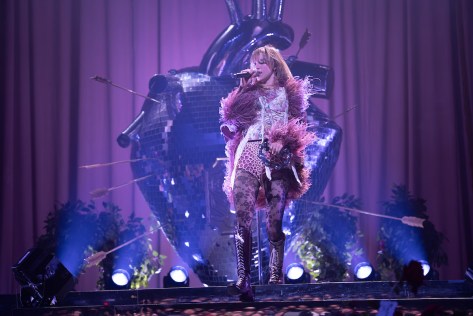
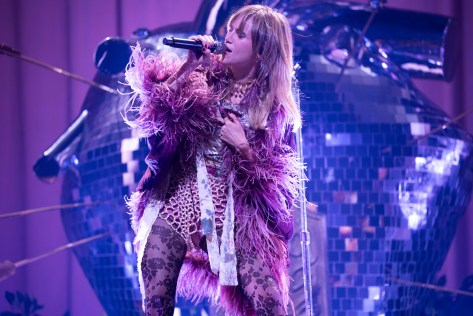
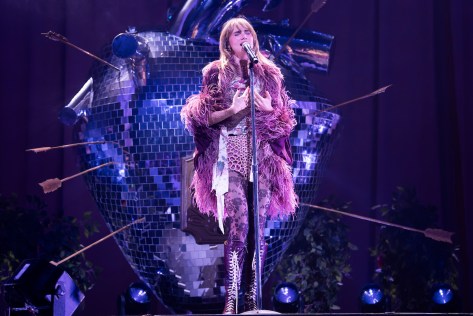
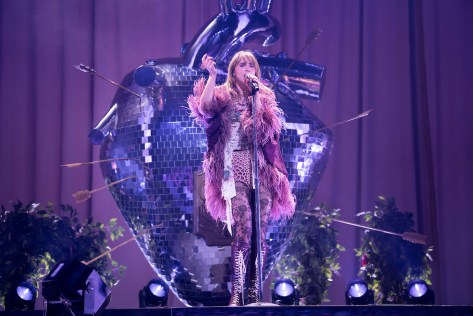
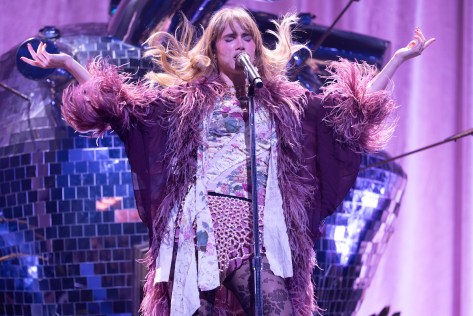
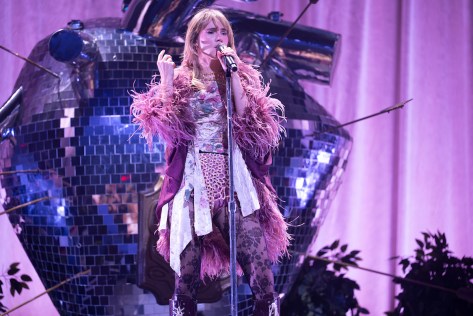
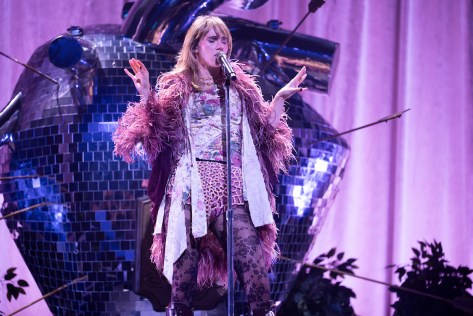
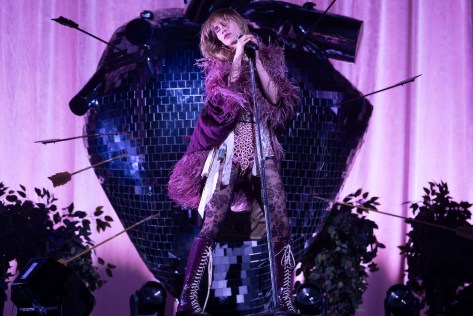
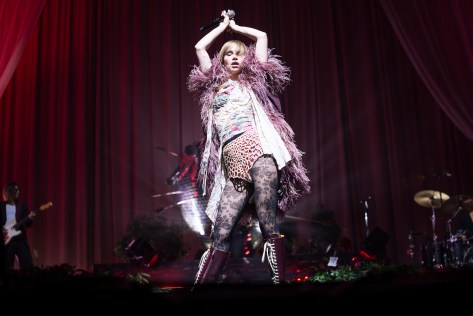
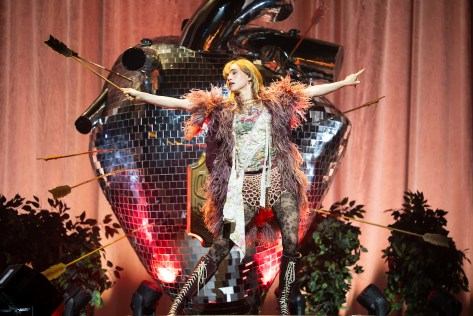
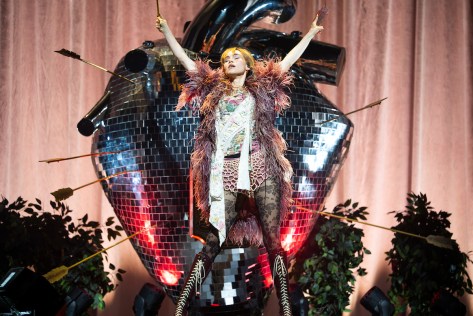
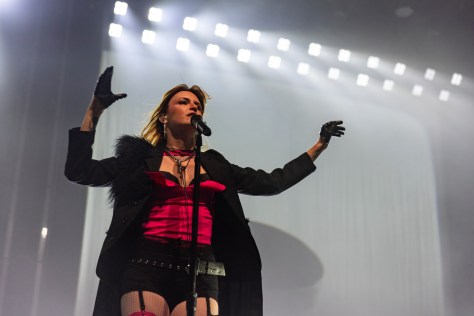
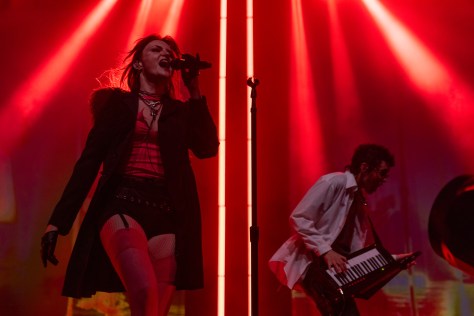
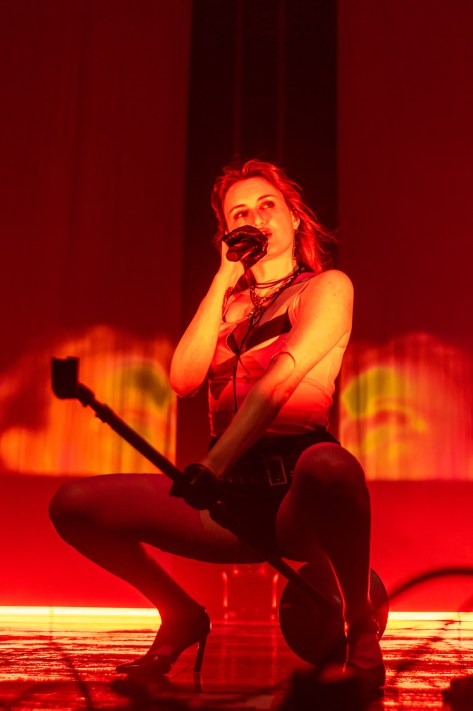
Review: Olivia Rodrigo Comes Full Circle in a Triumphant Return to Austin City Limits

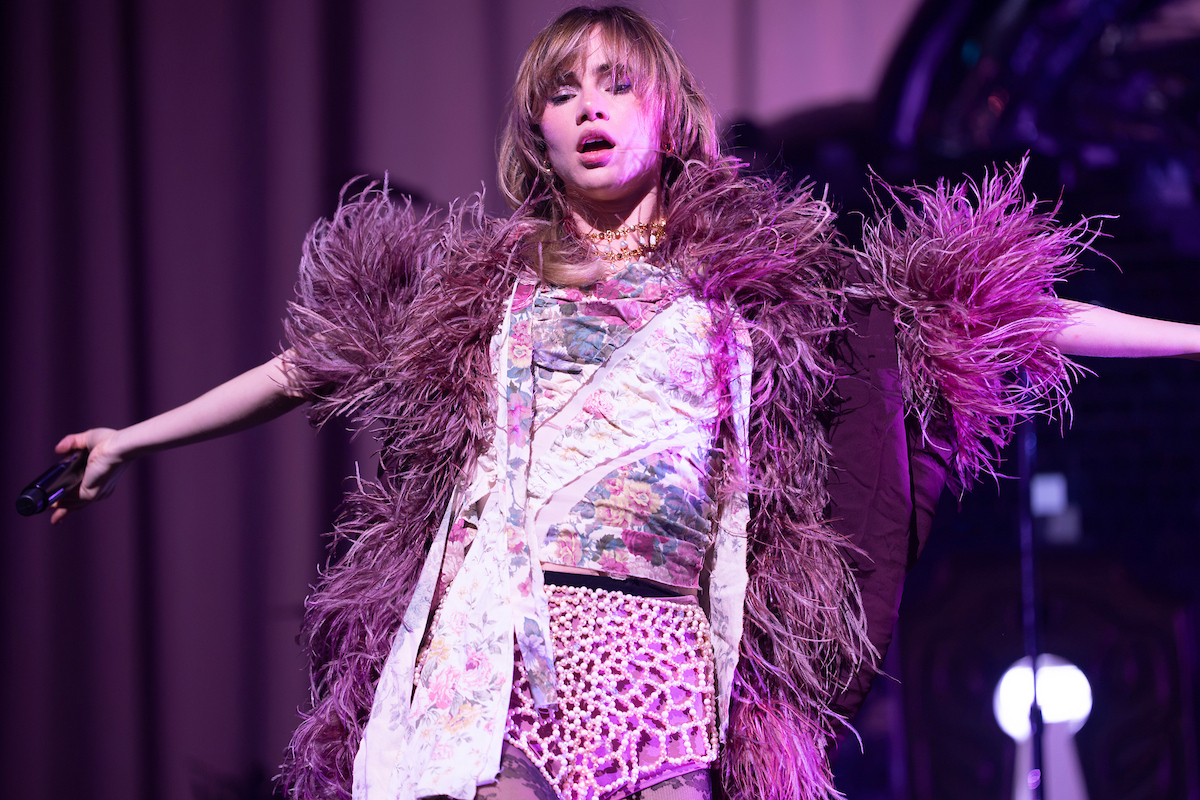
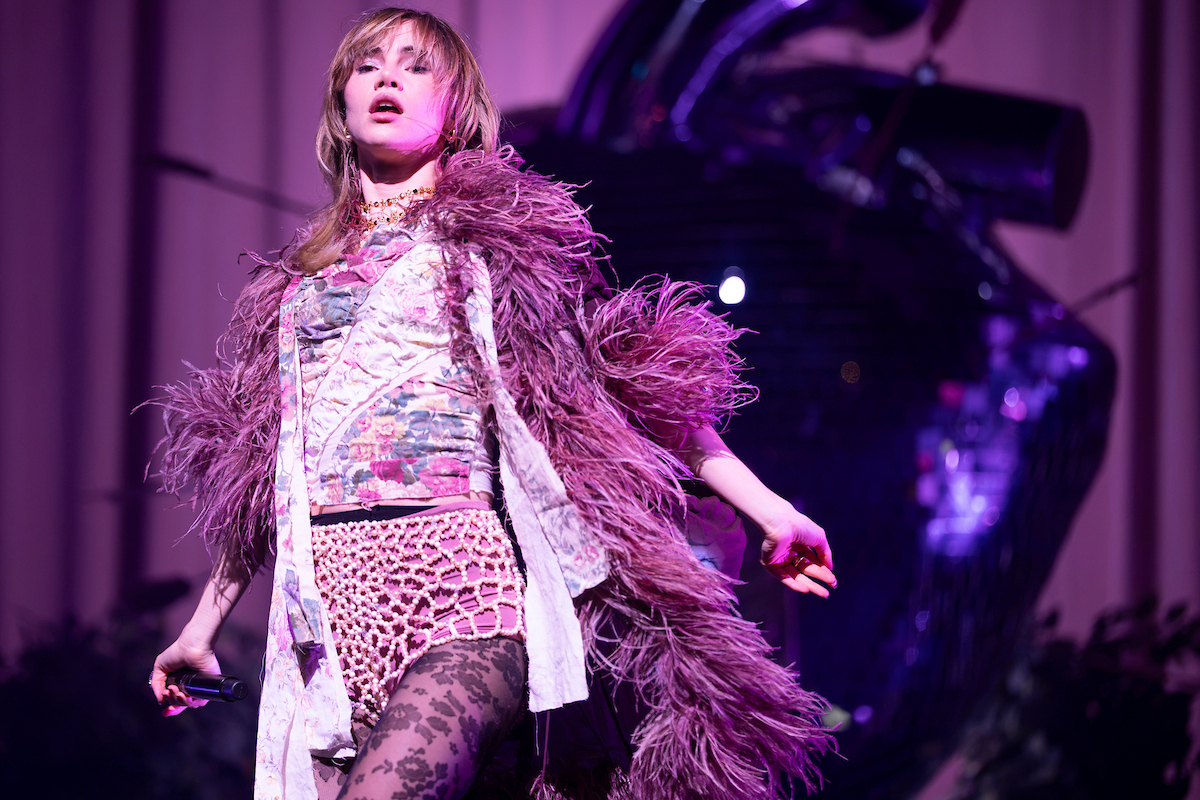
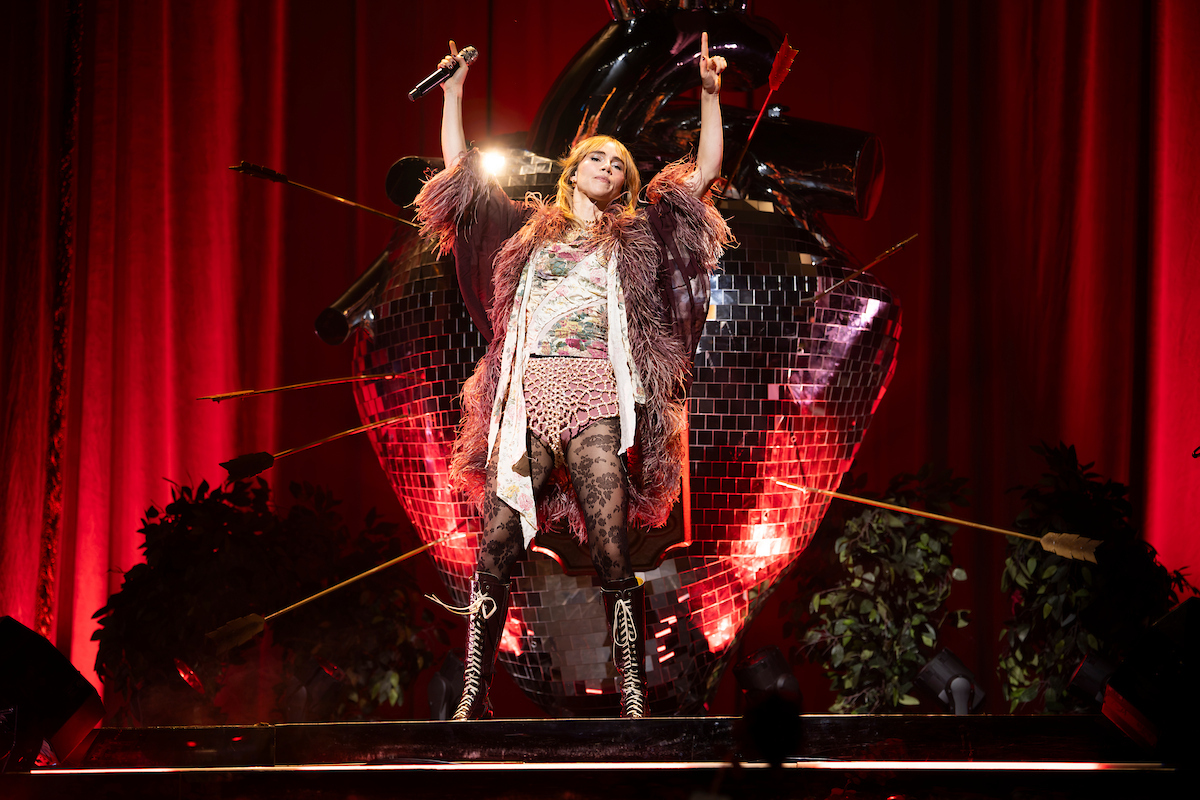
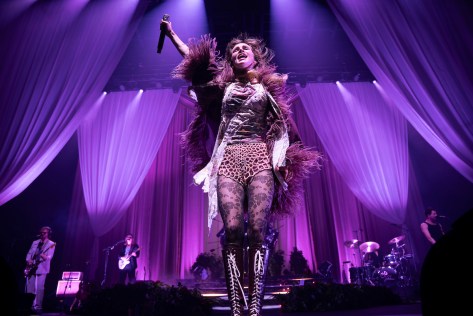
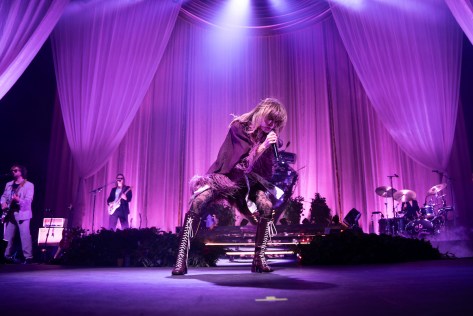
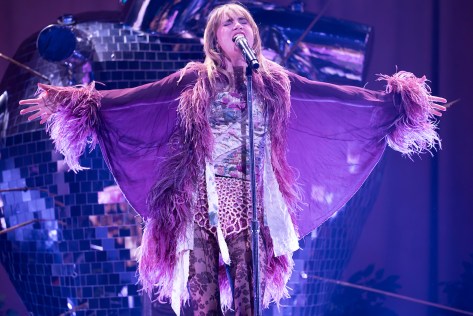
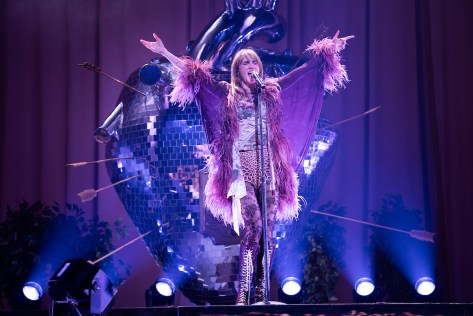
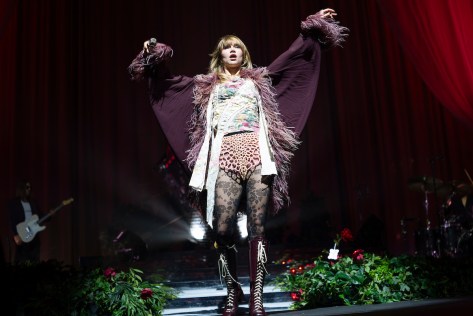
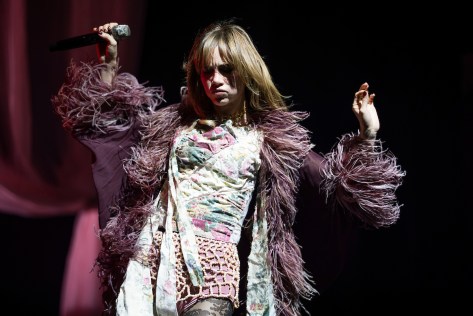
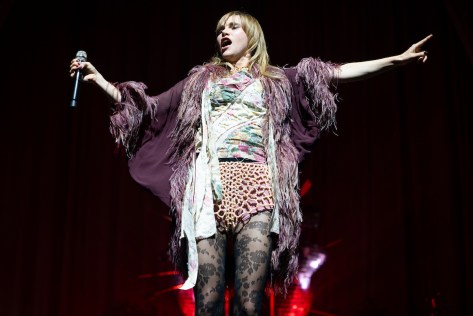
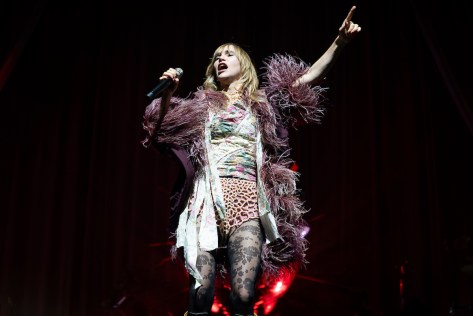
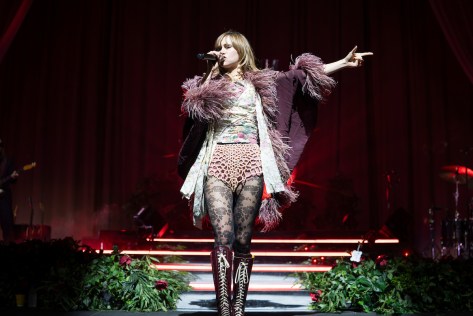
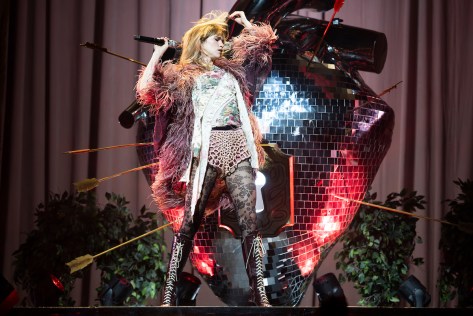
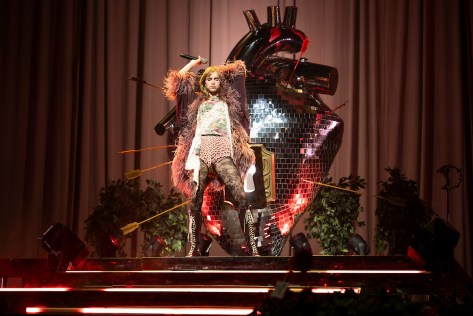
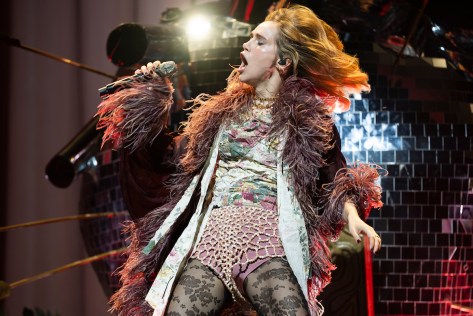
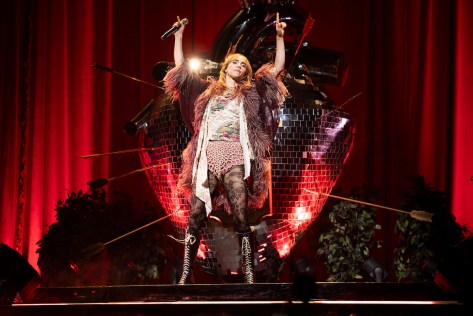
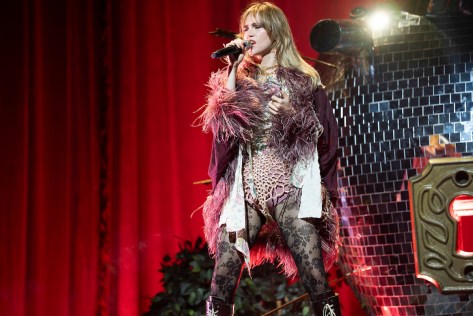
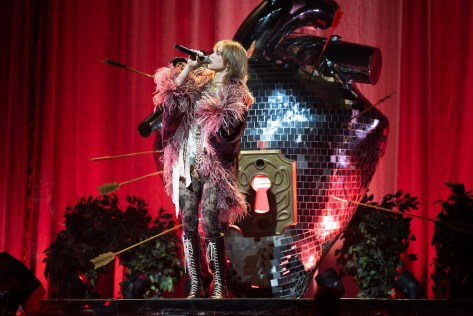
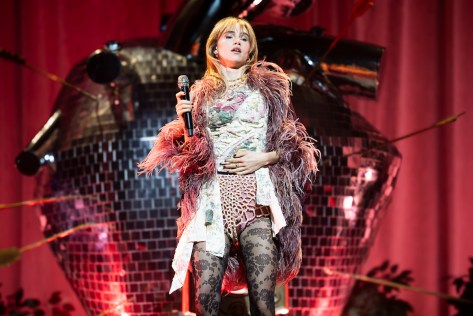
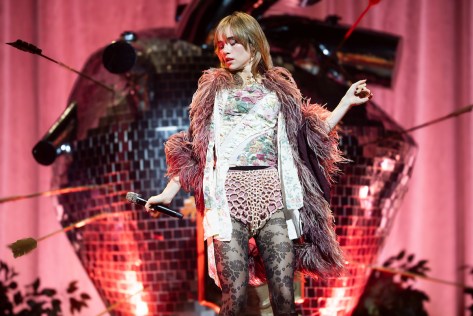
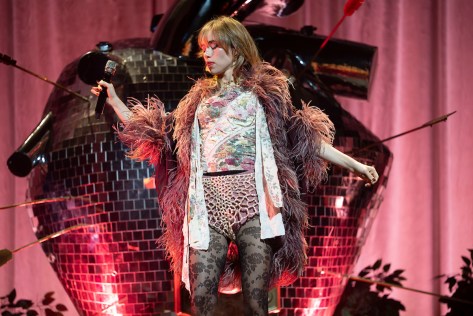
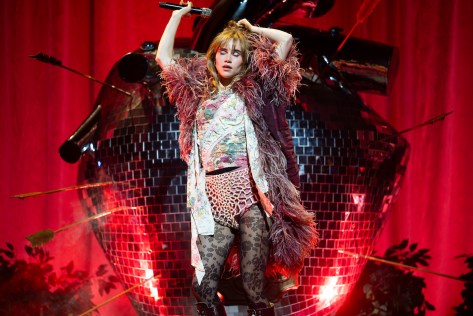
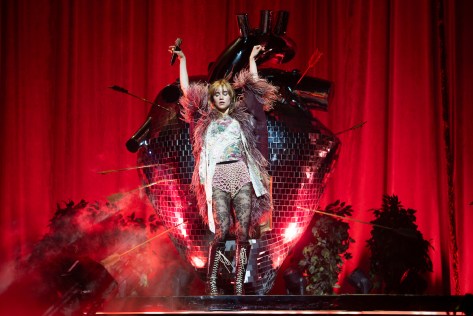
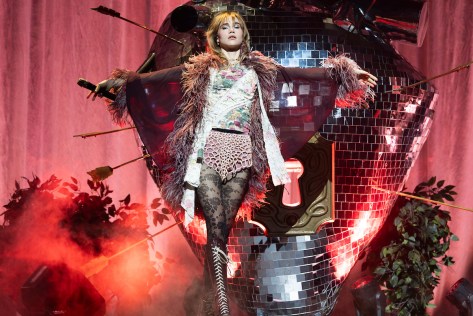
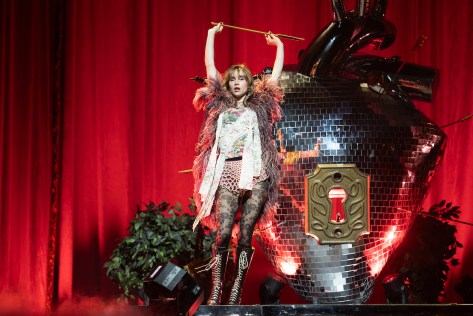
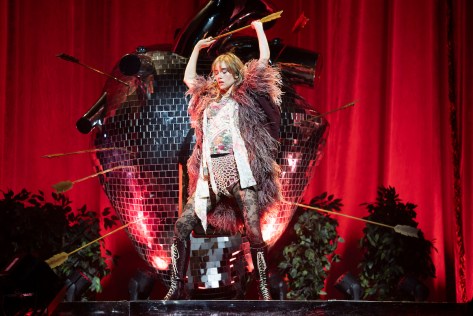
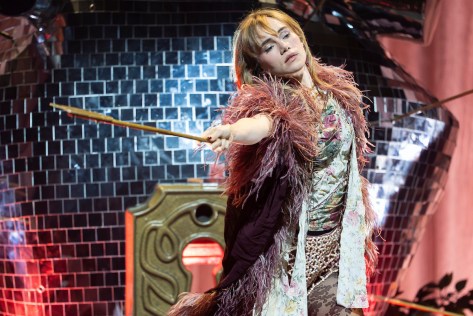
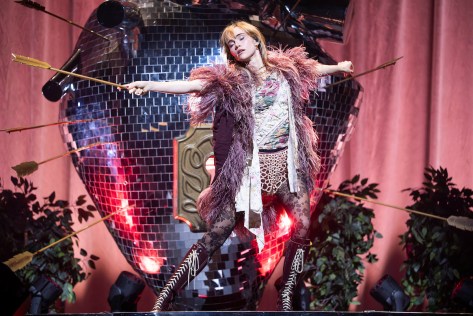
Photo by Scott Newton courtesy Austin City Limits

By Dan Garcia

Five years ago, Olivia Rodrigo walked onto the legendary Austin City Limits stage barefoot, backed by an all-female band, and played the first full-length concert of her career.

She was 18 years old. Sour had already made her one of the biggest new artists in the world, but she had yet to prove what she could become in front of a live audience for an entire show. That 2021 taping became more than a strong television debut. It was an early landmark in a career that has since grown to include three No. 1 albums, three Grammy Awards and sold-out performances around the world.

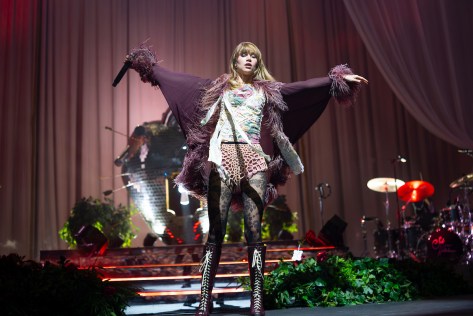
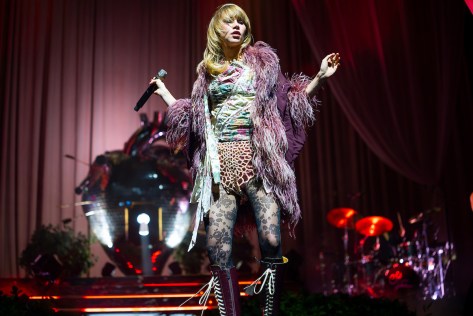
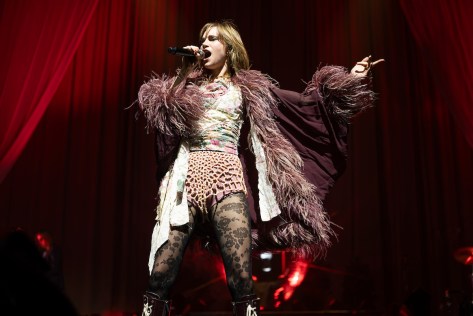
On Wednesday night, Rodrigo returned to the same iconic room as a far more experienced performer, but without losing the candid personality that made her first appearance so memorable.

Rodrigo’s first ACL appearance famously found her performing barefoot. Early in Wednesday’s taping, she joked about the difference this time, “now I have shoes, so I’m moving up in the world.”

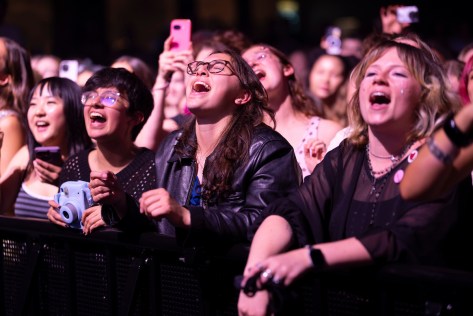
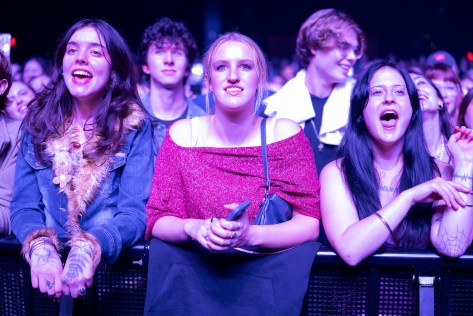
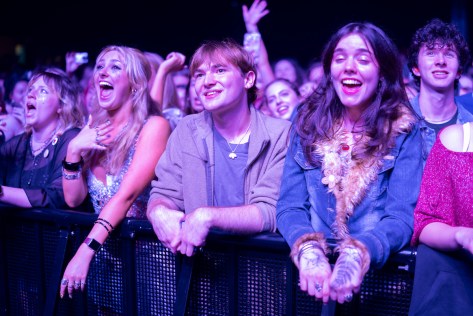
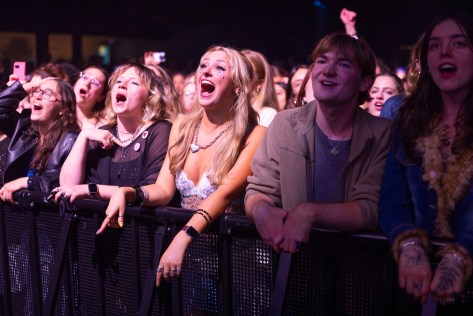
It was a perfect line for the occasion. Everything about Rodrigo’s career has become bigger since her first visit to the Moody Theater, yet the second taping still felt remarkably intimate. More than 60,000 people entered for a chance to attend the free recording, creating extraordinary demand for a place in a room that could hold only a tiny fraction of them. Those who made it inside witnessed something much more special than a shortened promotional appearance: the first substantial live presentation of Rodrigo’s new album, you seem pretty sad for a girl so in love.

Rodrigo opened with “my way,” immediately establishing that the evening would belong primarily to her newest chapter. “drop dead,” “u + me = <3” and “stupid song” followed, giving the performance the thrill of discovery that even the best arena concerts cannot always replicate. By the end of the night, Rodrigo had performed 12 of the album’s 13 tracks, with the Robert Smith collaboration “what’s wrong with me” standing as the lone omission.

For everyone in the room, this was their first opportunity to hear most of the new record performed live. A significant number of Wednesday’s songs received their live debuts, meaning the audience was not merely watching a television program being recorded, it was helping Rodrigo discover how this music could live onstage ahead of her massive arena tour.

That is where “Austin City Limits” remains nearly impossible to replicate.

The longest-running music program in American television history has earned its stature without becoming a museum piece. It has been designated a landmark by the Rock & Roll Hall of Fame and remains the only television program to receive the National Medal of Arts, yet its greatest accomplishment may be how immediate these tapings still feel. History is present in the room, but it never gets in the artist’s way.

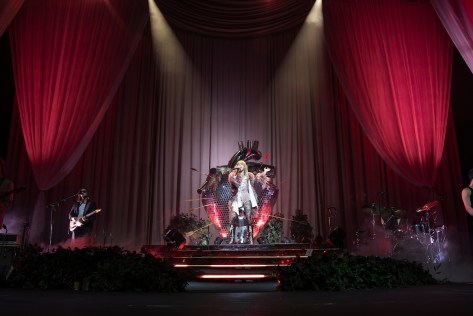
The program’s famous skyline backdrop and the close confines of the Moody Theater create an atmosphere that is polished enough for television but never sterile. The cameras are present without overwhelming the performance. The room carries the history of the countless legendary musicians who have stood on the same stage, but it still allows a 23-year-old artist to make it feel entirely her own.

Rodrigo recognized that history early in the show, praising both the venue and the program while speaking about the iconic artists who had performed there before her. The funny part is that her own first appearance now belongs in that conversation.

Her Oct. 2, 2021, taping was the first time a female solo artist had performed on “Austin City Limits” with an entirely female backing band. It was also Rodrigo’s first complete concert in front of a live audience. She arrived, still learning what her live identity might be, then delivered a set that helped show she was much more than a streaming phenomenon whose career had exploded during a period when opportunities to perform for crowds were limited.

Five years later, there was no uncertainty in her command of the stage.

Rodrigo has learned how to control a room without distancing herself from it. She can deliver the theatrical bite of “bad idea right?” and “vampire,” then make a theater full of people feel as though they are listening to her share a secret. She knows when to lean into the force of her band, when to leave space around a lyric and when to simply let the audience take over. The growth was obvious, but so was the continuity. She remains an artist whose greatest strength is making enormous emotions feel conversational.

That quality was especially valuable in a set built so heavily around unfamiliar live material. “maggots for brains,” “begged” and “purple” arrived in succession after “bad idea right?,” before “vampire” and “less” moved the show toward its quieter centerpiece. Rather than treating the new songs as obligations to fit between proven hits, Rodrigo gave them the center of the program. The older favorites acted almost like punctuation, arriving at just the right moments to release the anticipation that had built around the new material.

The approach made Wednesday’s taping feel less like a greatest-hits performance and more like an introduction to the artist Rodrigo intends to be during her next era.

It also reinforced how naturally her music fits the “Austin City Limits” format. Rodrigo has songs powerful enough to command arenas, but much of their emotional impact comes from details that feel personal and immediate. The Moody Theater gave the louder moments room to surge while keeping the quieter ones close, preserving the vulnerability at the center of her songwriting.

The evening’s most personal stretch began when a piano was brought onto the stage for “honeybee” and “drivers license.” The latter may be the song that transformed Rodrigo’s life, but she did not perform it as if she were reciting an unavoidable early hit. In a room closely connected to the beginning of her career, “drivers license” carried new weight. The audience knew every word, but the moment did not feel trapped in 2021. It sounded like a song that has grown alongside both its writer and the people who first heard themselves in it.

Then, as the crew removed the piano, Rodrigo avoided the kind of dead air that most television productions would simply edit out. She brought a young fan onto the stage and led the entire room in singing “Happy Birthday.”

It was spontaneous, warm and unmistakably Olivia. Rodrigo has always been unusually personable for an artist operating on her scale, and the moment demonstrated why fans feel so connected to her. She did not need a large production cue to hold the room. A fan, a birthday and a brief pause in the stage change were enough.

From there, Rodrigo introduced “the cure,” describing it as her favorite song from the new album, and possibly her favorite song she has ever written.

She told the audience that the idea arrived around 4 a.m. while she was staying at a hotel in London. Her best friend was asleep in the bed beside her, so Rodrigo slipped into a corner of the room and quietly recorded an early version on her phone. Somehow, she said, she managed not to wake her.

The story captured the appeal of the song before Rodrigo played a note. One of the night’s most anticipated performances began with an artist trying not to make too much noise in a dark hotel room. At Austin City Limits, that private 4 a.m. idea became a communal experience, delivered to one of the most coveted audiences in the program’s history.

“the cure” was followed by “cigarette smoke” and “expectations,” allowing Rodrigo to remain in the emotional world of the new album before ending with “deja vu.” The closing selection tied the entire night together. “deja vu” was the second song Rodrigo performed during her first ACL taping in 2021. On Wednesday, it became the final song of her return.

That symmetry made the performance feel less like a repeat visit than a completed circle.

The taping also arrived at a meaningful moment in Rodrigo’s broader career. On Aug. 29, she will launch Daisy Chain Fields, her first music festival, at Great Park in Irvine, California. Inspired by the community and mission of Lilith Fair, the event will feature women and female-fronted artists including Chappell Roan, Doechii, Mitski, Bikini Kill, Garbage and The Breeders, with special appearances from Stevie Nicks, Karen O and Lilith Fair founder Sarah McLachlan. Net proceeds will benefit organizations that support and advocate for women and girls.

There is a direct line between the 18-year-old who made ACL history with an all-female backing band and the 23-year-old now using her influence to construct an entire festival around women in music. Daisy Chain Fields may be far larger in scope than that first taping, but the principle feels consistent: Rodrigo is not satisfied with merely occupying a prominent place in the industry. She wants to create more space around her.

Before that festival and the launch of her sold-out Unraveled Tour this fall, Wednesday’s taping offered a rare opportunity to see Rodrigo at close range. It showed an artist with the confidence to devote most of a high-profile performance to new music, the perspective to appreciate the stage’s history and the ability to make one of music television’s most storied settings feel remarkably intimate.

It also showed why Austin City Limits remains one of the greatest institutions in live music.

For more than half a century, the program has preserved artists at pivotal moments: some before they became legends, others after they had already earned that status. Rodrigo’s two appearances have allowed ACL to do both with the same performer. The first captured an 18-year-old taking her earliest steps as a live artist. The second captured a global star returning to honor that beginning while introducing what comes next.

Rodrigo may have worn shoes this time, but she isn’t any less grounded.

If anything, Wednesday’s performance proved how much power she has gained by remaining exactly that.

The performance will premiere as a full-hour episode this fall on PBS during the program’s 52nd season and will also stream through PBS. For everyone who did not beat the odds of a 60,000-person ticket drawing, it will be essential viewing.

Olivia Rodrigo’s July 29, 2026 “Austin City Limits” taping setlist

  1. “my way”
  2. “drop dead”
  3. “u + me = <3”
  4. “stupid song”
  5. “bad idea right?”
  6. “maggots for brains”
  7. “begged”
  8. “purple”
  9. “vampire”
  10. “less”
  11. “honeybee”
  12. “drivers license”
  13. “the cure”
  14. “cigarette smoke”
  15. “expectations”
  16. “deja vu”

Photos: Totally Tubular Festival Turns the Hollywood Palladium Into a Nonstop ’80s Dance Party

Photo by Dan DeSlover/The Early Registration

Totally Tubular Festival transformed the Hollywood Palladium into a nonstop ’80s dance party on Friday, July 24, packing seven acts and an entire decade’s worth of nostalgia into one fast-moving night.

Tommy Tutone opened the evening before The Escape Club, Animotion, The Producers, Bow Wow Wow, A Flock of Seagulls and Thomas Dolby & The Lost Toy People took their turns onstage. For much of the night, the festival moved like a rapid-fire mixtape, with the earlier performers delivering quick snippets of familiar favorites rather than traditional full-length sets.

That compact format was part of the fun. The brief changeovers rarely interrupted the momentum, as a steady mix of ’80s classics kept the Palladium dancing between performances. There was almost always another recognizable chorus around the corner, whether it was coming from the stage or filling the room while the next act prepared to take it.

The night’s high point belonged to The Escape Club and “Wild, Wild West.” In a show built almost entirely around instant recognition, the song generated the evening’s most exciting few minutes and stood out as the best performance of the festival.

A Flock of Seagulls and Thomas Dolby & The Lost Toy People were given more room to stretch out at the end of the night, allowing the closing sets to breathe after the rapid pace of the earlier performances. By then, Totally Tubular had already delivered exactly what its name promised: a colorful, concentrated celebration of the songs that continue to make the ’80s such an easy decade to revisit.

For a festival built around one memorable moment after another, a photo gallery feels like the perfect way to relive it. Dan DeSlover captured the evening’s parade of ’80s favorites from Tommy Tutone through Thomas Dolby & The Lost Toy People.

Check out Dan DeSlover’s photos from the Totally Tubular Festival at the Hollywood Palladium below.

Back in Madison: 10 Reasons AC/DC’s Camp Randall Return Was Worth the 25-Year Wait

Brian Johnson and Angus Young of AC/DC perform at Camp Randall Stadium in Madison, Wisconsin, on Sunday, July 19, 2026. (Dan Garcia/The Early Registration)

AC/DC had been away from Madison for far too long.

Before Sunday night, the Australian rock legends had not performed in Wisconsin’s capital since visiting the Kohl Center in May 2001. They returned in appropriately massive fashion, bringing the POWER UP Tour, The Pretty Reckless and enough rock ’n’ roll firepower to fill Camp Randall Stadium.

Led by Angus Young and Brian Johnson, AC/DC delivered a set stacked with songs that have become part of rock’s permanent vocabulary. From the opening notes of “If You Want Blood” through “For Those About to Rock,” the band made its long-awaited Madison return count.

Here are 10 reasons AC/DC’s Camp Randall concert was worth the 25-year wait.

1. Madison’s 25-year wait finally ended

AC/DC’s last Madison performance took place at the Kohl Center on May 11, 2001. That quarter-century absence made Sunday’s show feel like much more than another stop on the POWER UP Tour.

For some fans, it was their first opportunity to see AC/DC in their own backyard. For others, it was a reunion they had been awaiting since the beginning of the century. Either way, the lengthy gap gave the concert a sense of occasion before the first chord was even played.

2. “If You Want Blood” was the perfect opening declaration

AC/DC did not waste time gradually building toward its biggest material. Instead, the band opened with “If You Want Blood (You’ve Got It),” immediately setting the tone for a night of loud, direct and gloriously uncomplicated rock ’n’ roll.

The song served as both an invitation and a warning. After 25 years without an AC/DC concert in Madison, the band returned ready to give Wisconsin everything it had been missing.

3. “Back in Black” arrived almost immediately

Most rock bands would build an entire encore around a song as monumental as “Back in Black.” AC/DC played it second.

That placement demonstrated the almost ridiculous depth of the band’s catalog. Even after unleashing one of the most recognizable riffs ever recorded within the concert’s opening minutes, AC/DC still had “Thunderstruck,” “Highway to Hell,” “Hells Bells,” “You Shook Me All Night Long” and plenty more waiting in reserve.

It also gave “Back in Black” a fitting secondary meaning. AC/DC was not only back onstage, it was finally back in Madison.

4. Angus Young remained one of rock’s greatest showmen

The schoolboy uniform, duckwalk and animated expressions are some of rock music’s most familiar images, but they remain more than nostalgic trademarks. Angus Young still understands how to take command of a stadium.

Now 71, the guitarist spent the evening moving across the enormous stage, squeezing every ounce of personality from his guitar and reminding the crowd why he remains the unmistakable face of AC/DC.

His extended spotlight during “Let There Be Rock” was particularly impressive. It was part guitar showcase, part endurance test and entirely Angus Young.

5. Brian Johnson still had plenty left in the tank

Brian Johnson’s voice has always sounded as though it is being pushed to its absolute limit. At 78 years old, he continued to attack some of rock’s most demanding songs with his unmistakable grit.

Johnson worked the stage with a smile, encouraging the Camp Randall crowd to supply its own considerable volume whenever the choruses arrived. His weathered rasp remains an essential component of the AC/DC sound, especially on staples such as “Back in Black,” “Shoot to Thrill” and “You Shook Me All Night Long.”

It may no longer be effortless, but rock ’n’ roll was never supposed to sound effortless.

6. Camp Randall was built for “Thunderstruck”

Few songs are better suited for a college football stadium than “Thunderstruck.”

Its opening guitar figure created immediate anticipation, while the repeated chants transformed tens of thousands of concertgoers into active participants. Inside a venue already known for producing deafening crowds on football Saturdays, the AC/DC classic sounded completely at home.

For a few minutes, Camp Randall belonged neither to the Badgers nor visiting football teams. It belonged to Angus Young and one of the greatest stadium-rock songs ever written.

7. “You Shook Me All Night Long” united generations

AC/DC’s influence now stretches across several generations, and the Camp Randall audience reflected it.

Some fans first heard “You Shook Me All Night Long” when Back in Black arrived in 1980. Others discovered it through classic-rock radio, movies, sporting events, video games or their parents’ record collections. On Sunday, those generational differences disappeared as the entire stadium sang its chorus together.

AC/DC’s music has never required an explanation or an expiration date. A great riff remains a great riff, no matter when someone first encounters it.

8. The encore delivered two perfect closing statements

After a night overflowing with recognizable riffs, AC/DC still had two enormous songs saved for the encore.

“T.N.T.” gave the audience one final opportunity to shout along, with its explosive refrain seemingly designed for a stadium crowd. Then came “For Those About to Rock (We Salute You),” a song that has long functioned as AC/DC’s ultimate farewell.

Complete with the track’s signature cannon blasts, the finale delivered exactly the kind of excessive, thunderous conclusion the occasion deserved.

9. The Pretty Reckless were an ideal opening act

Opening a stadium show for AC/DC is no small assignment, but The Pretty Reckless possessed the necessary songs, attitude and volume to prepare Camp Randall for the headliner.

Led by Taylor Momsen, the band brought a darker edge to the evening while remaining firmly connected to the classic hard-rock tradition AC/DC helped establish. Songs including “Heaven Knows,” “Going to Hell” and “Take Me Down” have given The Pretty Reckless a formidable catalog of its own.

Rather than feeling like an unrelated addition to the bill, the group provided a natural bridge between generations of hard rock.

10. It was a rare chance to see Camp Randall become a concert venue

Camp Randall is one of college football’s most recognizable stadiums, but major concerts there remain special occasions.

After going decades with relatively few large-scale shows, the stadium returned to the concert circuit in a major way in 2025. Even so, seeing its field covered with fans and an enormous stage occupying one end zone remains far from an everyday experience.

AC/DC was also an ideal band for the setting. The group’s bells, cannons, towering production and stadium-sized riffs would have overwhelmed a smaller space. At Camp Randall, everything felt appropriately enormous.

Sunday offered two rarities at once: the first AC/DC concert in Madison in 25 years and an opportunity to see one of Wisconsin’s most famous stadiums transformed into a massive rock ’n’ roll venue. Both were worth the wait.

Check out our photos from the highly anticipated performance below.

Green Means Go: 8 Reasons Riley Green Delivered at Country Thunder Wisconsin

Riley Green performs during Country Thunder Wisconsin at Shadow Hill Ranch in Twin Lakes, Wisconsin, on Saturday, July 18, 2026 (Dan Garcia/The Early Registration).

Country Thunder Wisconsin found the perfect artist to lead its Saturday-night celebration as Riley Green took over the festival’s main stage at Shadow Hill Ranch in Twin Lakes.

Following a full day of performances from Nate Smith, Dasha, Lonestar and more, Green rewarded the thousands of fans who remained on the grounds with a headlining set built around traditional country storytelling, enormous singalongs and some of the biggest songs of his career.

Here are eight reasons Riley Green delivered at Country Thunder Wisconsin.

1. He was the perfect Saturday-night headliner

Every night of Country Thunder carries its own personality, and Green was exactly the right artist to anchor Saturday’s festivities.

His music combines the traditional country foundation longtime festivalgoers love with enough contemporary hits to attract a younger generation of fans. By the time he stepped onto the stage for his scheduled 10 p.m. set, the crowd was ready for a headliner capable of bringing everyone together.

Green did exactly that, closing the festival’s third day with the kind of performance that felt tailor-made for a summer Saturday night in Twin Lakes.

2. “I Wish Grandpas Never Died” created an emotional singalong

Country Thunder may be known for its parties, packed campgrounds and late nights, but Green also gave the festival one of its most heartfelt moments.

“I Wish Grandpas Never Died” has grown into much more than another hit in his catalog. Its reflections on family, loss and a disappearing way of life have made it a song that listeners attach to their own memories.

When Green brought it to Twin Lakes, thousands of voices joined together for a singalong that was as emotional as it was loud. It was the type of moment that reminded fans why the best country songs can feel deeply personal, even when they are being performed for an enormous festival crowd.

3. He delivered the traditional country music Country Thunder was built for

Green has achieved mainstream success without distancing himself from the traditional sounds and stories that helped build country music.

Songs about family, heartbreak, rural life and the places that shaped him were right at home at Shadow Hill Ranch. Guitars and country instrumentation remained at the center of the performance, while Green’s Alabama drawl gave every song an unmistakable identity.

Country music continues to expand in countless directions, but Green demonstrated that there is still an enormous appetite for straightforward storytelling and traditional influences.

4. He arrived during the biggest chapter of his career

Green didn’t come to Country Thunder as an artist relying only on past accomplishments. He arrived with more momentum than at any previous point in his career.

His catalog continues to grow, his headlining shows are getting bigger and his collaborations have become some of country music’s most recognizable songs. He is also preparing to release his fourth studio album, That’s Just Me, on September 18.

Add his upcoming role as a coach on Season 30 of The Voice, and Green is clearly entering a new tier of country stardom. Country Thunder fans caught him at the perfect time: established enough to deliver a hit-filled headlining set, but still climbing.

5. The crowd knew much more than just the radio singles

Green could have built a successful festival performance around recognizable singles such as “There Was This Girl,” “Worst Way” and “I Wish Grandpas Never Died.” Saturday’s crowd, however, showed that its connection to his music runs much deeper.

Fans responded to album cuts and earlier favorites with the same enthusiasm they reserved for his biggest radio hits. Lyrics echoed across the grounds throughout the performance, often with Green needing little encouragement to hand portions of the songs over to the audience.

That familiarity transformed the concert from a standard festival set into a gathering of fans who had followed Green’s career well beyond the songs they heard on the radio.

6. He rewarded everyone who stayed through a full Saturday of music

Country Thunder’s Saturday lineup gave fans plenty of reasons to arrive early.

The day featured a mix of current stars and familiar favorites, including Dasha, Nate Smith and Lonestar. After hours of music, heat, walking and festival celebrations, Green still had to provide the payoff at the end of the night.

He proved worth the wait.

Rather than allowing the energy to fade as the evening stretched toward midnight, Green gave the crowd a final burst of momentum. His biggest songs inspired some of Saturday’s loudest reactions and sent fans back to their campsites with another memorable Country Thunder headlining performance behind them.

7. He brought fresh ACM Awards momentum to Twin Lakes

Green’s Country Thunder appearance came only months after another major career milestone.

“Don’t Mind If I Do,” his collaboration with fellow Alabama native Ella Langley, earned Music Event of the Year at the 2026 ACM Awards. The victory added another accolade to a song that had already become a fan favorite and helped cement Green and Langley as one of contemporary country music’s most popular pairings.

That award-show success added to the feeling that Country Thunder welcomed Green during a particularly important moment in his career. He wasn’t simply revisiting the songs that made him successful, he was celebrating achievements that were still unfolding.

8. Wisconsin fans received two Riley Green shows in three days

Country Thunder wasn’t Green’s only Wisconsin performance of the week.

Just two days before his Saturday-night set in Twin Lakes, Green performed at the Resch Center in Ashwaubenon. The quick return gave his most dedicated Wisconsin fans the rare opportunity to see him twice in three days, while also bringing his music to opposite sides of the state.

For southeastern Wisconsin fans, however, Country Thunder offered the complete summer setting. With thousands gathered outdoors at Shadow Hill Ranch, Green’s traditional country sound and rapidly expanding catalog felt exactly where they belonged.

A Hell of an Opening Night: 10 Reasons Melanie Martinez’s HADES Tour Debut Delivered

Melanie Martinez performs during the opening night of her HADES: The Sacrifice Tour at Allstate Arena in Rosemont, IL, on Friday, July 17, 2026 (Dan Garcia/The Early Registration).

Melanie Martinez opened the gates to a new era Friday night, launching her HADES: The Sacrifice Tour at Allstate Arena in Rosemont with a theatrical spectacle that transported fans into the darkest corners of her imagination.

Nearly four months after HADES debuted at No. 3 on the Billboard 200, giving Martinez her fourth consecutive Top 5 album, the alternative-pop visionary brought the record’s ominous new world to an arena stage for the first time.

Gone were the candy-colored costumes and childhood imagery that defined much of her earlier work. In their place was a darker, more mature production shaped by mythology, social commentary and the unsettling creativity that has always separated Martinez from her peers.

With Haute & Freddy opening the evening and thousands of elaborately dressed fans helping bring the fantasy to life, the first night of the HADES Tour offered considerably more than a conventional arena concert.

Here are 10 reasons Melanie Martinez’s HADES Tour debut delivered at Allstate Arena.

1. Melanie Martinez welcomed Chicago into the world of HADES

Friday’s concert was the first opportunity for an arena audience to fully step inside the universe surrounding Martinez’s latest album.

While the record introduced listeners to the themes and sounds of HADES, the tour gave those ideas a physical form. Its darker imagery, ambitious production and theatrical presentation established a world that felt more severe, confrontational and dangerous than the environments surrounding Martinez’s previous albums.

Allstate Arena was no longer simply an arena once the performance began. For the night, it belonged entirely to Martinez and the dystopian mythology she had created.

2. The production transformed Allstate Arena into an underworld of her own design

Martinez has never treated visuals as an afterthought. Her concerts are extensions of her albums, with nearly every costume, backdrop, lighting cue and transition contributing to the larger story.

At the center of the new production was a massive video wall stretching across the stage. Martinez’s band performed behind it, frequently concealed by the elaborate visuals projected across its surface. At carefully selected moments, individual sections of the screen became transparent, revealing the musicians through specific pixels without completely abandoning the imagery surrounding them.

The effect allowed Martinez to shift between a cinematic fantasy and a live-band performance, sometimes presenting both simultaneously. Rather than relying upon a disconnected collection of visual effects, she created one cohesive environment that continued evolving throughout the night.

3. Chicago witnessed the very first night of the HADES Tour

There is always something special about opening night. The audience has not already seen every surprise online, the production remains unfamiliar and nobody in the building knows exactly what will happen next.

That made every reveal, transition and live arrangement on Friday a genuine first for an arena audience. Future performances may further refine the production, but those in attendance at Allstate Arena will always be able to say they saw the gates to HADES open first.

4. The show proved every Melanie Martinez era has its own identity

Across four albums, Martinez has repeatedly found ways to transform herself without losing the qualities that make her music recognizable.

CRY BABY introduced the twisted childhood imagery that became synonymous with her early career. K-12 expanded that universe into a feature-length musical, while PORTALS represented rebirth through an otherworldly creature and a dramatically altered visual identity.

Now, HADES begins another transformation.

The new era does not feel like a minor update to what came before it. It has its own atmosphere, language and purpose, adding another fully realized chapter to one of alternative pop’s most elaborate careers.

5. The new music sounded enormous inside an arena

Martinez made an immediate statement with the opening notes of “GARBAGE.”

The singer began the show lying on a bed positioned in the middle of the stage. Almost as soon as the performance started, confetti cannons erupted across the arena, giving the first song, and the entire tour, an appropriately explosive introduction.

That opening captured the scale of the production that followed. The album’s dramatic sound and darker tone gained additional force in a live setting, where every beat, vocal and instrumental swell could reverberate throughout the building. Moments that felt immersive through headphones became overwhelming inside the arena.

It was an immediate demonstration of why Martinez has successfully progressed from theaters to festival headlining slots and arenas around the world.

6. Her fans arrived ready to scream every word

Martinez has accumulated more than 30 billion global streams, but statistics alone cannot fully illustrate the devotion of her audience. That connection was much easier to understand inside Allstate Arena.

Fans arrived dressed for the occasion, transforming the concourses and seats into an extension of the show before Martinez ever stepped onstage. Once the music began, thousands of voices followed her through songs from an album that had only been available for a few months.

That familiarity was especially striking because Martinez did not depend upon decade-old favorites to generate a response. This was not a passive audience waiting to be impressed or impatiently anticipating the hits. It was a community already completely invested in the world of HADES.

7. Martinez committed completely to her new chapter

Anyone expecting a traditional career-spanning setlist quickly discovered that Martinez had something much more focused in mind.

She performed all 18 tracks from HADES, beginning with “GARBAGE” and concluding the encore with “THE LAST TWO PEOPLE ON EARTH.” There were no selections from CRY BABY, K-12 or PORTALS. For this tour, Martinez was not interested in revisiting her previous characters or using familiar hits as a safety net.

It was a bold decision for an arena show, especially with a catalog filled with songs fans have loved for more than a decade. But that commitment allowed the performance to maintain its narrative and visual identity from beginning to end. Rather than interrupting the journey with visits to past eras, Martinez kept the audience firmly inside HADES.

8. The B-stage brought HADES into the middle of the arena

The production extended beyond the main stage through a second platform positioned in the middle of the arena floor.

Martinez moved to the B-stage for a five-song stretch beginning with “GRUDGES” and continuing through “MONOPOLY MAN,” “AVOIDANT,” “MONOLITH” and “WEIGHT WATCHERS.” The smaller stage brought her closer to fans in the center and rear portions of the arena while giving the concert another distinct visual setting.

She returned there once more for the encore, closing opening night with “THE LAST TWO PEOPLE ON EARTH.” Ending from the center of the audience made the show’s final moments feel more intimate, bringing Martinez into the world inhabited by her fans instead of leaving her separated behind the enormous main-stage production.

9. Melanie Martinez remains impossible to confuse with anyone else in pop

Plenty of artists deliver expensive arena productions. Very few create a universe so distinctive that a single costume, character or piece of scenery can immediately identify the performer behind it.

Martinez’s willingness to pursue unusual ideas has always been one of her greatest strengths. Her work can be beautiful, grotesque, playful and disturbing, sometimes within the same song. Even as the aesthetics change, the commitment behind them remains unmistakable.

From beginning the performance on a bed amid an eruption of confetti to concealing her band behind a video wall that could selectively become transparent, the HADES Tour was filled with decisions few other artists would even attempt.

Opening night reaffirmed that Martinez is not interested in following anyone else’s template. She is still constructing a category entirely her own.

10. Haute & Freddy made sure the theatricality began before the headliner

Haute & Freddy proved to be an ideal choice to introduce an evening built around fantasy, individuality and escape.

The Los Angeles duo of Michelle Buzz and Lance Shipp brought its colorful “Royal Court” to the stage, combining alternative pop, theatrical presentation and an eccentric sense of humor. Their performance established early that this would not be an ordinary night of straightforward pop music.

Most importantly, Haute & Freddy complemented Martinez without feeling like an imitation. The duo created a distinctive world of its own, ensuring the journey began well before the audience descended into HADES.

Chicago fans will not have to wait long to see them again, either. Haute & Freddy are scheduled to return to the city later this month for Lollapalooza, which takes over Grant Park from July 30 through August 2. They will also headline an official Lollapalooza aftershow at Thalia Hall on July 31.

Check out our photos from Friday night’s performances below.

Actin’ Up at Country Thunder: 7 Reasons Gavin Adcock Delivered for Day 1

Photo by Dan Garcia/The Early Registration

Country Thunder Wisconsin returned to Twin Lakes on Thursday night, but opening day arrived with more than the usual summer haze hanging over the Shadow Hill Ranch.

Smoke from wildfires in Minnesota and Canada had spread across Wisconsin, prompting the state’s Department of Natural Resources to extend an air quality advisory through Friday at noon. Conditions in Twin Lakes reached the “unhealthy” category Thursday afternoon, and some festivalgoers responded by wearing masks as they made their way around the grounds. Officials advised residents to limit outdoor activity and consider an N95 respirator when outside.

Still, plenty of country fans decided that a full day featuring Mae Estes, The Wilder Blue, George Birge, Gretchen Wilson and headliner Gavin Adcock was worth braving the smoky conditions.

Adcock rewarded those who stayed until the end of Day 1. Only one year after appearing farther down the Country Thunder Wisconsin lineup, the Georgia native returned to close opening night and he looked right at home in the headlining position.

Here are seven reasons Gavin Adcock delivered on Day 1 of Country Thunder Wisconsin.

1. Because Gavin Adcock was built for a Country Thunder crowd

Some artists require the right room, the right audience or the right atmosphere to unlock their best show. Adcock simply needed an open field filled with country fans ready to get loud.

His rough-edged fusion of modern country and Southern rock fit Country Thunder perfectly. The music was loud, the personality was unapologetic and the entire performance carried the possibility that things could veer off-script at any moment.

Country Thunder has always been about more than polished radio singles. It is also about cowboy boots in the dirt, cold drinks in the air and thousands of fans looking for a little trouble. Adcock understood that assignment immediately.

2. Because he returned as a headliner after supporting the festival last year

Adcock’s appearance carried extra significance for anyone who attended Country Thunder Wisconsin in 2025.

Last July, he performed in Twin Lakes as a supporting act. One year later, he returned with his name at the top of Thursday’s lineup and the responsibility of closing the entire first day.

That rapid promotion said plenty about how quickly his career has grown. Adcock didn’t return simply because Country Thunder needed another familiar face; he came back because he had become capable of carrying the night.

The larger platform suited him. Rather than appearing overwhelmed by the opportunity, he approached the headlining slot as though it had been waiting for him all along.

3. Because he brought rock-show energy to a country festival

Adcock’s songs are unmistakably country, but his concerts rarely operate within country music’s traditional boundaries.

The guitars hit harder. The pace felt faster. His movement and delivery injected a restless energy into the performance that occasionally made Country Thunder feel more like a Southern-rock festival.

That edge distinguished his set from everything that came before it Thursday. Gretchen Wilson had already delivered plenty of attitude and early-2000s country nostalgia, but Adcock took the night in an even rowdier direction.

It was country music with the volume turned all the way up and exactly the kind of jolt the festival needed to complete Day 1.

4. Because Own Worst Enemy gave him a headliner-sized catalog

When Adcock performed at Country Thunder Wisconsin last summer, his major-label breakthrough was still relatively fresh. This time, he returned with the 24-song double album Own Worst Enemy added to his arsenal.

Released in August 2025, the album expanded both the size and emotional range of his catalog. Its songs move between barroom chaos, heartbreak, self-destruction and moments of uncomfortable honesty, giving Adcock more than enough material to build a complete festival-headlining performance.

The newer music also demonstrated how much ground he had covered between his two appearances in Twin Lakes. This was no longer an emerging artist stretching a limited collection of songs into a festival set. Adcock now had the depth to make difficult choices about what to include.

5. Because “Last One to Know” was made for a crowd this large

Adcock has built his reputation on songs that mix bad decisions with bruised emotions, and “Last One to Know” captures that balance exceptionally well.

The song supplied one of the set’s strongest communal moments, transforming private heartbreak into something thousands of fans could share. Its hook carried easily across the Country Thunder grounds as voices from the crowd joined Adcock’s own.

That is the difference between a strong recording and a true festival song. “Last One to Know” doesn’t merely survive in front of a large audience; it becomes bigger because of one.

6. Because there was never any danger of the opening night feeling tame

Thursday is technically only the beginning of Country Thunder. With three more days and headliners including The Red Clay Strays, Riley Green and Keith Urban still ahead, opening night could have felt like a warmup.

Adcock refused to let that happen.

His performance carried the unpredictability that has become central to his live appeal. Even when fans knew the songs, the set never felt overly rehearsed or safe. There was always a sense that the night might take an unexpected turn, and the crowd stayed locked in because of it.

Country Thunder didn’t gradually ease into its four-day weekend. It came out swinging.

7. Because fans decided he was worth braving the wildfire smoke

The poor air quality was impossible to ignore Thursday. The smoke softened the sky, created an unusual haze around the festival grounds and led some attendees to wear masks while watching the performances.

The conditions presented a legitimate health concern, particularly for children, older adults and people with heart or lung conditions. Wisconsin officials encouraged people to reduce outdoor exertion and take precautions against prolonged exposure.

Yet for the fans who assessed the conditions, took the precautions they felt were necessary and remained at Shadow Hill Ranch, Adcock made the decision feel worthwhile.

Country Thunder audiences expect to encounter heat, dust, rain and mud over the course of a festival weekend. Wildfire smoke was a far more serious and unwelcome addition to that list. Still, the crowd showed up, stayed late and gave Thursday’s headliner the reception of an artist who had made an enormous leap in only one year.

Adcock responded by giving them a closing set worthy of the commitment.

Country Thunder Wisconsin still has three full days ahead, but Gavin Adcock ensured that its opening chapter would not be treated as a footnote.

Check out some of our favorite moments from Gavin Adcock’s Day 1 performance in our exclusive photo gallery below.

Check Out Our Photos of JINJER’s Concert at The Sylvee in Madison

Photo by Deanna Glatczak/The Early Registration

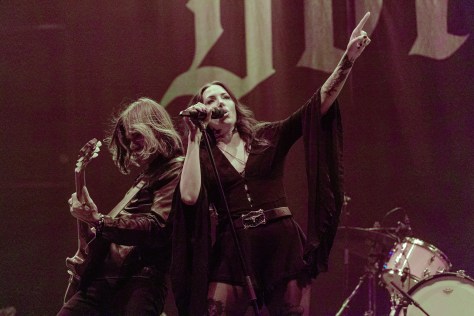
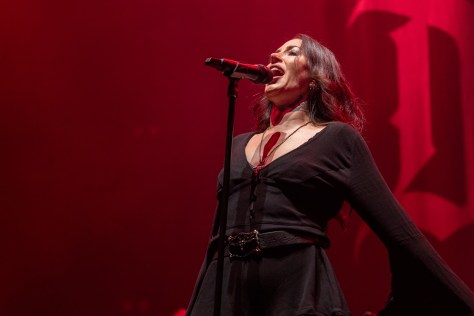
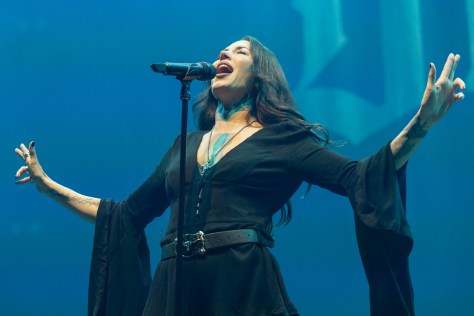
Ukrainian metal powerhouse JINJER brought its punishing live show to The Sylvee in Madison on Tuesday night as part of the band’s Duél North America 2026 tour.

Led by vocalist Tatiana Shmayluk, JINJER delivered its signature combination of progressive grooves, technical precision and raw intensity. The performance showcased the band’s latest era following the release of Duél, an ambitious album featuring tracks including “Someone’s Daughter,” “Fast Draw” and “Green Serpent.”

The evening also featured performances from Japanese metalcore band Crystal Lake and progressive death-metal group Entheos, creating a heavy and relentless lineup from beginning to end.

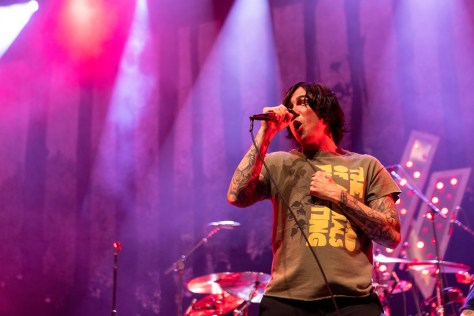
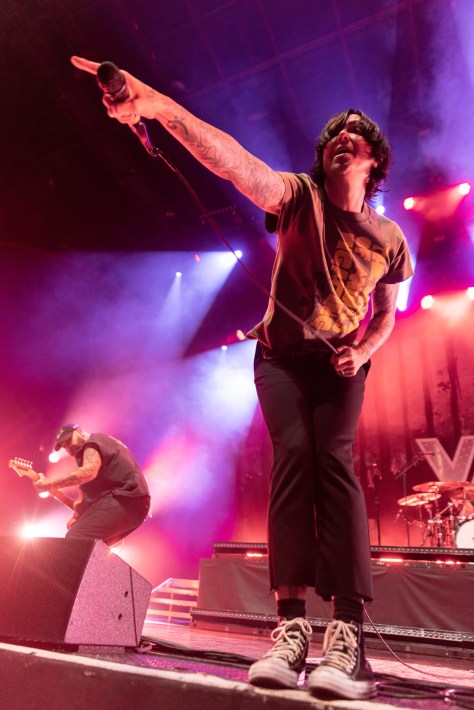
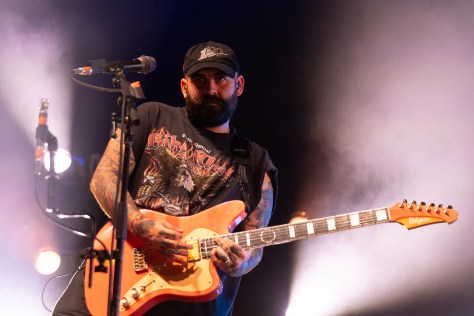
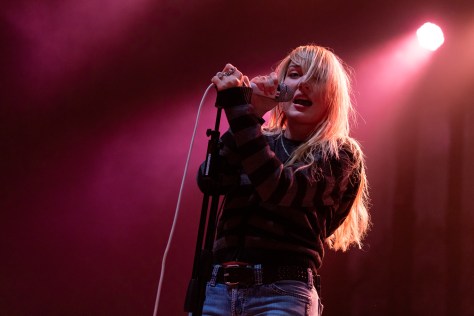
Photographer Deanna Glatczak was at The Sylvee to capture JINJER’s Madison performance. Check out our gallery from the show below.

Photos by Deanna Glatczak/The Early Registration

Three Hitmakers, One Huge Saturday: 10 Reasons Day 4 Delivered at Windy City Smokeout

Photo by Dan Garcia/The Early Registration

Day 4 of the 2026 Windy City Smokeout did not need any gimmicks.

Saturday’s main-stage lineup simply brought together three artists who have spent years mastering the type of immediately recognizable country songs that seem purpose-built for a festival crowd. Tyler Hubbard started the featured stretch at 4:45 p.m., Russell Dickerson followed at 6:30 p.m. and Jordan Davis occupied the 8:20 p.m. headlining slot.

Together, they represented three distinct but complementary versions of modern country music. Hubbard arrived with a newly established solo identity and one of the most commercially successful catalogs of the past decade behind him. Dickerson treated his performance like a Saturday-night party that happened to begin before sunset. Davis then closed the evening by combining radio-sized choruses with the personal, conversational songwriting that has powered his rise to headliner status.

Chicago provided nearly ideal conditions for the progression. Temperatures hovered in the mid-70s as the evening began and gradually cooled beneath mostly clear skies, giving the Smokeout crowd every reason to remain planted outside the United Center through the night.

Here are 10 reasons Tyler Hubbard, Russell Dickerson and Jordan Davis gave Windy City Smokeout one huge Saturday.

1. Tyler Hubbard proved his solo catalog can stand on its own

Tyler Hubbard will probably always receive one of his loudest reactions when he reaches back into his Florida Georgia Line catalog. That history is simply too successful—and too intertwined with an entire era of country music—to ignore.

But Hubbard’s Smokeout performance did not feel like a former group member surviving on nostalgia.

Songs such as “5 Foot 9,” “Dancin’ in the Country” and “Back Then Right Now” have given Hubbard a distinct identity beyond the duo that made him famous. His solo material maintains his instinct for big, uncomplicated hooks while revealing a more personal and settled performer.

The result was a set that could acknowledge the past without depending upon it. The Florida Georgia Line songs were highlights, but they were not the only reasons the crowd was invested.

2. “5 Foot 9” supplied an effortless festival singalong

Some choruses require encouragement. Others only need their opening notes.

“5 Foot 9” belonged firmly in the latter category.

Hubbard’s solo breakthrough has the easygoing familiarity of a song that listeners feel as though they have known far longer than they actually have. At Windy City Smokeout, its images of small-town life, romance and simple blessings translated naturally to a crowd spending its Saturday surrounded by country music, cold drinks and barbecue smoke.

The song did not need a dramatic introduction or elaborate production to create a moment. Its strength was its simplicity, allowing thousands of voices to take ownership of the chorus almost immediately.

3. The Florida Georgia Line songs still produced an enormous reaction

Hubbard may have demonstrated that his solo catalog is strong enough to carry a festival set, but there was no denying the response when he opened the Florida Georgia Line vault.

Those songs are more than former radio hits. They are time capsules from a period when Florida Georgia Line helped reshape the sound, image and commercial reach of mainstream country music.

For some fans, hearing songs such as “Cruise” and “This Is How We Roll” offered a dose of nostalgia. For others, they remained exactly what they were designed to be: giant festival songs with instantly recognizable hooks.

Hubbard handled the balance well. He did not run from the music that made him famous, nor did he allow it to overshadow everything he has built since. Instead, the older material became a celebration of his career’s first chapter within a set that demonstrated how successfully he has begun the next one.

4. Russell Dickerson brought the most relentless energy of the three featured sets

Russell Dickerson does not perform like an artist interested in conserving energy.

From the moment he arrived, Dickerson treated the stage as a space meant to be covered rather than occupied. He moved constantly, engaged every section of the audience and delivered each chorus as though the evening had already reached its climax.

That approach made him an ideal bridge between Hubbard’s afternoon performance and Davis’ nighttime headlining set.

Dickerson’s songs often combine romantic subject matter with polished, high-energy production, and his stage presence follows the same formula. Even when singing about devotion, marriage or lasting relationships, he rarely allows the performance to become stationary or overly sentimental.

It was country-pop showmanship without apology—and precisely what the middle of Saturday’s lineup needed.

5. “Blue Tacoma” was built for a warm Chicago evening

“Blue Tacoma” has always carried the atmosphere of an open road in the summertime.

Its imagery may be tied to the West Coast, but the feeling transferred easily to a pleasant July evening in Chicago. With the temperature still in the mid-70s around Dickerson’s scheduled performance time, the song found an environment that matched its breezy production and windows-down energy.

It also provided a useful change of pace within Dickerson’s otherwise explosive performance.

Rather than manufacturing another huge festival moment, “Blue Tacoma” allowed the crowd to settle into the evening. It was relaxed without losing momentum, nostalgic without feeling slow and familiar enough to inspire another widespread singalong.

Sometimes the setting elevates the song. At other times, the right song makes the setting feel even better. “Blue Tacoma” managed to accomplish both.

6. Dickerson made the middle of the lineup feel like the beginning of the Saturday-night party

The most difficult festival slot is not always the earliest or the latest.

Sometimes it belongs to the artist performing when the day needs to become the night—when people are arriving from the barbecue lines, finding friends in the crowd and deciding whether they are ready to fully commit to the evening.

Dickerson eliminated that indecision.

By the conclusion of his set, Saturday no longer felt like a collection of individual performances awaiting a headliner. It felt like a party already operating at full speed.

That transformation came from more than tempo. Dickerson’s greatest strength was his ability to make the audience feel involved in the performance rather than positioned in front of it. Every gesture encouraged participation, every familiar chorus became an invitation and every burst of movement reinforced the idea that standing still was not an option.

Jordan Davis would eventually close the night, but Dickerson made sure the celebration started well before Davis stepped onto the stage.

7. Jordan Davis proved that he belonged in the headlining slot

The difference between possessing enough hits to headline and actually commanding a headlining performance can be considerable.

Jordan Davis erased that distinction Saturday.

Davis’ rise has been steady rather than sudden, built through a growing collection of songs that have expanded both his audience and his artistic identity. Earlier hits introduced him as a reliable voice on country radio. Later songs revealed greater depth, more detailed storytelling and a willingness to let quieter emotions occupy enormous spaces.

At Windy City Smokeout, those different phases of his career came together.

The recognizable singles gave Davis the necessary scale, while his relaxed confidence gave the performance authority. He did not approach the slot like someone auditioning to become a festival headliner. He performed like someone who already understood the responsibility.

Saturday was not simply an opportunity for Davis to occupy the largest name on the daily lineup. It was evidence that his career has grown to fit it.

8. “Buy Dirt” created one of Saturday’s biggest communal singalongs

“Buy Dirt” is not constructed like a conventional festival anthem.

It does not rely on pounding production, a party-centered premise or a chorus designed around the easiest possible phrase. Instead, the song asks listeners to think about family, faith, love, time and the type of life they hope to build.

Yet those qualities are exactly what made it feel so large at Windy City Smokeout.

The crowd did not merely recognize the words. Fans sang them with the conviction of people who had attached their own memories and priorities to the song. What began as Davis’ meditation on a meaningful life became a shared statement stretching across the festival grounds.

Its impact also demonstrated why Davis has become such an effective headliner. He can produce a massive response without demanding that every moment become louder than the one before it.

Sometimes the most powerful point in a festival performance comes when the audience is not shouting at the artist, but singing alongside him.

9. Davis’ conversational delivery made the festival grounds feel smaller

Jordan Davis’ songs often succeed because they sound like stories being shared rather than statements being delivered.

He carried that quality into his performance.

Even while addressing one of the largest crowds of the day, Davis maintained the ease of someone talking across a table or from the opposite side of a campfire. That conversational presence helped connect songs about relationships, families and everyday decisions to an audience spread across a massive outdoor space.

It also provided an effective contrast to the artist who preceded him.

Dickerson reached the crowd through constant movement and unmistakable physical energy. Davis pulled listeners closer by appearing comfortable enough not to force every interaction. His pauses, stories and unhurried delivery gave the performance breathing room.

Windy City Smokeout may have taken place in the shadow of the United Center, but Davis repeatedly made the grounds feel far more intimate.

10. The three-artist run captured three different sides of mainstream country

Saturday’s featured lineup worked because Tyler Hubbard, Russell Dickerson and Jordan Davis were similar enough to share an audience but different enough to avoid redundancy.

Hubbard represented the connection between modern country’s recent past and its current direction. His set combined the Florida Georgia Line songs that helped define an era with solo material proving that he has established a viable second act.

Dickerson supplied pure showmanship. His romantic songs arrived with pop-country polish, relentless movement and the energy necessary to push the festival from the afternoon into Saturday night.

Davis completed the progression with a performance rooted in storytelling. His headlining set demonstrated that thoughtful songs about ordinary lives can still create extraordinary festival moments when enough people recognize themselves within them.

Three artists. Three approaches. One remarkably cohesive stretch of country music.

Windy City Smokeout still had another full day remaining, but Hubbard, Dickerson and Davis made certain that Saturday would be difficult to top.

Heart Like a Headliner: 8 Reasons Lainey Wilson Owned Windy City Smokeout

Photo by Dan Garcia/The Early Registration

Windy City Smokeout has always celebrated country music in all its forms, but there was little doubt about which direction the festival was headed on its third day.

The bell bottoms, cowboy hats and Lainey Wilson shirts seemingly multiplied as her headlining performance drew closer. By the time Wilson finally stepped onto the stage, she had a crowd ready to sing, dance and hang on every word from one of country music’s most recognizable personalities.

Wilson’s performance contained plenty of the toughness, humor, vulnerability and unmistakable country spirit that have carried her from years of struggling in Nashville to the top of the genre. It also included one especially adorable birthday surprise for a six-year-old fan named Wrigley.

Here are eight reasons Lainey Wilson owned Day 3 of Windy City Smokeout.

1. She showed exactly why she has become a festival headliner

There is a significant difference between an artist who performs at a festival and one capable of bringing the entire day to its natural conclusion. Wilson left little doubt that she belongs in the second category.

Her songs were already familiar enough to inspire massive singalongs, but the performance was about more than simply running through a collection of hits. Wilson carried herself with the confidence of someone who knew thousands of people had spent the entire afternoon waiting for her arrival.

She commanded the large outdoor stage without allowing its size to overwhelm the personality at the center of the show. Wilson looked completely comfortable with the responsibility that accompanied her name sitting at the top of the day’s lineup.

Her rise may have happened quickly from the audience’s perspective, but Friday’s performance felt like the reward for a much longer journey. Wilson did not merely occupy the headlining slot. She made it feel earned.

2. Her voice had enough grit to cut through an outdoor festival

Wilson owns one of the most immediately identifiable voices in modern country music.

That Louisiana drawl remained unmistakable throughout the night, but it was the strength behind it that allowed her songs to fill the sprawling festival grounds. Her voice could be weathered and forceful one moment before becoming delicate and reflective the next.

That contrast is essential to Wilson’s appeal. She does not need to sand away the rougher edges of her voice to reach a wider audience. Those edges are exactly what make the emotional moments convincing.

Even with a full band, a large crowd and all the distractions that accompany an outdoor festival, Wilson’s vocals remained the defining sound of the performance.

3. Her personality was nearly as important as the music

Wilson’s songs may have brought the crowd to Windy City Smokeout, but her personality helped turn the performance into something more personal.

She carried herself like a major country star without creating distance between herself and the audience. Her humor, warmth and conversational approach made it feel as though the crowd was getting to know the person behind the bell bottoms rather than watching a carefully guarded celebrity.

That quality can be difficult to maintain as stages and audiences grow larger. Wilson, however, still communicates with the openness of an artist playing to a much smaller room.

The crowd did not simply respond to her biggest choruses. Fans reacted to her stories, expressions and interactions because Wilson made those moments feel sincere rather than rehearsed.

4. She balanced toughness with vulnerability

Wilson’s catalog works because it never forces listeners to choose between strength and sensitivity.

She can deliver a song filled with independence and swagger before turning around and exposing the uncertainty, heartbreak or nostalgia underneath that confidence. Neither side feels like a character she has temporarily adopted.

Wilson’s toughest songs carried extra force in front of a festival crowd, but the quieter moments revealed just as much about her as a performer. She understood when to push forward with the full power of her band and when to give a song enough space to breathe.

That balance made the performance feel complete. Wilson did not spend the entire night trying to prove how fearless she was. She showed that honesty and vulnerability can be their own forms of strength.

5. “Things a Man Oughta Know” reminded everyone where the breakthrough began

Before Wilson was closing major country festivals, “Things a Man Oughta Know” helped introduce audiences to the songwriting perspective that would eventually take her there.

The song remains one of the clearest examples of what separates Wilson from countless other artists. Its message is direct, but its strength comes from the details and experience contained inside it.

At Windy City Smokeout, the song connected Wilson’s current headlining status to the music that first made listeners pay attention. The performance carried the familiarity of a breakthrough hit without sounding like Wilson was simply revisiting an earlier chapter of her career.

It remains central to who she is: resilient, practical, thoughtful and unwilling to mistake emotional maturity for weakness.

6. “Watermelon Moonshine” supplied the perfect summer-night nostalgia

Few songs were better suited for a warm evening at an outdoor country festival than “Watermelon Moonshine.”

The song offered a softer and more reflective moment, replacing some of the performance’s swagger with memories of young love and summers that feel increasingly distant with each passing year.

Wilson’s storytelling allowed the crowd to picture the song rather than merely hear it. Even listeners without an identical memory could recognize the feeling of looking back at a relationship that has become inseparable from a particular time and place.

Surrounded by thousands of fans beneath the Chicago sky, “Watermelon Moonshine” felt both intimate and communal. Everyone may have been remembering something different, but they were remembering it together.

7. Six-year-old Wrigley became the Cowgirl of the Night

The evening’s most heartwarming moment belonged to a six-year-old fan with an especially fitting Chicago name.

Wilson brought Wrigley onstage as her Cowgirl of the Night, making the experience even more memorable by celebrating the young fan’s birthday. Wrigley received a hat from Wilson, although it was large enough that she may need a few years before it fits properly.

That only made the gift more endearing. It became something Wrigley could grow into—and a keepsake connected to a birthday that will be nearly impossible to top.

The interaction demonstrated why Wilson’s personality resonates so strongly with her audience. She understood that briefly sharing the spotlight would mean everything to one young fan while giving the rest of the festival a moment worth remembering.

There were louder moments Friday night, but none were sweeter.

8. Lainey Wilson is about as country as country gets

Country music continues to expand, pulling influences from pop, rock, hip-hop and nearly every other corner of popular music. Wilson can succeed within that modern landscape without anyone questioning where her heart belongs.

From her Louisiana accent and bell-bottom style to her stories of small towns, hard lessons, horses, heartbreak and perseverance, Wilson is country through and through.

Most importantly, none of it feels manufactured. Her image supports the music rather than distracting from it. The clothes, phrases and cowboy imagery would mean little without the voice, songwriting and personality necessary to make them believable.

Wilson respects country tradition without becoming trapped inside it. She can sound familiar without sounding dated and contemporary without abandoning the qualities that initially defined the genre.

Windy City Smokeout did not merely receive a performance from one of country music’s biggest current stars. It received a show from an artist who embodies the music and culture the festival was created to celebrate.

By the end of Day 3, Wilson had supplied the hits, the vocal power, the humor and the heart expected from a headliner. She also gave Wrigley a birthday gift that may finally fit by the time another generation of country stars is ready to take the stage.

For now, however, that stage belongs to Lainey Wilson.

Only Wanna Be at Windy City Smokeout: 7 Reasons Day 2 and Hootie& the Blowfish Delivered

Photo by Dan Garcia/The Early Registration

Windy City Smokeout may be built around country music, smoked meats and cold drinks, but Day 2 demonstrated that its musical borders are wide enough to accommodate one of the most successful pop-rock bands of the 1990s.

Hootie & the Blowfish headlined Thursday night’s festivities outside Chicago’s United Center, delivering a nostalgia-heavy performance without allowing nostalgia to become the entire point. Earlier in the evening, Scotty McCreery brought his unmistakably deep voice and traditional-country sensibilities to the stage before creating the day’s defining surprise: the first live performance of his hit collaboration with Hootie & the Blowfish, “Bottle Rockets.”

From enormous choruses to an unexpected onstage reunion, here are seven reasons Day 2 of Windy City Smokeout delivered.

1. Hootie & the Blowfish remain one of music’s greatest singalong bands

Some artists have popular songs. Hootie & the Blowfish have songs that seem to activate an entire crowd within their opening notes.

The band’s catalog is filled with the type of choruses that listeners do not merely recognize—they instinctively join. Decades after songs such as “Hold My Hand,” “Let Her Cry” and “Only Wanna Be With You” first dominated the radio, their words remain embedded in the memories of fans who grew up with Cracked Rear View.

That familiarity made Hootie’s headlining performance especially well suited for a festival. Even attendees who may not have considered themselves devoted fans knew considerably more of the set than they might have expected.

When the biggest choruses arrived, the crowd did not need an invitation to participate. Thousands of voices transformed the performance into something resembling a reunion between old friends—even when many of those friends had never met before Thursday night.

2. Darius Rucker’s unmistakable voice still carries the show

Hootie & the Blowfish would not sound like Hootie & the Blowfish without Darius Rucker’s voice.

His rich baritone remains one of the most recognizable instruments to emerge from 1990s rock. Warm enough to sell the band’s most sentimental material and powerful enough to rise above its guitars, Rucker’s vocals gave every familiar song its signature character.

That voice has aged particularly well. Rather than attempting to recreate the exact sound of the band’s earliest years, Rucker performed the material with the depth of someone who has spent decades living alongside it.

The result was comforting without feeling overly polished. As soon as Rucker began singing, the festival grounds could have been almost anywhere: a country festival in Chicago, a summer amphitheater or a car with Cracked Rear View playing through its speakers.

3. The performance proved nostalgia does not have to feel like a novelty act

Nostalgia was undeniably part of Hootie & the Blowfish’s appeal Thursday night. For many fans, the performance offered an opportunity to revisit songs connected to high school, college, family road trips or the seemingly endless radio rotation of the 1990s.

But the set did not feel like a band simply cashing in on memories.

Hootie & the Blowfish still performed like a working group rather than a collection of musicians assembled to reproduce old recordings. The songs were treated as living pieces of the band’s catalog, not museum exhibits that needed to be preserved exactly as they sounded three decades ago.

There was comfort in hearing the hits, but there was also substance behind them. The performance reminded the crowd why the music became so successful in the first place: strong melodies, instantly memorable hooks and a band whose chemistry has always felt refreshingly unforced.

Nostalgia may have drawn some fans to the stage, but the performance gave them more than nostalgia in return.

4. Hootie brought welcome rock energy to a country festival

Windy City Smokeout has increasingly shown that country music does not need to exist inside rigid boundaries. Hootie & the Blowfish pushed those boundaries further by bringing a rootsy pop-rock sound to the festival’s Thursday-night headlining slot.

Their guitars gave the evening a different texture from the more traditionally country performances heard earlier in the day. The change never felt disruptive, though. Hootie’s music shares enough DNA with country—storytelling, acoustic foundations and melodies designed for communal singing—that the band fit comfortably into the Smokeout atmosphere.

At the same time, the group’s rock energy helped distinguish Thursday from the festival’s other days. It provided a refreshing reminder that a strong country festival can become more interesting, not less authentic, when its lineup leaves room for complementary sounds.

Hootie may not fit every narrow definition of a country band, but on Thursday night, the group certainly looked at home.

5. Darius Rucker’s country career made Hootie a natural Smokeout headliner

Had Hootie & the Blowfish appeared at a country festival during the height of the band’s initial success, the booking might have seemed unexpected.

That is no longer the case.

Rucker’s enormously successful country career has connected two major chapters of his musical life. Fans who first discovered him through Hootie now stand beside younger listeners who may know him best through his solo hits and his version of “Wagon Wheel.”

That crossover made Hootie uniquely qualified to headline Windy City Smokeout. The band could satisfy fans looking for 1990s favorites while remaining relevant to an audience accustomed to hearing Rucker on country radio.

Instead of feeling like an artist borrowed from another genre, Hootie felt like part of the extended country family. Rucker’s career has made the distance between those musical worlds seem considerably smaller than it once did.

6. Scotty McCreery’s baritone sounded even bigger in person

Long before Hootie & the Blowfish took the stage, Scotty McCreery gave the crowd one of Thursday’s most distinctly country performances.

McCreery possesses a voice that is almost impossible to mistake for anyone else’s. His low, resonant baritone immediately gave his set an identity of its own, cutting through the open-air festival environment with clarity and authority.

That voice has always made McCreery sound older than his years, but his performance demonstrated the confidence and control that have come with experience. He no longer feels defined by the television competition that introduced him to a national audience. He carries himself like an established country performer with a substantial catalog and a clear understanding of what his audience wants.

The depth of his vocals also created a compelling contrast with Rucker’s later performance. Day 2 featured two of popular music’s most recognizable baritones, each approaching country music from a different direction.

7. Scotty McCreery and Hootie & the Blowfish made “Bottle Rockets” history

The most memorable moment of Day 2 arrived before Hootie’s headlining set had even begun.

During his performance, McCreery welcomed Hootie & the Blowfish to the stage for “Bottle Rockets,” marking the first time the artists had performed their collaboration together in concert.

The song was already a natural fit for the festival. Its easygoing, summertime energy matched an event built around live country music, barbecue and spending an entire day outdoors with friends. Hearing it performed by McCreery alone would have worked perfectly well.

Bringing out Hootie, however, elevated it from another song in the set to a genuine festival moment.

The collaboration also tied the day’s two biggest performances together. Rather than Scotty McCreery’s set ending and Hootie’s beginning as completely separate attractions, “Bottle Rockets” created a bridge between them. It rewarded fans who arrived early, generated anticipation for the headliner and delivered something that could not simply be replicated at the next tour stop.

Festivals are at their best when they produce moments made possible by having so many artists gathered in one place. On Thursday, Windy City Smokeout gave Chicago exactly that.

Hootie & the Blowfish may have supplied the familiar songs that closed the evening, but their surprise appearance with McCreery ensured that Day 2 also offered something entirely new.