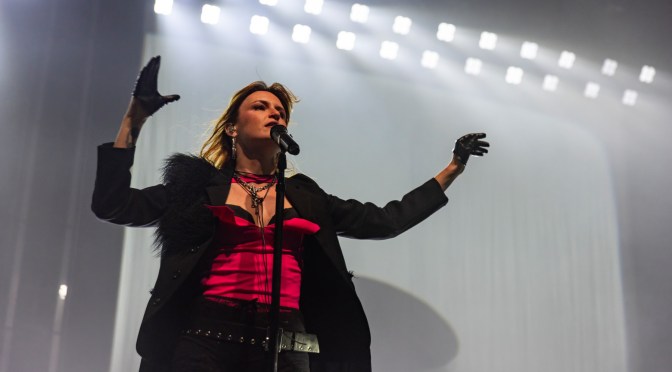
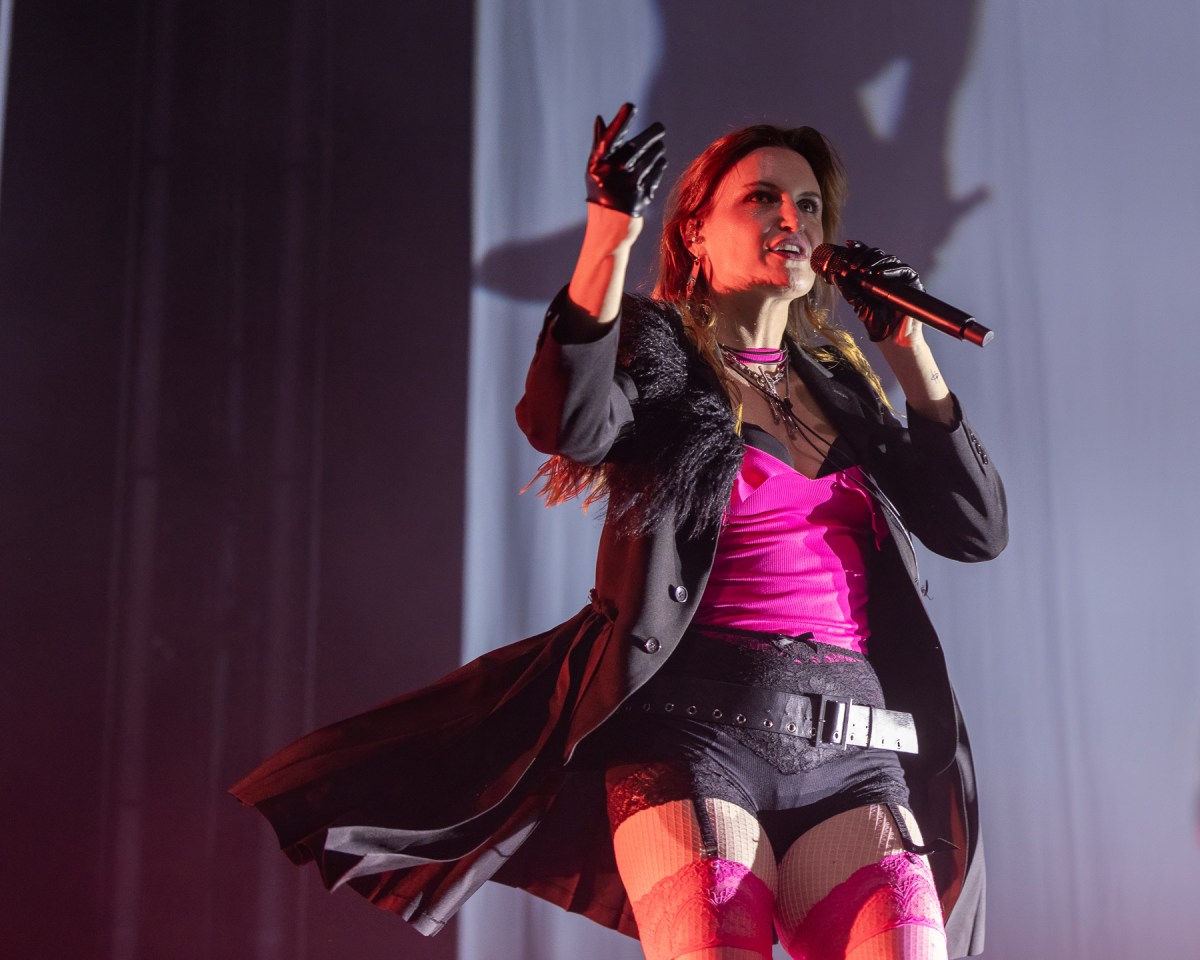
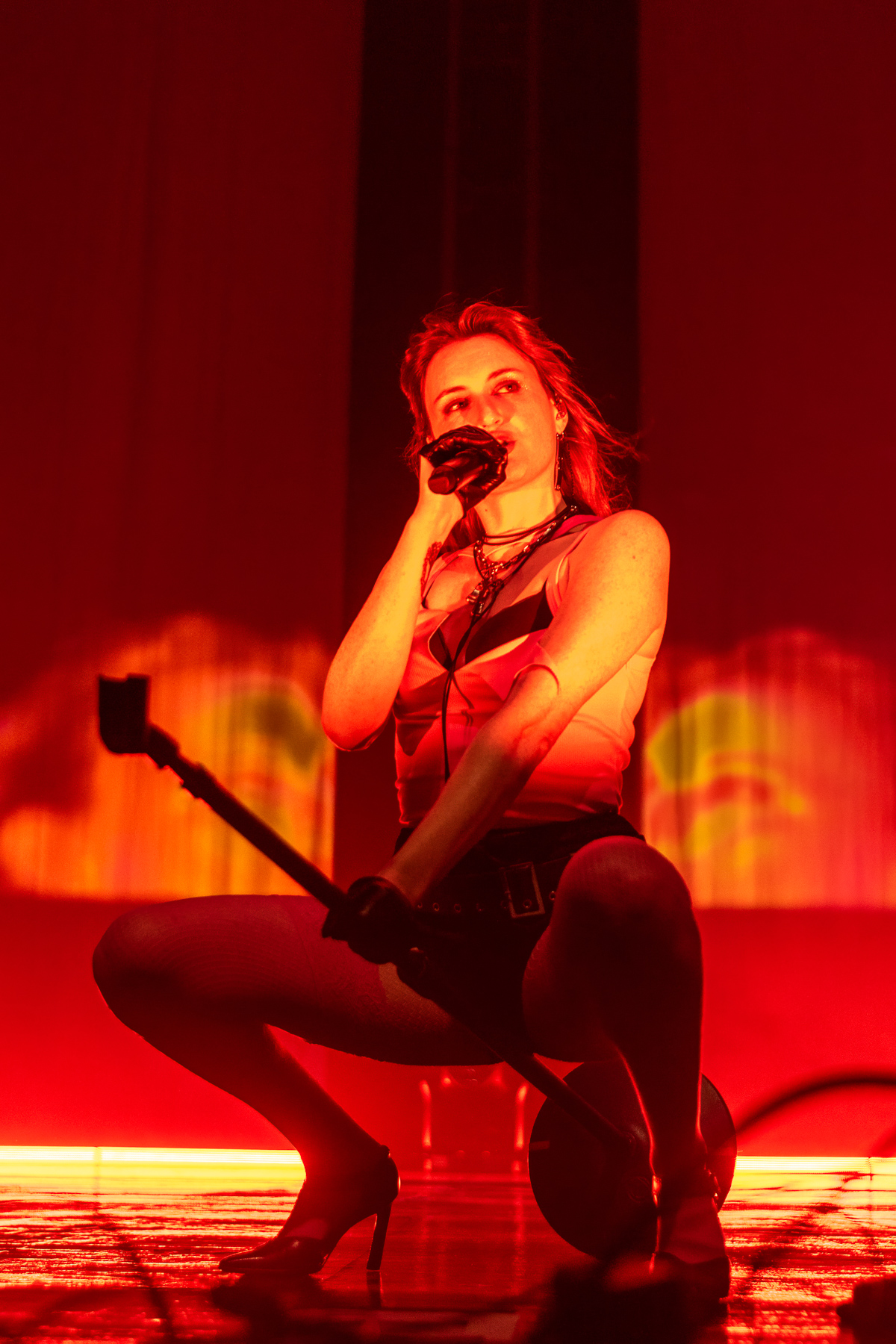
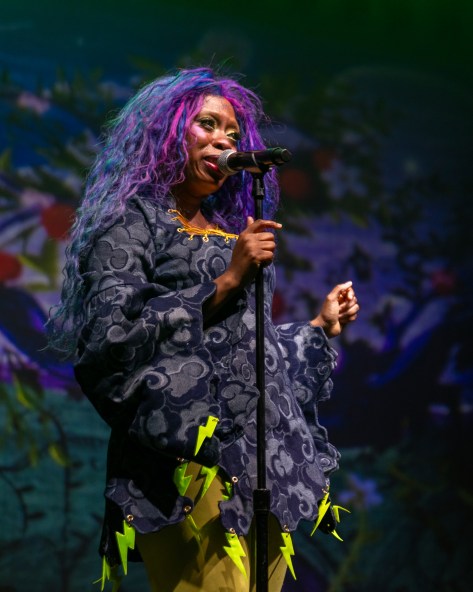
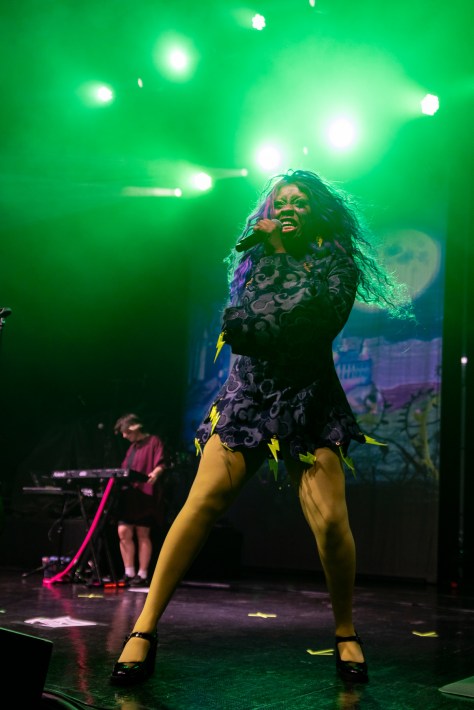
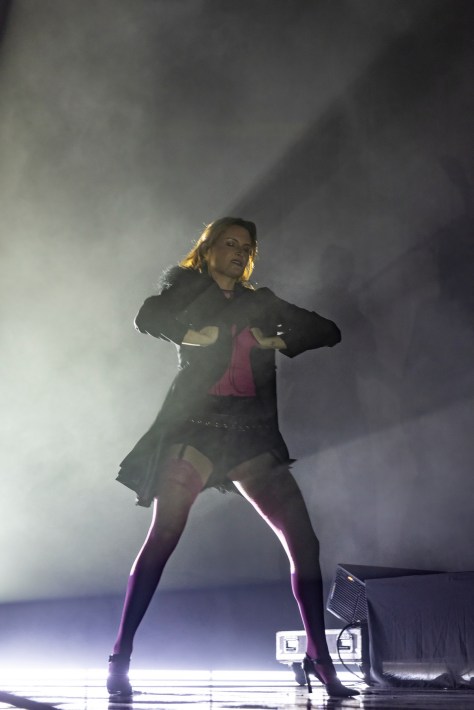
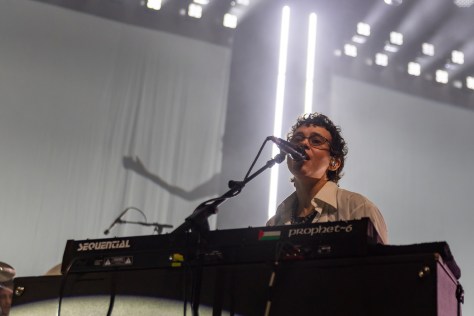
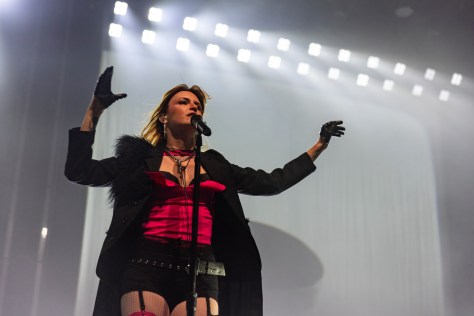
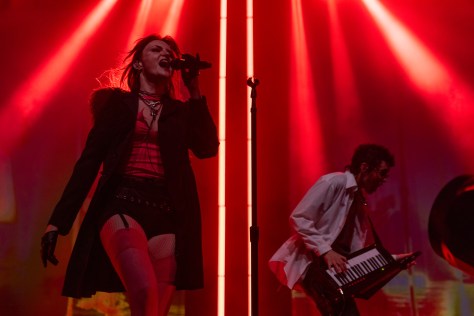
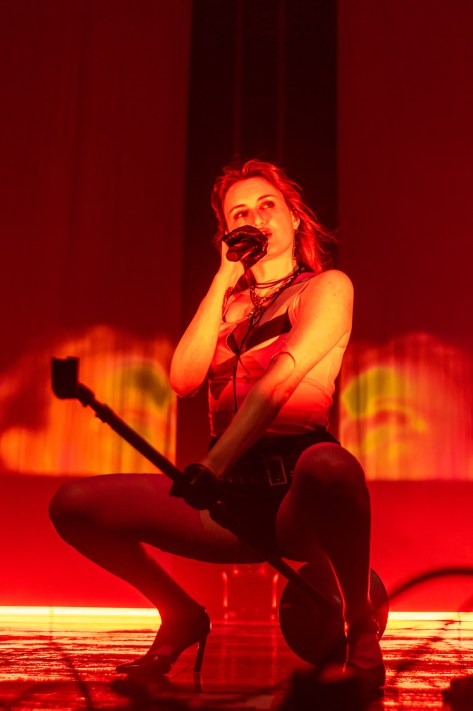
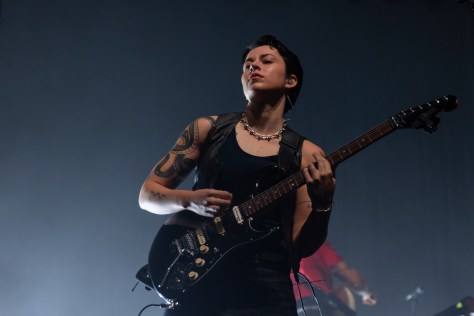
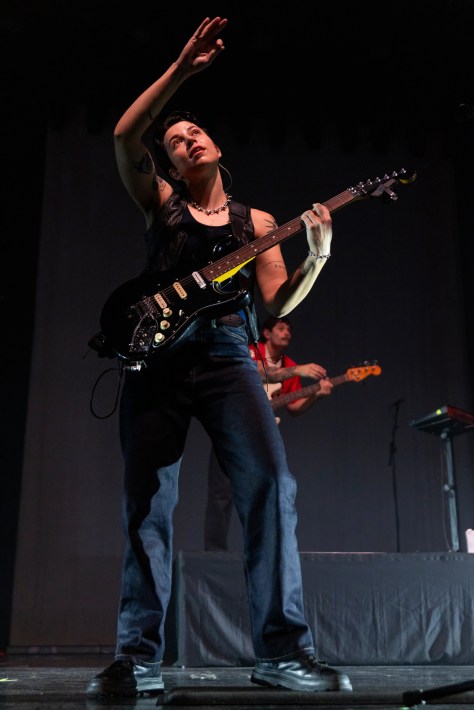
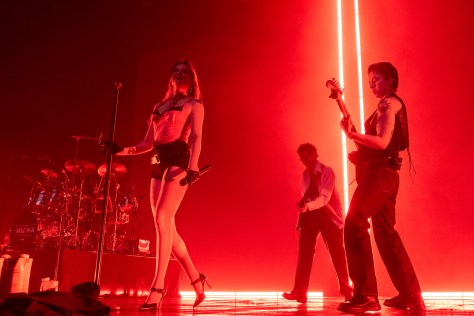
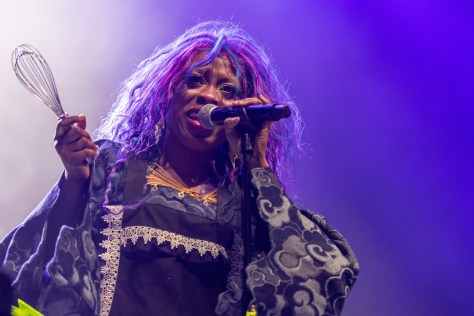
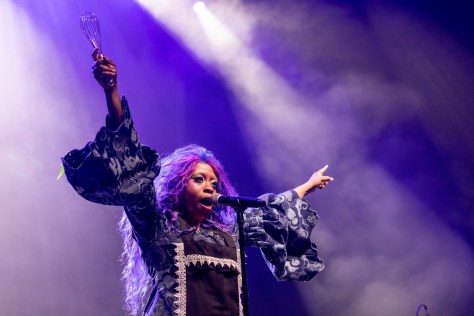
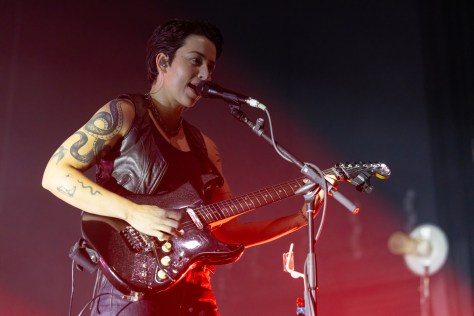
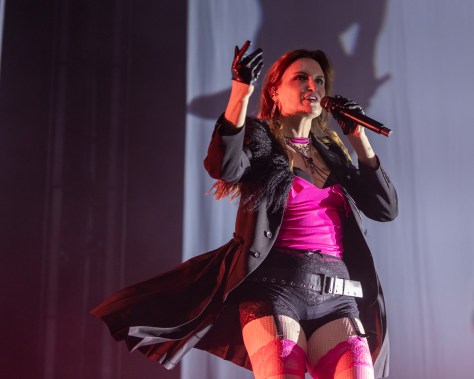
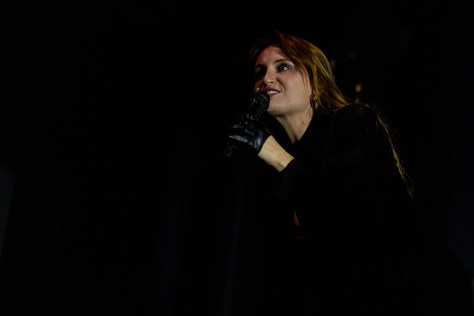
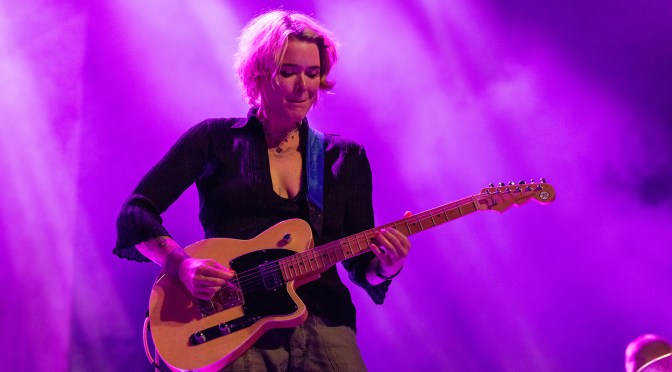
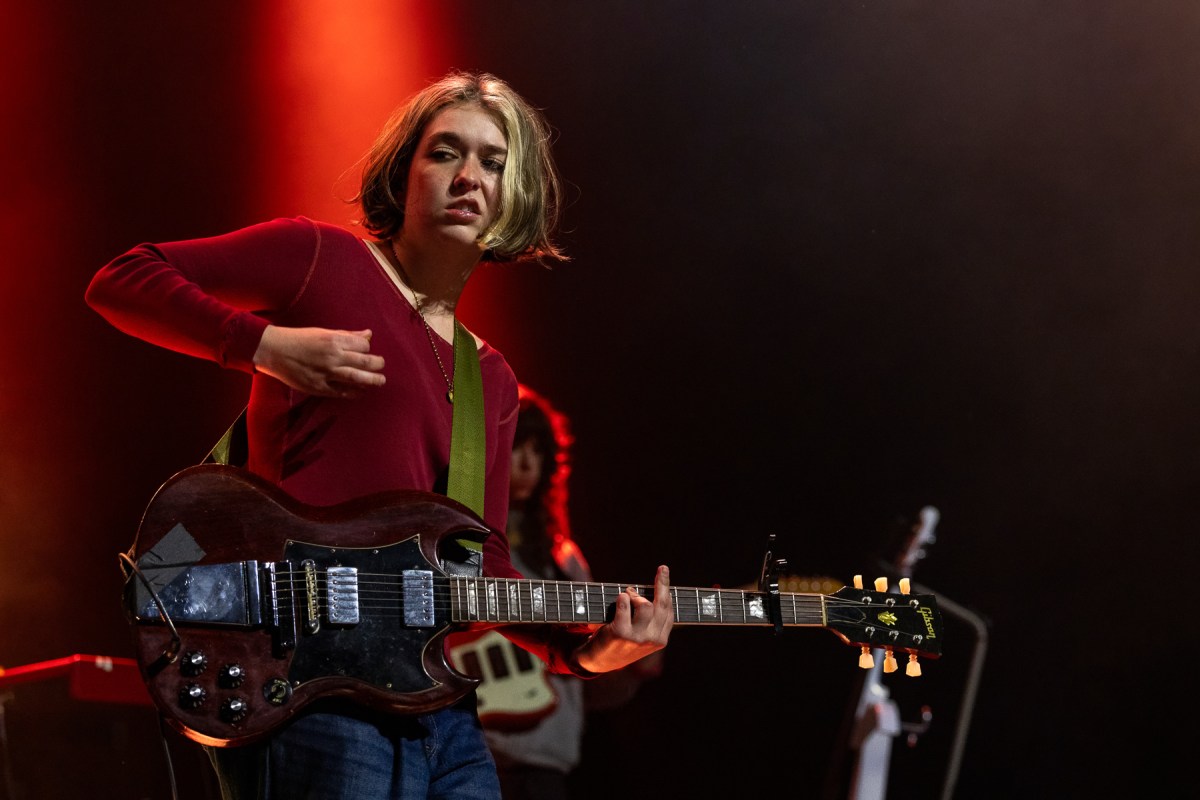
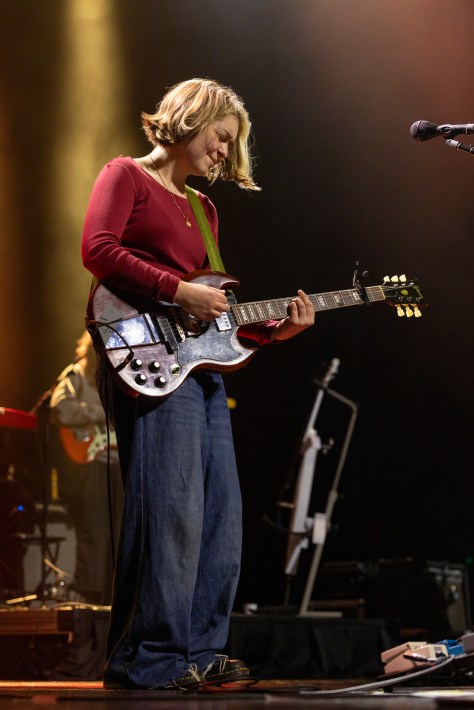
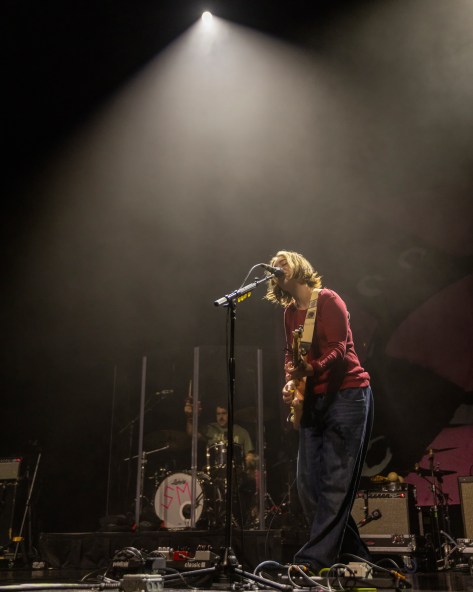
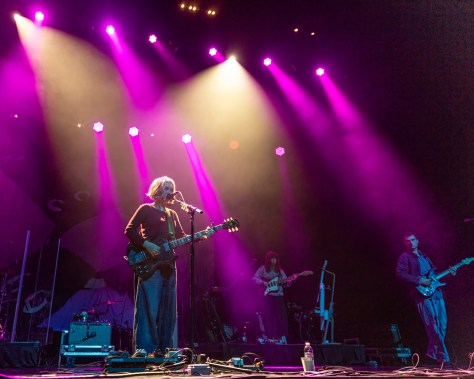
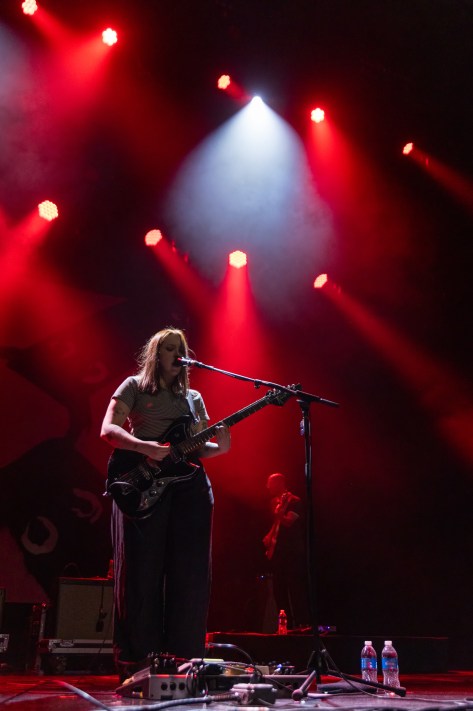
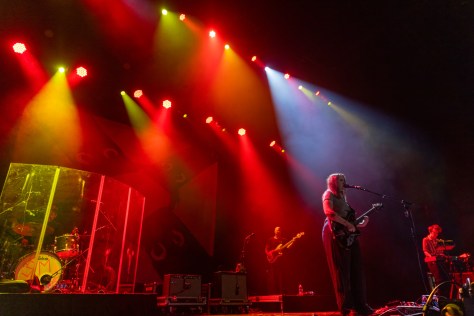
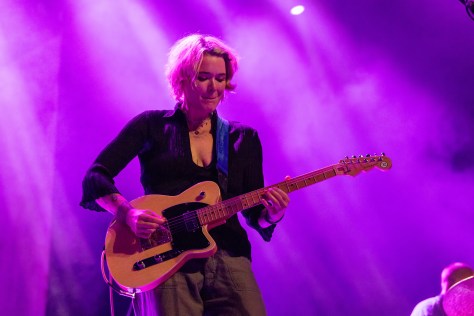
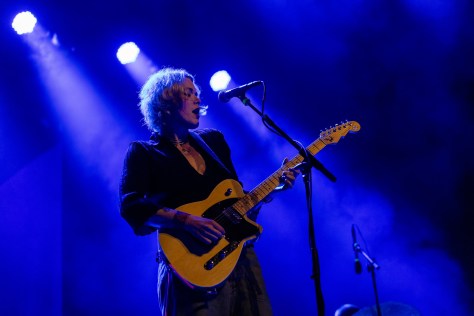
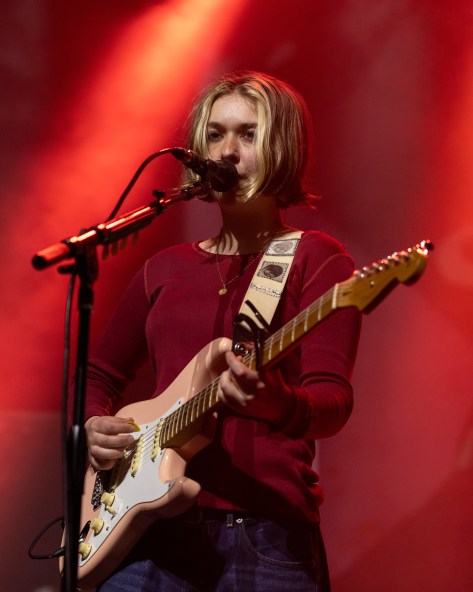
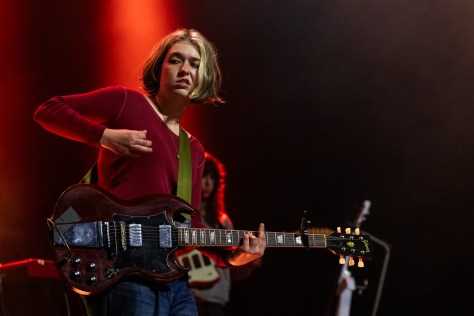
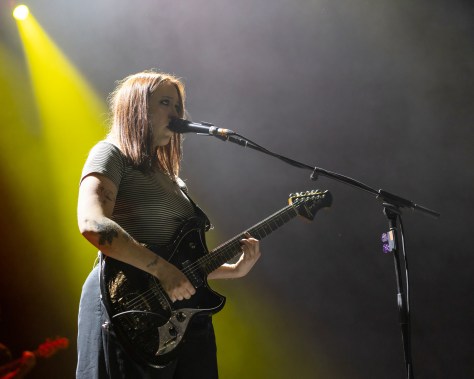
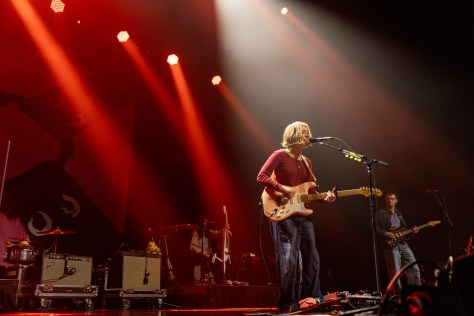
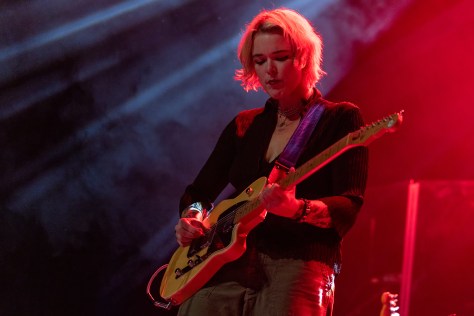
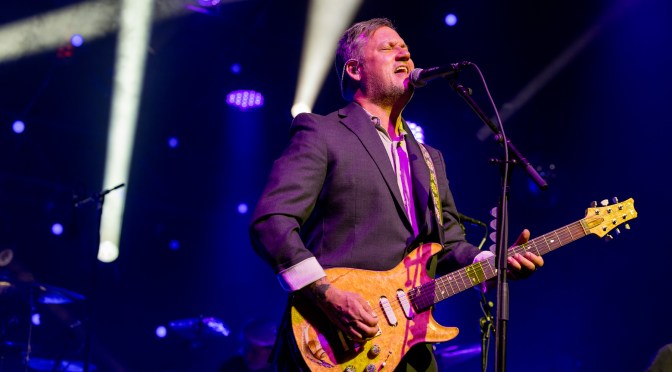
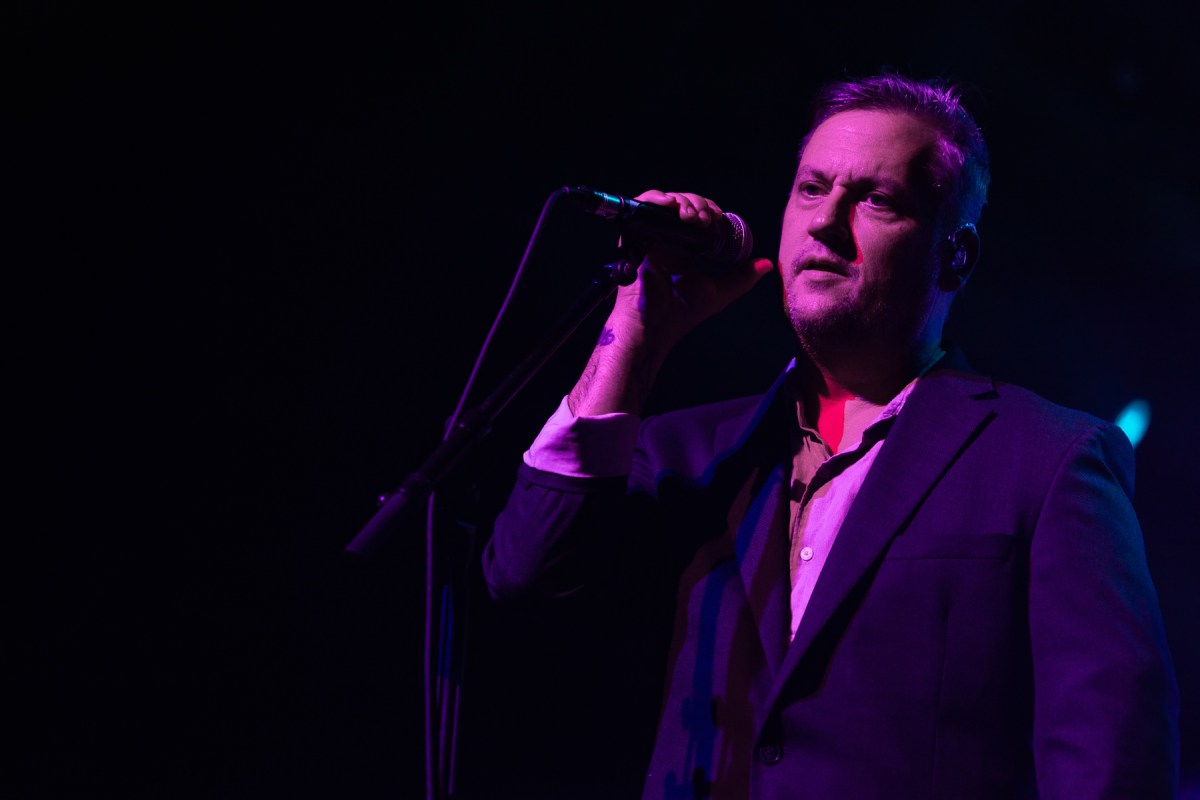
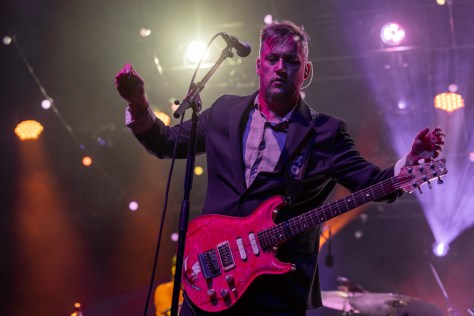
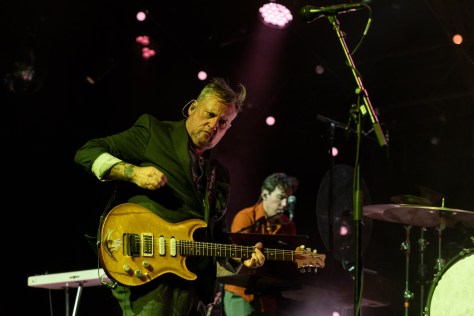
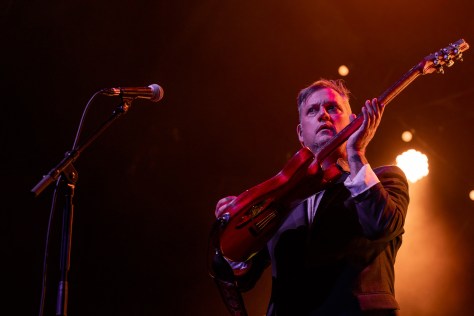
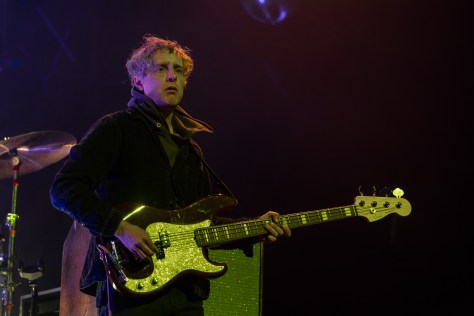
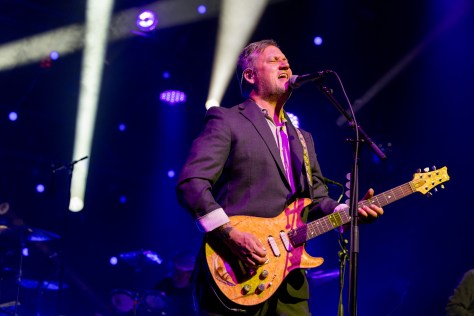
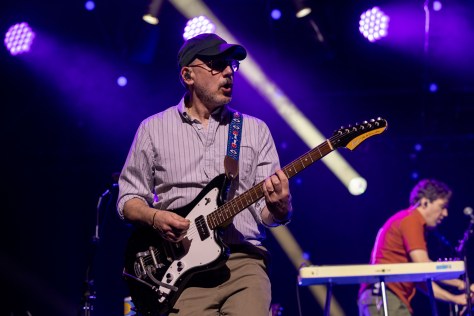
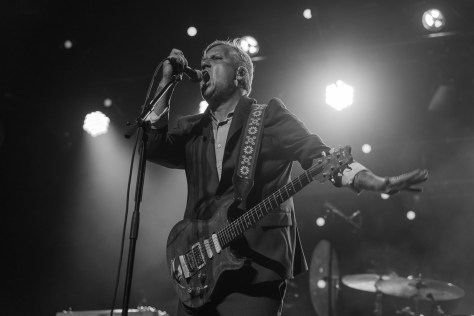
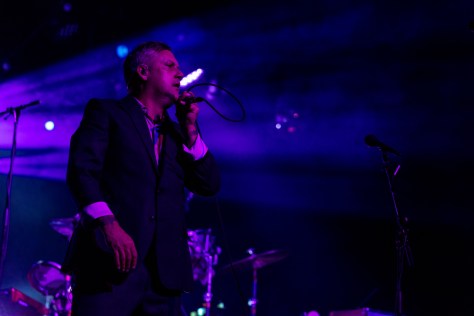
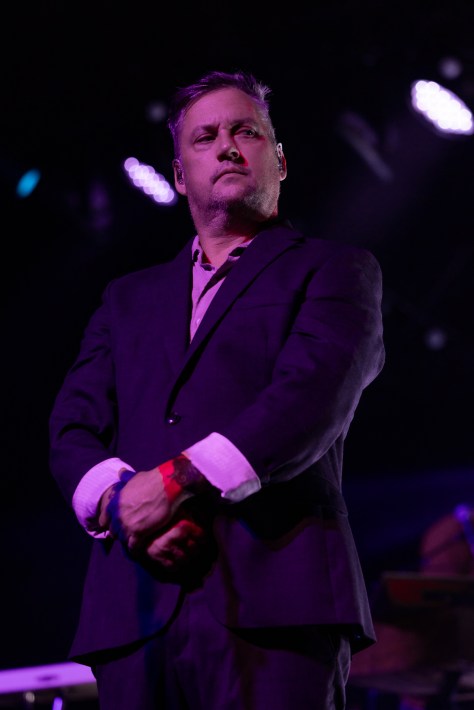
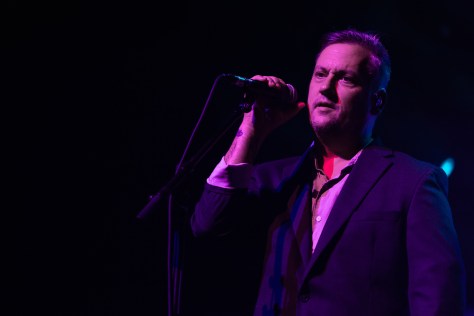
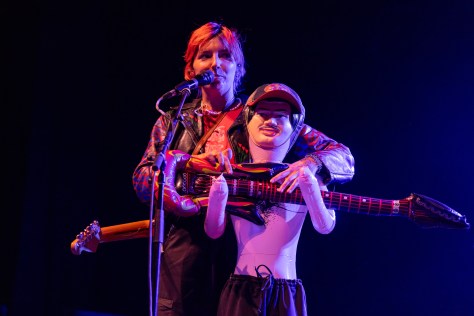
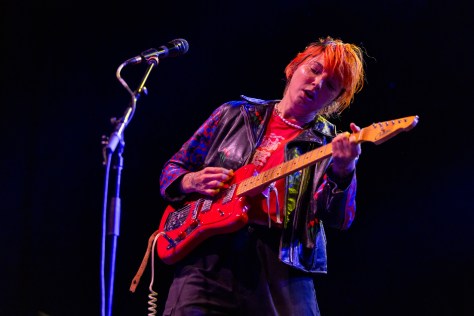
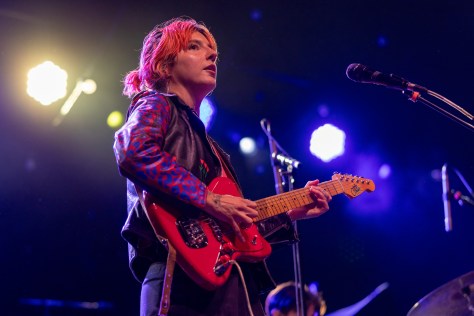
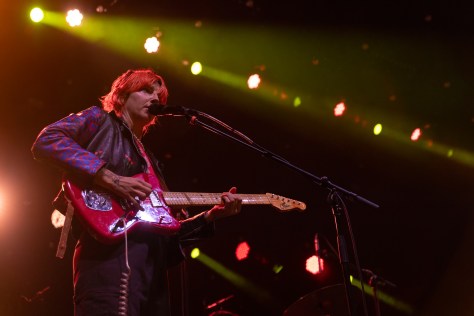
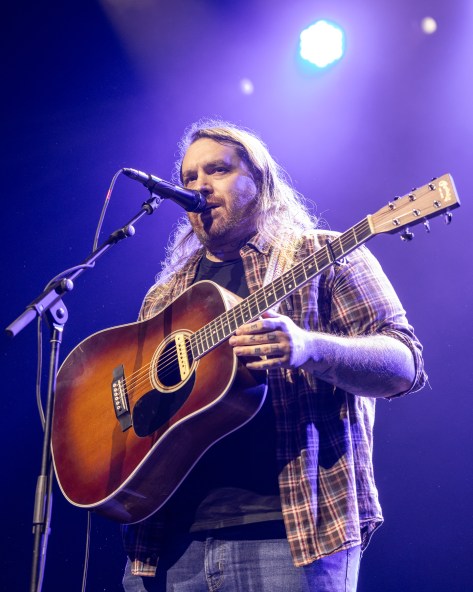
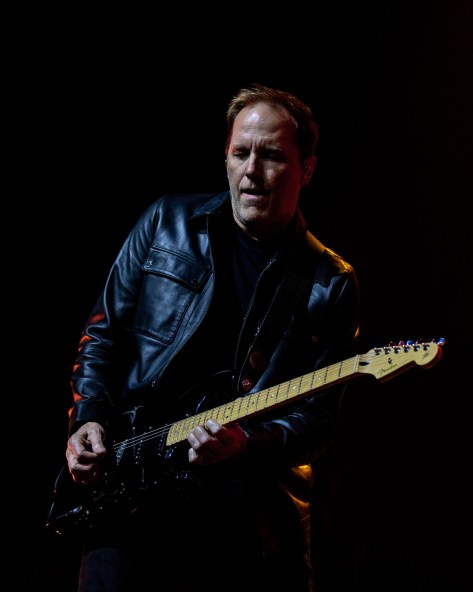
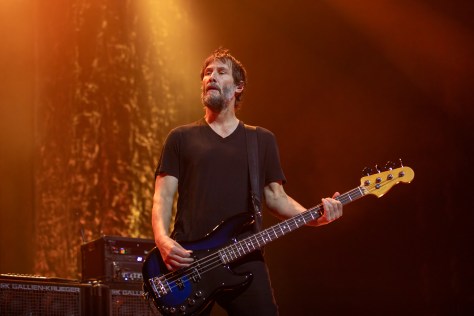
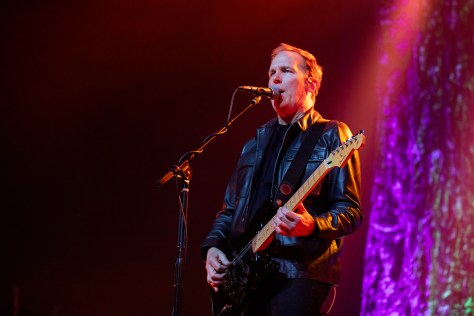
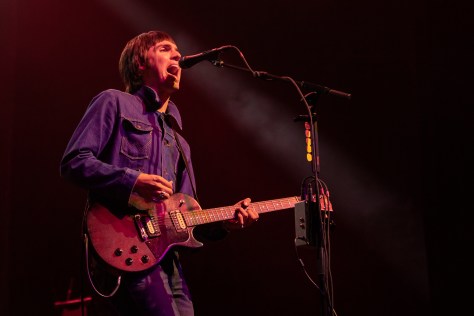
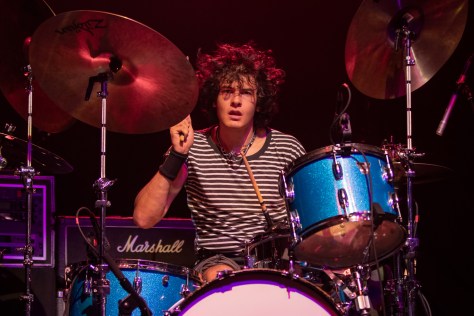
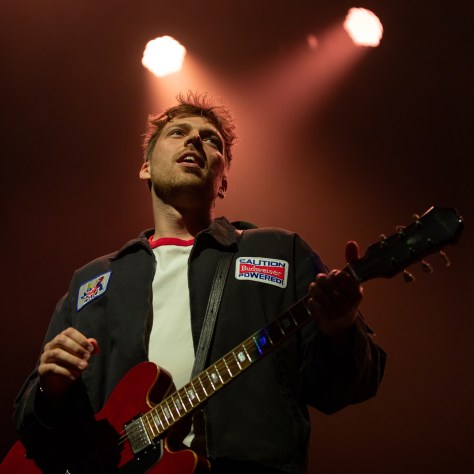
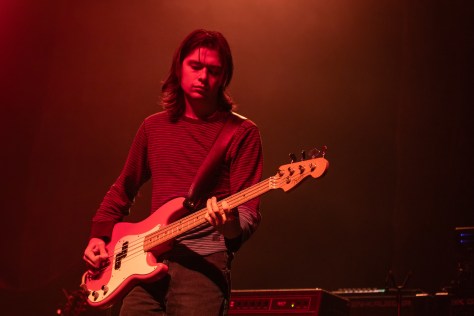
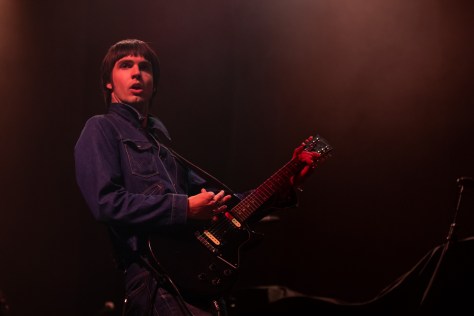
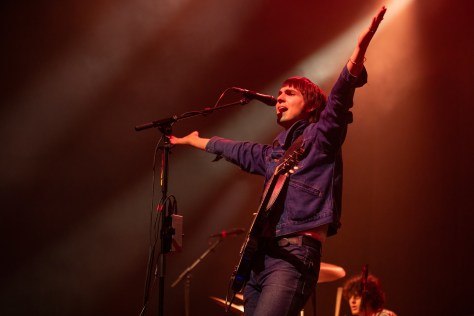
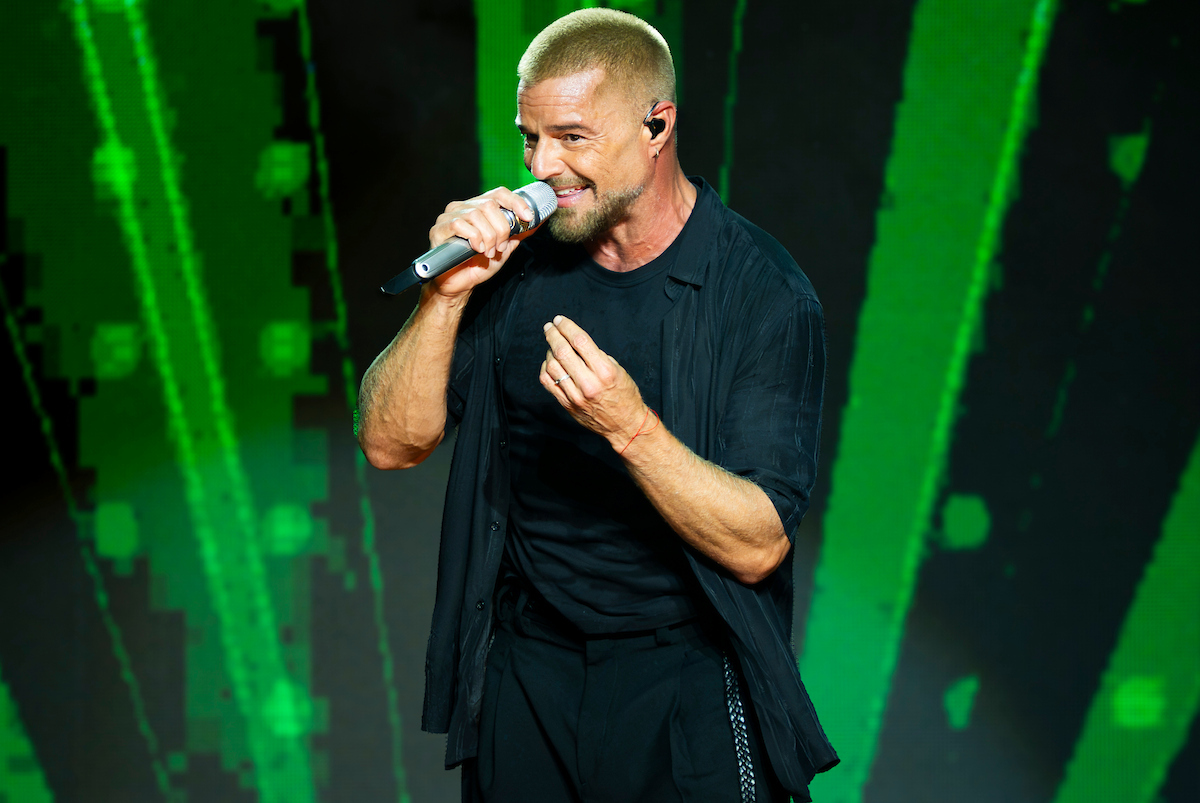
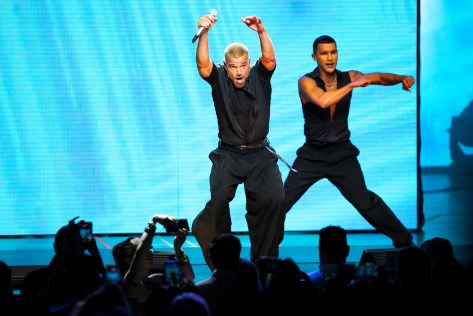
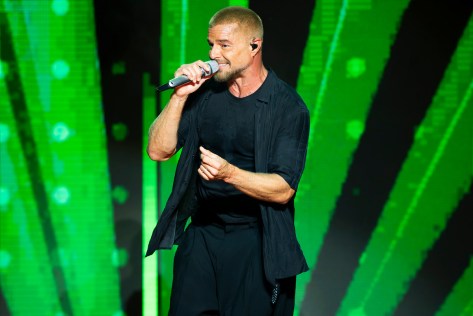
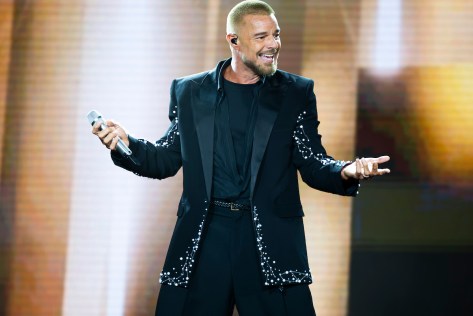
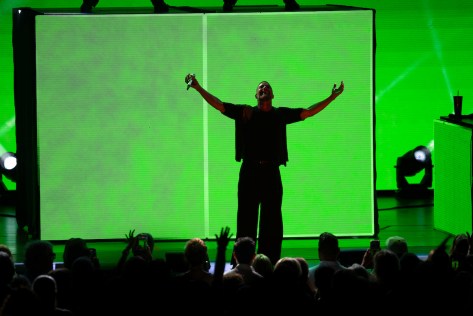
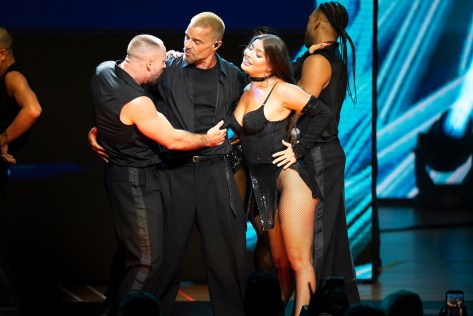
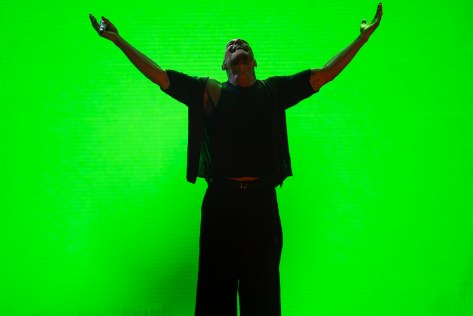
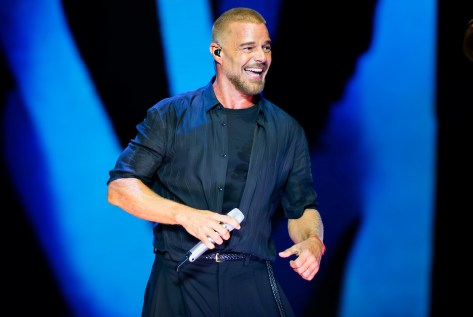
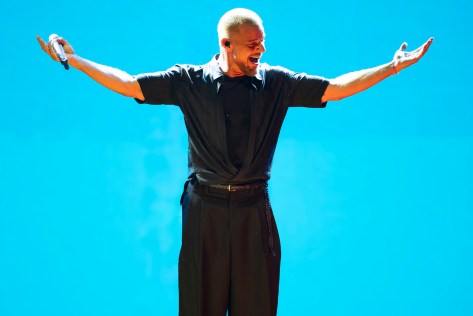
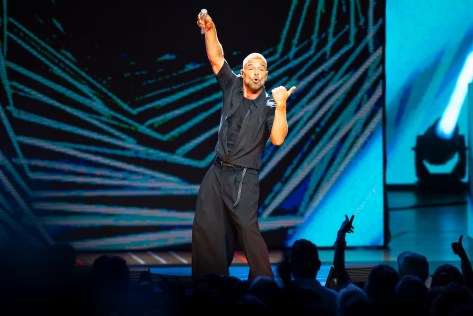
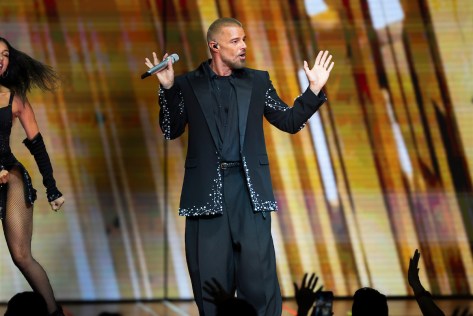
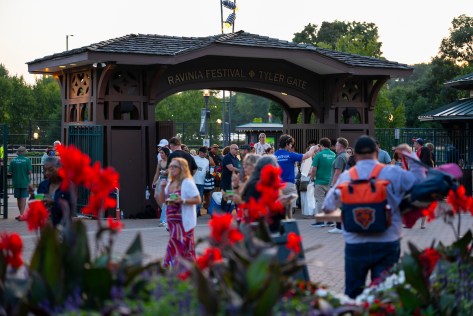
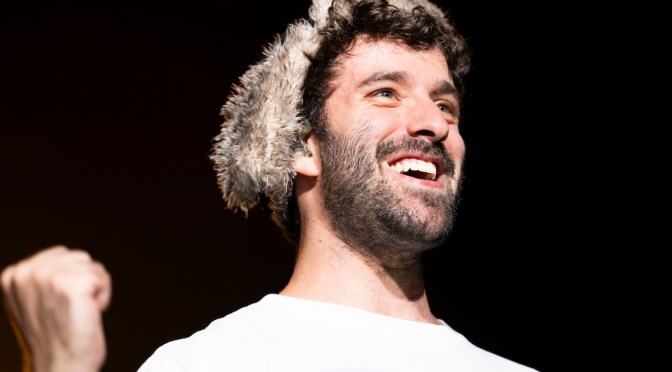
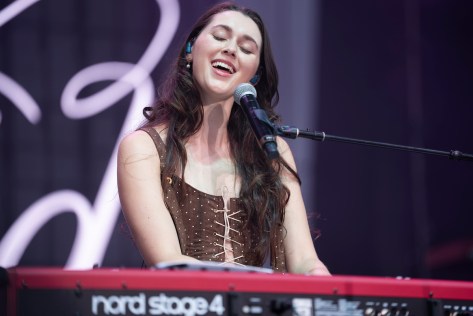
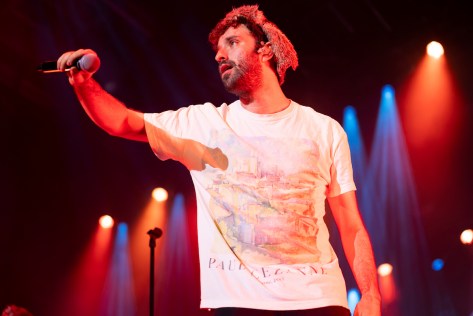
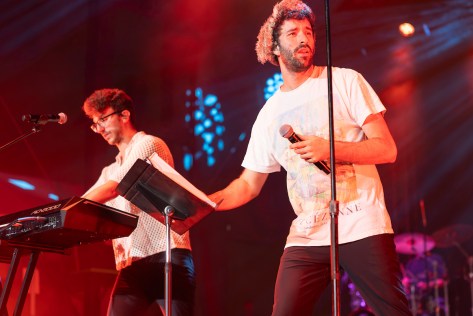
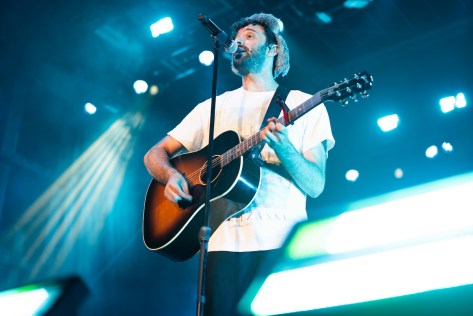
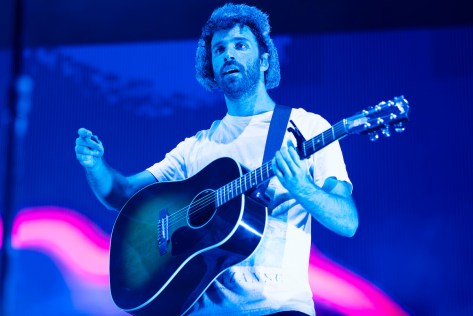
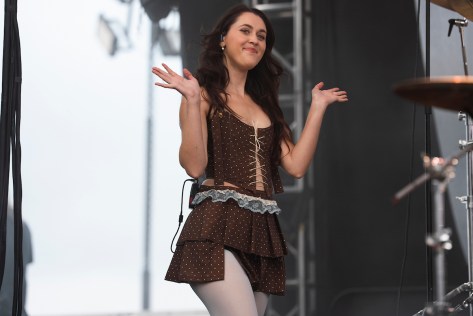
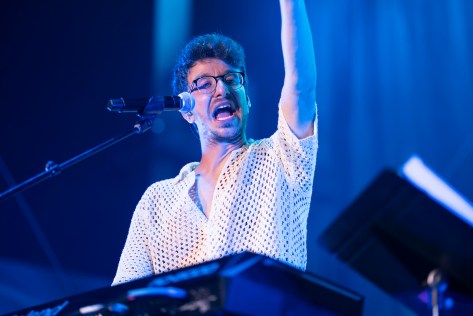
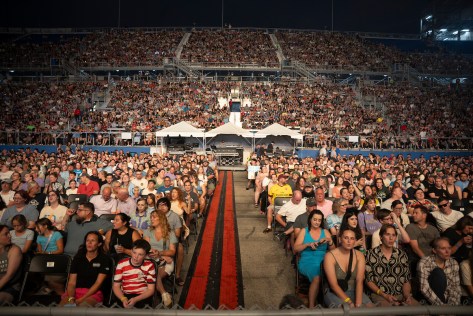
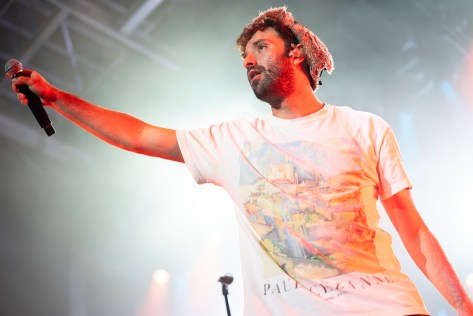
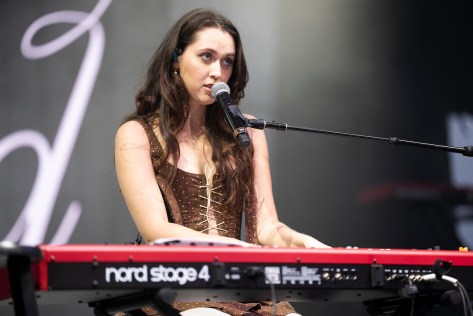
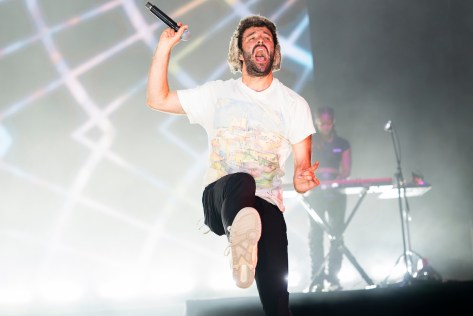
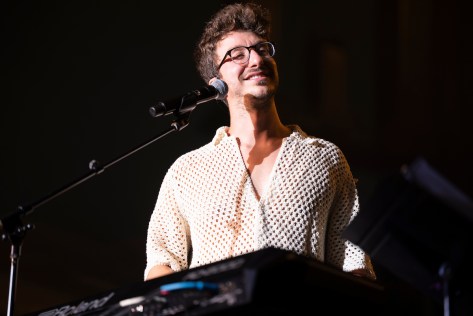
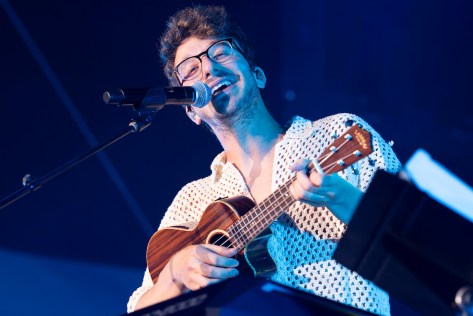
MUNA perform during their Gets So Hot Tour at The Sylvee in Madison, Wisconsin, on October 10, 2026. Photo by Dan DeSlover/The Early Registration.
Photos by Dan DeSlover
Heartache has always had a place on the dance floor, and MUNA know how to get it there. The trio brought their Gets So Hot Tour to The Sylvee on Saturday, October 10, with Hemlocke Springs joining the Madison bill. It was a Saturday night appointment with a band whose pop instincts make even the complicated feelings sound inviting.
Katie Gavin, Naomi McPherson and Josette Maskin have built a catalog that leaves room for vulnerability, humor and the pleasure of a big chorus. That balance is central to MUNA’s appeal: the songs give you something to move to, then leave you with a line worth thinking about on the way home.
Their fourth album, Dancing On The Wall, adds another dimension to that formula. Released in May, the record brings desire and anxiety into the same room, pairing the trio’s emotional candor with an increasingly dance-driven sound. It’s a natural next chapter for a group that can make longing feel both deeply personal and widely shared.
The Madison stop also belonged to a tour with a purpose beyond the music. A portion of proceeds supports The Ally Coalition’s work with LGBTQ youth and queer migrants across the United States, extending the band’s commitment to community beyond the stage.
Check out our photos from their night at The Sylvee below.
MUNA perform during their Gets So Hot Tour at The Sylvee in Madison, Wisconsin, on October 10, 2026. Photo by Dan DeSlover/The Early Registration.
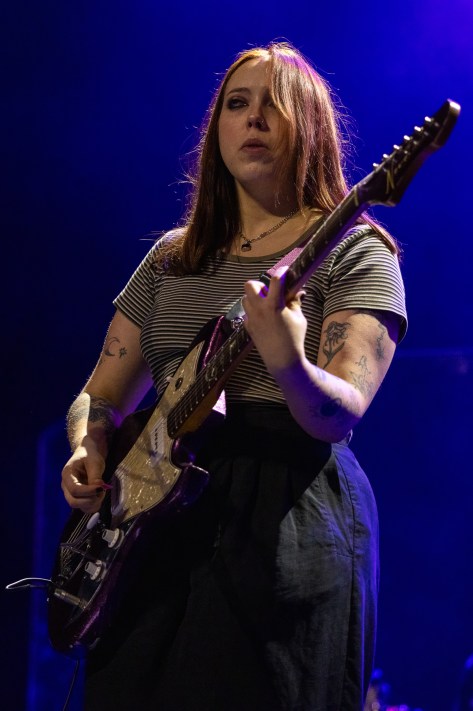
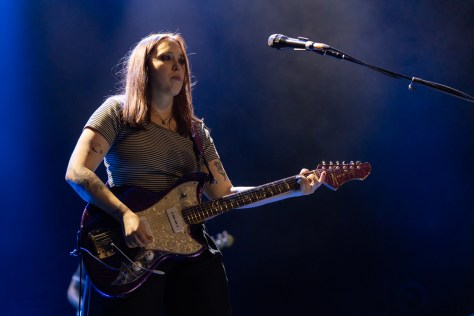
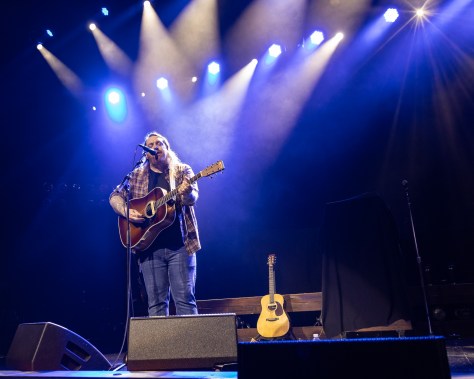
Soccer Mommy and Snail Mail bring their co-headlining S&M Tour to The Sylvee in Madison, Wisconsin, on October 9, 2026. Photo by Dan DeSlover/The Early Registration.
Photos by Dan DeSlover
Some tour pairings practically make themselves. Soccer Mommy and Snail Mail brought their co-headlining S&M Tour to The Sylvee in Madison on Friday, October 9, joining two of indie rock’s most compelling songwriters on a bill that also featured Brennan Wedl. For fans of personal lyrics and guitars with a little bite, it was an easy date to circle on the calendar.
Behind the two names are Sophie Allison and Lindsey Jordan, artists whose music makes growing up sound as messy and complicated as it feels. Both have a knack for pairing an immediately inviting melody with a thought that takes longer to shake. Their catalogs make good company for each other, whether you gravitate toward Soccer Mommy’s understated delivery or Snail Mail’s sharper emotional edges.
The pairing also finds both artists well beyond their breakthrough years. Soccer Mommy’s Evergreen, released in 2024, and Snail Mail’s Ricochet, which arrived in March, provide the latest chapters in two careers that have continued to expand beyond their early indie-rock successes.
Allison’s Evergreen explores loss through direct, intimate songwriting, while Jordan’s Ricochet stretches toward bigger arrangements and questions about time, mortality and connection. Those concerns give the shared bill a natural through line: two distinct voices figuring things out, with plenty of room for a memorable guitar melody along the way.
Photographer Dan DeSlover was there to capture the Madison stop for The Early Registration.
Check out our photo gallery of Soccer Mommy and Snail Mail at The Sylvee below.
Soccer Mommy and Snail Mail bring their co-headlining S&M Tour to The Sylvee in Madison, Wisconsin, on October 9, 2026. Photo by Dan DeSlover/The Early Registration.
Modest Mouse performs at The Sylvee in Madison, Wisconsin, on September 29, 2026. Photo by Dan DeSlover/The Early Registration.
Photos by Dan DeSlover
There’s a lot more to Modest Mouse than “Float On,” and the band’s September 29 stop at The Sylvee offered a reminder of just how far that rabbit hole goes. With Caroline Rose opening the evening, the Madison show paired material from An Eraser and a Maze with a generous dive into the songs that helped build the band’s devoted following.
Led by Isaac Brock, Modest Mouse opened with “Dogbed in Heaven / Give It a Skeleton” before moving into “Black Cadillacs” and “Dance Hall.” That opening sequence established the evening’s approach: new music sharing space with familiar favorites, with little interest in taking the most obvious route through the catalog.
The newer material had a substantial role throughout the set. “Speak ’n Spell (Or Not),” “Absolutely Necessary Never” and “Picking Dragons’ Pockets” were among the selections from An Eraser and a Maze, giving the night a focus that extended beyond revisiting the band’s earlier records. For a group whose appeal has always rested partly on its willingness to get weird, that forward motion felt appropriate.
There was plenty for longtime listeners to dig into, too. “Broke” and “Breakthrough” reached back to the band’s early years, while “A Different City” and “Life Like Weeds” represented The Moon & Antarctica. Together, those selections traced the restless songwriting that made Modest Mouse compelling long before its breakthrough into mainstream radio.
The encore brought “Dramamine,” “3rd Planet” and “Spitting Venom,” closing with a trio that could make a convincing case for the band’s range all on its own. With “Float On” absent from the set, the Madison stop offered something more interesting than a countdown to the biggest hit: a chance to explore the corners of a catalog that still rewards getting a little lost.
Photographer Dan DeSlover was there to capture Modest Mouse’s return to Madison. Check out our photo gallery below for a closer look at the band’s night at The Sylvee.
Modest Mouse performs at The Sylvee in Madison, Wisconsin, on September 29, 2026. Photo by Dan DeSlover/The Early Registration.
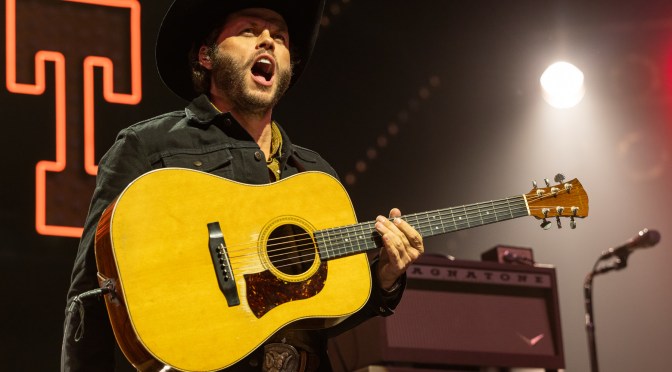
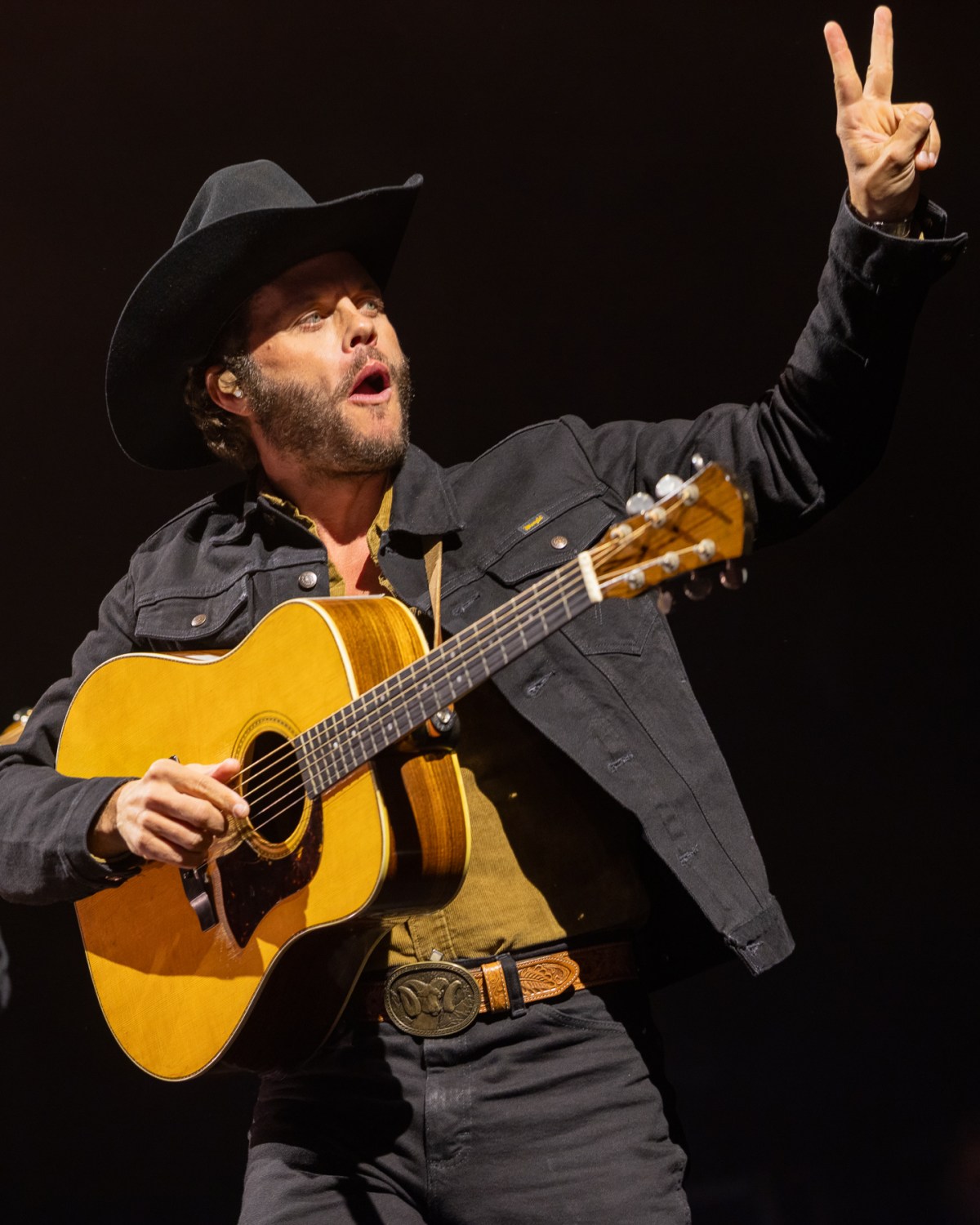
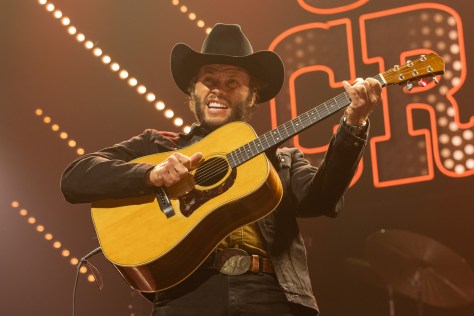
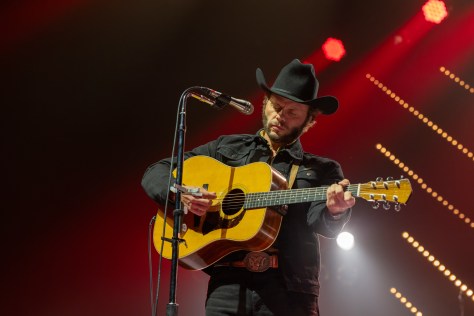
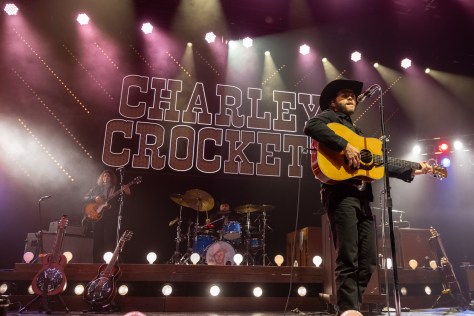
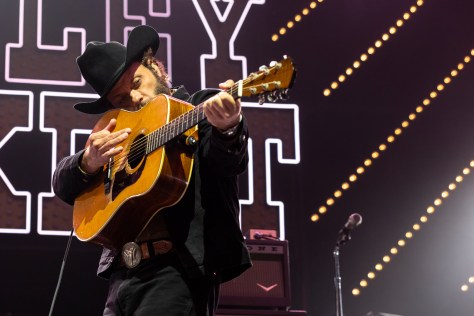
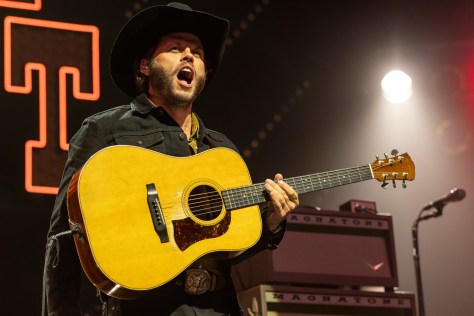
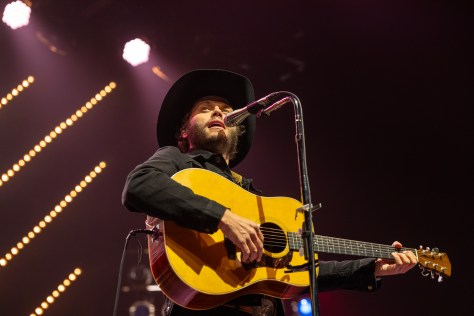
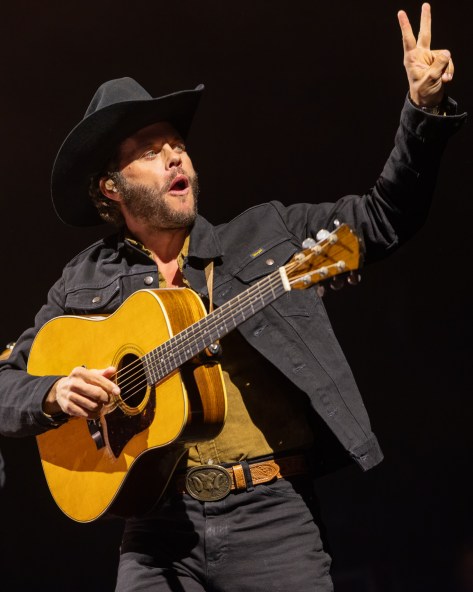
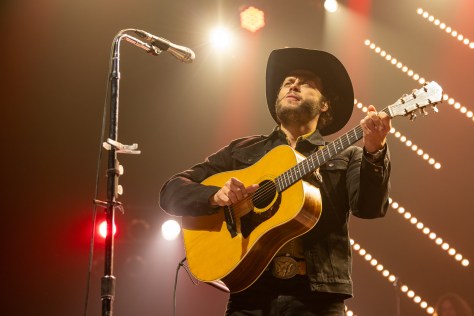
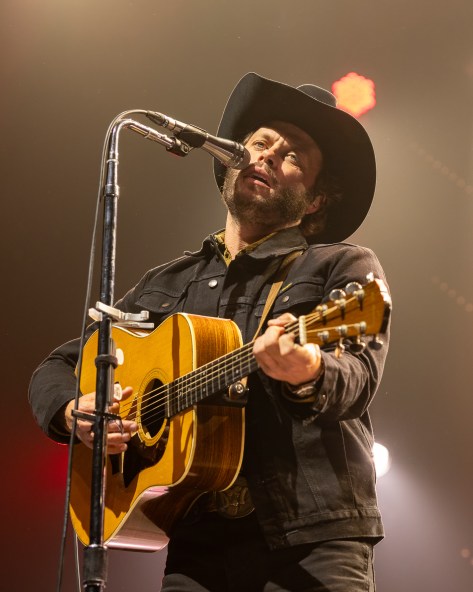
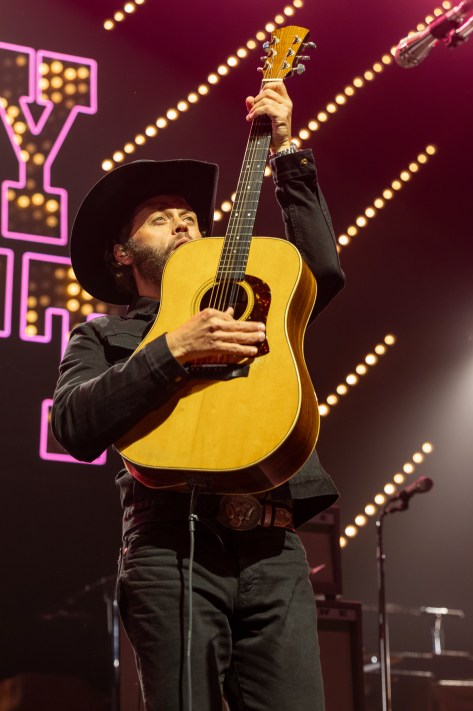
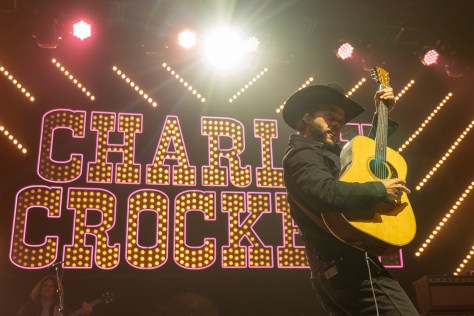
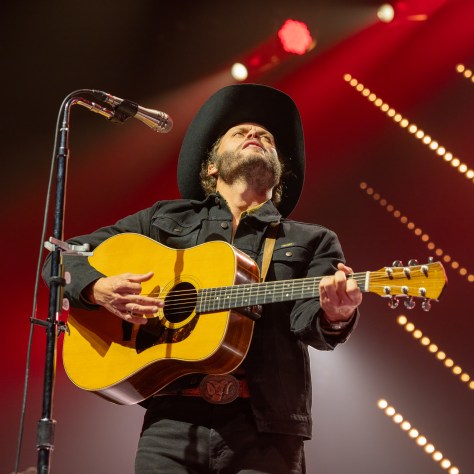
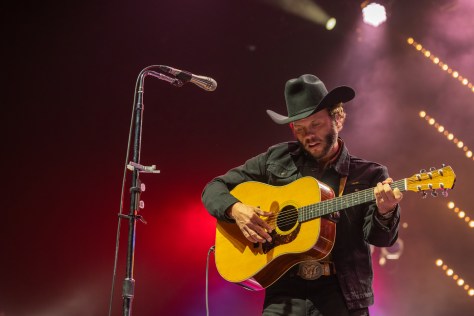
Charley Crockett performs during his Age of the Ram Tour stop at The Sylvee in Madison, Wisconsin, on Tuesday, Sept. 15, 2026. Photo by Deanna Glatczak.
Photos by Deanna Glatczak
Charley Crockett brought his Age of the Ram Tour to The Sylvee on Tuesday, Sept. 15, filling the Madison venue with the country, blues and Southern soul that have made him one of roots music’s most distinctive modern performers.
Crockett has always carried himself like a figure transported from another era. With his sharply tailored Western wardrobe, weathered voice and theatrical stage presence, he looks every bit the wandering cowboy described throughout his songs. Yet Tuesday’s performance never felt like a simple exercise in nostalgia. Backed by the Blue Drifters, Crockett drew freely from the past while giving the music an identity unmistakably his own.
The concert arrived behind Age of the Ram, Crockett’s latest album and the concluding chapter of the Sagebrush Trilogy that began with Lonesome Drifter and continued with Dollar a Day. Songs including “Kentucky Too Long” and “Fastest Gun Alive” expand the cinematic mythology that has become central to his work, placing outlaws, drifters and working people against an endlessly stretching American landscape.
That imagery translated naturally to the stage. Crockett moved with a showman’s confidence, punctuating lyrics with dramatic gestures and flashes of understated humor. The Blue Drifters supplied the evening’s musical muscle, moving easily between honky-tonk rhythms, bluesy grooves and the traces of soul that prevent Crockett’s music from fitting neatly into any single country category.
Familiar selections including “$10 Cowboy” and “The Man from Waco” further demonstrated the range of his catalog. Crockett can inhabit a larger-than-life Western character one moment and sound strikingly vulnerable the next, delivering each song as if it were another story collected during a lifetime spent moving from one town to another.
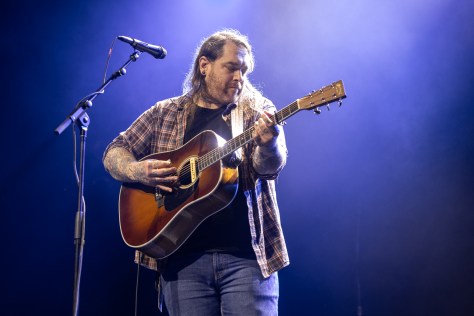
Wisconsin-based songwriter Christopher Gold opened the evening with a stripped-down combination of folk, country and plainspoken storytelling. His intimate approach offered an effective contrast to the fuller production that followed while establishing the night’s shared emphasis on songs that feel lived rather than manufactured.
Crockett’s prolific output has become nearly as remarkable as the music itself. He has released album after album without sanding away the eccentricities that separate him from contemporary country’s center. Instead, his popularity has grown because of them. At The Sylvee, the cowboy hats, vintage arrangements and mythic imagery never obscured the substance underneath.
The result was a performance that felt both carefully staged and genuinely restless. Crockett may borrow the visual language of country music’s past, but Tuesday night made clear that he is not interested in simply reenacting it. He is using those traditions to construct a world—and inviting a growing audience to follow him wherever the trail leads next.
Check out Deanna Glatczak’s photos of Charley Crockett and Christopher Gold at The Sylvee below.
Charley Crockett performs during his Age of the Ram Tour stop at The Sylvee in Madison, Wisconsin, on Tuesday, Sept. 15, 2026. Photo by Deanna Glatczak.
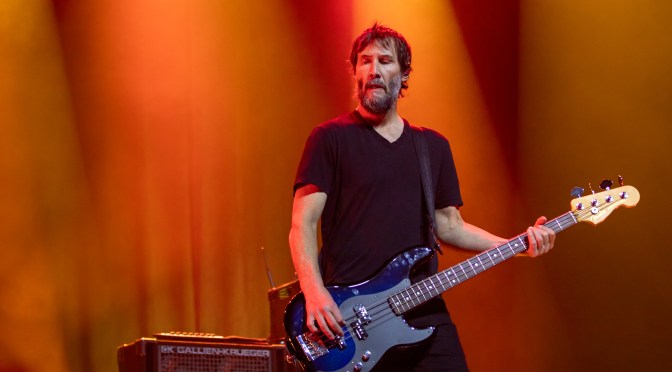
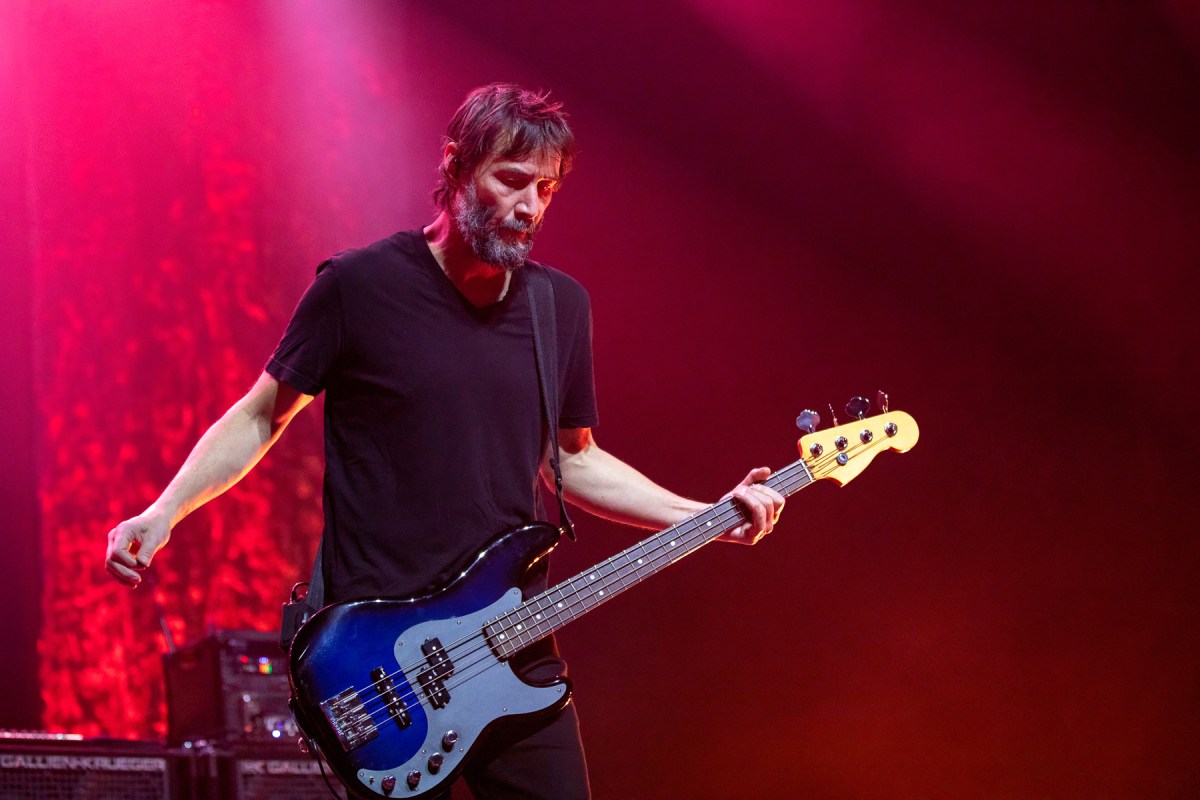
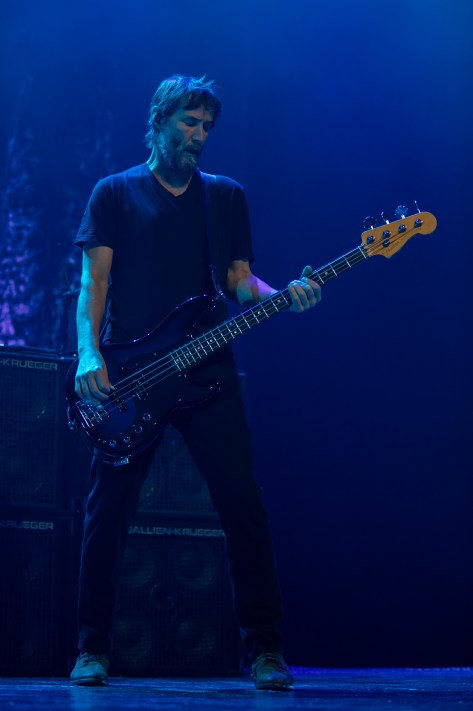
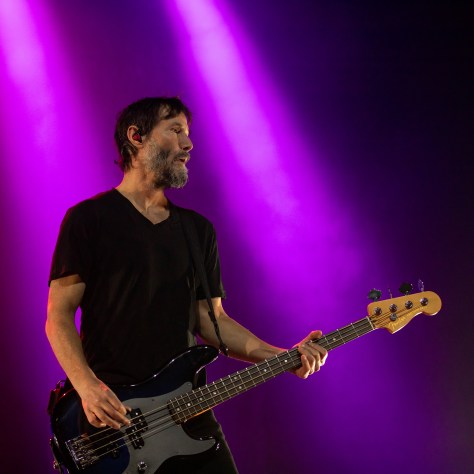
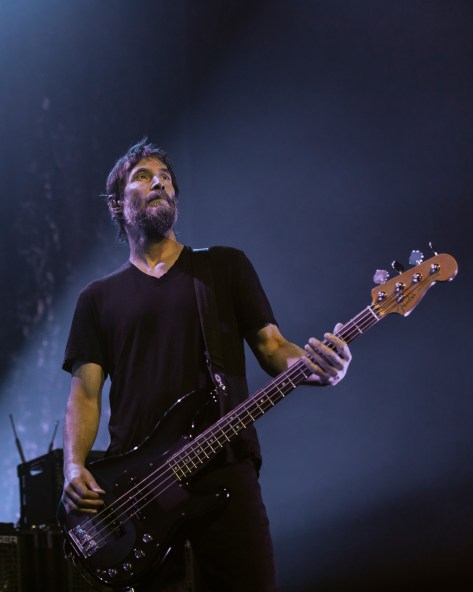
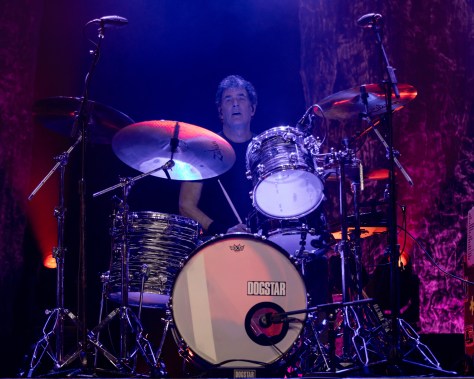
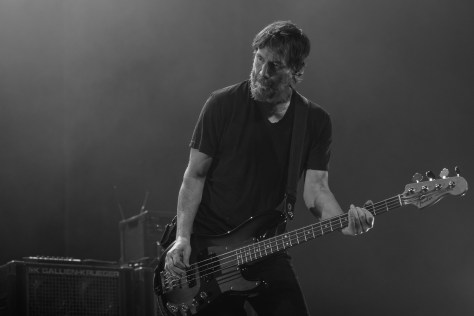
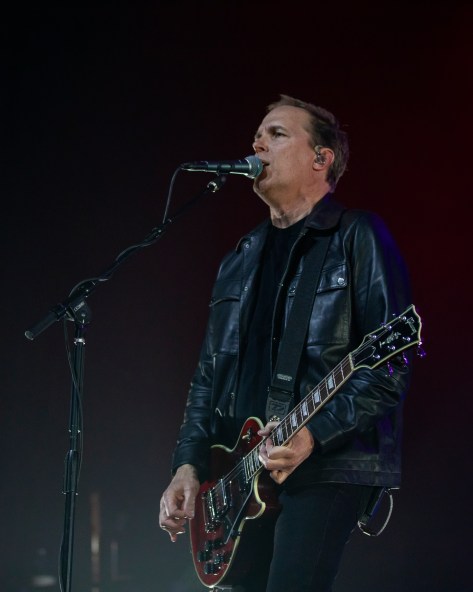
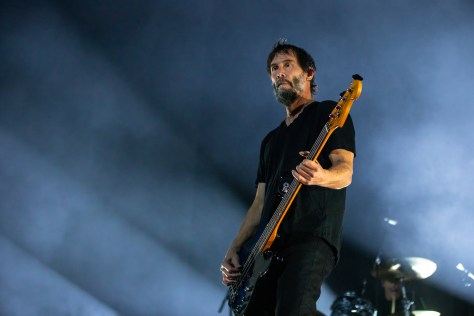
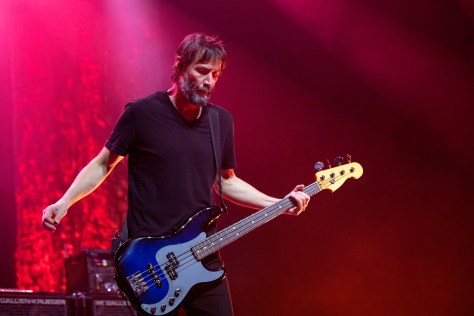
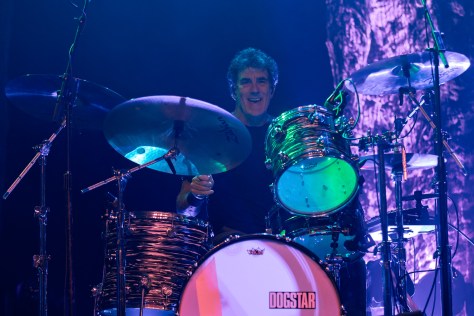
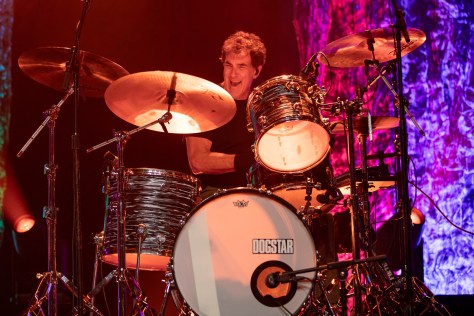
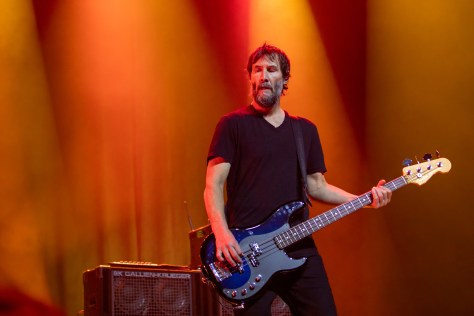
Keanu Reeves performs with Dogstar during the band’s All In Now Tour stop at The Sylvee in Madison on Aug. 29, 2026 (Photo by Deanna Glatczak).
Photos by Deanna Glatczak
Dogstar made its long-awaited Madison debut on Saturday, Aug. 29, bringing its All In Now Tour to The Sylvee for an evening of earnest, melody-driven alternative rock.
The name drawing the most immediate attention was inevitably Keanu Reeves, the globally recognized actor who occupies the less glamorous position at stage left with a bass in his hands. But once the initial excitement subsided, Dogstar proved that its appeal extends well beyond the novelty of seeing John Wick in a rock band. Alongside guitarist and lead vocalist Bret Domrose and drummer Robert Mailhouse, Reeves helped deliver a performance rooted in genuine chemistry, understated musicianship and three decades of friendship.
New York rock quartet The Backfires opened the evening with a youthful burst of riff-heavy energy. Formed in London before establishing itself in New York City, the group arrived in Madison shortly after releasing its sophomore album, Stardust. Alex Gomez, Harry Ruprecht, Matt Walter and Dylan Spiro made the most of their time on The Sylvee’s stage, offering a spirited introduction that carried traces of garage rock and the guitar-driven indie scene of the early 2000s.
Dogstar’s story stretches back to the early 1990s, but its current chapter feels more like a renewal than a nostalgia exercise. Following a hiatus that lasted more than two decades, the trio reunited and released Somewhere Between the Power Lines and Palm Trees in 2023. Its fourth studio album, All In Now, followed earlier this year and provided the foundation for Saturday’s performance.
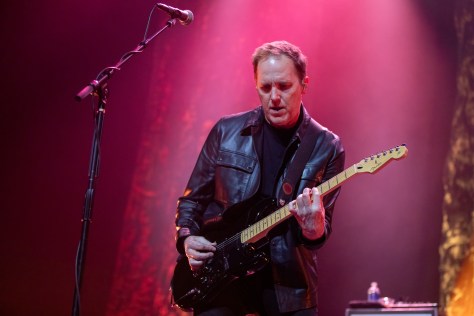
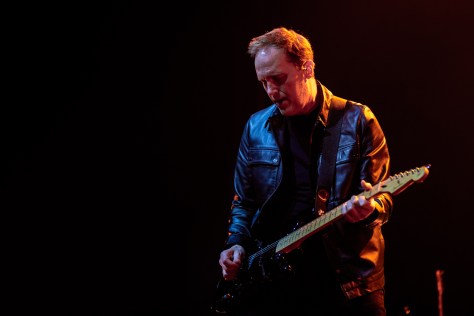
The newer material gives the band a fuller and more confident sound without abandoning the unfussy qualities that have long defined it. Domrose remained the musical focal point, his vocals and guitar carrying the melodies while Mailhouse supplied an energetic rhythmic drive behind the kit. Reeves stayed locked into the low end, frequently leaning into his instrument and visibly enjoying the opportunity to simply be one-third of a working rock band.
Songs including “Siren,” “This Sphere,” “Joy,” “Wing,” “The Whisper” and “Shards of Rain” showcase the trio’s balance of grunge-tinted weight and polished alternative-rock hooks. The album’s title track works especially well as a statement of purpose for this era of Dogstar: three longtime friends committing themselves fully to a band that they never expected to revisit so many years later.
There was no attempt to turn the concert into a celebrity spectacle. Reeves remained an engaged but understated presence, allowing Domrose’s vocals and guitar work to lead while Mailhouse propelled the music from behind the drums. That lack of pretense became one of the performance’s most endearing qualities. Dogstar did not arrive in Madison to trade on its bassist’s filmography, it came to play as a band.
At The Sylvee, that distinction became increasingly clear as the night progressed. What might have brought some fans through the doors quickly gave way to something more sincere: a seasoned trio rediscovering how satisfying it can be to create, tour and share a stage together.
Check out Deanna Glatczak’s photos of Dogstar and The Backfires at The Sylvee below.
Keanu Reeves performs with Dogstar during the band’s All In Now Tour stop at The Sylvee in Madison on Aug. 29, 2026 (Photo by Deanna Glatczak).
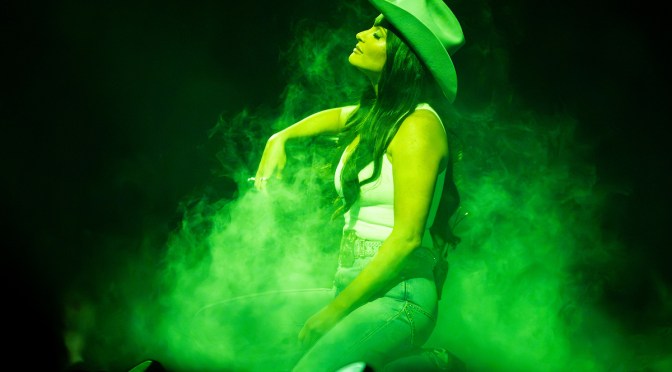
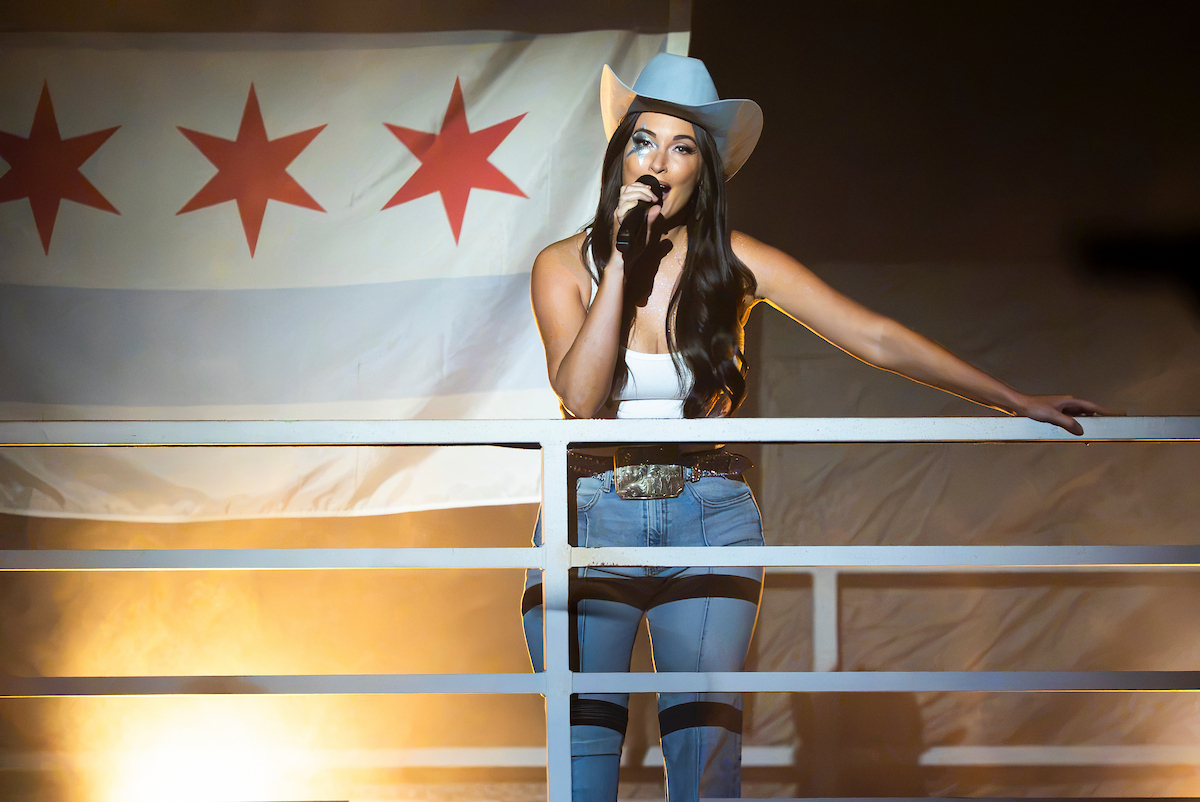
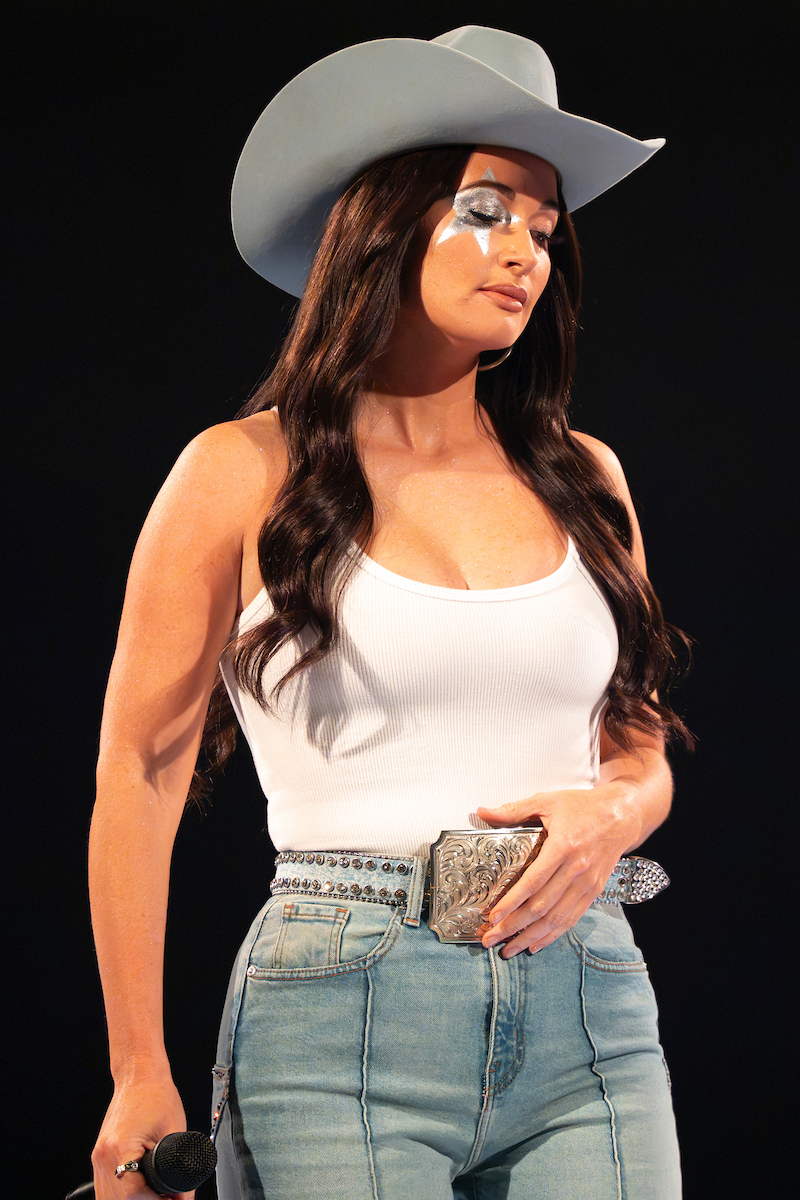
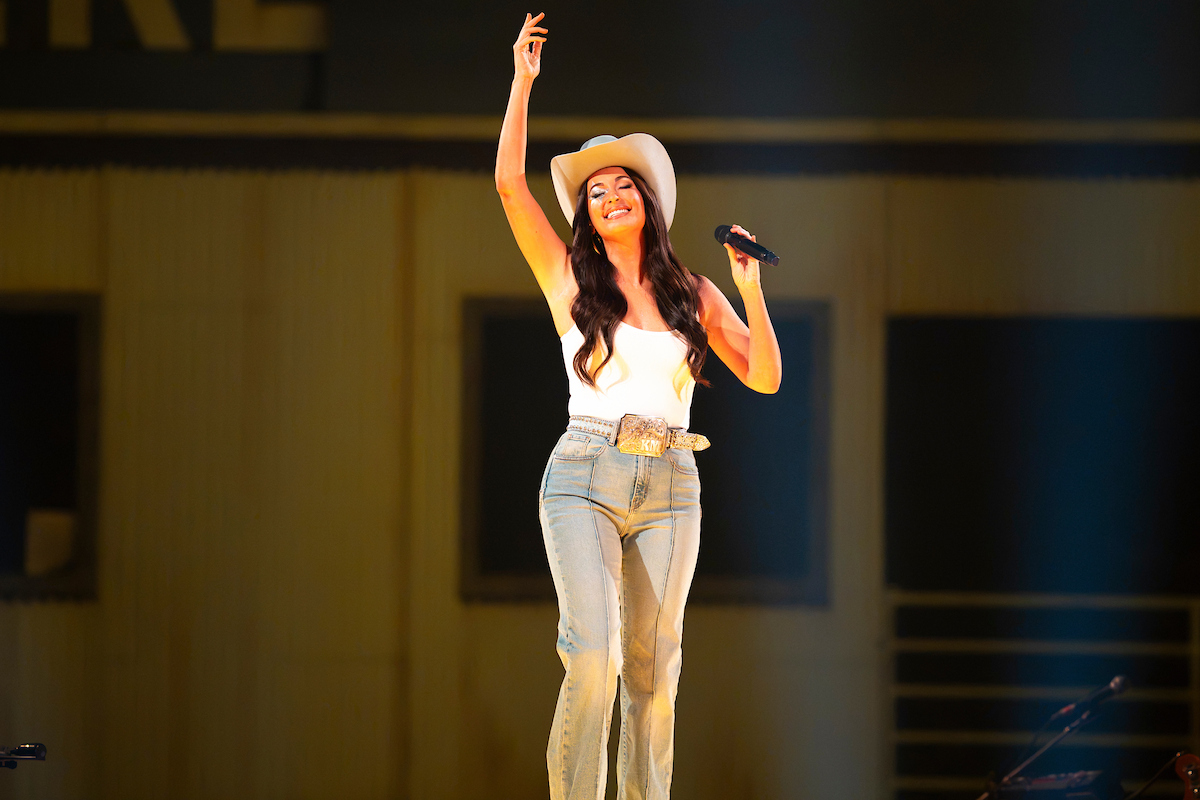
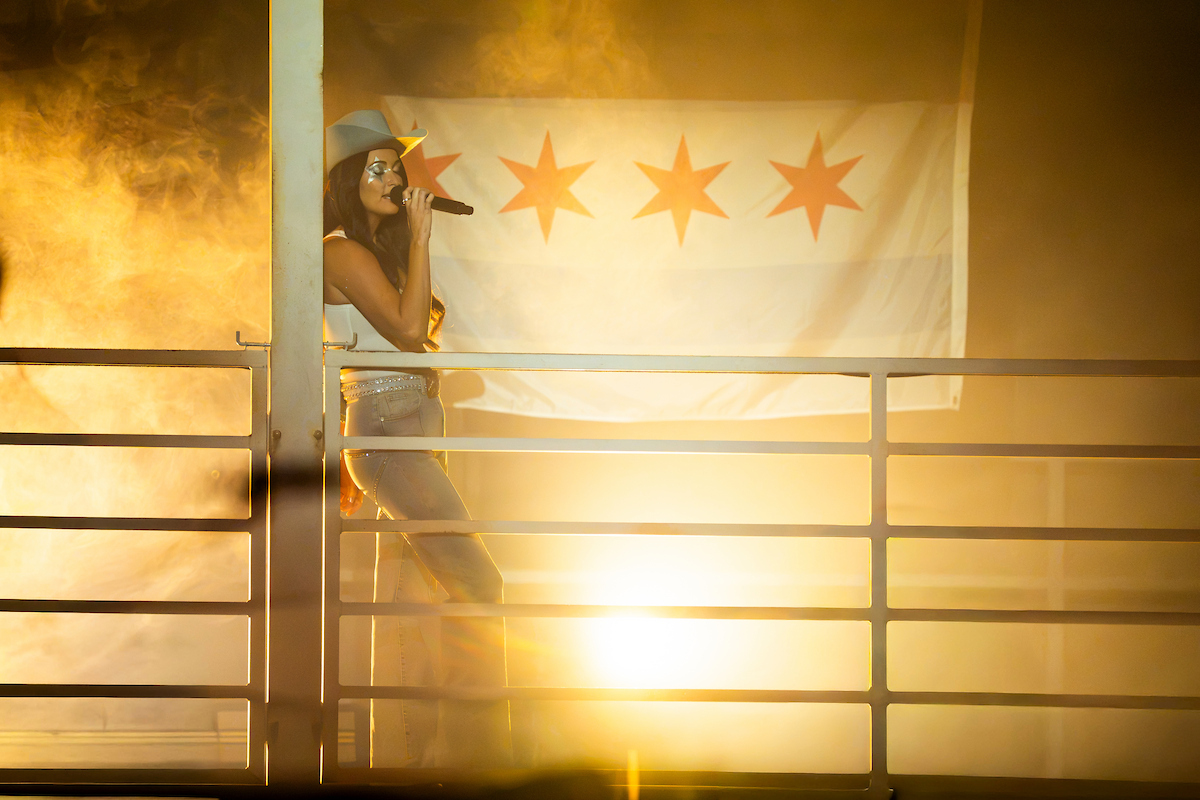
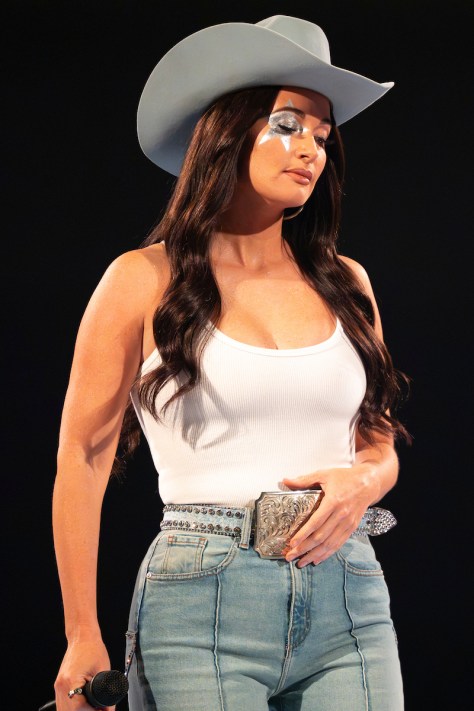
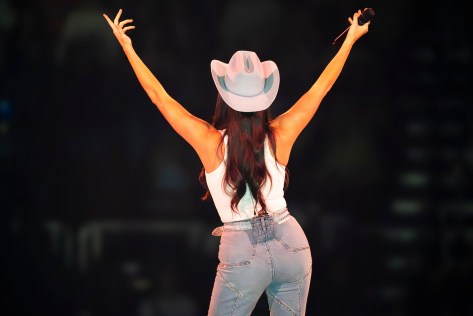
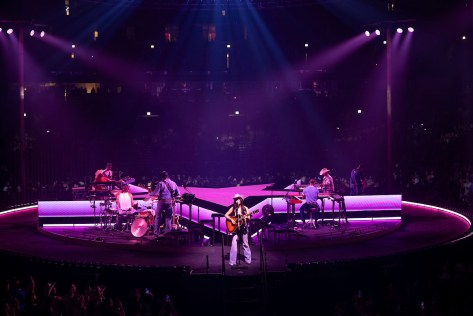
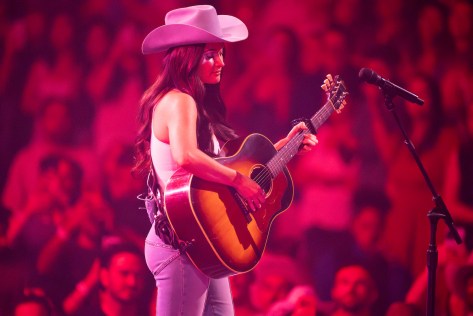
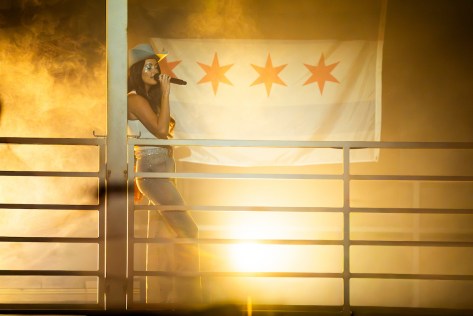
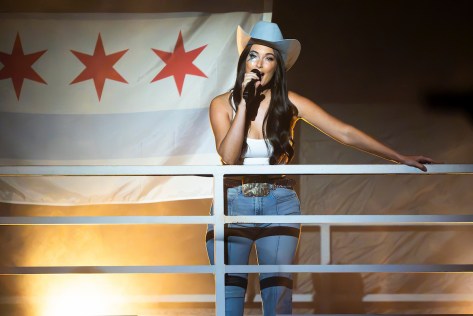
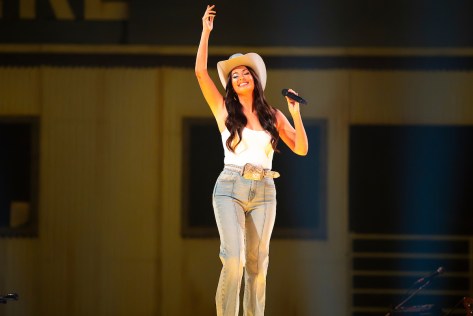
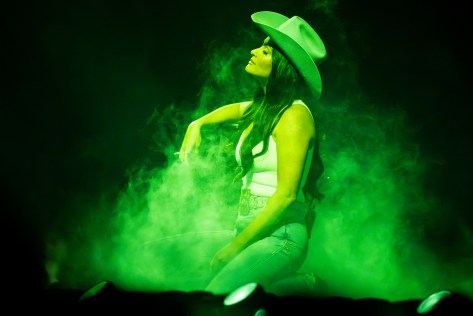
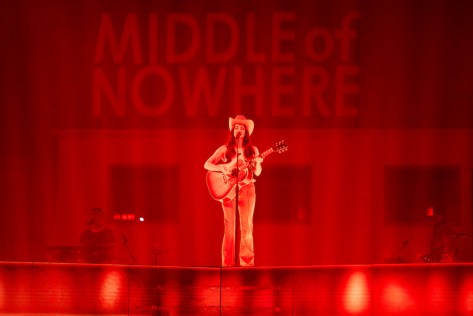
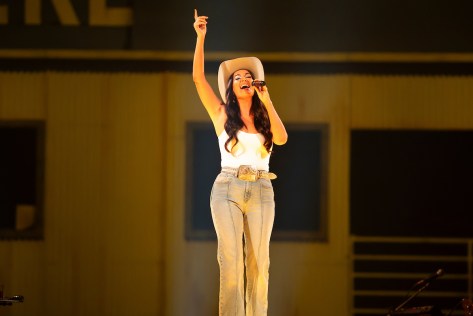
Kacey Musgraves performs on opening night of her Middle of Nowhere Tour at Chicago’s sold-out United Center on Friday, Aug. 21, 2026. (Photo by Dan Garcia/The Early Registration)
By Dan Garcia
Kacey Musgraves has never been interested in choosing between country tradition and pop spectacle. On Friday night at Chicago’s United Center, she proved she could build a sold-out arena production around both without sacrificing the wit, warmth or plainspoken songwriting that made her a star.
Opening night of Musgraves’ “Middle of Nowhere Tour” was also her 38th birthday, turning an already celebratory occasion into something more personal. Late in the 95-minute performance, thousands of fans serenaded her with “Happy Birthday” between songs. Musgraves smiled and took in the moment, one of the evening’s few instances when the carefully engineered machinery of an arena tour gave way to something entirely spontaneous.
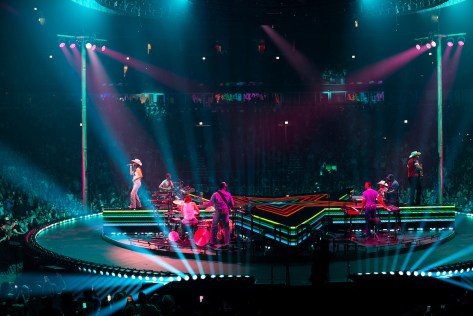
The production was enormous, but its most impressive quality was how frequently it made the cavernous United Center feel smaller.
A giant circular stage occupied the middle of the arena floor, with a star-shaped platform embedded within it. Around the perimeter, a moving walkway rotated clockwise, carrying Musgraves past every side of the sold-out crowd and ensuring there was rarely a truly bad angle. At the back of the floor stood a second, smaller performance space designed like an old rural roadhouse: a weather-beaten rectangular shack with corrugated metal siding and “Middle of Nowhere” signage. An American flag and Chicago flag hung inside.
That roadside outpost was where Musgraves began the night, appearing after AC/DC’s “Thunderstruck” played over the speakers to set the tone. Wearing a white tank top, blue jeans with a rhinestone star on the back, a white cowboy hat and an enormous silver “KM” belt buckle, she looked like she had stepped directly out of the visual world of her new album.
She opened with “Everybody Wants to Be a Cowboy” and “Dry Spell,” establishing the tour as a genuine showcase for Middle of Nowhere rather than a greatest-hits production with a few recent songs inserted around the edges. Musgraves performed 11 of the album’s 13 tracks, including “Abilene,” “Back on the Wagon,” “I Believe in Ghosts,” “Uncertain, TX,” “Horses and Divorces,” “Loneliest Girl,” “Rhinestoned,” “Mexico Honey” and the title track.
The new songs held their own alongside staples such as “High Horse,” “Merry Go ’Round,” “Butterflies,” “Golden Hour,” “Slow Burn,” “Space Cowboy” and “Follow Your Arrow.” The balance demonstrated how naturally Middle of Nowhere fits within Musgraves’ catalog. It may represent a deliberate return to the foundations of country music, but it does not sound like an artist retreating into her past. Instead, it feels like Musgraves reconnecting with the elements that have always made her work distinctive: direct storytelling, emotional precision and humor sharp enough to puncture any trace of sentimentality.
Midway through the concert, she explained why those qualities feel especially valuable now.
“I think a lot of people are really resonating with country music right now because it’s f***ing real,” Musgraves said.
“The country music I love, anyway… there are a lot of different kinds out there. I’m not going to get into that. There’s something for everybody. But the bones of the genre that I love so much come from real stories about real people. They’re simple, and they’re real. It’s storytelling. I think we’re all craving a bit of simplicity right now.”
That simplicity, she continued, was what she wanted to embrace on the new record, a response to a world in which common sense can sometimes seem lost along the way.
The comments carried additional weight coming from Musgraves, whose relationship with the country establishment has long been complicated and occasionally adversarial. Country radio was slow to embrace even some of her most celebrated work, while songs such as “Follow Your Arrow” challenged the genre’s social and cultural boundaries more than a decade ago. Musgraves, for her part, has never hesitated to needle the industry’s contradictions or distance herself from corners of the genre she finds inauthentic.
But Friday’s speech made the distinction clear: Her issue has never been with country music itself. It has been with the people who confuse tradition with rigidity, or authenticity with a narrowly approved set of attitudes. Musgraves’ affection for the genre’s fundamental tools; true stories, memorable details and complicated emotions expressed in simple language, remains sincere.
That reverence did not prevent the production from becoming gleefully ridiculous.
At one point, a pair of enormous, mirror-studded disco-ball testicles descended from the rafters. Musgraves climbed aboard and was lifted above the arena floor, shimmering high over the audience in what may be the most audacious piece of country-tour staging to enter the United Center.
“I’ve actually got my Nana in the house tonight,” she said. “She always told me, ‘Honey, if you’re going to do something, do it big. Do it sparkly.’”
After considering the absurd grandeur of the scene, Musgraves added: “This is what happens when nobody tells me no.”
It was the kind of moment that only she could pull off: outrageous but knowingly so, glamorous without taking glamour too seriously. Musgraves’ humor and personality have always been as essential to her concerts as her voice, and both remained intact despite the expanded scale. She jokingly identified herself as a “geriatric millennial,” bantered comfortably with the crowd and repeatedly undercut the evening’s grandest gestures with a dry aside or mischievous grin.
She also refused to remain isolated on the stage. During her cover of the Texas Tornados’ “(Hey Baby) ¿Qué pasó?,” Musgraves walked down into the pit and completed a full lap around the circular platform, singing from within the audience as fans crowded around her. It was an unusually close interaction for an arena production of this size and a reminder that the stage’s in-the-round design was not merely a visual gimmick. It allowed Musgraves to maintain a sense of connection from every direction.
Her set moved fluidly between the earthy and the extravagant. “Merry Go ’Round” and “Follow Your Arrow” reaffirmed how little Musgraves’ early writing has aged, while the shimmering “Golden Hour” material still supplied some of the concert’s most immediately recognizable melodies. “High Horse” brought the expected disco-country lift, and “Space Cowboy” remained quietly devastating without requiring any additional theatrical embellishment.
She closed with George Strait’s “All My Ex’s Live in Texas,” a playful final nod to the lineage running through the entire evening. As Paula Cole’s “Where Have All the Cowboys Gone?” played after the performance, the joke provided a fitting postscript. Musgraves had spent the previous hour and a half celebrating, interrogating and joyfully reinventing the cowboy mythology that surrounds her genre.
Opening nights are rarely this assured. They are typically where tours reveal their seams, where transitions drag, cues are missed and performers are still learning the dimensions of a new production. Musgraves instead arrived with a show that already felt fully formed, combining the intimacy of a Texas roadside bar with the visual ambition required to fill one of the country’s largest arenas.
The Middle of Nowhere, it turns out, is not an empty place. In Musgraves’ hands, it is crowded with stories, rhinestones, contradictions and thousands of people singing together. On Friday night, it was exactly where everyone wanted to be.
Kacey Musgraves performs on opening night of her Middle of Nowhere Tour at Chicago’s sold-out United Center on Friday, Aug. 21, 2026. (Photo by Dan Garcia/The Early Registration)
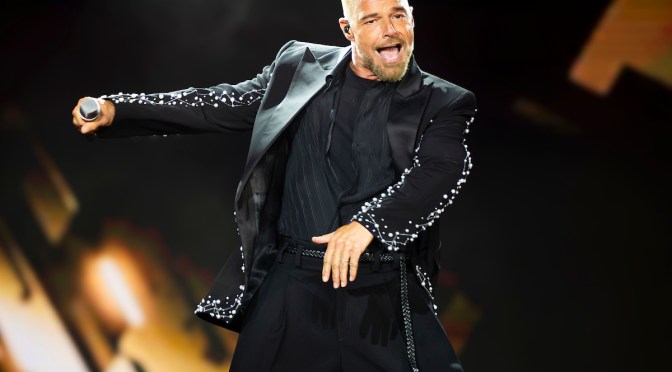
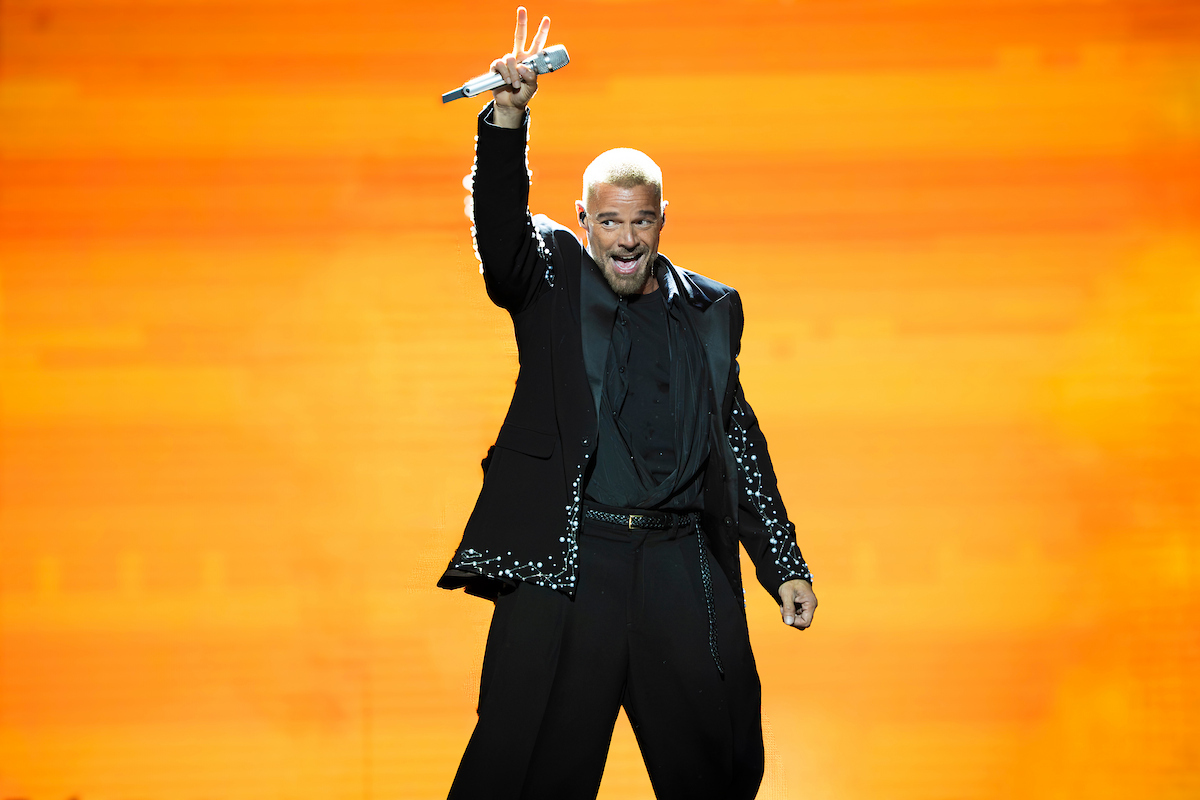
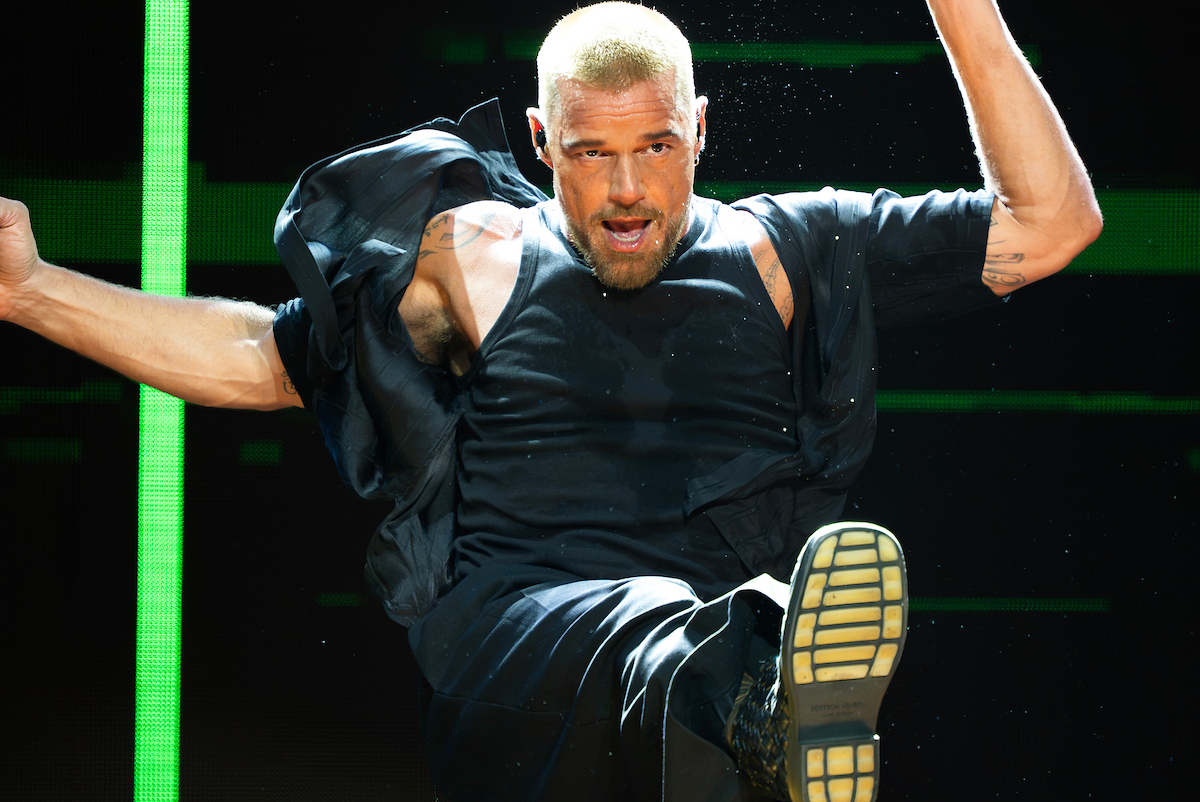
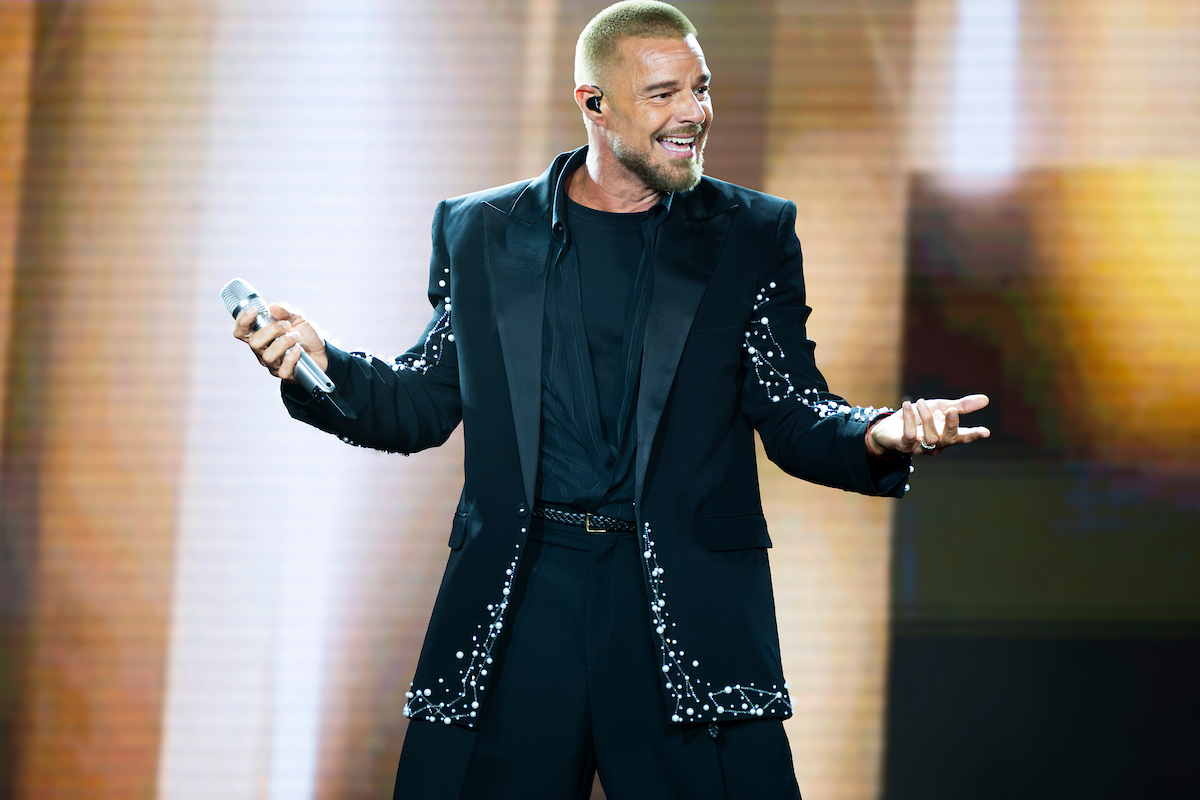
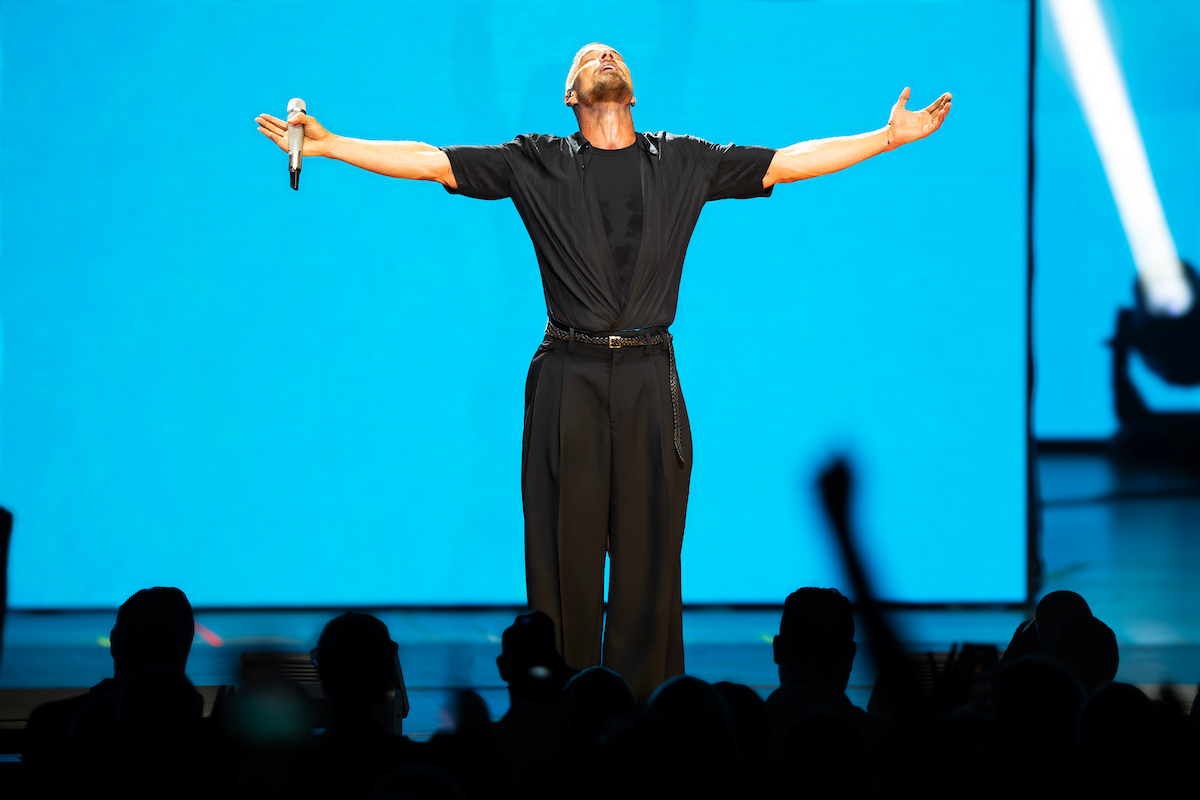
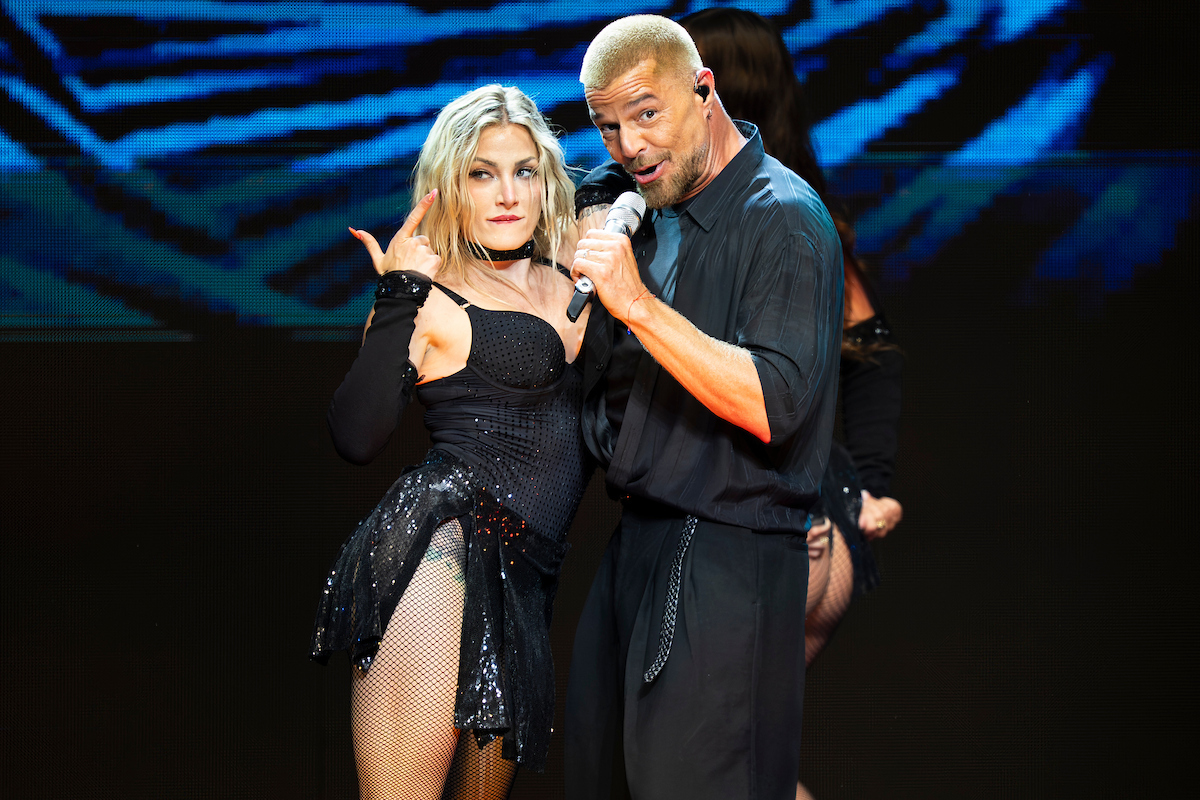
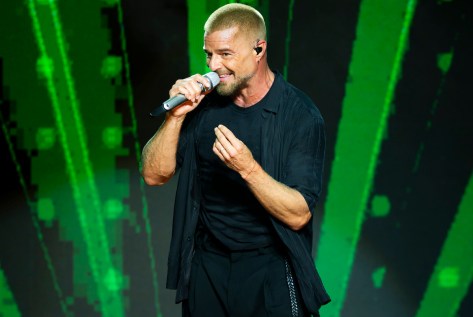
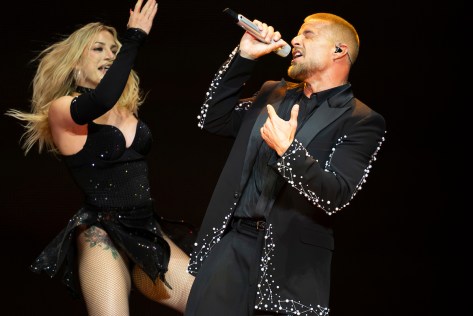
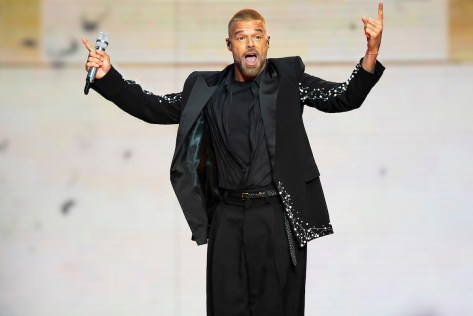
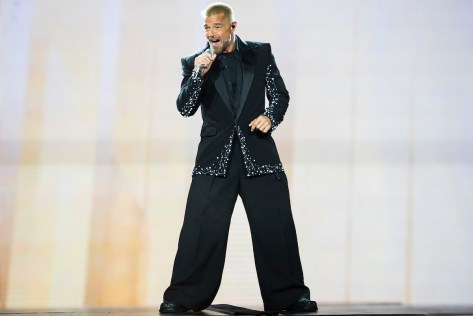
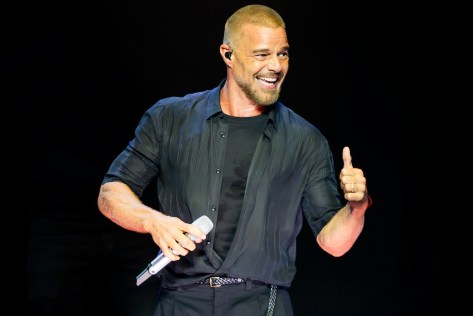
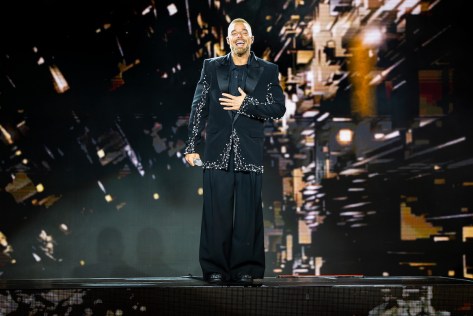
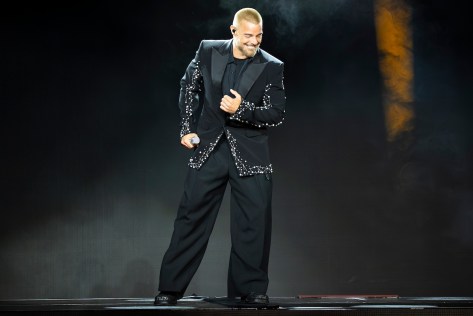
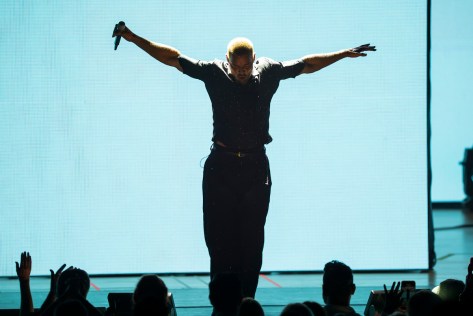
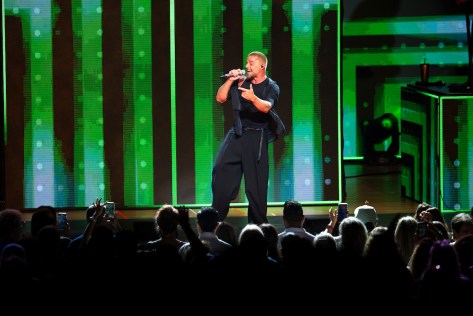
After more than three decades of international stardom, Ricky Martin finally made his Ravinia debut on Thursday night, bringing a whirlwind tour of Latin-pop history to the newly renovated Hunter Pavilion.
For 90 minutes, the Puerto Rican superstar moved between Spanish-language favorites, turn-of-the-century American smashes and more recent streaming successes. While Martin’s ubiquitous run atop the U.S. charts may be more than 25 years behind him, his energetic Ravinia performance demonstrated why his global popularity lasted well beyond the height of the late-’90s Latin-pop explosion.
Here are 10 reasons Ricky Martin’s Ravinia debut was worth the wait.
1. Because his Ravinia debut was long overdue
Martin has been performing since joining Menudo at age 12 and has spent decades headlining venues around the world. Somehow, however, his lengthy career had never brought him to Ravinia before Thursday night.
That made his first appearance at the Highland Park festival feel like a special occasion, particularly as it arrived during a year in which Martin returned to the American spotlight with a surprise appearance on one of the world’s biggest stages.
2. Because Ravinia is one of the most unique places to catch a concert
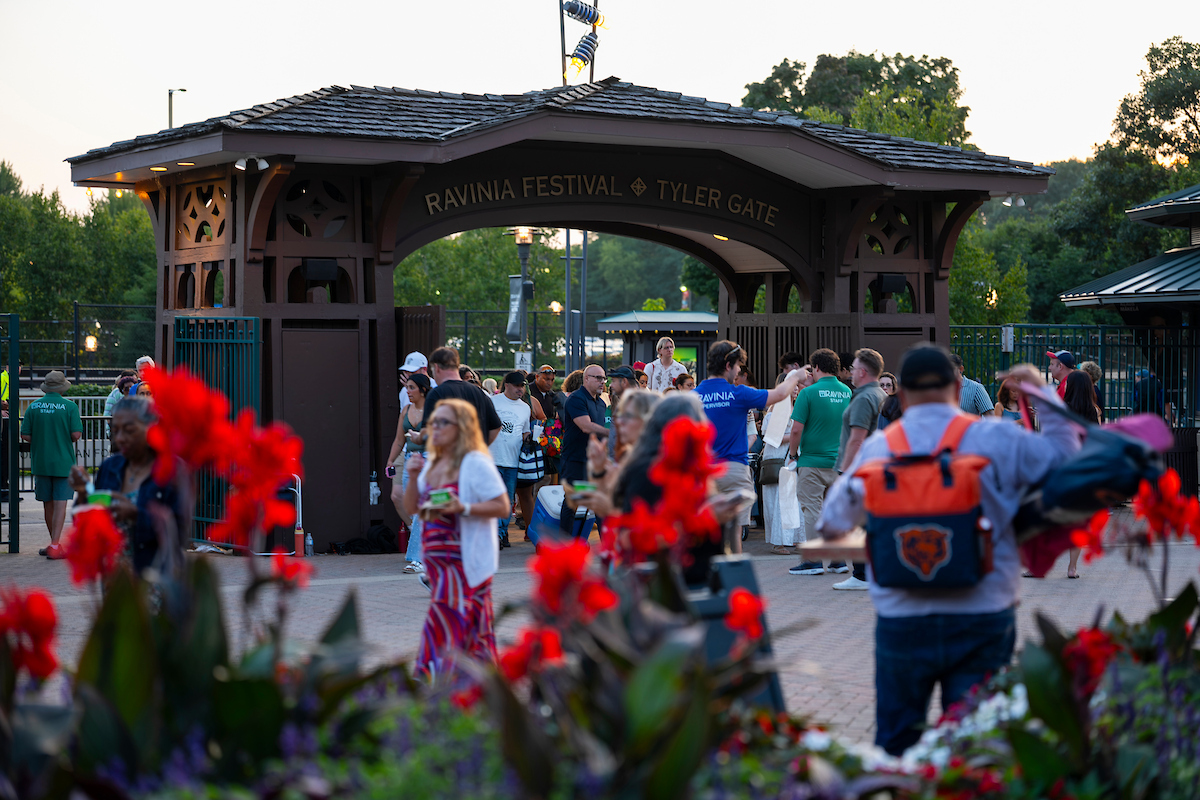
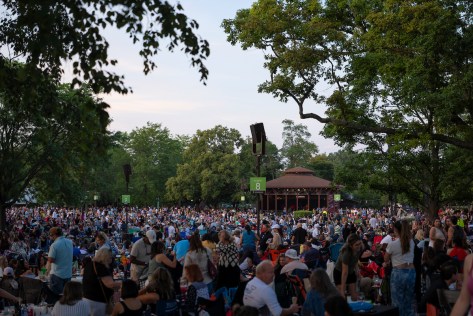
A Ricky Martin show can fill arenas and stadiums, but Ravinia provided an experience that few traditional venues could duplicate. Fans arrived early with elaborate picnics, spread out across the lawn and enjoyed a summer evening beneath the trees before Martin took the stage.
Once the music began, the relaxed atmosphere transformed into an outdoor dance party. The combination of Martin’s arena-sized energy and Ravinia’s intimate, picturesque surroundings made his debut feel unlike another ordinary stop on the tour.
3. Because the renovated pavilion was ready for a pop spectacle
Martin also arrived during the inaugural season of Ravinia’s transformed Hunter Pavilion, part of the festival’s ongoing, campus-wide renovation project.
The modernized space retained the open-air personality of the historic venue while providing a refreshed setting capable of hosting Martin’s polished production. If Ravinia wanted an artist to show off what its renovated centerpiece could handle, the consummate showman was an ideal choice.
4. Because 90 minutes was barely enough time to catch your breath
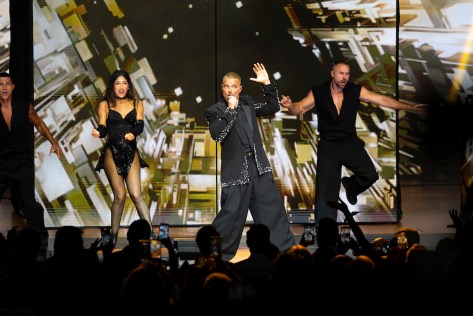
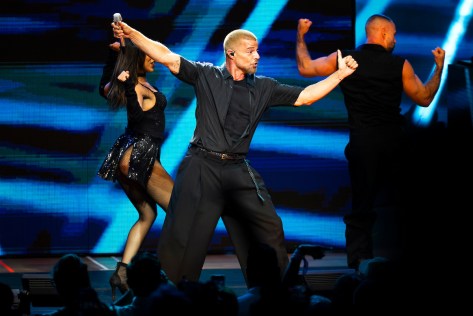
Martin performed for approximately an hour and a half, but the show rarely lost momentum. He packed the evening with dance-floor anthems, romantic ballads, choreography and hits pulled from several different periods of his career.
Even the slower selections felt deliberately placed, giving Martin and the audience brief opportunities to breathe before the tempo accelerated again.
5. Because “María” remains irresistible in any language
Long before “Livin’ la Vida Loca” made Martin unavoidable on American radio, “María” helped introduce him to audiences around the world.
Its famous “un, dos, tres” refrain still required no translation at Ravinia. The song’s instantly recognizable rhythm and chorus made it one of the evening’s most joyous reminders that Martin was already an international star before much of the United States knew his name.
6. Because he reminded everyone that his catalog started long before 1999
For casual American listeners, Ricky Martin’s career may begin with his explosive performance of “The Cup of Life” at the 1999 Grammy Awards and the release of “Livin’ la Vida Loca” shortly afterward.
Thursday’s set told a much more complete story. Songs such as “María,” “Vuelve,” “La bomba” and “Por arriba, por abajo” showed that his English-language crossover was not the beginning of his success. It was simply the moment America caught up with a phenomenon that had already spread across much of the world.
7. Because the bilingual setlist never felt divided
Martin transitioned naturally between Spanish- and English-language songs rather than separating the concert into two distinct halves. “She Bangs,” “Shake Your Bon-Bon” and “She’s All I Ever Had” comfortably shared the program with “Pégate,” “Tu recuerdo,” “La mordidita” and “Vente Pa’ Ca.”
The balance allowed different segments of the audience to recognize different favorites while presenting every era and language as part of the same career.
8. Because his dancing has lost remarkably little electricity
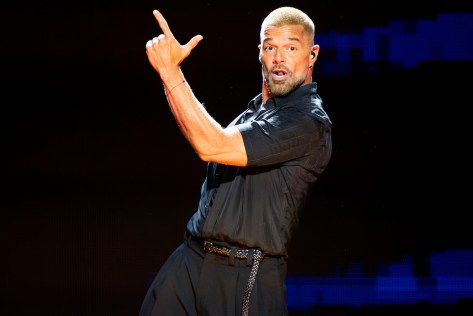
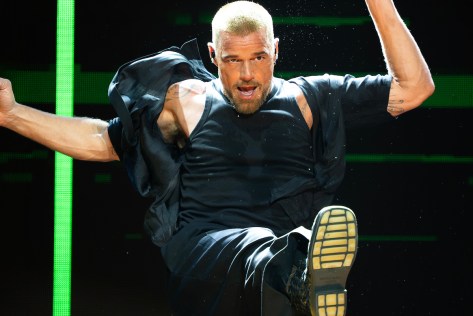
At 54, Martin was not interested in presenting a stationary greatest-hits performance. He moved across the stage with the confidence, physicality and charisma that helped make him one of pop music’s defining performers.
More importantly, the choreography never appeared to be included solely to recreate the past. Martin performed like an artist still determined to defend his reputation as an elite entertainer.
9. Because his Super Bowl cameo suddenly felt like a preview
Just six months before his Ravinia debut, Martin made a surprise appearance during Bad Bunny’s Super Bowl LX halftime show, performing “LO QUE LE PASÓ A HAWÁI” during the first halftime production presented entirely in Spanish.
The moment connected two generations of Puerto Rican superstardom. Bad Bunny represents Latin music’s current position at the center of global pop culture, while Martin helped open many of those doors decades earlier. His appearance also introduced him to a younger audience just in time for Thursday’s career-spanning celebration.
10. Because “Livin’ la Vida Loca” and “The Cup of Life” made an unbeatable finish
Martin saved his two most obvious American crowd-pleasers for the end, closing the concert with the one-two punch of “Livin’ la Vida Loca” and “The Cup of Life.”
The pairing neatly summarized the enormous scope of his career. One became his defining American pop hit, while the other introduced him to millions around the world as an international anthem. More than 25 years later, both songs still possessed enough energy to turn Ravinia into one enormous dance floor, and finally bring Martin’s long-awaited debut to a fitting conclusion.
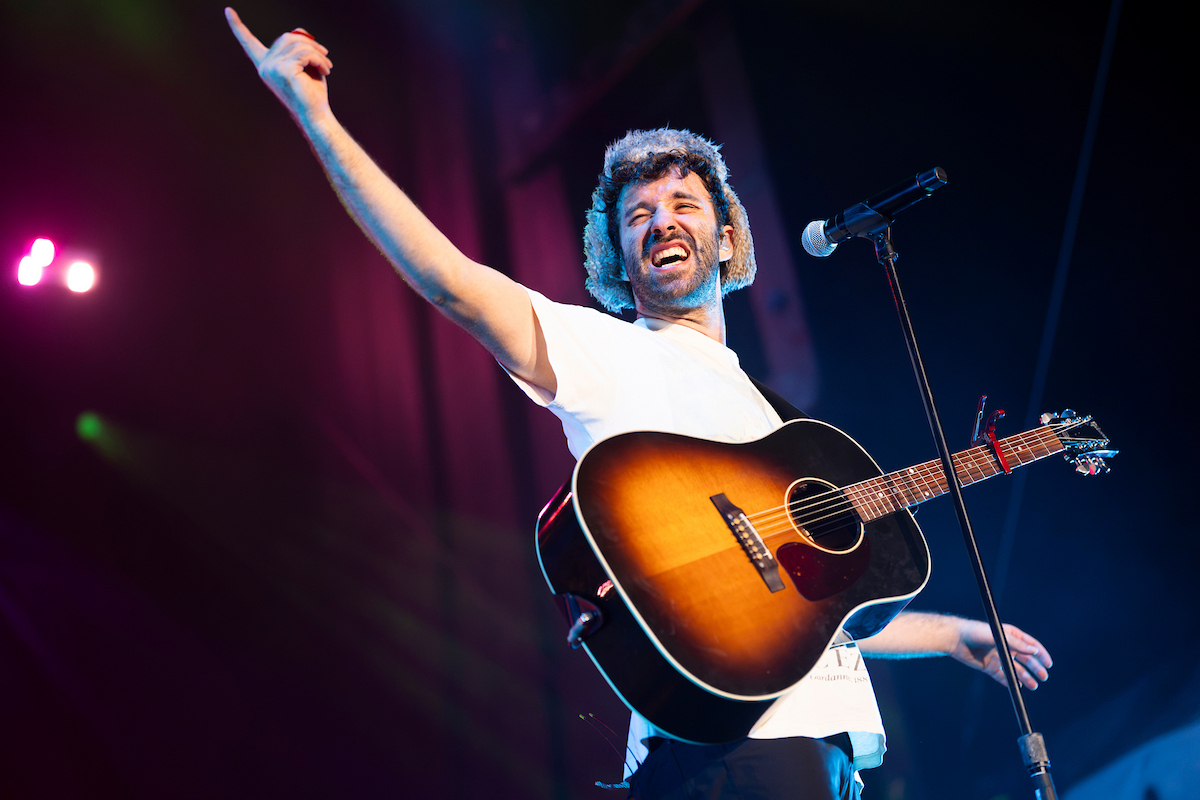
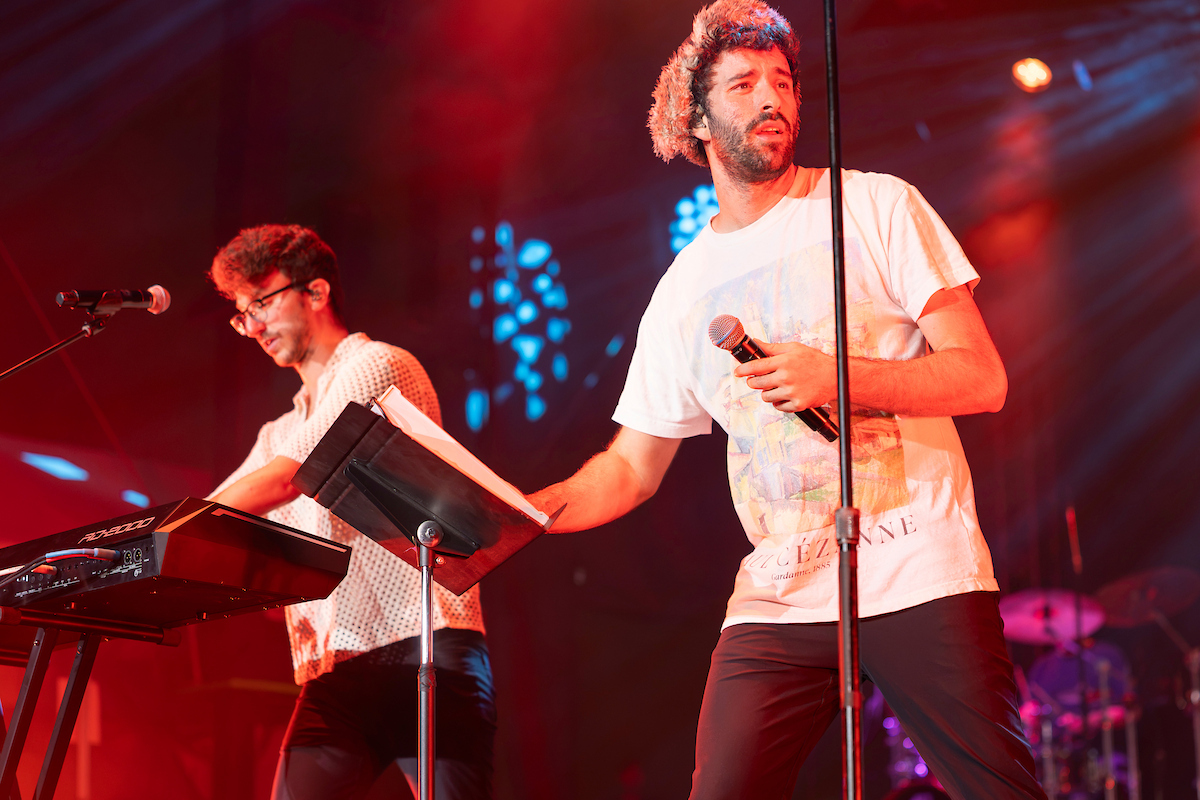
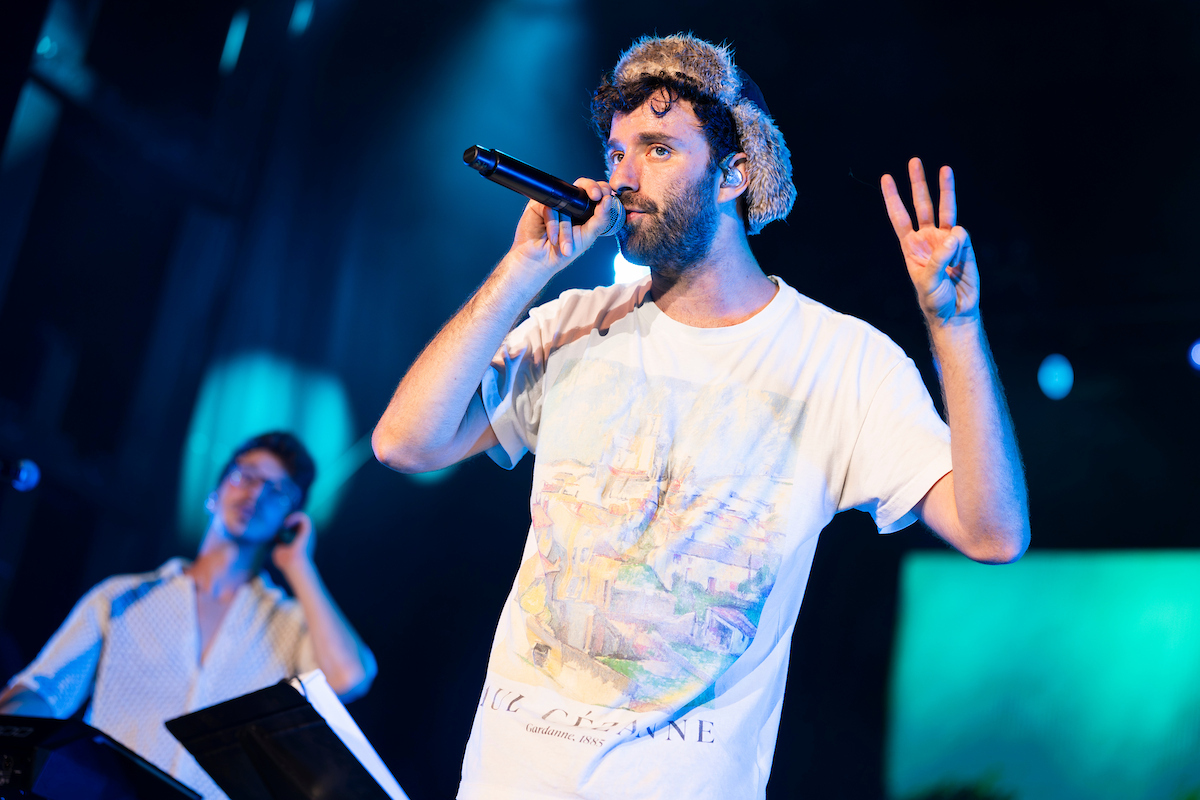
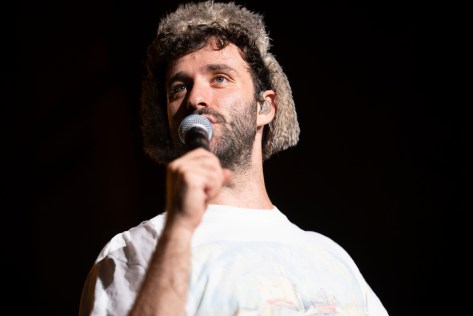
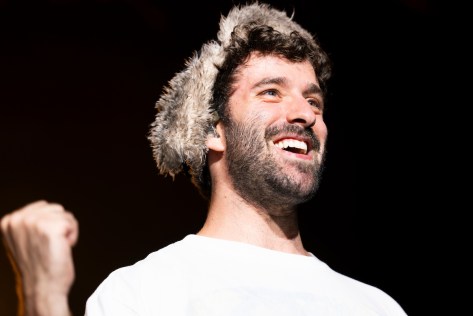
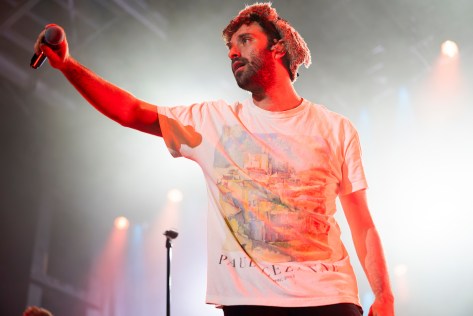
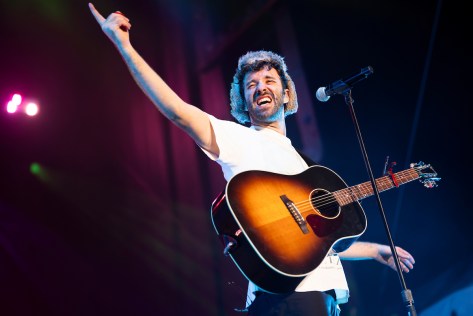
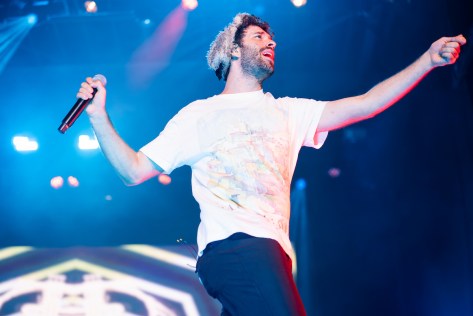
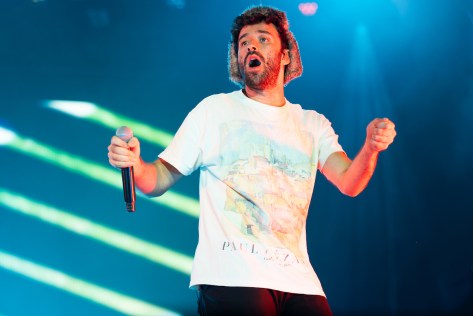
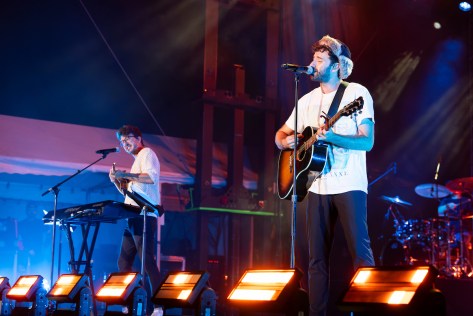
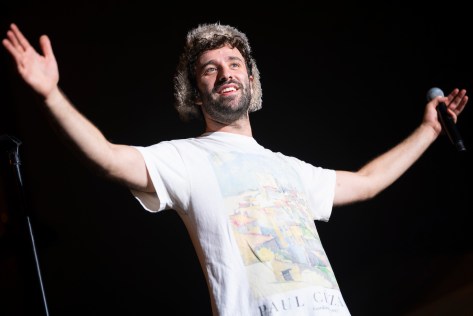
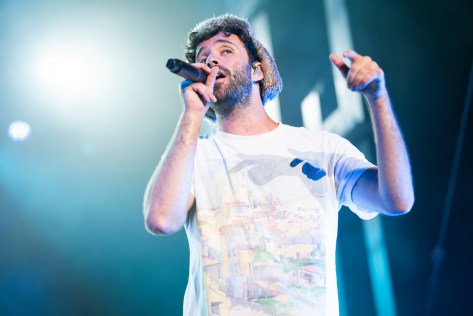
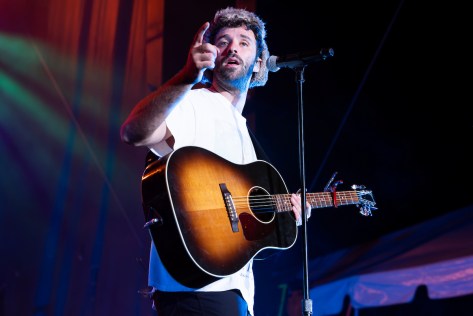
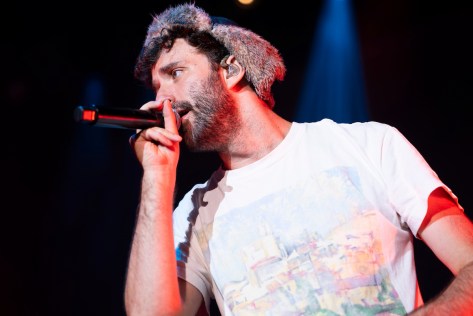
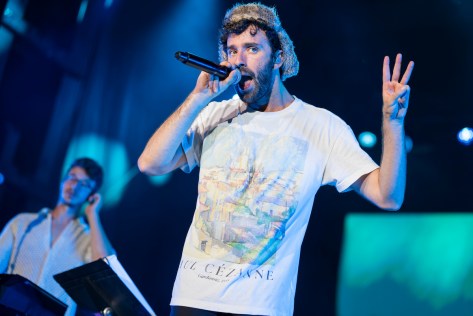
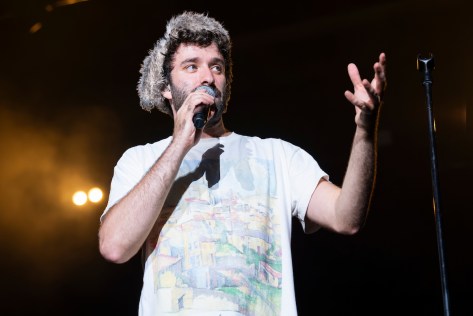
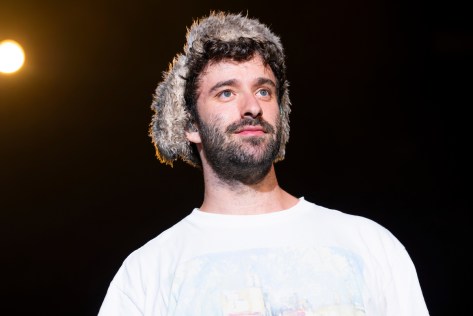
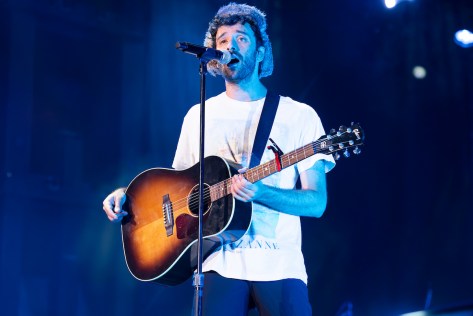
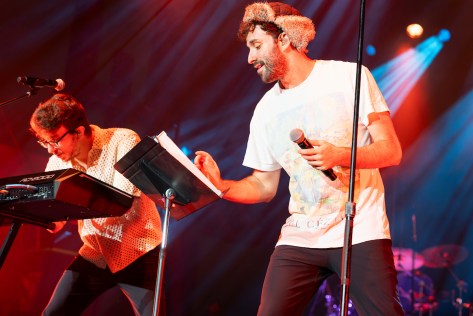
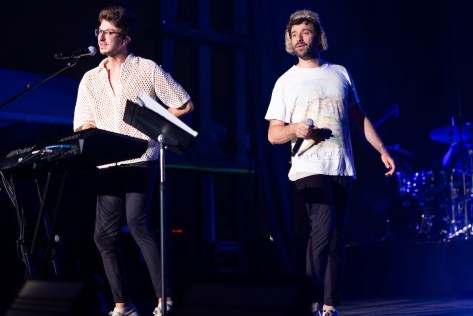
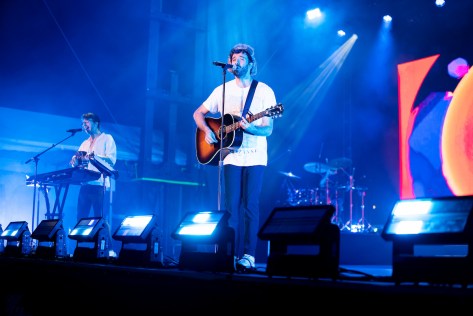
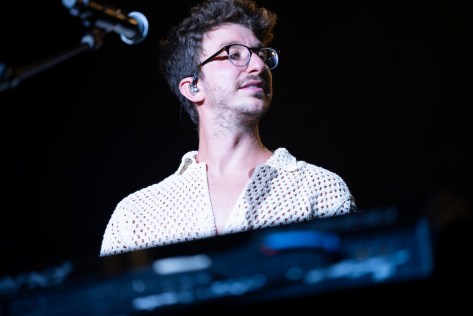
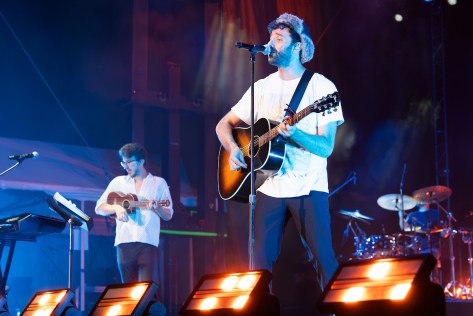
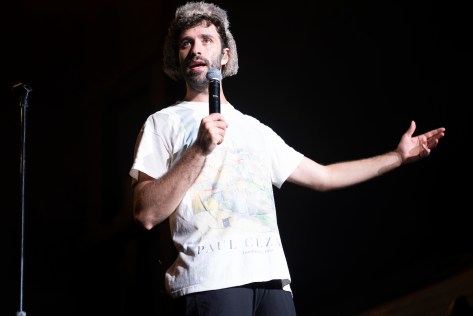
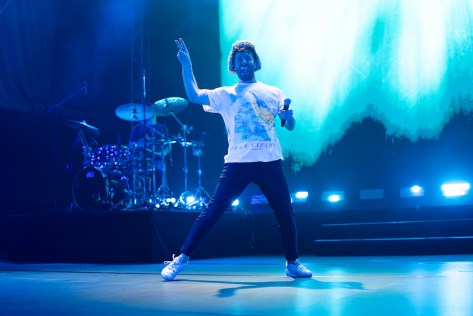
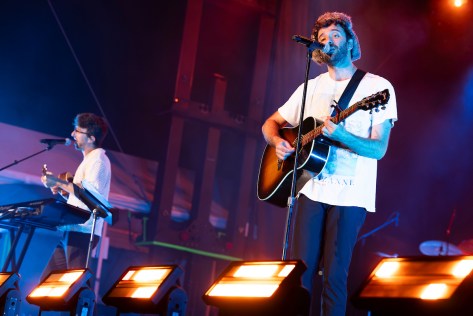
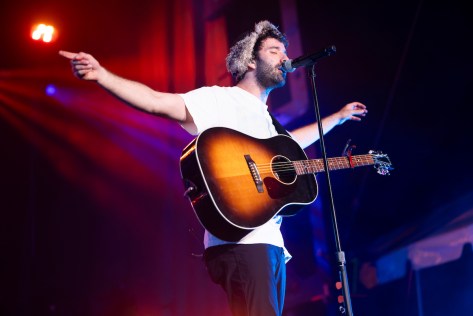
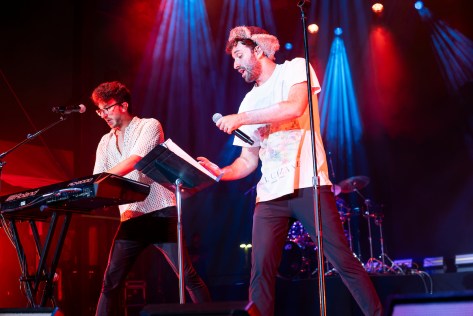
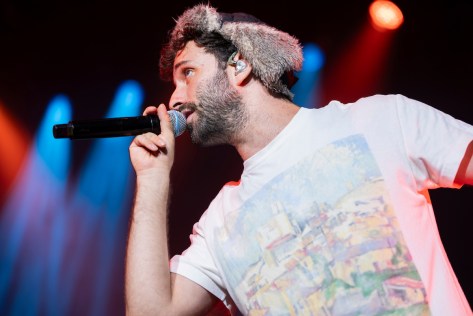
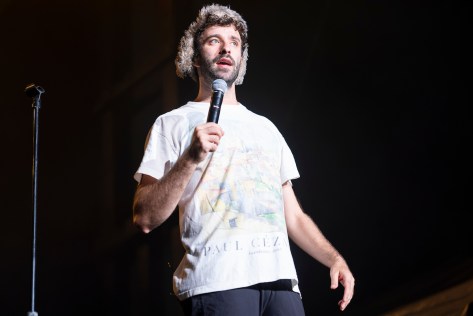
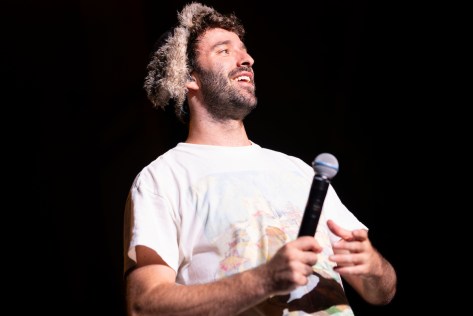
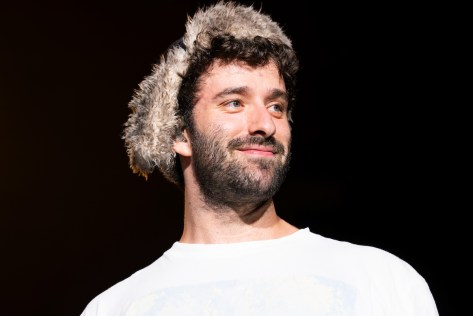
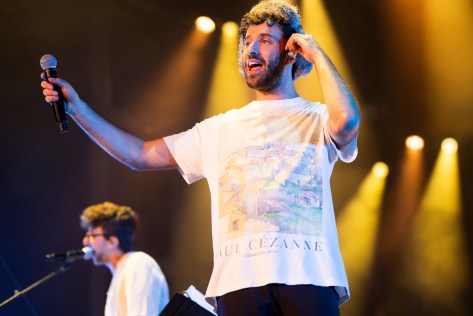
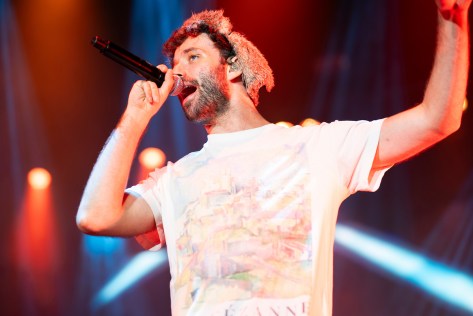
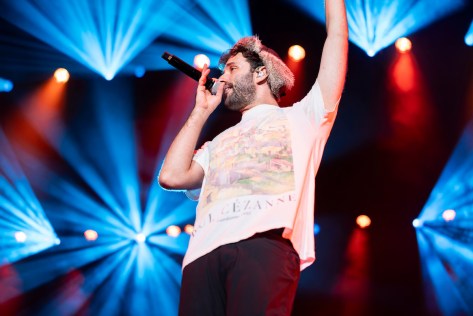
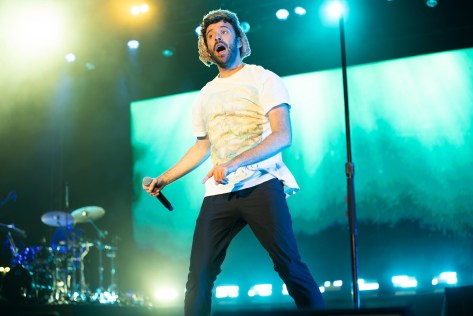
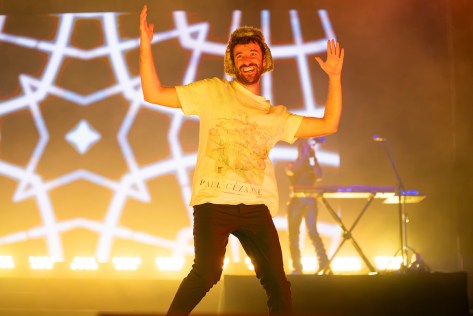
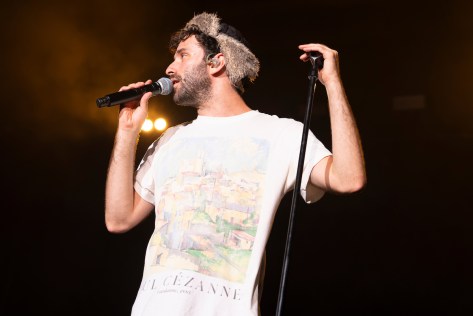
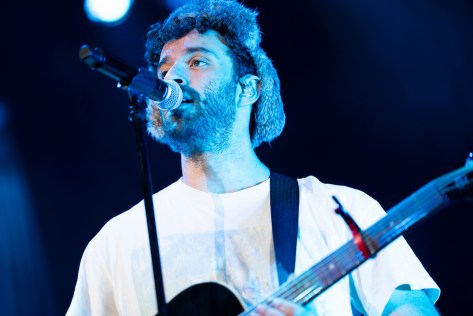
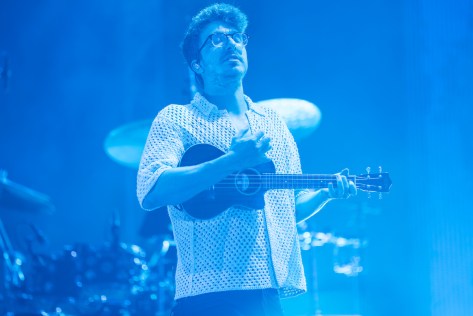
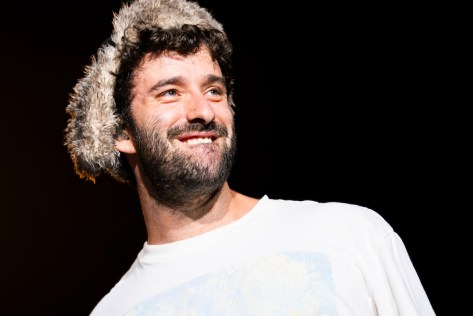
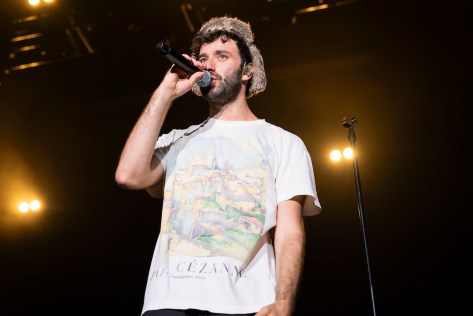
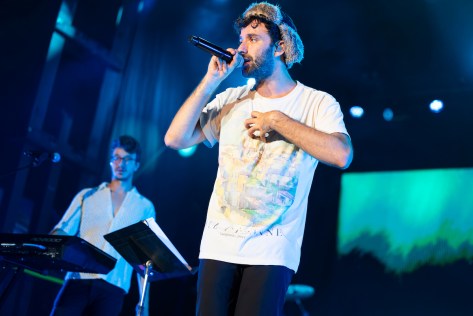
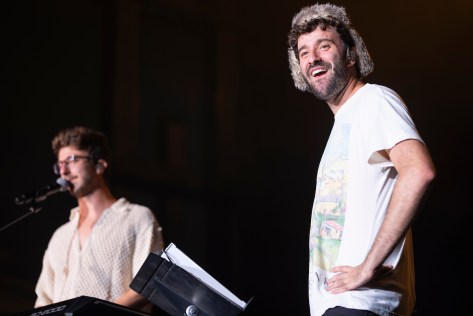
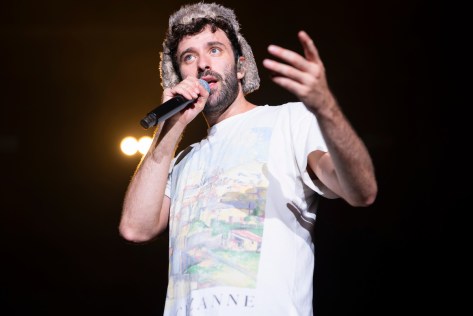
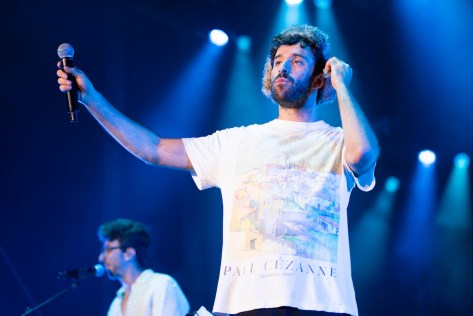
AJR makes its Wisconsin State Fair debut at the Milwaukee Mile on Saturday, Aug. 15, 2026 (Photo by Dan Garcia).
AJR has developed a strong relationship with Wisconsin through its many Summerfest appearances, but Saturday night brought the indie-pop band somewhere new: the Wisconsin State Fair.
Making its State Fair debut at the Milwaukee Mile, AJR delivered a condensed version of the ambitious production that has carried the group from festival stages to arenas. The performance packed plenty of hits, surprises, theatrical touches and signature AJR weirdness into a brisk 14-song set.
Following the recorded “OK Overture,” AJR wasted little time getting to familiar material. “Bummerland” opened the live portion of the concert, immediately establishing the upbeat tone that would carry much of the evening. “Sober Up,” “Way Less Sad” and “Karma” followed, giving the audience one recognizable song after another before “Bang!” provided the first major peak of the night.
It was an especially front-loaded setlist, but that worked well in a State Fair environment. Unlike an arena filled almost exclusively with devoted fans, a fair concert can attract everyone from longtime followers to casual listeners who simply recognize the radio singles. AJR made sure both groups had something familiar to latch onto within the opening minutes.
Even without Adam Met, the performance never felt short on energy. Jack Met remained one of pop music’s most animated frontmen, constantly giving the audience something to watch while Ryan Met moved between instruments and helped guide the show through its frequent shifts in sound and mood.
That contrast between the two brothers remains one of the most effective parts of an AJR concert. Jack provides the kinetic energy at the front of the stage, while Ryan often feels like the person pulling the musical strings behind him. Together, they make songs built from countless electronic layers feel surprisingly human in a live setting.
The concert also demonstrated why AJR’s music translates so well to a large outdoor stage. Its songs are filled with sudden stops, booming horns, vocal effects and dramatic crescendos that almost demand a visual accompaniment. Rather than simply performing the studio versions, the band regularly built little scenes around the music, making the show feel closer to a carefully paced theatrical production than a standard festival set.
At times, that level of precision can make an AJR performance feel rehearsed down to the second. But that is also part of the appeal. The band has never tried to present itself as a loose, spontaneous rock group. Its identity comes from showing the audience how many strange ideas and moving pieces can be packed into a pop song without losing the melody underneath.
That creativity extended beyond AJR’s own catalog. A cover of Fountains of Wayne’s “Stacy’s Mom” was an unexpected addition, but its playful power-pop sound fit comfortably alongside the band’s material. AJR did not need to completely reinvent the early-2000s hit for it to work; the song’s humor, huge chorus and slightly offbeat personality already made it feel like a natural choice.
“Ordinaryish People” and “The Good Part” followed before the concert began moving into more emotional territory. Those songs helped prevent the nonstop energy of the opening stretch from becoming exhausting, allowing the audience—and the performance itself—a chance to breathe.
Ryan then delivered a piano-driven version of “Inertia,” stripping back one of AJR’s most emotional songs and placing greater emphasis on its lyrics. In a performance filled with rapid visual changes and carefully constructed production, the relative simplicity of the arrangement made it stand out.
The most memorable shift of the night came when Jack and Ryan left the stage and moved into the crowd for “World’s Smallest Violin” and “Steve’s Going to London.” Both songs were already obvious singalong opportunities, but performing them among the audience turned two of the band’s biggest streaming-era favorites into the evening’s most personal moments.
It also reinforced AJR’s ability to balance spectacle with accessibility. The show may have been filled with technology, effects and tightly timed transitions, but the brothers were still willing to remove some of that distance and meet their audience where it stood. For fans farther from the stage, it offered a much closer look than they likely expected when they took their seats.
AJR has also always been unusually open about how its music is assembled. Rather than hiding the samples, effects and unconventional sounds behind its songs, the band often makes that construction part of the performance. “100 Bad Days” arrived with an introduction demonstrating how the song came together, turning the concert into a brief behind-the-scenes lesson.
For another artist, stopping to explain a song’s ingredients might have slowed the evening down. For AJR, it felt entirely on brand. The band’s music has always carried a homemade sense of curiosity, as though every track began with the brothers asking what would happen if they combined sounds that were never intended to fit together.
The final stretch delivered exactly what the audience wanted. “Burn the House Down” brought one of the concert’s biggest bursts of energy, its booming production sounding especially fitting at the Milwaukee Mile. After the “How We Made It” introduction to “100 Bad Days,” AJR closed the night with “Weak.”
Ending with “Weak” was predictable, but it was also the correct decision. The song remains one of the clearest examples of the band’s formula: self-deprecating lyrics, an instantly recognizable hook and production designed to grow larger with every chorus. With the crowd singing along, it brought AJR’s first Wisconsin State Fair performance to an appropriately loud conclusion.
It may have taken AJR several successful Milwaukee visits to finally reach the Wisconsin State Fair, but the band looked perfectly at home once it arrived. In a setting known for oversized food, loud attractions and sensory overload, AJR somehow managed to fit right in.
AJR makes its Wisconsin State Fair debut at the Milwaukee Mile on Saturday, Aug. 15, 2026 (Photo by Dan Garcia).
Train performs during the “Drops of Jupiter: 25 Years in the Atmosphere Tour” at Breese Stevens Field in Madison, Wisconsin, on Saturday, Aug. 8, 2026. Photo by Deanna Glatczak.
Photos by Deanna Glatczak
Train brought the Drops of Jupiter: 25 Years in the Atmosphere Tour to Breese Stevens Field on Saturday, August 8, turning a summer night in Madison into a celebration of one of pop-rock’s most enduring albums. With Barenaked Ladies and Matt Nathanson completing the bill, the evening unfolded as a three-act trip through decades of familiar hooks, heartfelt songwriting and field-wide singalongs.
Nathanson opened the show with the warmth and conversational charm that have long defined his performances. His songs are rooted in direct emotions and small, recognizable details, giving the large outdoor setting an unexpectedly personal beginning. It was an easygoing introduction to a night built around music that audiences have carried with them for years.
Barenaked Ladies followed with the mix of musicianship, humor and rapid-fire wordplay that has made the Canadian band such a distinctive live act. Their playful energy gave the middle of the evening its own personality while keeping the crowd fully involved. On a tour filled with nostalgia, the band reminded Madison that familiar songs can still feel spontaneous when the performers leave room for fun.
By the time Train took the stage, the night had already become a celebration of longevity. This year marks a quarter-century since the release of Drops of Jupiter, the 2001 album that transformed the group’s career and produced its Grammy-winning title track. Twenty-five years later, those songs no longer belong only to the moment in which they were released; they have become part of the memories, relationships and milestones of the people singing along.
That history gave Train’s performance a sense of scale, but the band’s appeal still came down to something immediate. Pat Monahan has always delivered the group’s biggest choruses with a combination of polish and openness, making songs designed for radio and amphitheaters feel personal. At Breese Stevens Field, that balance turned the audience into one shared voice.
The historic outdoor stadium also felt like an ideal setting for the anniversary. It was large enough to give the songs the celebration they deserved, yet contained enough to preserve the connection at the center of them. As daylight faded over Madison, the concert moved naturally from Nathanson’s singer-songwriter intimacy to Barenaked Ladies’ playful pop and finally to Train’s full-scale closing set.
The evening looked back without feeling trapped in the past. Train remains an active band with new music ahead, but Saturday made a persuasive case for pausing to recognize the album that changed everything. A quarter-century after Drops of Jupiter first entered the atmosphere, its emotional pull, and the crowd’s desire to sing every word, showed no sign of falling back to Earth.
Deanna Glatczak captured Train, Barenaked Ladies and Matt Nathanson during their summer night at Breese Stevens Field. Check out the photo gallery below.
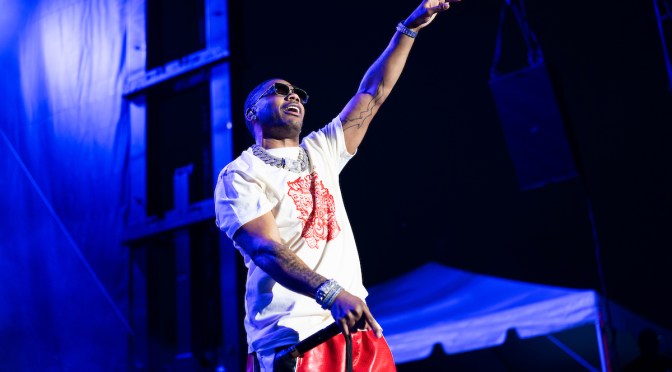
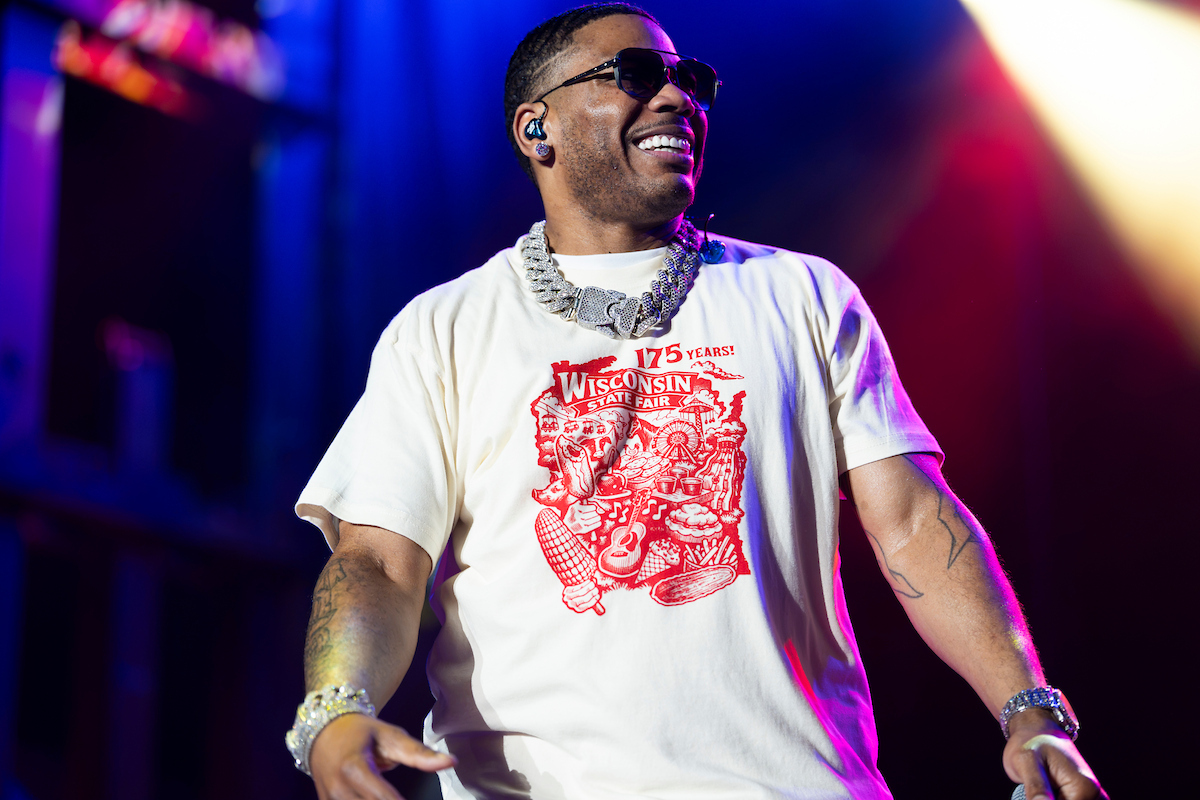
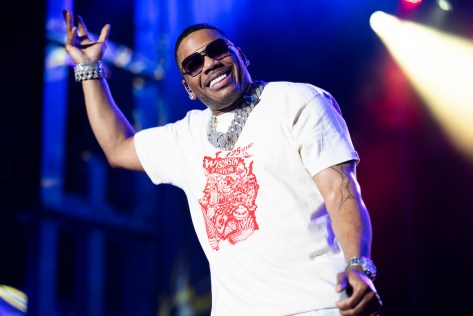
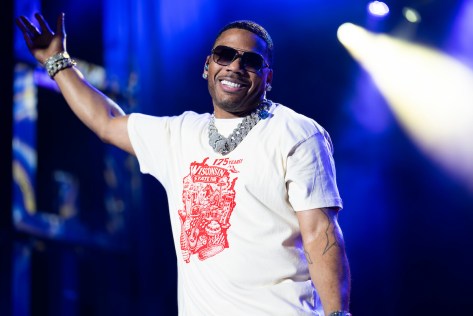
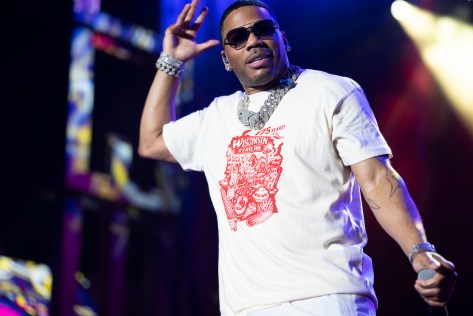
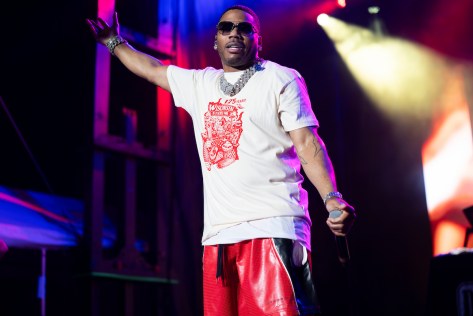
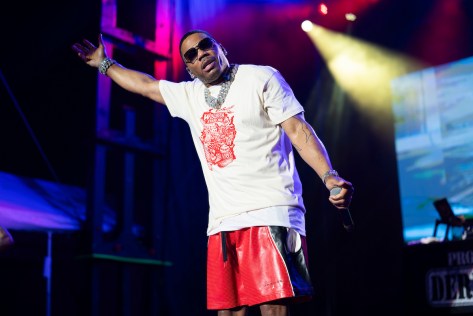
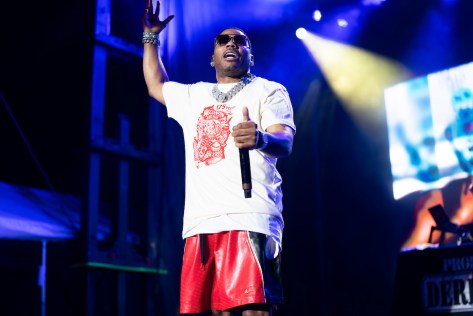
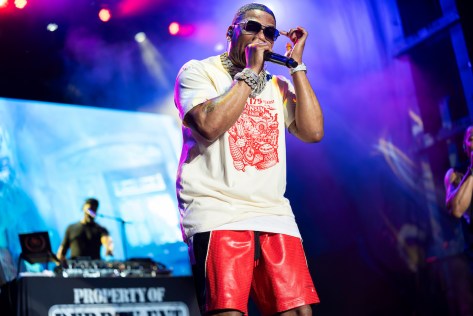
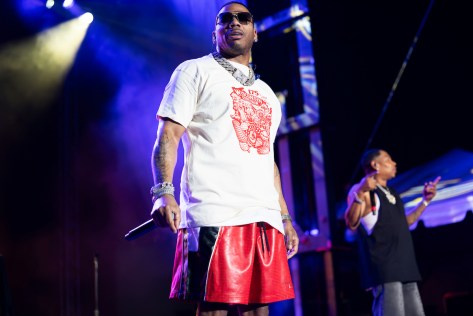
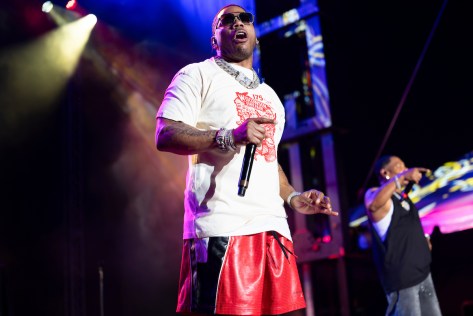
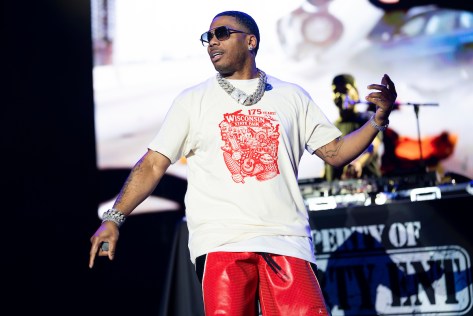
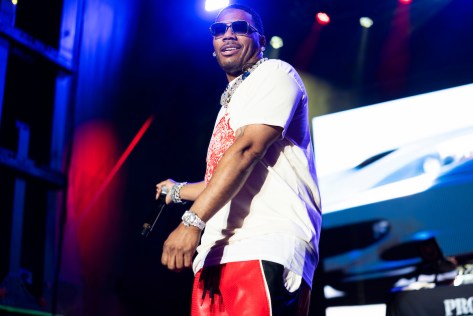
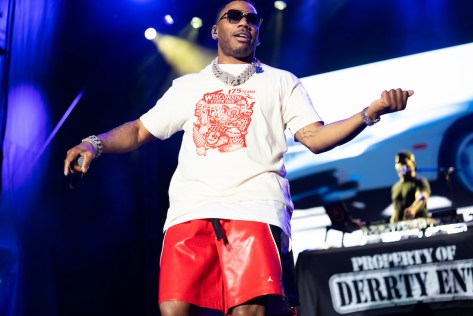
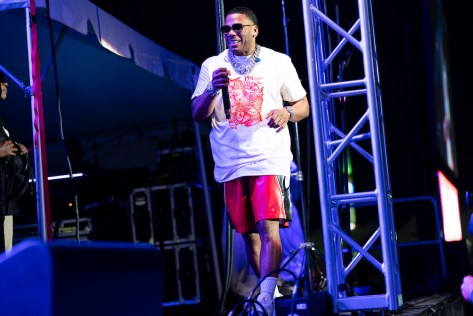
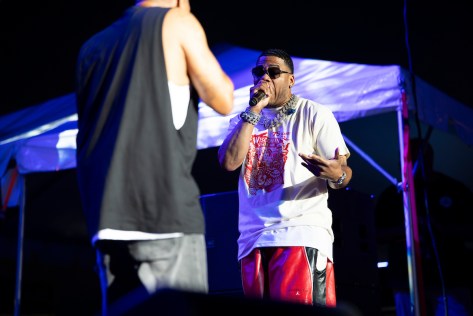
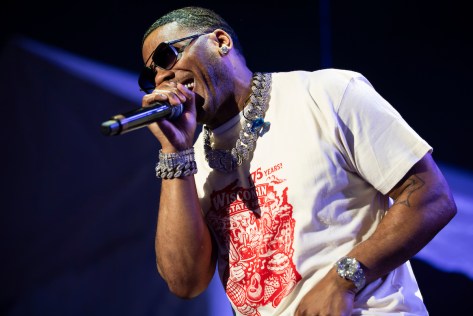
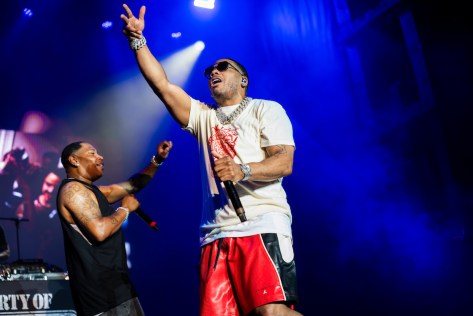
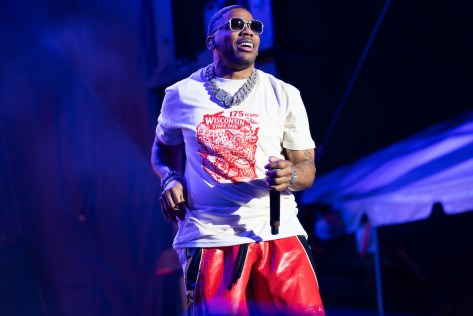
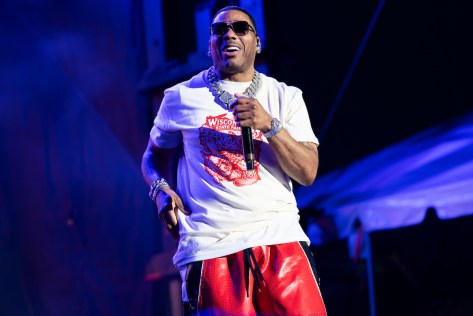
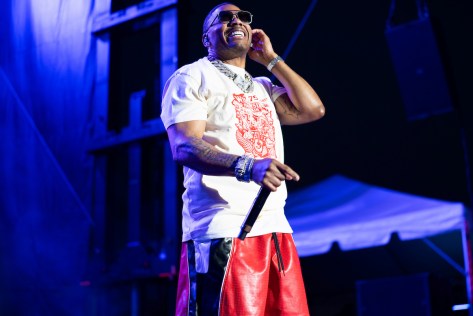
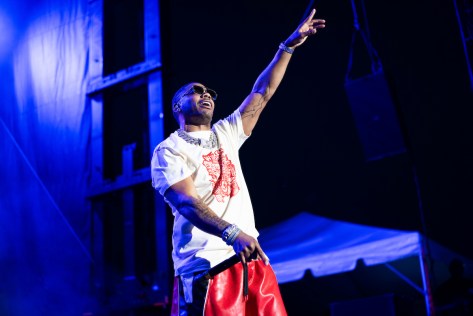
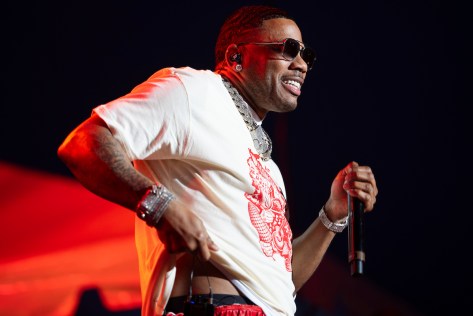
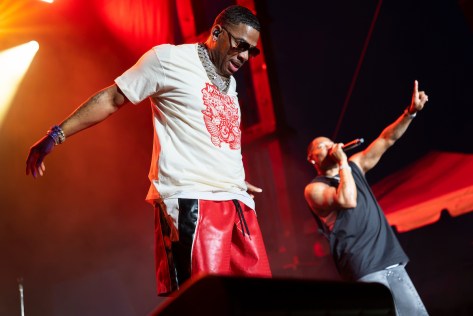
Nelly performs at the Bank Five Nine Main Stage during the Wisconsin State Fair in West Allis, Wisconsin, on Friday, Aug. 7, 2026. (Photo by Dan Garcia/The Early Registration)
Nelly didn’t need to say much to establish that Friday night’s concert was tailored specifically for Wisconsin.
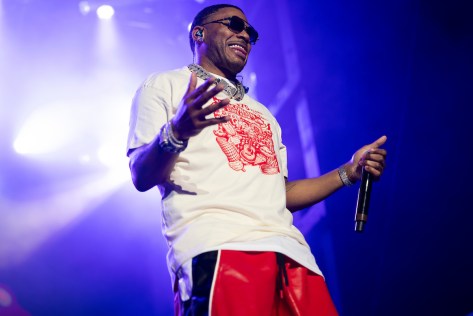
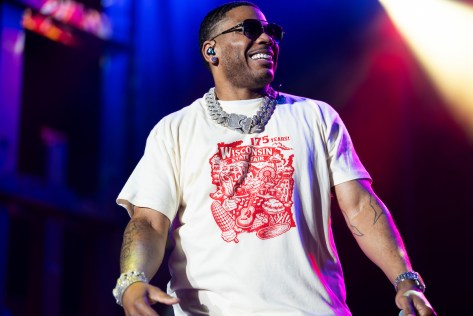
The three-time Grammy winner arrived on the Bank Five Nine Main Stage wearing a Wisconsin State Fair T-shirt, immediately transforming what could have been another stop on the summer circuit into something that felt distinctly local. It was a simple gesture, but also the perfect visual introduction to a performance built on familiarity, personality and more than two decades of hits.
With the shirt across his chest and a catalog seemingly made for summer nights, Nelly looked completely at home at the fair.
The St. Louis rapper wasted little time getting to the songs that made him one of the defining voices of the early 2000s. “Where the Party At” served as a fitting introduction before “E.I.” and “Shake Ya Tailfeather” accelerated the set. “Batter Up,” “Air Force Ones,” “Country Grammar” and “Ride Wit Me” continued an opening stretch that played like a greatest-hits collection before the concert had even reached its midpoint.
For longtime fans, the sequence offered one reminder after another of just how deep Nelly’s catalog runs. Those songs have lived far beyond the albums that introduced them, becoming staples of radio stations, parties, sporting events and playlists shared between generations.
That familiarity also made the concert especially effective in a State Fair setting. Nelly didn’t need elaborate storytelling between every track because the songs carried their own histories. A beat, a hook or one of his unmistakable opening lines was enough to transport listeners back to a different summer.
The middle of the performance demonstrated the range that helped his music reach such an unusually broad audience. “Cruise,” “Lil Bit” and “Over and Over” revisited his country-crossover success, while “Pimp Juice,” “Grillz” and “Move That Body” returned the show to the swagger and club-ready energy at the center of his career.
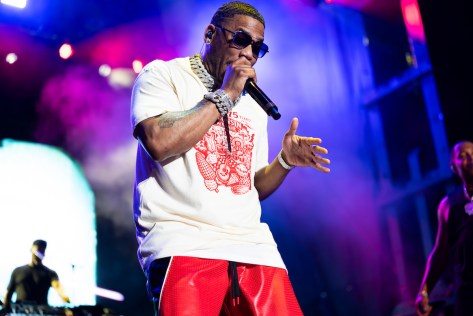
Nelly performs at the Bank Five Nine Main Stage during the Wisconsin State Fair in West Allis, Wisconsin, on Friday, Aug. 7, 2026. (Photo by Dan Garcia/The Early Registration)
Nelly has always existed comfortably between genres. His music can move from hip-hop to pop, R&B and country without making those shifts feel unnatural. At the State Fair, that versatility allowed him to connect with a crowd whose relationship with his music likely began in very different places.
Some may remember buying Country Grammar or Nellyville when they were new. Others may know “Hot in Herre” from countless parties or “Dilemma” through social media and streaming playlists. Friday’s performance brought those different points of entry together.
Nelly saved three of his most recognizable songs for the finish, beginning with “Hot in Herre.” More than two decades after its release, the track remains virtually automatic in a live setting. It only takes the opening seconds for a crowd to understand what is coming.
“Dilemma” followed, shifting the mood from celebration to one of the biggest rap-and-R&B collaborations of its generation. The evening then closed with “Just a Dream,” giving the finale a more reflective tone and proving that Nelly’s catalog can still produce a massive communal moment even when the tempo slows.
Together, the final three songs neatly summarized the range of his career: a party anthem, a crossover duet and an emotional pop-rap ballad.
Friday’s concert wasn’t about introducing a new version of Nelly. It was about demonstrating why the original has endured.
His songs remain immediately identifiable, accessible across genres and attached to memories that span more than 25 years. At the Wisconsin State Fair, he delivered them with the ease of an artist who understands that sometimes the strongest performance is simply giving fans exactly what they came to hear.
Check out our photos from Nelly’s performance at the Wisconsin State Fair below.
Photos by Dan Garcia/The Early Registration
Nelly performs at the Bank Five Nine Main Stage during the Wisconsin State Fair in West Allis, Wisconsin, on Friday, Aug. 7, 2026. (Photo by Dan Garcia/The Early Registration)
Nelly performs at the Bank Five Nine Main Stage during the Wisconsin State Fair in West Allis, Wisconsin, on Friday, Aug. 7, 2026. (Photo by Dan Garcia/The Early Registration)
Your Music Source for News, Reviews, Interviews and Much More!