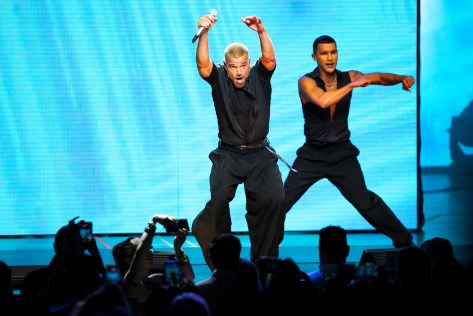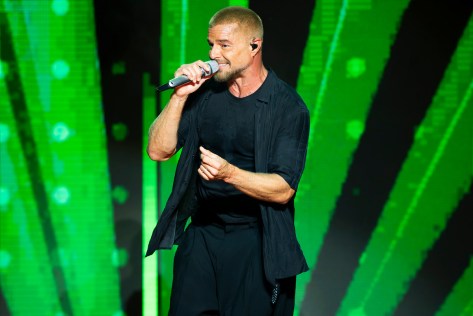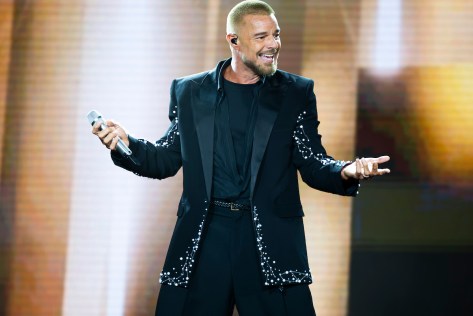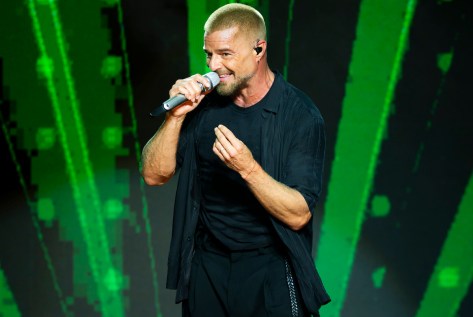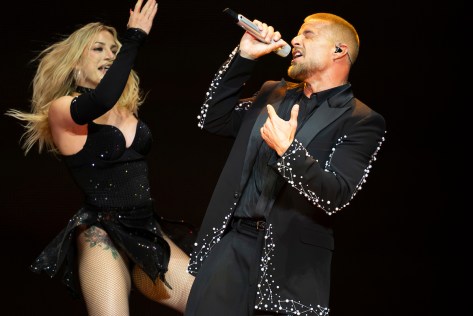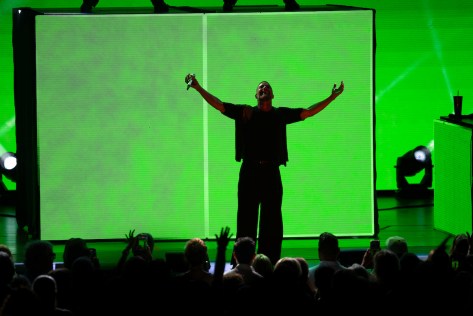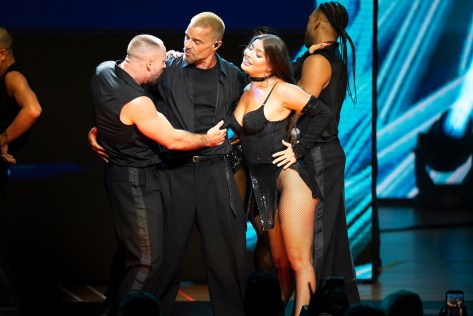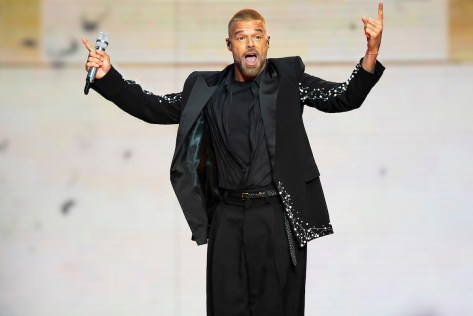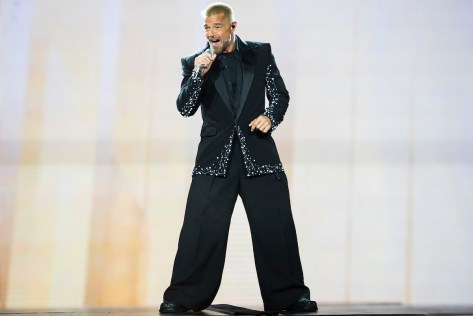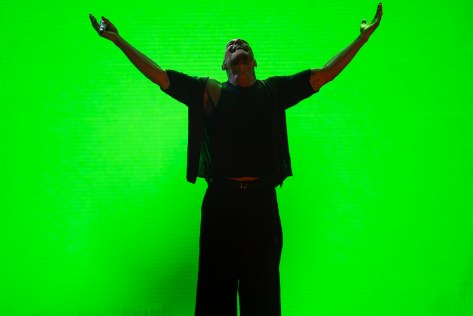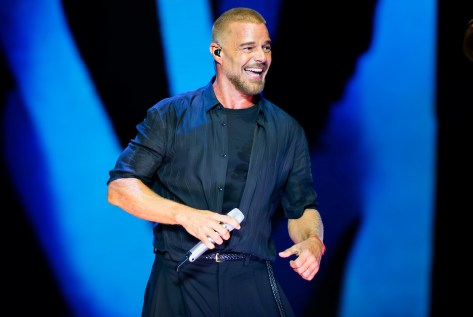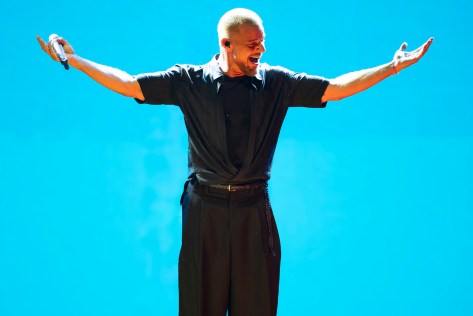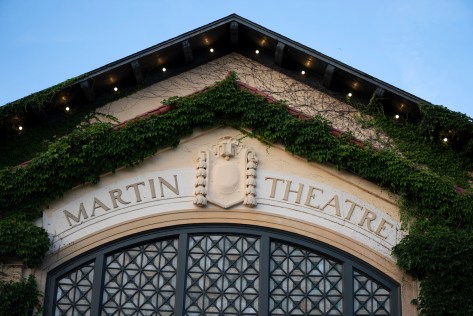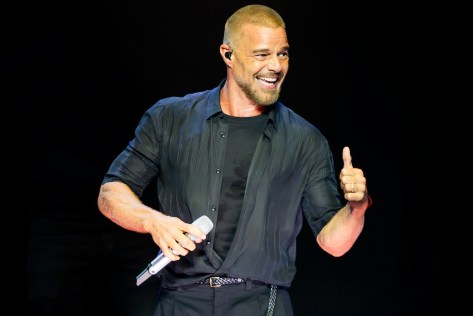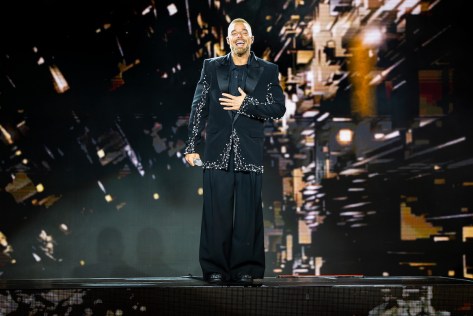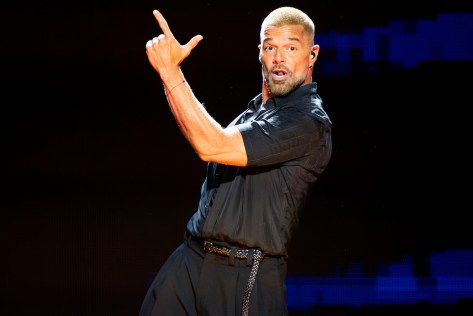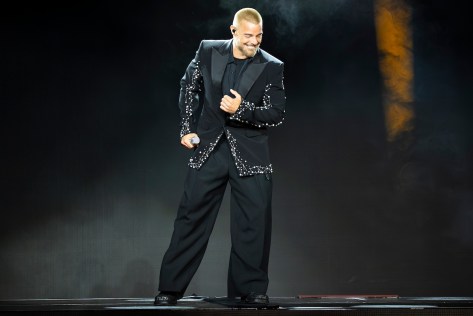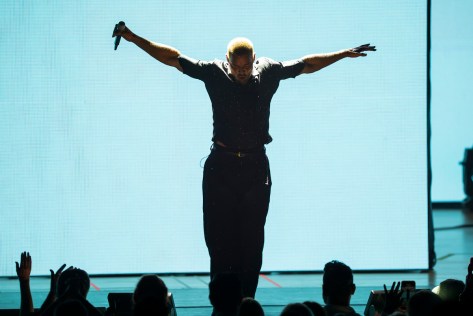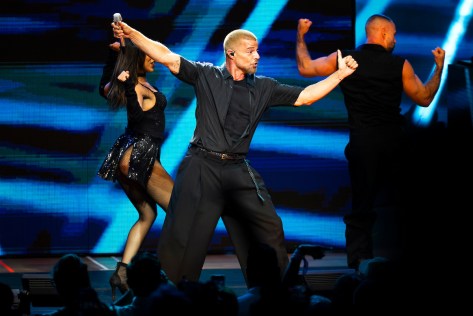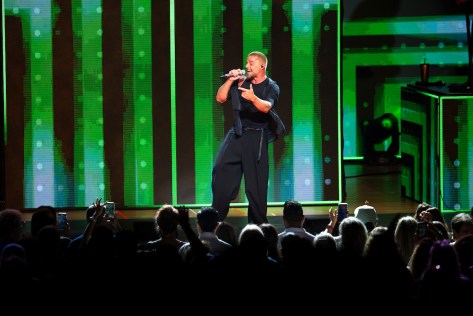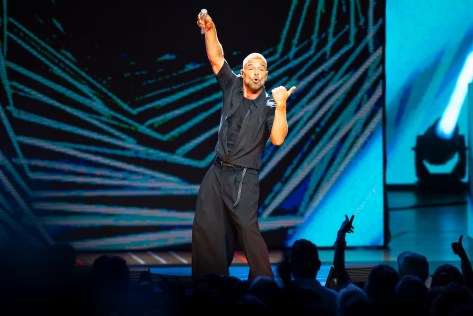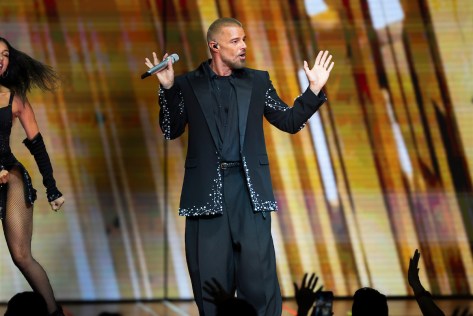

After more than three decades of international stardom, Ricky Martin finally made his Ravinia debut on Thursday night, bringing a whirlwind tour of Latin-pop history to the newly renovated Hunter Pavilion.
For 90 minutes, the Puerto Rican superstar moved between Spanish-language favorites, turn-of-the-century American smashes and more recent streaming successes. While Martin’s ubiquitous run atop the U.S. charts may be more than 25 years behind him, his energetic Ravinia performance demonstrated why his global popularity lasted well beyond the height of the late-’90s Latin-pop explosion.
Here are 10 reasons Ricky Martin’s Ravinia debut was worth the wait.
1. Because his Ravinia debut was long overdue
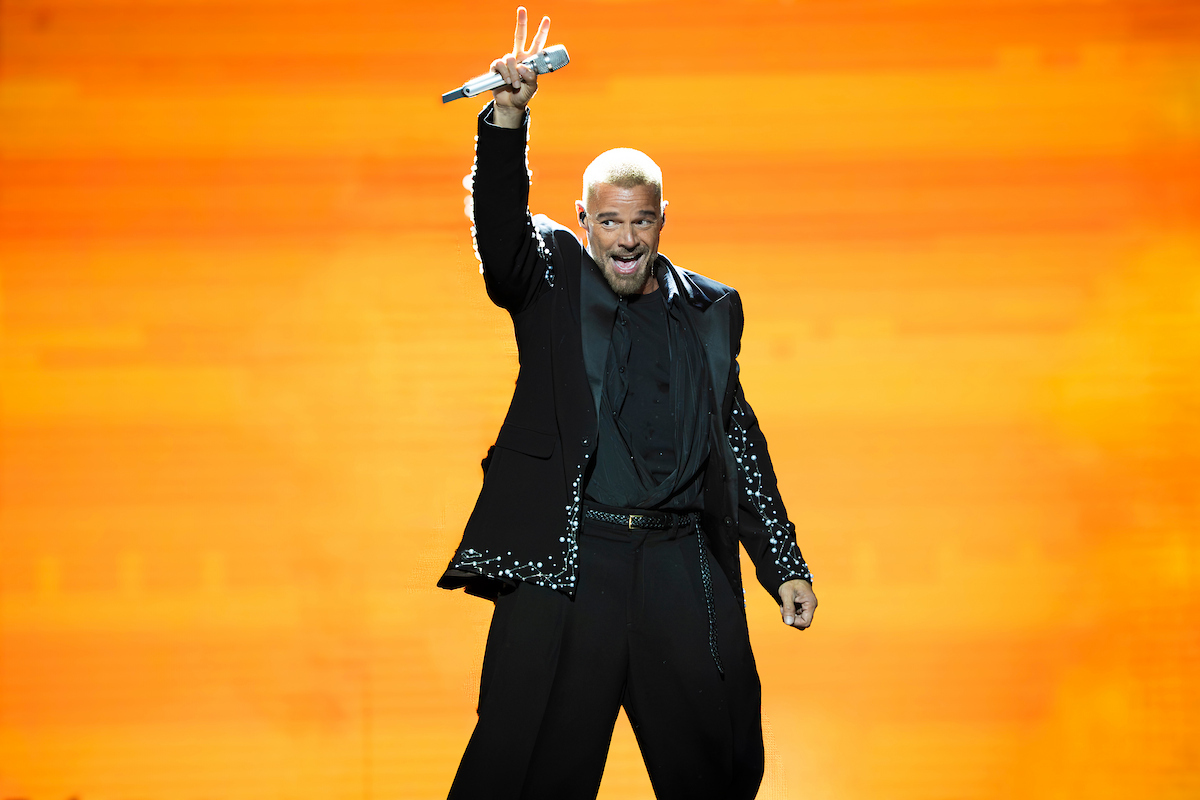
Martin has been performing since joining Menudo at age 12 and has spent decades headlining venues around the world. Somehow, however, his lengthy career had never brought him to Ravinia before Thursday night.
That made his first appearance at the Highland Park festival feel like a special occasion, particularly as it arrived during a year in which Martin returned to the American spotlight with a surprise appearance on one of the world’s biggest stages.
2. Because Ravinia is one of the most unique places to catch a concert
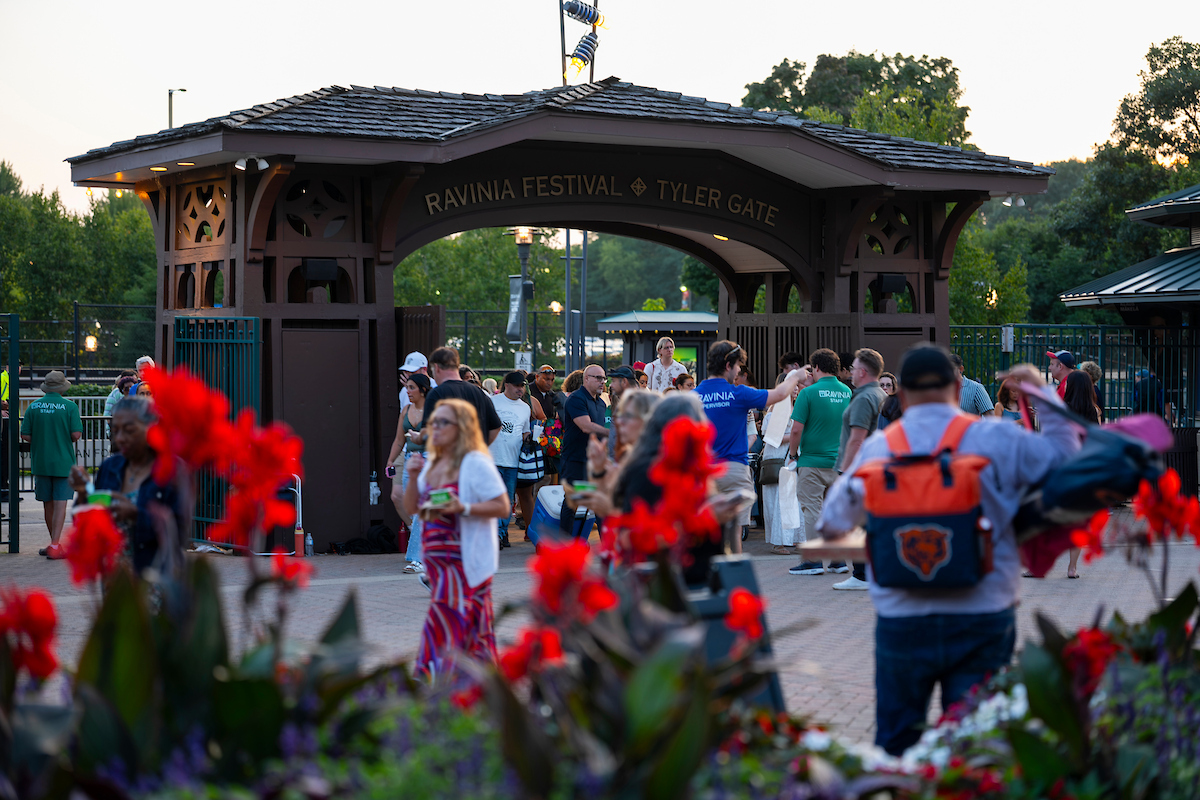
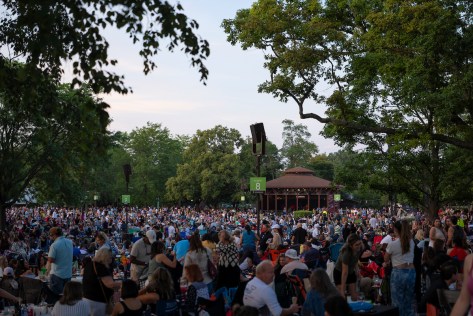
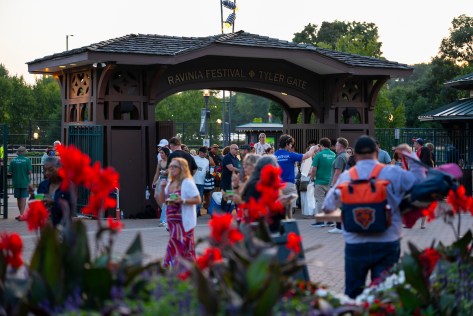
A Ricky Martin show can fill arenas and stadiums, but Ravinia provided an experience that few traditional venues could duplicate. Fans arrived early with elaborate picnics, spread out across the lawn and enjoyed a summer evening beneath the trees before Martin took the stage.
Once the music began, the relaxed atmosphere transformed into an outdoor dance party. The combination of Martin’s arena-sized energy and Ravinia’s intimate, picturesque surroundings made his debut feel unlike another ordinary stop on the tour.
3. Because the renovated pavilion was ready for a pop spectacle
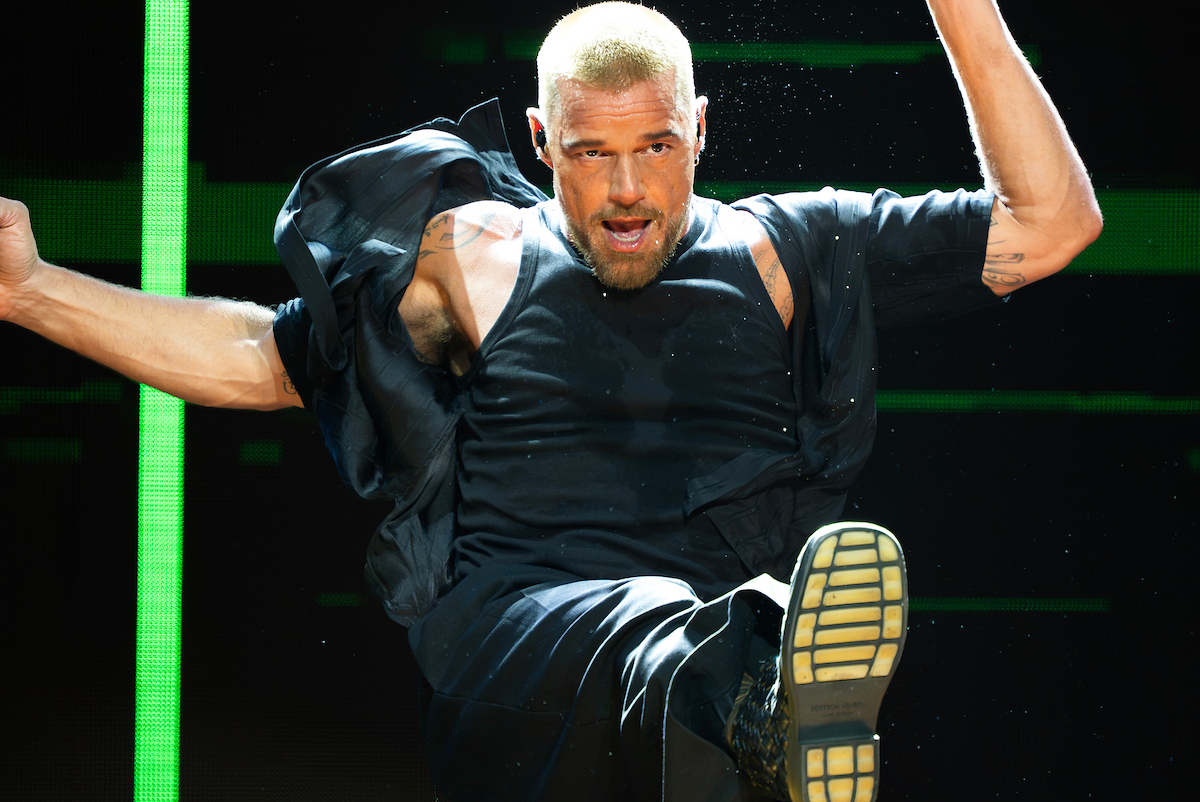
Martin also arrived during the inaugural season of Ravinia’s transformed Hunter Pavilion, part of the festival’s ongoing, campus-wide renovation project.
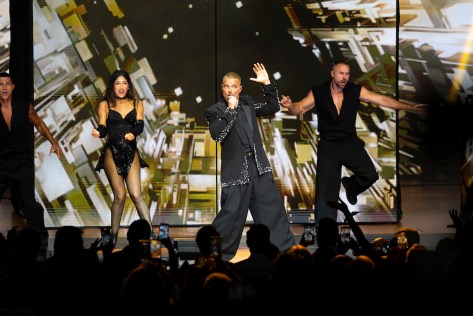
The modernized space retained the open-air personality of the historic venue while providing a refreshed setting capable of hosting Martin’s polished production. If Ravinia wanted an artist to show off what its renovated centerpiece could handle, the consummate showman was an ideal choice.
4. Because 90 minutes was barely enough time to catch your breath
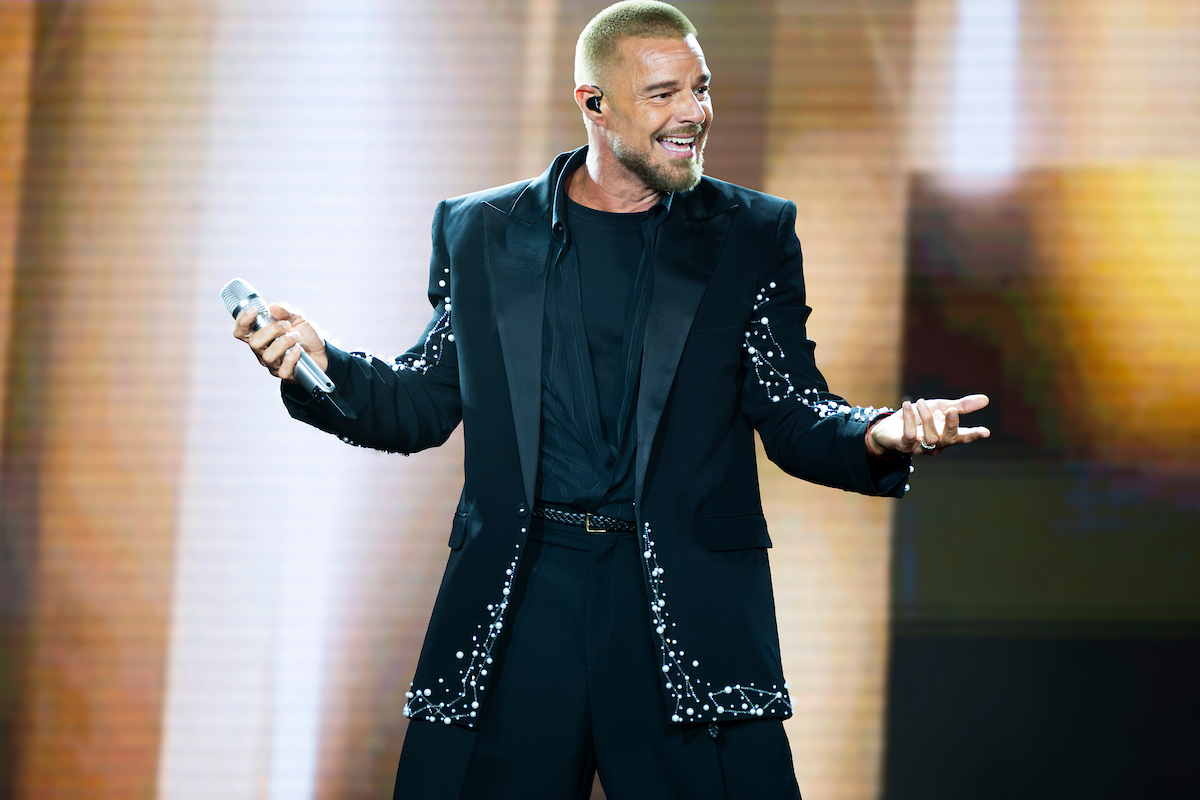
Martin performed for approximately an hour and a half, but the show rarely lost momentum. He packed the evening with dance-floor anthems, romantic ballads, choreography and hits pulled from several different periods of his career.
Even the slower selections felt deliberately placed, giving Martin and the audience brief opportunities to breathe before the tempo accelerated again.
5. Because “María” remains irresistible in any language

Long before “Livin’ la Vida Loca” made Martin unavoidable on American radio, “María” helped introduce him to audiences around the world.
Its famous “un, dos, tres” refrain still required no translation at Ravinia. The song’s instantly recognizable rhythm and chorus made it one of the evening’s most joyous reminders that Martin was already an international star before much of the United States knew his name.
6. Because he reminded everyone that his catalog started long before 1999

For casual American listeners, Ricky Martin’s career may begin with his explosive performance of “The Cup of Life” at the 1999 Grammy Awards and the release of “Livin’ la Vida Loca” shortly afterward.
Thursday’s set told a much more complete story. Songs such as “María,” “Vuelve,” “La bomba” and “Por arriba, por abajo” showed that his English-language crossover was not the beginning of his success. It was simply the moment America caught up with a phenomenon that had already spread across much of the world.
7. Because the bilingual setlist never felt divided
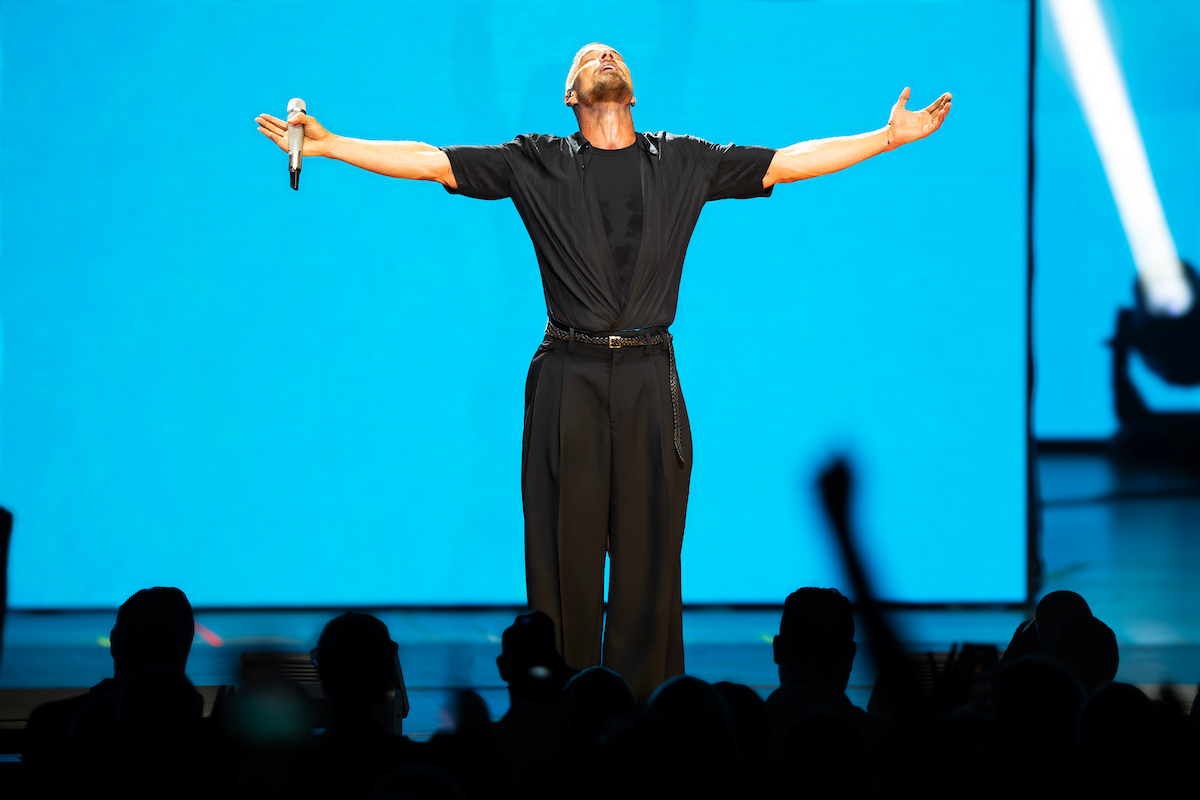
Martin transitioned naturally between Spanish- and English-language songs rather than separating the concert into two distinct halves. “She Bangs,” “Shake Your Bon-Bon” and “She’s All I Ever Had” comfortably shared the program with “Pégate,” “Tu recuerdo,” “La mordidita” and “Vente Pa’ Ca.”
The balance allowed different segments of the audience to recognize different favorites while presenting every era and language as part of the same career.
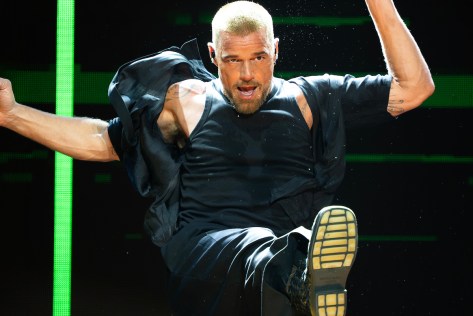
8. Because his dancing has lost remarkably little electricity

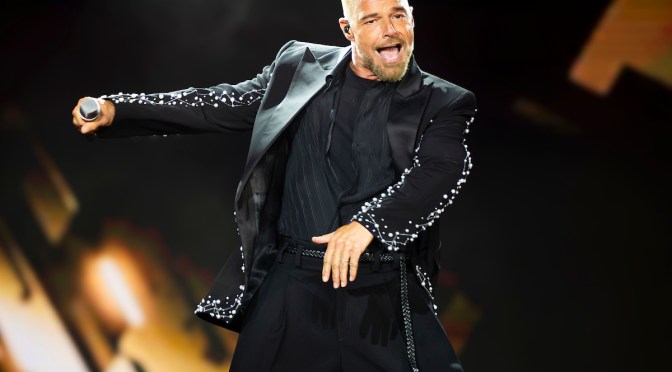
At 54, Martin was not interested in presenting a stationary greatest-hits performance. He moved across the stage with the confidence, physicality and charisma that helped make him one of pop music’s defining performers.
More importantly, the choreography never appeared to be included solely to recreate the past. Martin performed like an artist still determined to defend his reputation as an elite entertainer.
9. Because his Super Bowl cameo suddenly felt like a preview
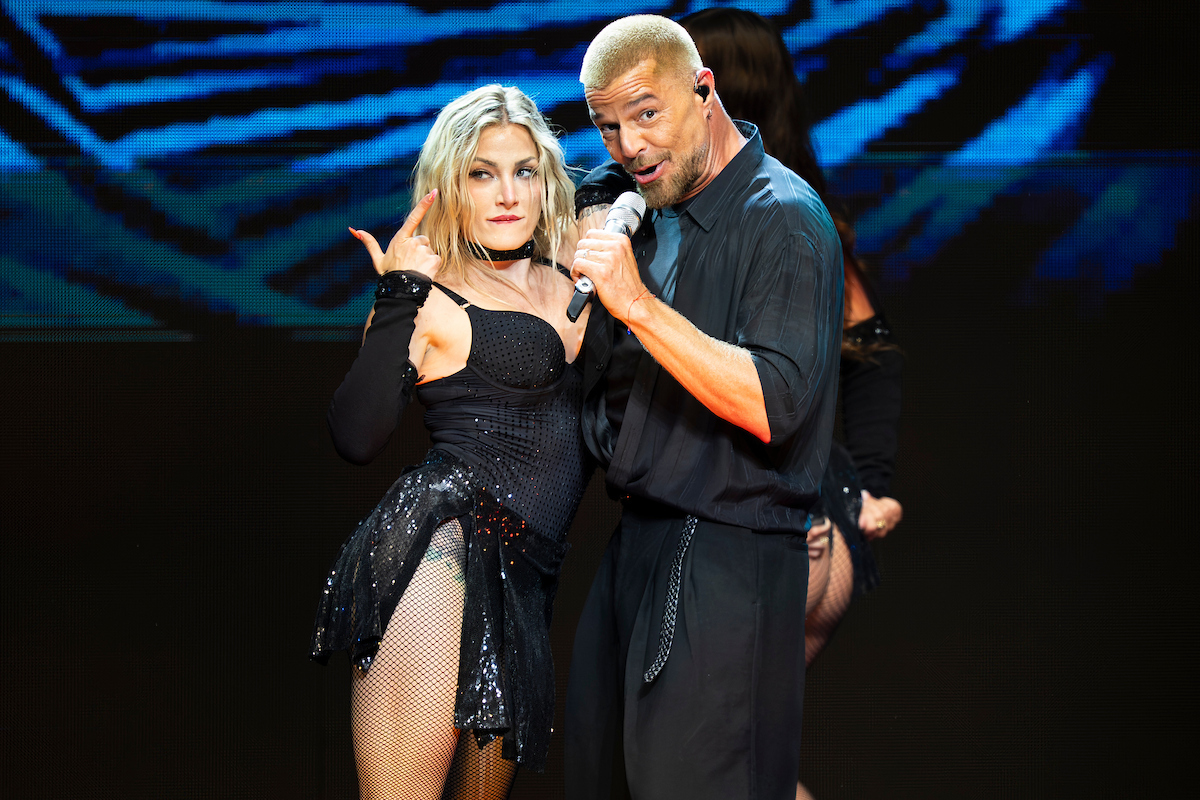
Just six months before his Ravinia debut, Martin made a surprise appearance during Bad Bunny’s Super Bowl LX halftime show, performing “LO QUE LE PASÓ A HAWÁI” during the first halftime production presented entirely in Spanish.
The moment connected two generations of Puerto Rican superstardom. Bad Bunny represents Latin music’s current position at the center of global pop culture, while Martin helped open many of those doors decades earlier. His appearance also introduced him to a younger audience just in time for Thursday’s career-spanning celebration.
10. Because “Livin’ la Vida Loca” and “The Cup of Life” made an unbeatable finish
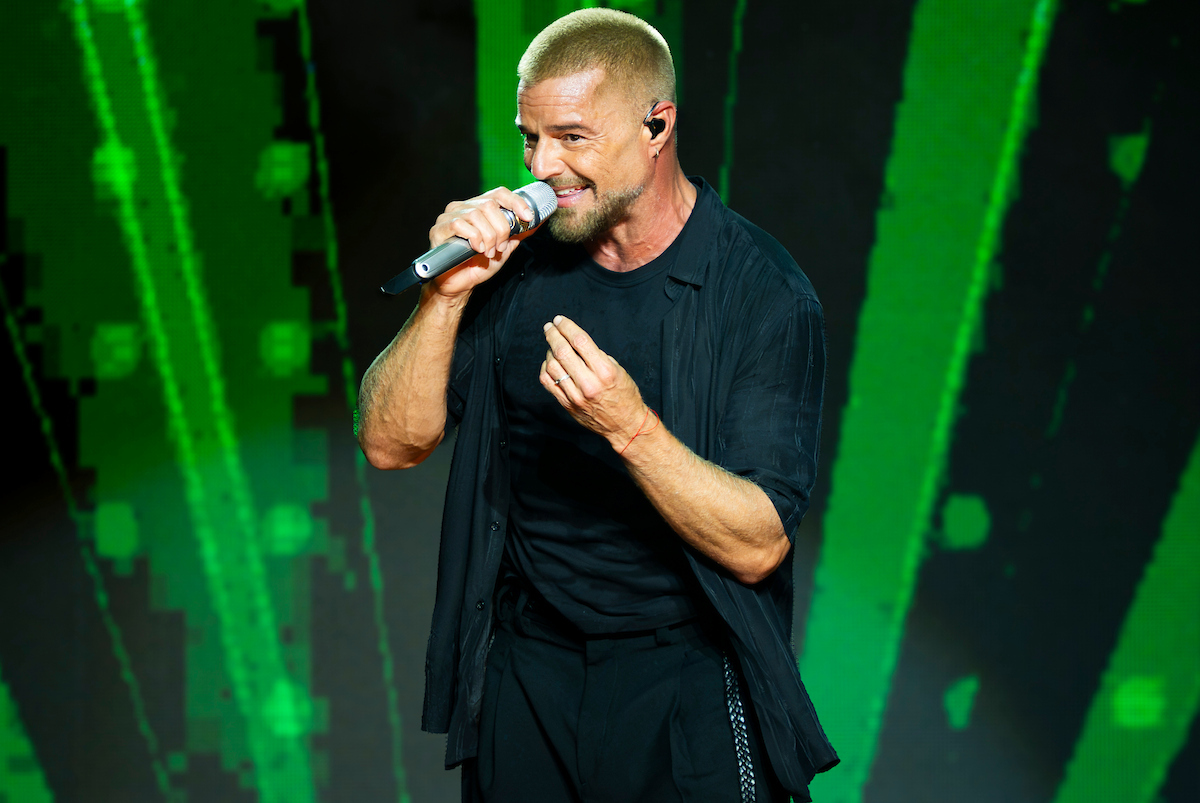
Martin saved his two most obvious American crowd-pleasers for the end, closing the concert with the one-two punch of “Livin’ la Vida Loca” and “The Cup of Life.”
The pairing neatly summarized the enormous scope of his career. One became his defining American pop hit, while the other introduced him to millions around the world as an international anthem. More than 25 years later, both songs still possessed enough energy to turn Ravinia into one enormous dance floor, and finally bring Martin’s long-awaited debut to a fitting conclusion.