All posts by vikashdass

Kendrick Lamar Announces Release Date and Pre-Order for Upcoming Album

BY TER STAFF

Photo by Dan Garcia/The Early Registration

It seems that the wait is finally over. Kendrick Lamar tweeted an iTunes pre-order link earlier today for his currently untitled sophomore album scheduled for release on March 23. His new single “The Blacker the Berry” sits at number 13 on the 16-song tracklist, with his lead single “i” released last fall not listed at all. You can pre-order the new album here.

Album Review: Dark Sky Paradise | Big Sean

BY VIKASH DASS 

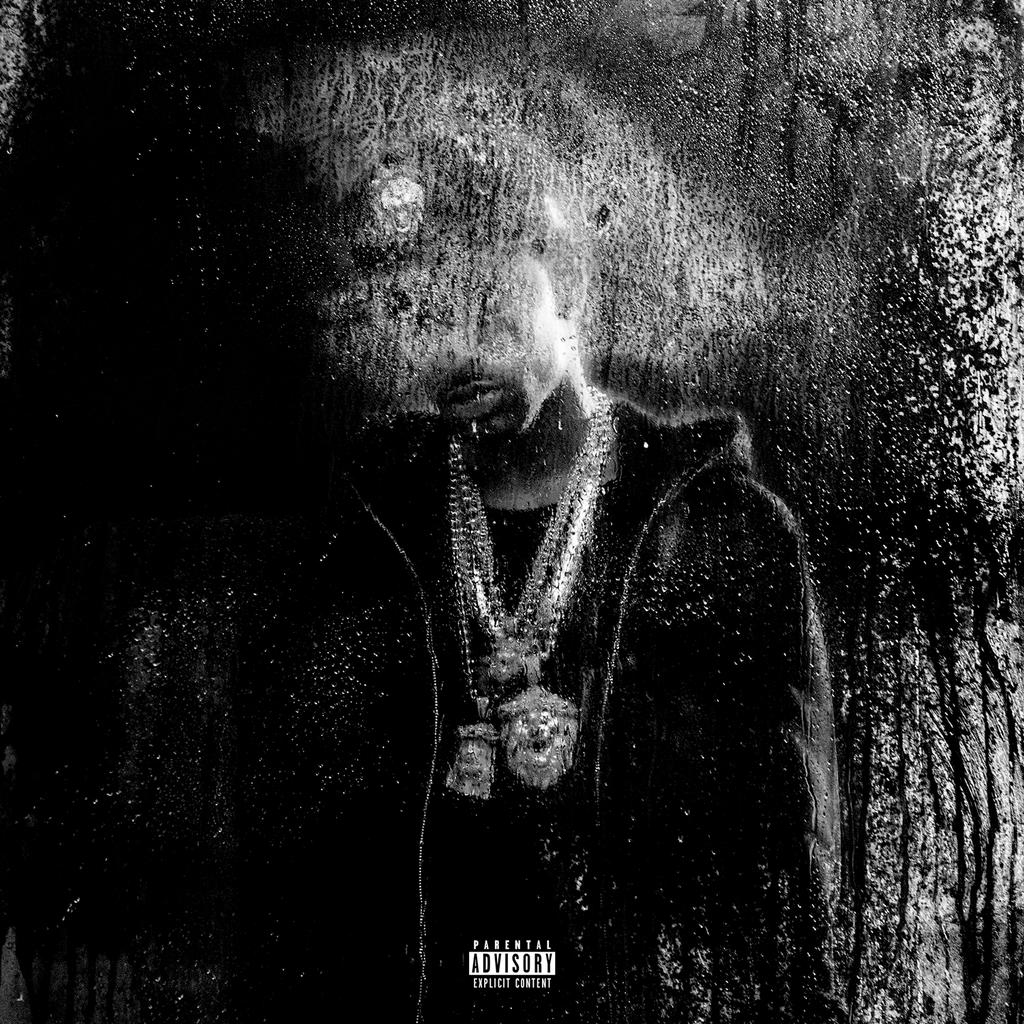
It’s fair to say Big Sean has been feeling some type of way lately. Glancing over the past couple years, one could pick out that his last album, Hall of Fame, was ironically average and commercially poor, and on top of it all, he endured a very public and bitter split with his ex-fiancee and Glee star, Naya Rivera. Lately though, not only has Sean rebounded with another tabloid-attracting lover in songstress Ariana Grande, he has signed a new management deal with music-juggernaut Roc Nation, but more importantly, he has been killing every feature or single released from him in the past few months. With this overflow of amazing music, not only is he making up for lost time and turning heads in the process, but he has managed to craft his best studio album to date in his latest effort, Dark Sky Paradise.

Continue reading Album Review: Dark Sky Paradise | Big Sean

An Interview with Music Photographer Dan Garcia

INTERVIEW BY VIKASH DASS

Photo by Dan Garcia/The Early Registration

Dan Garcia isn’t your “average photographer”. By day he is a 26-year-old lawyer from Wisconsin with no formal photography training. In fact, just a few months ago was his first time in a photo pit and his first time ever shooting with a DSLR camera. But despite breaking traditional norms for entering into the competitive music photography world, Garcia landed his first gig at Lollapalooza, where he shot for the first time among some of the best music photographers in the country. In less than a year’s time, he has shot photos of some of the biggest names in music, including Kanye West, Eminem, Outkast, Lorde, Calvin Harris, Childish Gambino, Chance the Rapper, Migos, FKA Twigs and Wilco, just to name a few. He also founded this very site, The Early Registration, (among other reasons) to continue to shoot concerts and also give opportunities for other young photographers to shoot shows throughout the country. For someone who describes himself both as “not a real photographer” but who ask views himself as one of the best music photographers in Chicago, we wanted to interview the young lawyer slash photographer.

Continue reading An Interview with Music Photographer Dan Garcia

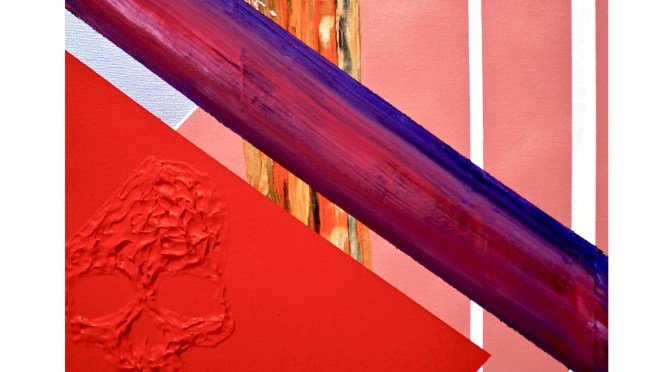
Album Review: Tetsuo & Youth | Lupe Fiasco

BY VIKASH DASS 

In the sport of hip-hop, some would say you’re really only as good as your last album, your last single, perhaps even your last line. By this measure, Lupe Fiasco hasn’t been good in a while. Sure, his messages have always been noble with intent and his lyricism has always been witty and methodical, but Lupe’s last two full-length LPs have struggled with perfecting the formula of balancing a conscious message and concept while also achieving popular appeal, a motive infamously enforced by Lupe’s major label, Atlantic Records. The concept of the “big men in suits” forcing the hand of an artist to dilute themselves to appeal to a majority is nothing new—rather, it is something many artists struggle with and produces pieces of work like 2011’s LASERS, Lupe’s most commercially sounding and most disappointing album yet. While it tried to be conscious and have purpose, the barrage of heavy pop-synth beats and gigantic, grotesque choruses turned whatever potent truths Lupe envisioned into a ‘lite’, more easily digestible version of himself. His last album, Food & Liquor II: The Great American Rap Album Pt. 1 definitely improved in making his messages less saturated, but fell victim to biting off more than he could chew thematically making whatever cleverness and wit established end up feeling empty and without direction. Through all displeasures and disappointments, most of us ended up applauding Lupe’s efforts rather than his art, putting Lupe in a position that seemed bound to sink into the depths of insignificance. Although he was always trying when it came to his music, it seemed year after year he was just that preachy-rapper of years past who was clinging to relevancy via bold anti-government claims and Twitter beefs. It seemed safe to say Lupe’s best years musically, were surely behind him.

Continue reading Album Review: Tetsuo & Youth | Lupe Fiasco

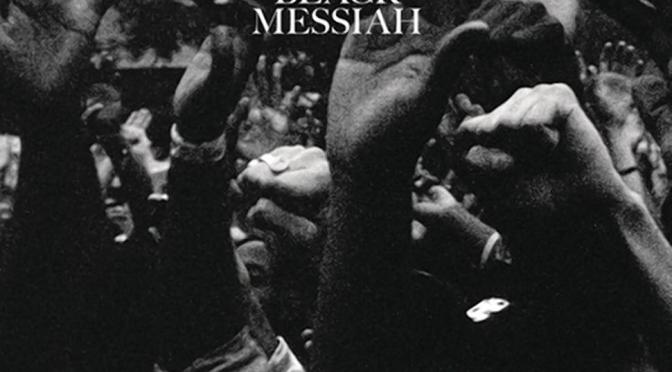
Album Review: Black Messiah | D’Angelo and The Vanguard

Black Messiah
BY VIKASH DASS 

For a long while, D’Angelo followed the critical praise and fan-driven buzz of his first two records Brown Sugar (1995) and Voodoo (2000) by plunging himself in complete darkness for almost fifteen years. Of course, the odd feature and collaboration would pop up during this time, but so would troubles with the law and ongoing battles within his own personal life. Even through all of this, there was ongoing chatter of a tentative third album that was closer and closer to being completed as the years passed by, which had details changing often whether it was rumors of Prince and Cee-Lo being involved, or even a working title of James River. Throughout this entire process, though, what materialized was a sonically unique and refined piece of work called Black Messiah, credited to D’Angelo and The Vanguard, the latter being his in-house band.

Continue reading Album Review: Black Messiah | D’Angelo and The Vanguard

Interview | Planetarian

BY VIKASH DASS

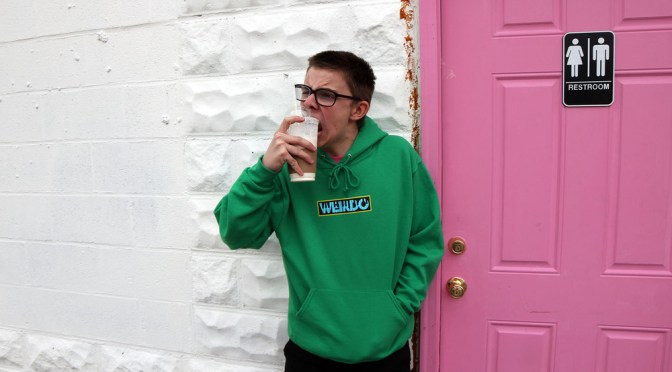
Yeah, okay. We get it. 2014 was kind of a weak year for music. But, if there’s any silver lining to the lack of amazing mainstream releases this year, it’s that Massachusetts-based musician Planetarian, humanly known as Derek Simpson, dropped not one, but two fantastically great albums just to make up for it. WEIRDO and the latest project, about love, stretch across the universes of chillwave, funk, indie pop and jazz, and are two unique, gem-filled projects that  dazzle and shine across the crisp production and raw vocals, and can both be downloaded for free on Soundcloud. Now, for many, there’s a certain level of cringe-induced facial pain that strikes when the words “Soundcloud” and “artist” are mentioned in the same sentence, but if there’s anything that you will learn from giving self-taught musical prodigy Derek Simpson a listen, it’s that there are quality, wholesome, fully-realized projects laying around for free on the internet, and not all them are just sh*tty 16’s recorded into a Macbook speaker over Metro Boomin beats.

As 2014 winds down to a close and most of us are eager to move on to what 2015 has in store, I personally wouldn’t feel right if I didn’t get to say goodbye to 2014 without highlighting it’s excellent points, and Planetarian definitely belongs in that conversation. WEIRDO saw piercing synths and fluttering piano chords with lush layers and serene melodies, while about love was a similar image painted with different brushes. It was more minimal and stripped in design, and featured a lot more of a raw, emotional tone with a sharp focus on Planetarian’s storytelling, confessional style songwriting. Planetarian has honed in on a balance where new-era sounds and a rehashed outlook on funk and jazz meet the simplistic, emotionally driven, tell-it-as-it-is style of songwriting that was ever so popular in the 70’s, and it never once sounds unnatural for him to do so.

So, without further ado, meet Planetarian, the young man from Taunton, Massachusetts who dropped two of the best two free projects of the year, all by himself.

You pulled a Rick Ross and decided to put out two albums in one year! Both WEIRDO and about love are wholesome, beautiful records. Talk to us about the decision to release two, and release them for free as well?

Thank you so much, that’s extremely kind. I had essentially worked on WEIRDO for a year and put it out expecting it to give me much more attention than it had so after dropping it I felt somewhat exhausted. It seemed like kind of a waste of time in retrospect to spend a whole year on something that people are going to look at and say “eh, I’m not going to listen to this for whatever reason” (although I’m not ashamed of WEIRDO because I still think it carries a strong message of self confidence which is extremely important), so when I decided to start a new album I thought “OK, I’m going to get as many great ideas down as I can, put this thing out before the year ends, and not have it take longer than it needs to.” From there it was easy to write the album because I felt a sense of urgency, like it needed to be made quickly and efficiently and I had a lot of inspiration because I had fallen in love for the first time so it was easy to write about that experience because it was so foreign and intense. I made both of the albums free simply because I probably wouldn’t make a bunch of money off of them if I were to sell them, and even if I did sell them people put albums online for illegally free downloading all the time so it would be much easier to put the albums online for free and sell merchandise instead, especially without a label to back you.

With releasing two albums in one year, it’s easy to have them sound similar and not differ too much between them. What, in your mind, is the biggest difference between about love, and your last project, WEIRDO?

First of all, about love is an effort in minimalism and WEIRDO is the exact opposite. Where I would pile on tracks of random sounds on WEIRDO, I would step back on about love and just say “maybe I should take that guitar part out and just have bass and vocals. That would get the point across well.” Also when I wrote WEIRDO, I was drawing on experiences from years before and making up a sort of story in my head as well. With about love, I was living it as I wrote it. Some of the songs I actually didn’t write any lyrics, for example when I recorded “I’ve Fallen In”, I went in and just said exactly what was on my mind and let the words flow through me. It was really therapeutic and I want to do more songs like that, I think it brings a really raw and honest soul to a song that may not otherwise have that.

How did the collaboration with Kevin Abstract come about? What was it like working with him?

Kevin Abstract is one of the first people I ever tried to connect with musically over the internet, I did a song with him for the bonus tracks on my first project about a year and a half ago, I had this song that I wanted someone to rap on and by some weird twist of fate I had found him on Twitter that same night. He had already been a fan of my first single “Young Minds”, and so I asked him to collaborate and Bob’s your uncle. This time around I had met him and a few other ASF members at one of Kevin’s shows in Boston to promote his new album mtv1987 (EDIT: which you can listen to, also for free, here) and I let him know I wasn’t really working on anything but I would let him know if I had anything that I wanted him on soon and sure enough I made “Break The Wall” a month later, thought he would sound great on it, and again Bob’s your uncle.

Although your projects have a common thread of feeling good and bright in nature, it definitely comes across that you take music seriously, as the polished-sounds of your records reflect a lot of work-ethic. Talk a little bit about your musical background, your influences, and if music being your main focus right now.

Music has always been intriguing to me. Ever since I spent my whole 6th-7th grade summer teaching myself how to play ‘Over The Hills’ and ‘Far Away’ by Led Zeppelin I’ve known that music is my true number one passion. There’s something so beautifully mysterious about it. The fact that we can still make something that sounds new and exhilarating out of all the same chords that we’ve always had is still so incredible to me. As for influences, I find influence almost anywhere. Anyone from Jack White to Tyler, The Creator to Marvin Gaye to Tame Impala to Kanye West to Jai Paul I mean I find influence anywhere that there is innovation and creativity really. Music is most definitely my main focus right now. I love designing clothes and I wrote a children’s book, but music is the main focus right now definitely.


What kind of approaches do you take to songwriting in general? Your lyrics and melodies reflect very raw, unfiltered emotions. How long have you been writing music and what is your process like?

I have been writing music for three years, my process varies with each project. The first two albums I made were very much a conscious effort to sit down and make the instrumentals beforehand, then write the lyrics to match the way the music made me feel. With about love, I had some songs that I wrote after finishing the instrumentals, I had some songs that just came through me like I was a vessel (for instance I was in the shower when the chords and chorus lyrics came to me for “Worth Your Time”), some songs I wrote the lyrics to before I wrote the music, and some songs I just didn’t write lyrics to and sang what was on my mind as I said before.

A year ago, you’d categorize your music under the “chillwave” genre. I personally see your newest release as a lot less synthetic and a lot more jazz influenced, maybe somewhat psychedelic.  With you constantly evolving, what do you see your music as now?

I don’t really know what I see my music as truthfully. When you make music, it fills a completely different space in your head then what someone hears when they hear it for the first time so it’s tough for me to articulate exactly what I see my music as. I guess I would say about love is much more accessible than anything I made prior, but as for genres I don’t really like to put my music in boxes like that. I would just say pop music but that means many different things to many different people and the music I make has a lot of different influences so narrowing it down to one genre or sound is tough for me because I hear it all I guess.

Talk a little bit about your production process. Are you composing all of these beats/instrumentals yourself? What kind of setup/programs do you use?

Yeah I compose everything myself. Usually I’ll come up with something on guitar or piano and just move from there and see where the song takes me. I use Logic Pro, my guitar, a bass guitar, a Rode NTK for vocals and acoustic guitar, and a Korg SV1.

Your music was recently used in one of my favorite shows, Workaholics. Walk us through how that happened and how awesome that feeling was!

I love that show so much. I woke up one day, checked Twitter and saw that Blake had tweeted the link to one of my songs, I was really surprised and taken aback by that it was sick. Then a week or two later, my friend Hamie gave me a call and said that someone from Workaholics was trying to contact me through the Planetarian Facebook page (he operates it) and I told him to give her my email address and from there they just asked if I could license “Swim” for an episode. It was wild watching it I just remember sitting there and not knowing how to take it all in because I was remembering watching the first episode and starting to really love the show years beforehand and how I had no idea something like that would even happen it was insane.

Talk a little bit about your relationship with Tyler, the Creator. How did that actualize and what is that like with him today? 

Well I originally sent my first song to him on FormSpring, to which he expressed a lot of love and excitement. That itself was unreal to me because he’s a huge influence on me, I mean he’s the reason I started to say fuck it and do what I love to do with no remorse. Eventually he started following me on twitter and we met and hung out once about a year ago when he was on tour. He’s been super busy lately so we haven’t spoken in a while but he’s fucking awesome.

Are you in school/working a job? Are you looking to make a career out of music?

I’m not in school and I’m working on music at the moment. Two good friends of mine and I are putting together live sets at the moment so we can tour soon and put on some awesome shows for the people that like to dance to Planetarian stuff. I’m definitely looking to make a career out of music, at this point I love it way too much to not do all of the hard work and take all of the necessary steps to make music my career.

As a new artist on the “SoundCloud side” of the industry, what are your thoughts on labels and ultimately making your music a business? Have labels or people involved in the industry reached out? It is worth noting you haven’t sold any of your music up to this point, why is that, and do you think you will ever start doing so?

I think it’s important to my music a business since I want to live off of it, but that shouldn’t mean sacrificing artistry. People involved in the industry have reached out, but I won’t sign to a label unless I’m given 100% creative control and since that’s tough to find nowadays I may just have to start my own label. I haven’t sold any of my music because I make enough money off of merchandise currently and selling music these days is not a huge source of income for artists anymore. There are too many illegal downloads and youtube converters to make much money off of a record anymore. It’s kind of sad because personally I love CDs and the process of having a physical copy of music and looking at the artwork but people generally don’t really have a love for that anymore. Paying for a record seems so absurd to so many people in my generation now unfortunately because of entitlement issues but whatever, the industry needs to learn how to adapt and I’d like to be on the right side of that evolution as it happens.

Speaking in the realms of labels and the industry side of things, where do you see Planetarian as a musical entity headed in the future?

I’m not necessarily sure where the whole Planetarian project will be go as a musical entity in the future. Wherever it ends up I know that if I keep working hard, up is the only place it can all go.

Your projects are very moving and organic in nature, and I personally can’t help but feel your sound would translate particularly well in a live setting. How far away are we from seeing a Planetarian tour?

I’m not exactly sure. I want to tour next year, whether or not that will happen I don’t know but I agree I think a live show would be awesome haha we’re working on it.

Outside of music, what other kinds of goals and aspirations do you have?

I’d like to get this children’s book I wrote published, I want to keep selling clothes, maybe I’ll eventually own a Skyzone for just me and my friends. That would be awesome. I want to get great at meditating. I want to keep falling in love too, that’s a good time.

Download and stream all of Planetarian’s music at his Soundcloud, and keep in touch with him over on his Twitter and Tumblr.

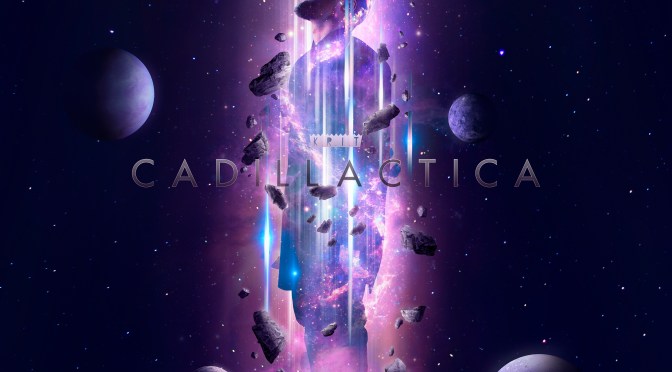
Album Review: Cadillactica | Big K.R.I.T.

BY VIKASH DASS 

When it comes to traditional, organic Southern hip-hop, Big K.R.I.T. is definitely the best representative of that sound in this new, internet-generation of rappers. With his latest release, Cadillactica, K.R.I.T. literally creates a polished, wholesome world of his own where he flexes his experimental muscles as much as possible without stepping away from his hearty, Southern roots.

In 2012, K.R.I.T. found himself to be yet another victim of a fairly new dilemma plaguing artists that built a career on giving away free, album-quality music. As soon as these said artists sign a major deal and release a studio album, many factors including label pressure, lack of creative control, single-chasing, and ultimately exerting focus on mainstream appeal allow for a lacking, deteriorated, diluted product. K.R.I.T.’s debut, Live From the Underground, received notable amounts of critical acclaim, but seemed to suffer a similar fate. Although it was far from horrible as a standalone project, it seemed flat compared to K.R.I.T.’s near-perfect discography. Live found Big K.R.I.T. seemingly plucking the thematic highlights and messages of his mixtape and making it repetitive in an effort to be catchy, while beefing every track with scattered, radio-ready production that ended up not striking the hearts of his fans the same way his free projects did. K.R.I.T. himself expressed his own retrospective discontent with Live in regards to the lack of creative-control and production issues. Shoutout to sample clearances.

Continue reading Album Review: Cadillactica | Big K.R.I.T.

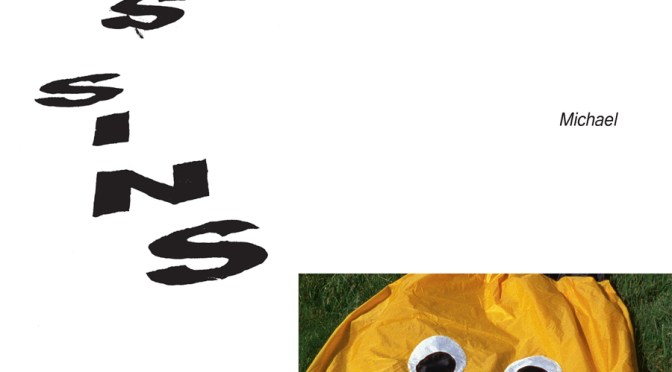
Album Review: Michael | Les Sins

BY VIKASH DASS ★★★★☆

It is a personal, deep rooted, almost religious belief of mine that Chaz Bundick, more popularly known as Toro Y Moi, is one of the few people on the planet that can musically do no wrong. With his latest release under his dance-house moniker, Les Sins, Chaz continues to prove my theory with a release that might lack in innovation, but makes up for it in quality with his first dance project, Michael.

Continue reading Album Review: Michael | Les Sins

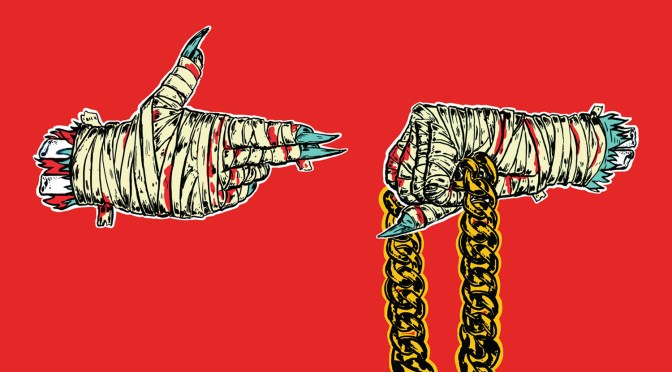
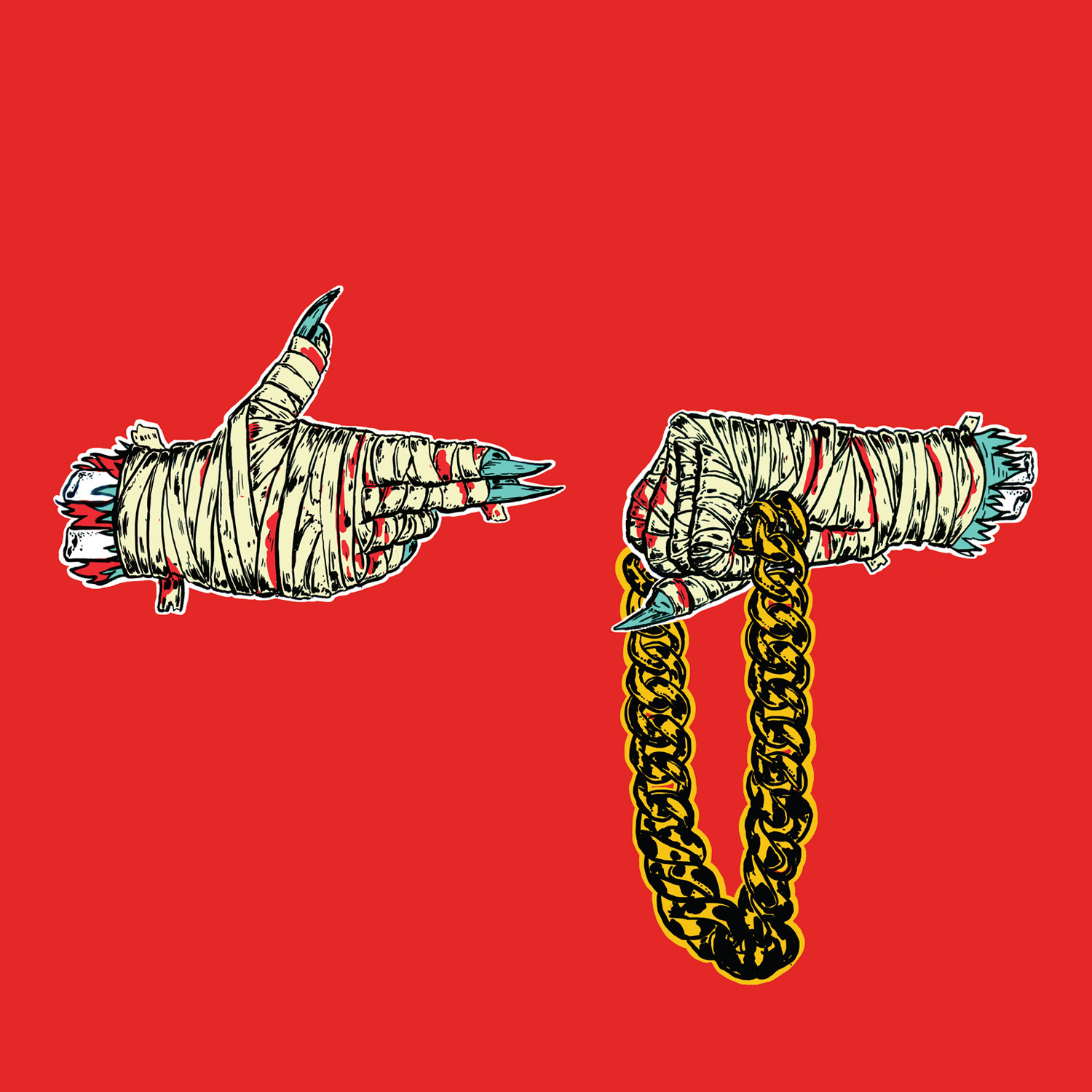
Album Review: Run the Jewels 2 | Run the Jewels

BY VIKASH DASS ★★★★★
BY VIKASH DASS 

The guys who were once the internet nerd’s preference to the Throne has now solidified themselves as one of the most important duo’s out today. With what sounds like their Tarantino-directed sequel to the first project, Run the Jewels 2 serves as a violent, abrasive, energetic record where both Killer Mike and El-P have found the balance between old-school influence and new-school relevance, while ultimately being one of the best rap projects 2014 has seen so far.

Continue reading Album Review: Run the Jewels 2 | Run the Jewels

UNCUT | Why Kendrick Lamar’s “i” is the Most Important Single of 2014

BY VIKASH DASS
“If Pirus and Crips all got along…”

In the year 2014, Kendrick Lamar as an artist has not only transcended today’s standards, but he has transcended the legendary expectations of old and new. After all, he had an absolutely stellar discography and reputation in the hip-hop universe—before he released his debut album, good kid, m.A.A.d city. good kid was everything we didn’t know we wanted to hear from Kendrick Lamar; stories from his childhood we didn’t know existed, one of the most cohesive concept albums in modern history, and impeccable technical skill all the way through. And then, there was the message. Kendrick Lamar has always been about the message. When I first stumbled upon Kendrick Lamar in 2010, something became quickly apparent—Kendrick Lamar does not release music without  a definitive purpose.

Not only is he currently rap’s greatest “rapper”, he’s rap’s greatest tactician. Now, I don’t just mean this as every record he releases has dual meanings, extended metaphors, and numerous entendres—most rap records can reach for those claims in our era. The fact of the matter is that Kendrick Lamar’s records, especially his album records/singles are songs that are cunning and deliberate in meaning, release, and promotion, and actually affect culture in more ways than one. A retrospective glance back at his 2011 independent album Section.80 will show and prove this, as “A.D.H.D.” and “HiiiPoWeR” were not only the singles chosen for that record, but they are easily the most culturally advanced, profound, and important records on the album. Skip a year ahead, and you will find the first single for his debut studio album good kid, m.A.A.d city was a song called “Swimming Pools (Drank)”, which when released, left a lot of people scratching their heads after the first listen. A repetitive, pitched down hook ripping words from popular, vapid club records (“drank”, “faded”) while the most audible words heard throughout the entire song are “First you get a swimming pool full of liquor, then you dive in it/Pool full of liquor, then you dive in it”.

But, the more we listened to that track and started to decipher and metabolize his words, it became very clear that the song was not another hollow club record, it was a satirical play on the club records glorifying alcohol and all of it’s friends, while ultimately confessing and outlining the dark perils and pitfalls of alcoholism and peer pressure. In the album context, it is Kendrick’s character’s way to relieve himself of the stress invoked by the storyline, and in the album version of the song, he addresses those by his side watching him suffer from alcohol abuse with the words Don’t you feel bad?/I probably sleep And never ever wake up/Never ever wake up, never ever wake up/In God I trust, but just when I thought I had enough” followed by the most critical piece of good kid’s narrative—Dave getting shot and killed. It is these layers upon layers of depth and significance that is important to keep imprinted in one’s mind upon the release of a new Kendrick Lamar record. He has proven time and time again that he is out to affect and alter culture, and use his voice and his stories to provide a message worth hearing about, no matter how polarizing it might be. Yet, it seems a good percentage of the internet and the general public forgot about this earned respect when Kendrick Lamar dropped his new single, “i” last week.

A funky Isley Brothers sample? A weird, skin-itching inflection throughout the whole song? A hook that literally just says, “I love myself”?!

Well, yes. Yeah. Pretty much. These are all factual, well-based observations about “i”. But I think the part being missed here, once again, is the message. Kendrick Lamar didn’t even stick to his own formula. He didn’t offer a satirical, witty jab at a social issue. He simplistically, genuinely, and elegantly offered his take on a completely global, introspective issue much more important than anything else: love. Kendrick Lamar says himself on good kid, m.A.A.d city’s “Real”, “But what love got to do with it when you don’t love yourself?”. This might be a very simple concept, but how many people really assess and evaluate a bar like that? The masses are much more likely to focus on and admire the “shock value” in that he mentioned a bunch of relevant rappers and how he wants to murder them and take their fans in 2013, but judging by the polarized response to this record, they will overlook and scoff at Kendrick Lamar worshipping and living by the ideology that before love and affection ever spreads anywhere to anyone or anything, it breeds inside of yourself first. It may not seem like it, but “I love myself” is a powerful statement. It bleeds and exudes confidence, affection, positivity, and optimism, all things that you would never expect to be uttered from the mouth of a human who is a product of one of the most stressful, unfortunate, dark environments in America. No, really. A kid from Compton, California who’s last album revolved around his real life accounts of trying to stay himself and innately positive around gang-violence, prejudice, misogyny, death, and religion just released a record  about loving himself.

But, after all, it is still a Kendrick Lamar record. After first listen, it is once again apparent that there is still another dimension to this groovy, feel good record. Underneath him boldly yelling “I love myself!” on the record, he shrewdly says “The world is a ghetto with big guns and picket signs/But it can do what it want whenever it want, I don’t mind” and, “He said I gotta get up, life is more that suicide/One day at a time, sun gon’ shine”. With context, this song becomes less of the rap version of Pharrell’s “Happy”, and more of a darker-tinged record that almost sounds like talking somebody down from the ledge. Kendrick almost seems like he’s quoting what somebody once said to him, and he repeats this idea on the final verse of the song as he confesses “I’ve been dealing with depression ever since an adolescent/Duckin’ every other blessin’, I can never see the message”. These fragments of context are vital to fully digesting this record for what it is, as it becomes very clear that Kendrick Lamar is in fact not just making a feel-good pop anthem, but making a positive street-mantra bred out of his own past experiences and tribulations with self-hate and sorrow, likely due to his lifestyle and the constraints of his environment. He is repeating and enforcing the fact that loving himself is not an action of arrogance or conceit, but it is an action of survival—it becomes glaringly evident that if he didn’t love himself, no one else would.

But why in this fashion? Well, let’s break this down a little bit. From a perspective outside of Kendrick wanting to be influential and culturally important and yadda yadda, it also serves as a perfect set for whatever spike he is currently crafting in the studio. Think about it. What was Kendrick’s last large, talked about record he was involved with?

Now, releasing an album following something like that, or even choosing to not release a single similar to “Control” is a difficult task for more reasons than one. For instance, take into account the average hip-hop consumer’s expectations for a Kendrick Lamar album following a record like that. It really starts to craft a box around Kendrick’s creative freedom and control to release his uncompromised art, because of his posture and position in the industry, as the last thing everyone remembers him saying was crowing himself the king of both coasts, comparing himself to the dead greats, and “dissing” everyone’s favourite rappers. “i”, then, stands as a pivot for Kendrick, to shift the listener’s perception of what could come next from him. I think “i” is polarizing by design. “i” is something that makes you think about what you are hearing before bobbing your head and is meant to be poppy and upbeat, because absorbing the message from a record concealed to be something else is a much more effective approach than just blatantly addressing self-confidence and love in a generic sense. Kendrick says himself on the song, “Give my story to the children and a lesson they can read” making it clear that the intention of the record is to be polarizing and easily listenable to make the delivery as simple as the message itself: “I love myself.”

This message, and the fact that it is being expressed the way it is by someone like Kendrick Lamar in a hip-hop single in 2014 is not only extremely important for music, but it is imperative for the advancement of culture in general, and for the youth and the the masses alike to really soak in this message. After releasing globally appealing records and earning a large platform and respect in the industry, it takes a certain breed of artist to take the microphone and just purely innovate and aim to radically change the sonic landscapes and the mental barriers of the masses instead of doing what got them there in the first place. Kendrick Lamar has dislocated every allegiance and expectation of being a “lyrical” or “conscious” rapper and instead has chosen to follow his mother’s advice given to him on good kid, m.A.A.d city, as she advises him,

If I don’t hear from you by tomorrow, I hope you come back and learn from your mistakes. Come back a man, tell your story to these black and brown kids in Compton. Let ’em know you was just like them, but you still rose from that dark place of violence, becoming a positive person. But when you do make it, give back with your words of encouragement, and that’s the best way to give back. To your city…”

However, Kendrick has eclipsed just speaking to his city—the whole world is listening. And with as many ears as a hip-hop artist could ask for in this day and age, Kendrick Lamar decided to  break his long silence by stepping up and saying “I love myself”. And it was one of the best things to happen to music in 2014.