All posts by Evan Vogel

My name is Evan Vogel. I'm a 22 year old College student attending UW-Milwaukee. I am majoring in Journalism but my passion is Hip-Hop. I write my own songs and poems and just genuinely love the art form. Contact me on Facebook, Twitter or my blog if you want to get to know me or just want to find some new music! Peace and Love.

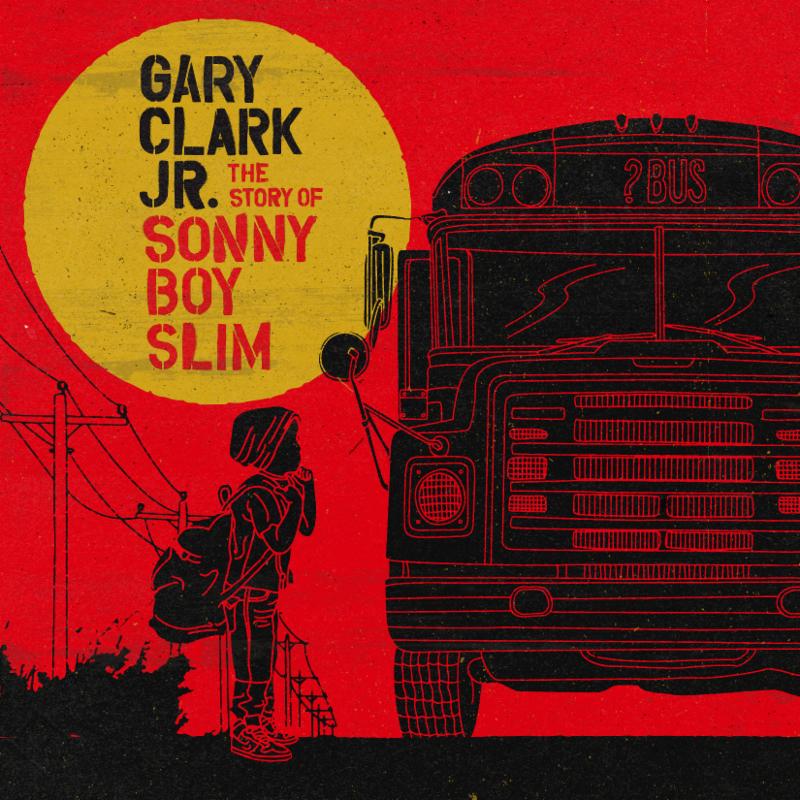
Album Review: The Story of Sonny Boy Slim | Gary Clark Jr.

BY EVAN VOGEL
BY EVAN VOGEL

Take an artist who was born and raised in Austin, Texas, musically influenced equally by funk, blues, country, hip-hop and soul and let him create a completely personal album. You get a story, not a completely cohesive one, but a good story nonetheless. The Story of Sonny Boy Slim, to be exact. Gary Clark Jr., happens to be this Austin raised musician and rather than giving us linearity or even a hazy path to follow, he instead gives us a collection of songs that stand as their own stars in the constellation of his life and we are able to connect them for ourselves.

The ground covered on this LP is vast. It collectively shares a two common denominators: struggle and love. Album opener, ‘The Healing’ sheds light on his inner-philosopher as he sings, “This music is my healing”. Never getting too specific about his struggles, he shares the sense of freedom music embellishes him with, also realizing the real cost of obtaining the thing he now has in his grasp, money. On the low riffs of ‘Grinder’ he almost satirically relishes in obtaining the lifestyle that people kill and have been killed over.

No matter what directions he takes lyrically, it all seems to circle back to love. Whether loving yourself or loving the one you’re with, passion and not pain seems to be the driving force of the album. There is a certain ambiguity he maintains song after song. Take Marvin Gaye-esque love ballad, ‘Our Love’ for example. Clark could have any woman on his mind when he whispers, “You’re the one I’m thinking of.” It’s the kind of song that brings you as a listener back to the repressed memories of a love that never was. The songwriting is familiar and therefore not always as interesting as it could be; but it works. It is obvious that Clark wanted to explore so many different things that they all can’t be fully realized within the length of one album.

The guitar-work and overall sound skips limberly around 70’s funk, contemporary blues and soul, to having a heavy hip-hop and R&B influence. The sound he created here is rooted in generations past and sounds similar to modern day neo soul with its own intricacies. He is expanding the category many had placed him into after his first couple works into uncharted territory, successfully establishing his very own seat at a table not far from the visionaries he often resembles.

Both traditional sounding and impossible to pigeonhole, Clark’s album is an extremely entertaining collection. From the upbeat silky rhythm of  “Can’t Sleep” to the bass-filled draw of “Stay”, Clark medicates his romantic thoughts in any number of ways, usually accompanied by sharply picked guitar solos. Clark’s wide-ranging vocals and honed guitaring make the absolute most out of all the spaces he tries to occupy sonically. Having already proved his skills on the finely tuned strings of a guitar, this album has Clark exploring his other curiosities and influences, which pays off in more ways than one. The fusion of genres here opens the door for so many questions in the future of where this man will take his music. My assumption is that we will all simply have to wait and see, but we can do so excitedly.

8.0

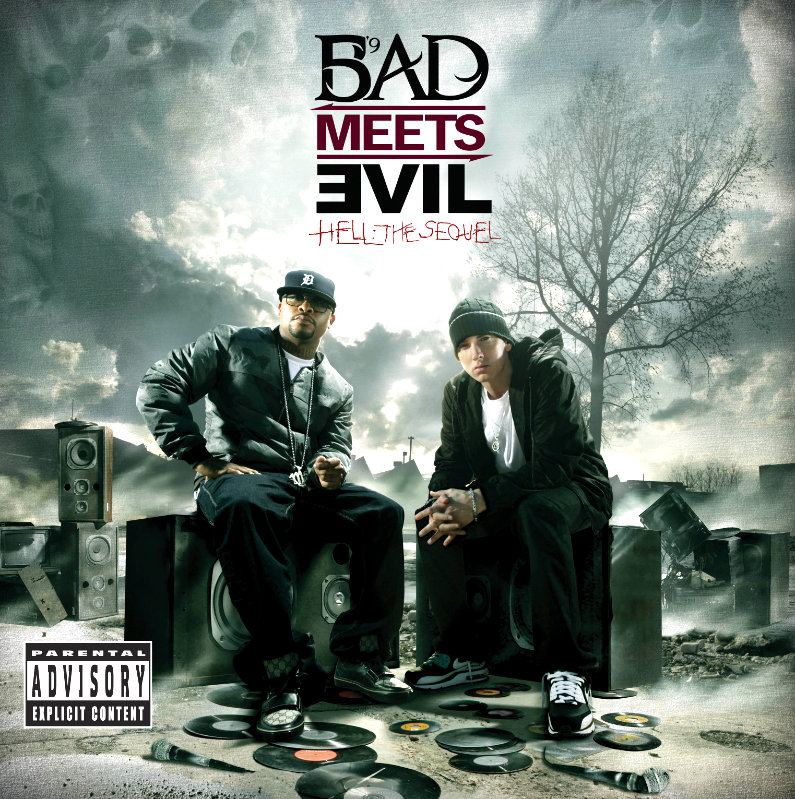
Throwback Thursday Review: Hell: The Sequel | Bad Meets Evil

bad_meets_evil_album_hell_the_sequel_gets_promo_ad
BY EVAN VOGEL

From artists disagreeing with their managers to artists taking unnecessary shots at one another, there is surely no shortage of falling-out stories in hip-hop. With fallouts though, can sometimes come grand reunifications. Some so grand that your mind glosses over and you hear artists sounding completely reinvigorated and reliving their haydays. Such was the case for the 2011 lyrical stampede put on by Royce Da ‘5 ‘’9 and Eminem when they dropped Hell: The Sequel as hip-hop power group Bad Meets Evil.

Combining with the ease of hydrogen and oxygen, it was as if no chemistry between the two was lost in the more than 11 year annulment of Bad Meets Evil. With practically no regards given to chart-topping aims, the entire project sounds like they were only aiming to appease themselves and push one another to their limits. The result is a hip-hop head’s wet dream. Eminem is no longer concerned with spewing sentiment filled bars of soberness like on his previous outing Recovery. Rather, he is loading machine gun clips full of ammunition into the microphone, with the “screw it all” vibe that made his first two LPs so unique. Clearly taking notes, Royce is side-by-side with the Rap God, seamlessly trading verbal cyanide.

Speed and psychotic intellect combine giving each line the capacity to sting. It is a beautiful thing to see both rappers in top form here. Em’s verses are darkly zany and delivered through his sharply pitched yells which is complemented nicely by the opposing sound of Royce’s more controlled bravado. The biggest benefit of this EP is its energy. It becomes obvious two verses into the first track, ‘Welcome To Hell’, that both of these artists are on the same side of friendly competition. Punch-line after punch-line evoke a feeling of brotherhood and fun.

It is obvious these two had a blast in the studio bouncing ridiculous bars back and forth. Typically, no concept or story-driven arc pushes an album away from greatness, here though, the lack of structure leaves space for more bars that will inevitably leave our jaws inches from the floor. The beats are notably simple but do contain moments of intrigue. On “I’m On Everything”, Mike Epps opens with a piece of a stand-up bit and quickly becomes a sampled instrument. The awe inspiring lyrical content is what pulls the largely cliched beats up from the depths. Even the guest artists, all who happen to be from the Shady camp, hold their own and add just the right amount of variation from album’s main recipe.

It is all very formulaic. Luckily, like Newton’s first law, these two have found a formula that works and with little competition for their places in hip-hop, their forward motion is maintained. It is nearly impossible not to respect this project due to the sheer amount of respect that is commanded by each artist. Bolstered by their one-of-a-kind lyrical game, the duo is able to push past formulaic beats and mediocre choruses. For an EP that never had to happen, I am very glad that it did. It reminds us of what each emcee is capable of when they embrace a temporary psychosis and that they can potentially do it even better as a team. Undoubtedly, one of the best and hopefully only trips to Hell you will ever have.

9.0

Throwback Thursday Review: 12 Play | R. Kelly

12 Play R Kelly
BY EVAN VOGEL

Hip-Hop’s Marvin Gay, the man who put the R in R&B, or my personal favorite, the prince of pillow-talk. No matter the moniker, there is no debate, R. Kelly is likely the biggest influence on modern day R&B. Imagining a world without R. Kelly would result in an imagined world without the likes of The-Dream, Trey Songz, Miguel or even Usher. With a natural likening to the original sensual tune-makers of the 1970’s and 80’s like Gaye and Isaac Hayes, Kelly donned his R&B roots beneath a Hip-hop cloak. He wasn’t the first artist in his subgenre which was termed, “new jack swing’, but he was definitely the one who brought it to the pop-culture forefront in the 90’s.

In 1993, R. Kelly changed R&B music forever when he released his studio debut, 12 Play. Sex is all over music and media in general today. Sex sells, as they say. But sex didn’t always sell music. That was thanks to the collaborative efforts of all R&B artists in decades past. R. Kelly was certainly one of these pioneers. Not worried about hiding behind metaphors or toned down realities, he said everything in black and white for all to hear. No need to try and interpret what it was that Kelly was talking about, it was sex, plain and simple.

This is where he shines. Uninhibited by any sort of mental restrictions regarding what is right and what is wrong to talk about. The album starts and ends with Kelly’s soothing crescendos delivered with the strongest sentiment of passion. By the time he was done with them, these R&B elements seemed to be intrinsically related to Hip-hop. The pitch variations and harmonic melodies put in the same room as boom-bap and funk; lock the door and throw away the key. When you hear Kelly’s voice crumble beneath its own weight and intensity saying, “My mind’s tellin’ me no. But my body, my body’s tellin’ me yes!”, gold is struck.

Dirty and perverse, yet not at all. Kelly makes making love constantly sound better than acceptable, he makes it sound necessary. Sexual meaning is found in almost every millimeter of this project’s architecture. There are moments like ‘Freak Dat Body’ and ‘Back To The Hood Of Things’, where Hip-hop makes headway over R&B to switch things up stylistically and they take away from the audible caressing Kelly does on the rest of the album while remaining catchy and worthwhile.

Apart from these moments, he has compiled a playlist of sex songs for any moment with 12 Play. Its relevance will never fade. Looking beneath the incredibly sexual natured exterior of each track you will find love and care. Kelly is a romantic at heart, an incredibly sexual one. His songs are held together by his equally sexual tone and a fantastic delivery of each note. He is capable of shifting the focus from light-hearted love to dirty, secretive sexual exploits and fantasies while making them both sound equally sensual. Seriously, if this album hadn’t come out months after I was born, I would seriously consider its conception as being a reason for mine — it is that sexual.

Ultimately, it ends up being in Kelly’s straightforwardness and simplicity that he succeeds, rather than abstractness. The concept is no more than creating good sexual music and in that respect is has more than succeeded. The only thing missing from the album now, is a bed.

9.0

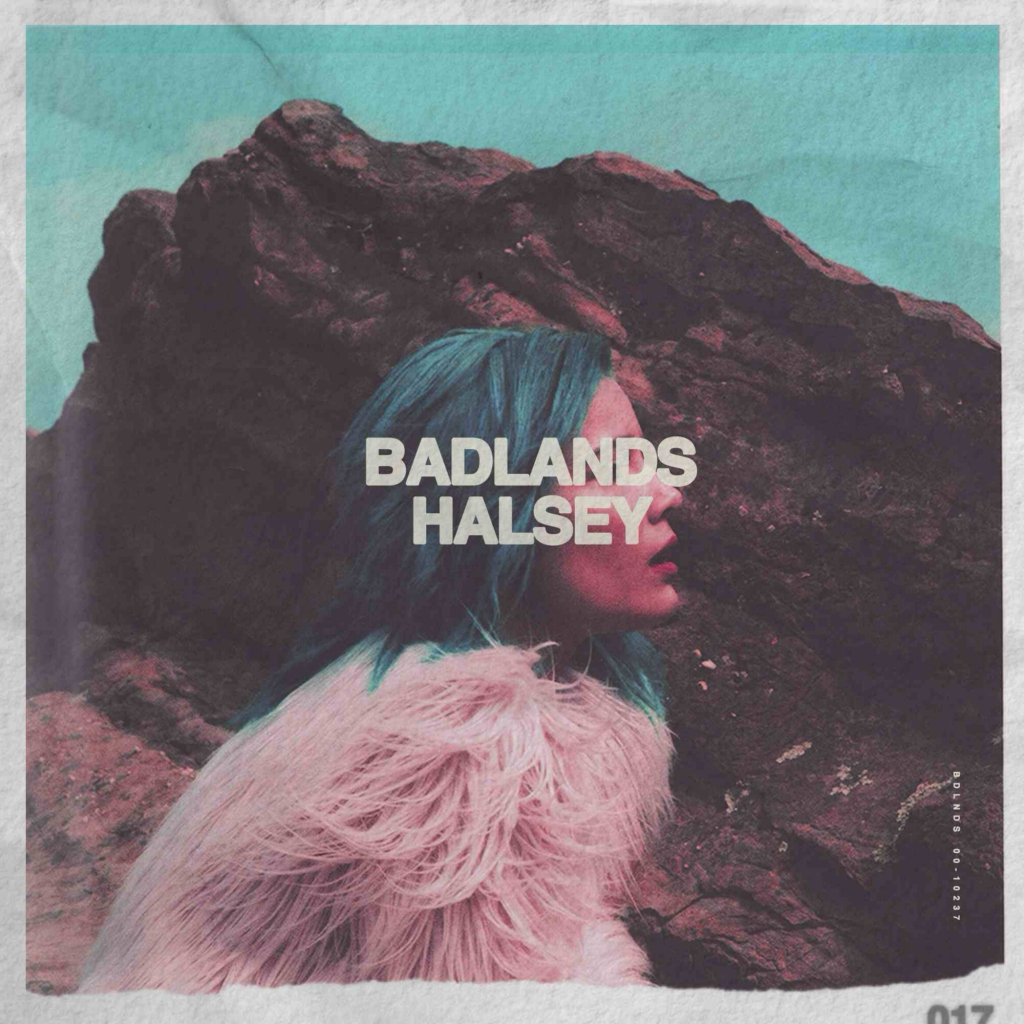
Album Review: Badlands | Halsey

BY EVAN VOGEL
BY EVAN VOGEL

Halsey is on to something. She has oriented herself with fans via the internet as so many musicians do in our day and age. She is similar and different. Her approach is poppy and catchy while her style is sensual and dark, especially when considering she is 20 years young. Her debut album hits both on the highs of self-empowerment and the lows of relations with people and darkness in the world — especially the latter of those two.

Continue reading Album Review: Badlands | Halsey

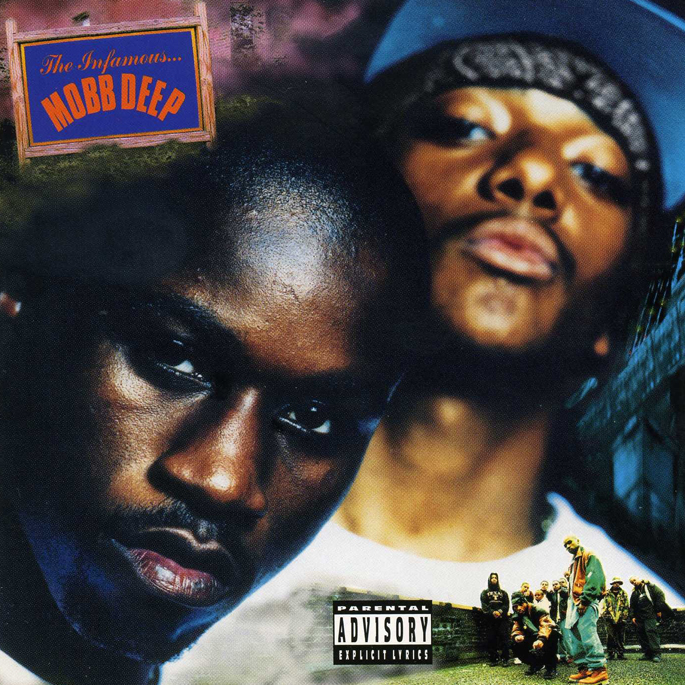
Throwback Thursday Review: The Infamous | Mobb Deep

BY EVAN VOGEL
BY EVAN VOGEL

Music can be terrifying. Eminem has proved this over the years with his specifically branded shock rap style. Admittedly, the terror emitted through his projects stands somewhat aloof from that of other artists that have their lyrical roots planted strictly in realism. In 1995, only a year after Nas’ realistic hip-hop masterstroke, we got an album that perhaps trumped Illmatic in its depictions of street life in American ghettoes. I can think of very few albums more deserving of the title, The Infamous, than Mobb Deep’s terrifyingly realistic second album.

The album had as much or more gangster bravado than any album had before or has had since. It was as if Prodigy and Havoc were on trial before a jury and asked to fully describe what it was like to grow up in their neighborhood without any reservations. The era was rife with gangs, which meant beef between crews and the constant dread of looking over your shoulder for those involved. This dread is foreboding throughout this project. On the track, ‘Q.U. – Hectic’, Havoc lays down a beat that opens like a gun barrel being pushed in your face. It is unexpected, full of questions and unrelenting.

From there, the lyrics take form as something of a Queensbridge gangster’s manifesto. Drugs, violence and fear run rampant over the track, leaving a lingering filth in the air. The entire album contains a certain grit that haven’t yet been attached to a hip hop album. “Life isn’t the game that it seems to be.” This lyric perfectly sums up what the duo was trying to convey with this album; that life isn’t some fairy tale where you play by the rules and survive. In their world, fighting directly correlates with surviving and its perspective is primitive and extremely frightening.

The beats lend themselves perfectly and come across as the ambient noise of the time-period and literal geographic location. Extremely distorted synths, lazily slow bass-hits and hi-hats all combine to sound like something that crawled up from beneath the Queens city streets. The album is alive with the sounds of death, both lyrically and instrumentally. Cinematic is the perfect way to describe Prodigy’s rhyme style. You can picture him jetting down back alleys, trying to get home and warn his homies about their impending doom. It paints a picture for sure, just not a very pretty one.

Even ‘Drink Away The Pain’, a song that starts out sounding something like a hood love story ends up as a pessimistic worldview allegory. The duo tells their story in the only way it should be told. No cover-up, concealer or masks. By the end of each song, you suddenly are capable of looking at the world differently and that is a powerful thing for music to do. It is a hood-horror story to any and all outsiders but even scarier when you stop to think that this is just another day in the life for them. To try and imagine a person other than a cop, feeling like they have to wear a bulletproof vest on the day-to-day challenges your perspective.

That is perhaps this album’s biggest strength, not any of its individual parts, but the fact that altogether it is a very challenging listen when you actually try to hear and feel it. It is a book in rhythmic audible form and is both un-relatable at times and profoundly relatable at others. You certainly think twice before putting yourself in their shoes for each song, as it is sure to be a dark journey. Regardless of how depressing the final product may be, there is no denying that it is fantastic music all around. From production to writing, everything is top-grade material. If you like your music descriptive, bound in realism and with a dark storm cloud ever-looming above it, then this is one of the greats. If not, still it remains, one of the all-time greats.

9.5

Throwback Thursday Review: The 18th Letter | Rakim

BY EVAN VOGEL
BY EVAN VOGEL

Very few rappers can claim superiority over other artists with complete conviction. Especially now, styles are too diverse and incomparable to justify the thought of ranking artists top to bottom. There are definitely a few artists who have claimed their stake in the community and can and have discussed via rhyme, their musical prowess. Usually, these artists have pioneered a style and have served as mentor to an ever increasing number of pupils. A perfect example of this is Rakim. Ever since his coming together with Eric B, he has consistently broken new ground. Lyrically, he set the precedent for most artists rapping today. His first solo album, The 18th Letter was a declaration of his ability.

Hip hop has evolved into a verbal art, words mean power. This album was the surfacing of a new Rakim. He was sharper, edgier, and his style was almost a complete 180 from his old school 80’s roots. It went from poppy and bouncy to hard and impactful. Rakim sounds hard-headed and arrogant, but he is confident enough to make it work long enough until we agree with him; which isn’t very long. The opening track, which is also the title track has such multi-syllabic rhymes as “mathematics” and “asiatics”. He weaves intergalactic lines about Saturn together with bars about his deep knowledge of Egyptian culture. You are left in wonderment as you try to keep up all while actually comprehending his words.

Rakim is undoubtedly concerned with asserting dominance over others in his class. He talks about the spots he would rock mics at growing up and the fact that very few were skilled enough to do so. When he’s not reminiscing about growing up he’s reminding you that he’s back and he going to make sure he is conveniently located in your list of top emcees. By the time we start hearing more conceptually themed songs like, ‘Stay A While’ or ‘New York (Ya Out There)’ we are already more than halfway through the album. His free-verse style throughout the first half of the album allows him to exercise your mind and his vocabulary but it does start to get tedious. Luckily, this is the point when he ventures into more focused songs about love, god or his hometown of New York.

The album’s prowess isn’t established by Rakim alone, while it technically has no features it does feature the assistance of veteran producers like Pete Rock and DJ Premier. Fat basslines, drums and expert scratches are the sound make-up of the album. It is simple and that is exactly how it should be. Rakim is like a delicacy, or your favorite button-up shirt; he is for specific occasions. This album is something you can listen to all the time or in any mood. It is something you listen through, then maybe run through a specific track or two once more to relish in the lyrical adeptness and then put it down for a while as it lingers in your mind. He is the kind of artist you can be proud of when telling your friends that you know who he is. His flow is organic and liquid. It is particularly effective when he is discussing all the ways he can tear apart an instrumental. His deep voice has as much right to be called an instrument as any other part of the song. It works in tandem with the bass knocks rather than independent of them and the results are pure synchronicity. The final product is one of the earliest examples of lyrics and rhythm on this high of a level. Even amidst the come-up of rappers like Nas, The Wu-tang Clan and Jay-Z no one could match the style or technique of the great Rakim and this album is his crowning jewel.

9.0

EP Review: Wave[s] | Mick Jenkins

Wave[s]
BY EVAN VOGEL

Chicago is very likely the main contributor to Hip-hop’s come-up scene over the last few years. Chief Keef, Vic Mensa, Chance The Rapper, Fredo Santana, Saba, Lucki Eck$ and Mick Jenkins are all incredibly diverse and unique artists that all call the windy city home. While a good portion of the artists I previously mentioned have since established a solid footing in the music industry accompanied by huge fanbases, a few are still on that come-up grind. One of these such artists is the aquaman, Mick Jenkins. He has been putting music out periodically since early 2012 but 2014 is when the stars aligned and his fourth mixtape, The Water[s], propelled him to heights above many of his peers.

That mixtape was as much a literary accomplishment as it was a musical achievement to Jenkins. Rooted in extremely deep poetry, his style is saturated with ambiguous bars that take a heaping of time and effort to fully appreciate. It isn’t that his music is particularly vague, not at all actually; it simple possesses the ability to be interpreted in any number of ways. Having crafted a beautifully somber and intellectual project, it was assumed that he would either continue down a similar path or take a new approach. With his new fifth project, he definitely took the latter of the two options.

Wave[s] opens with familiarity thanks to its ethereal instrumental but it quickly showcases a new vocal sound from Jenkins. It sounds as though he is more awake and sharper than his last outing. As reality would have it, he even stated in interviews that he wanted to tone down the intricacies of thought, worked tirelessly into his last project and wanted to focus more on having a good time and just trying things out. The hooks, which are a new-found point of interest to Jenkins seem to come almost naturally. While not something you would hear charting on the radio, a few of the songs reach this cusp of mainstream appeal. The track ‘Your Love’ is reminiscent of so many hayday radio artists like Timbaland, Drake, Pharrell yet far enough away experimentally to set it apart. The drums accentuate the incredibly catchy hook and the backing drowned-out vocals make it memorable.

None of the instrumentals stray far from experimental. They are chalked full of high-pitched synths, jazzy elements and well placed hi-hats all combining to sound something like a space-age hip hop album. There aren’t many projects like this, in the sense that you are unable to figure out a specific sound approach. Every song strikes its brush in a new palette of sounds for your ears. There is undeniable similarity between this and his last water-rooted project, but liveliness is a lot more thematic here.

The Water[s] had Jenkins addressing the faults of the stereotypical rapper lifestyle like empty relationships with women, and a debtless credit card. This time he sounds less concerned with taking a position on too many issues and more so embraces the options. He talks about heartbreak on ‘40 Below’ as though it is something expected yet it seems to show up out of nowhere. His new project is also a lot less existential as Mick has already affirmed his place in the rap game. It often sounds like he is using the water to reflect in the lake that is his life all while looking ahead. He is unapologetic as he illustrates,

“Quantum leaps ahead of my peers, they not even in my peripherals.”

Jenkins has always had an ear-catching way of stacking syllables and building verses. This project is no exception. He packs a staggering amount of words into a majority of his bars and seemingly skips on punctuation as his lines meld together into steady streams of consciousness.

After his previous works, it seemed like we had Jenkins largely figured out, but this project shows him in a whole new light and appealing to listeners in a whole new way. It is fun, engaging and easily his catchiest stuff yet. He is enjoying himself, his music and the life around him. It is still music full of thought and social relevance but things are left at being discussed as aspects of life, rather than things that need changing; and really, isn’t that the epitome of enjoying life?

BY EVAN VOGEL

The 10 Most Anticipated Acts at Freaky Deaky 2015

BY EVAN VOGEL

Photo by Dan Garcia/The Early Registration

Seven years ago, Bridgeview, IL started trying to move people out of lengthy haunted house lines and into bass and treble filled concert venues in Chicago. Something worked. What started as a generally modest concert idea has transformed into a weekend that should be on any music fan’s radar. Three days that must’ve come into contact with some sort of space-time-continuum allowing for over 75 artists to take the stages. Oh yea and it’s on Halloween weekend: October 30th – November 1st. The only seemingly possibly way to not enjoy the weekend is to not be there. To start picking and choosing the best artists making an appearance would be an exercise in futility so instead, hit the jump for our list of artists we are most excited for. And don’t wait until the fall, get your tickets now while you still can!

GET STARTED

Throwback Thursday Review: The Low End Theory | A Tribe Called Quest

BY EVAN VOGEL
BY EVAN VOGEL

Stripping something down to its bare essentials is often used as a way to explain something being done much simpler or equating to lesser. I think the the beauty of this phrase is much more prevalent than most would suggest. It is a way of saying that you can create the same outcome with less, or making do with what is given, nothing more. I think one of the greatest examples in music of a time when something was stripped down to the bare and ended up sounding like everything but was on A Tribe Called Quest’s album, The Low End Theory. In 1991, Hip-hop was finally reaching its potential as a genre at that time period. Artists were experimenting freely with their sound and pushing the envelope all around. It was really the middle of a golden era. While progression was in the forefront of most artistic minds at the time, A Tribe Called Quest was thinking back. Back to what hip-hop really started as, back to jazz, back to bass and back to lyrics.

There is no other way to say it. This album is a classic. It set the pace for the next decade of hip-hop music. The beats were a simple methodical combination of jazz and bass. The lyrics were complex and the rhyme schemes were dizzying yet incredibly focused. The group had all the essentials: Q-tip, the rapper with a soothing and direct voice that seems almost too easy to listen to and not mention a super-sized dose of lyrical ability. Phife Dawg, the Robin to Tip’s Batman. A perfect compliment and addition to Q-tip’s skills often lending to the songs where Tip may leave something out. Where Batman typically thinking of an abstract solution to a problem can be relative to Q-tip’s lyrical approach, Robin jumping in and charging head on can be equated to Phife’s knack..Finally Ali Shaheed Muhammad, the DJ/producer behind the sound, the vibe creator.

Every song is minimal and created with a similar intention in terms of production, yet they  all offer something completely different. A stand-up bass, plenty of drums and a lineup of brass horns and phones ready to go. This is that bareness that exudes confidence in the project. The rhymes are able to fall within every track’s beat-groove and all the bassy hits mirror the punch of the final syllable in the bar. Plain and simple, it is top-notch rhyming that could pass as classic even without the beat. The rhythm is in the verbal flow and it mutuality with the beat only proves to extend the album’s listenability into a whole new beautiful realm.

The lyrics span from abstract and intellectual to comedic and punchy. It is music not catered to hip-hop outsiders yet its appeal shows otherwise. The words depict a level of skill not often evident in most popular music yet it was all a perfectly fitted puzzle of an album that formed drew a picture anyone can vibe with without feeling alienated from the common genre tropes found in hip-hop. It gets political, speaks on social issues like date rape yet retains a completely upbeat sound throughout its entirety. Nothing is dumbed down, simply stripped to its basic parts. It is intuitive and shows how little it actually takes to create something that not only keeps pace with everything else, but pushes it all forward in terms of the effort put into it. The beats, the lyrics and the overall construction of the LP are all evident of the fact that The Low End Theory must have been to create some high end music.

10.0

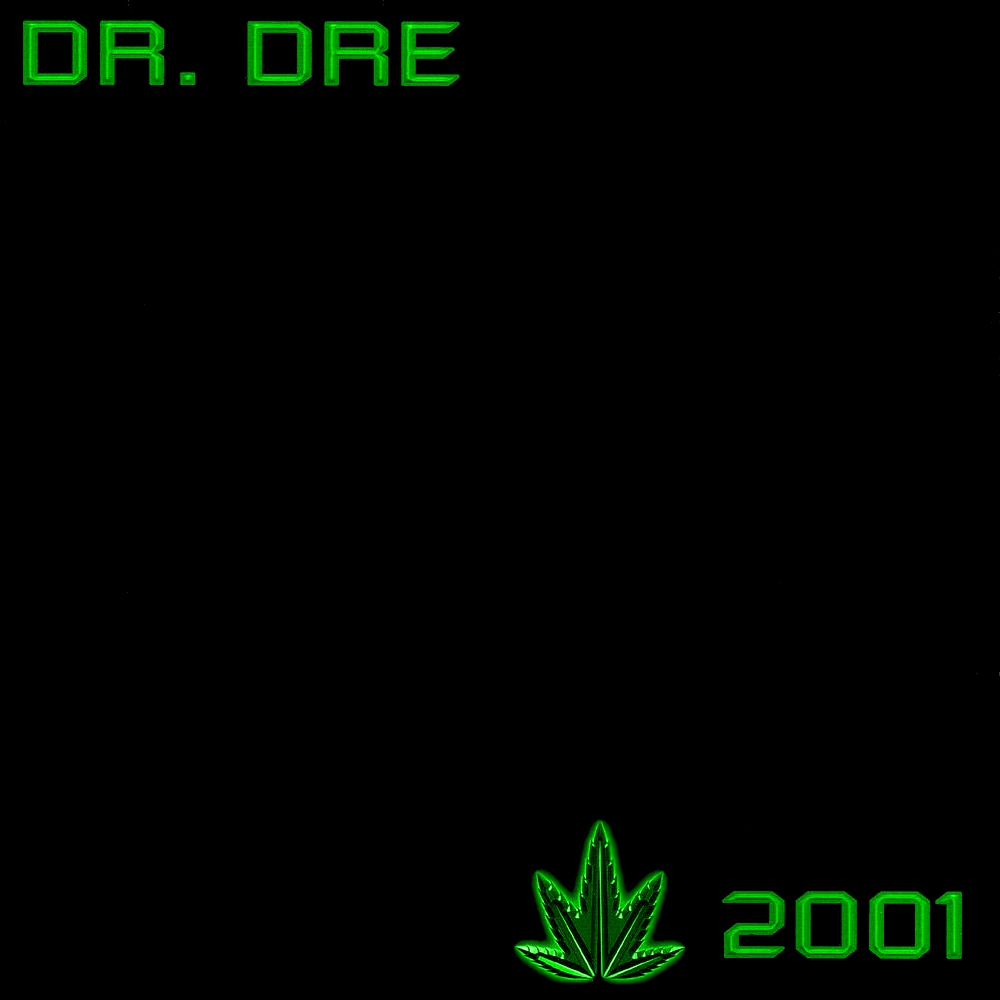
Throwback Thursday Review: 2001 | Dr. Dre

BY EVAN VOGEL
BY EVAN VOGEL

With the release of his first album in nearly 16 years only hours away from our consumption it only seems right that we review his last body of work, 2001. Dr. Dre is a musical staple and his first two albums have more than shown why. From the moment that his sophomore album opens with its cinematically themed introduction, you are introduced to the idea that a lot has changed since the last time he released his own collection of songs. The first song ‘The Watcher’, is a basically compiled list of all the changes that Dre has witnessed and experienced. It’s not a speculation to say that you know you are listening to a song by the doc when you hear one. The intense, hard-hitting nature of his production is what defined an entire genre and his skill still is no doubt still with him. Dre made sure there was no room for slacking in terms of production. The instrumentals could honestly compose an album all their own. Even though I’m sure many of you actually have, forgotten about Dre, the project fills any void of space left from his hiatus.

Dre. said himself that he wanted to use this album as an opportunity to show his fans that he’s still got it; time was not a detractor but rather a meditation. The energy contained within this project is so potent that it can hardly be put into words. Its beats are as charged up as its subject matter. Dre is claiming his stake, which he shouldn’t have even had to do after his involvement with N.W.A. But in time, his fans started to question his legitimacy and fueled his fire which manifested itself as 2001. Resentment plus anger proves to be a lethal combination.

And he’s not alone. With a feature list that looks about as long as a Lollapalooza lineup, the dynamic is constantly changing. From a trademark lyric-driven verse from Eminem on ‘What’s The Difference’ to a pitchy hook from Snoop Dogg on ‘Still D.R.E.’ your enjoyment is guaranteed. This is also one of the projects only detractors, he is able to craft beats that he sounds good over every time, but his collaborators struggle at times. Some of the features could have been easily dropped or moved to songs that were left off of the final album. It can get exhausting to constantly have to think about who’s voice you are hearing or listening to artists cover different topics, or topics differently within the same song.

Dre fills his verses with the words of a soldier ready to fight. Each bar is spoken with the confidence of a haymaker punch and the conviction of a man who is not ready to give up. It ends up as a collection of music suited to amp you up and bump at an extremely high level of sound, with no thought given to decibels or frequency. There is a line where misogynistic words can become far too much. This album gets close enough to poke that line with a short twig. The songs are all undeniable listenable but listening to all the ways women are objectified in this LP can go from entertaining to draining quick. Luckily, topics to switch relatively quickly from song to song and the production is some of the best this genre has ever seen. The music was created at the highest level that music has ever been created and it shows.

There is a reason that damn near every song on this project is still considered relevant in some sense. The beats aren’t simple, but their complexities are cleverly separated enough to enjoy each intricacy all their own. Dre was one of hip-hop’s earliest innovators when it came to beat construction. From combing soul with deep-bass and heavy percussion he has inspired countless artists in the new generation. The album’s classic status is merited by its beat selection alone but it’s lyrics leave things to be desired. Remembering that Dre had been out of the music game for about nine years, as far as writing his own material goes at least, it is understandable why his content sounds like it is stuck in the early 90’s. Covering the ground-driven topics of early gangster-rap, drugs, gang-banging, violence and sex are the go-to topics. By the end of the album, you may have heard depictions of the same gangster lifestyle ten different ways but you are not bored. Again, I do not say it lightly when I say that this album’s production is top tier, bar and trend-setting stuff. If reading this review has been your re-introduction to the doctor of hip-hop, make sure, whatever you do, you don’t forget about Dre again.

9.5