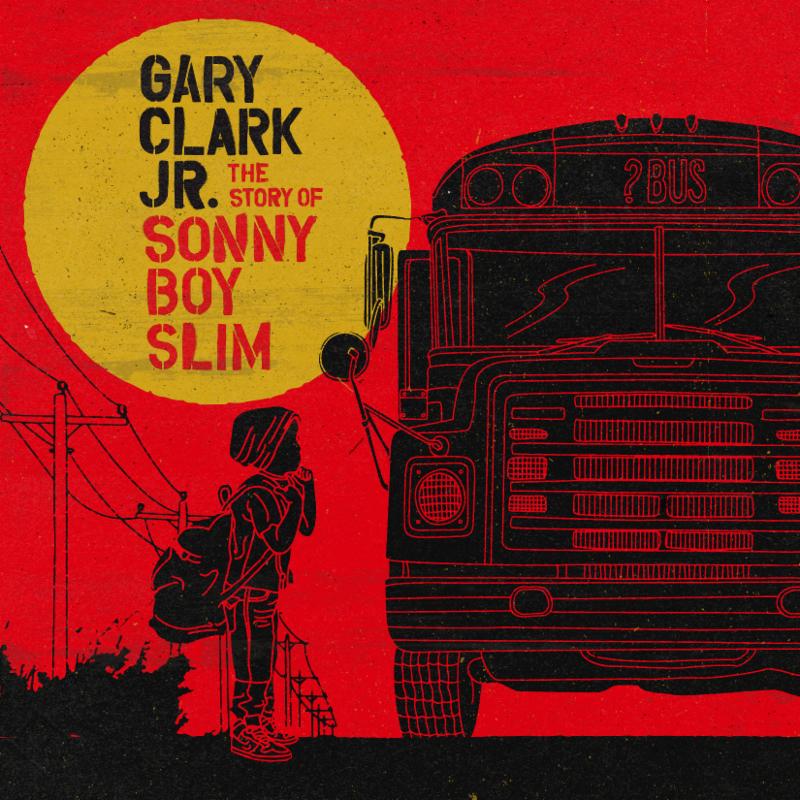
Take an artist who was born and raised in Austin, Texas, musically influenced equally by funk, blues, country, hip-hop and soul and let him create a completely personal album. You get a story, not a completely cohesive one, but a good story nonetheless. The Story of Sonny Boy Slim, to be exact. Gary Clark Jr., happens to be this Austin raised musician and rather than giving us linearity or even a hazy path to follow, he instead gives us a collection of songs that stand as their own stars in the constellation of his life and we are able to connect them for ourselves.
The ground covered on this LP is vast. It collectively shares a two common denominators: struggle and love. Album opener, ‘The Healing’ sheds light on his inner-philosopher as he sings, “This music is my healing”. Never getting too specific about his struggles, he shares the sense of freedom music embellishes him with, also realizing the real cost of obtaining the thing he now has in his grasp, money. On the low riffs of ‘Grinder’ he almost satirically relishes in obtaining the lifestyle that people kill and have been killed over.
No matter what directions he takes lyrically, it all seems to circle back to love. Whether loving yourself or loving the one you’re with, passion and not pain seems to be the driving force of the album. There is a certain ambiguity he maintains song after song. Take Marvin Gaye-esque love ballad, ‘Our Love’ for example. Clark could have any woman on his mind when he whispers, “You’re the one I’m thinking of.” It’s the kind of song that brings you as a listener back to the repressed memories of a love that never was. The songwriting is familiar and therefore not always as interesting as it could be; but it works. It is obvious that Clark wanted to explore so many different things that they all can’t be fully realized within the length of one album.
The guitar-work and overall sound skips limberly around 70’s funk, contemporary blues and soul, to having a heavy hip-hop and R&B influence. The sound he created here is rooted in generations past and sounds similar to modern day neo soul with its own intricacies. He is expanding the category many had placed him into after his first couple works into uncharted territory, successfully establishing his very own seat at a table not far from the visionaries he often resembles.
Both traditional sounding and impossible to pigeonhole, Clark’s album is an extremely entertaining collection. From the upbeat silky rhythm of “Can’t Sleep” to the bass-filled draw of “Stay”, Clark medicates his romantic thoughts in any number of ways, usually accompanied by sharply picked guitar solos. Clark’s wide-ranging vocals and honed guitaring make the absolute most out of all the spaces he tries to occupy sonically. Having already proved his skills on the finely tuned strings of a guitar, this album has Clark exploring his other curiosities and influences, which pays off in more ways than one. The fusion of genres here opens the door for so many questions in the future of where this man will take his music. My assumption is that we will all simply have to wait and see, but we can do so excitedly.
In an age where advanced knowledge of the music scene’s constantly evolving landscape is vital to artistic survival, Travis Scott is poised to lead hip-hop to a new era. A GOOD Music in-house producer, the 23-year-old’s music channels influences such as Kanye West and Kid Cudi into ultra-modern perspectives on life in the Internet era. He began to craft rumblings of greatness on the quintessential Days Before Rodeo mixtape in 2014, but a year later, he now has the opportunity to snatch greatness by its throat with his debut full-length, Rodeo.
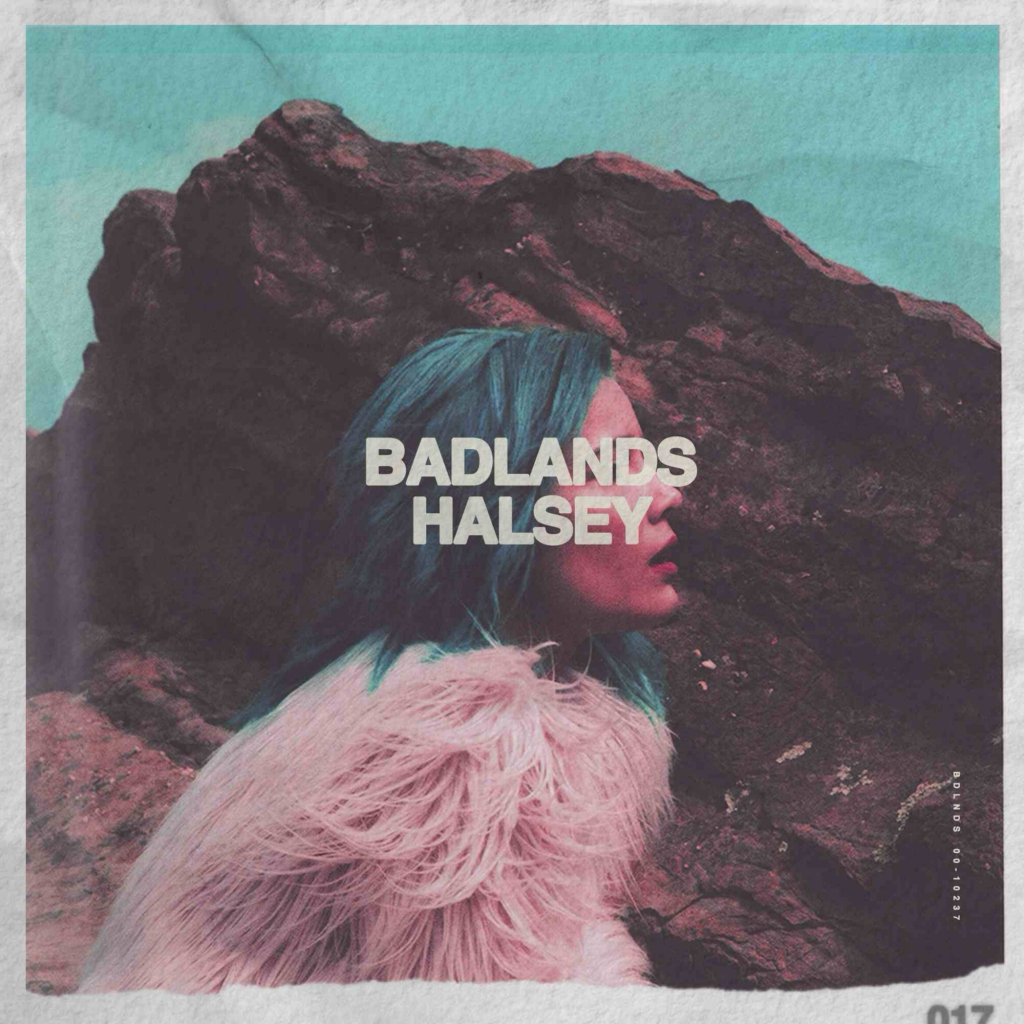
Halsey is on to something. She has oriented herself with fans via the internet as so many musicians do in our day and age. She is similar and different. Her approach is poppy and catchy while her style is sensual and dark, especially when considering she is 20 years young. Her debut album hits both on the highs of self-empowerment and the lows of relations with people and darkness in the world — especially the latter of those two.
Not too long ago, liking pop music was lame. I can recall various moments from my childhood where I was anguished and fussing with dials in the car, shooting off statements denouncing pop music and it’s relationship with radio targeting it’s saturated, uninspired nature. Radio represented the popular opinion, and was an algorithmic machine that responded to and replayed the music that would have the highest chance of people keeping that station on—an attribute that makes terrestrial radio a constant target for criticism. Although the analytics of radio haven’t really changed, artists like 19-year old Alessia Cara, who we had the pleasure of speaking with last month, are pushing the quality of the content forward, making sure that radio in 2015 is the most diverse and the most inspiring it’s ever been. A simple glance at the top charts on iTunes will prove to you that popular music is not what is was, and chances are you’ll see songs like Alessia Cara’s ‘Here’, her inaugural single for Def Jam.
‘Here’ represents every ounce of merit in my words above. It’s a song that deviates from any pop-precedents, whether you choose to focus on the strange sample, the rant-y, avant garde flow, or the lyrics about ironically being stranded in a mob. ‘Here’ is an anti-party anthem that boosts the ideals of the introvert, as Alessia picks apart her unfortunate experience at your average party. The party itself isn’t exactly the problem, as there’s nothing really out of the ordinary being depicted—it’s just that Alessia’s own personal definition of bliss is not in an intoxicated haze, but rather in the confines of her own room, or around people she actually knows, doing things she actually likes.
Her debut EP Four Pink Walls reflects this isolation and reclusiveness, as the title itself is a tribute to her bedroom walls growing up where she would indolently aspire to be the things the she is now. The song ‘Four Pink Walls’ elaborates further, with lines like “I assumed there was only room for my dreams in my dreams so I’d sleep and repeat ’til the moon went home”,before diving into the booming chorus, “Then the universe aligned, with what I had in mind, who knew there was a life behind those four pink walls” proving and manifesting that Alessia’s place of mental refuge also happened to be the place her talent and stardom was honed and perfected. Reflection and retrospect are integral components of this project, as Alessia often employs the benefits of hindsight to boast added wisdom on the topics at hand. ‘Seventeen’ sonically hits like a pop-anthem reminiscent of recent Taylor Swift joints, but it lyrically nods to the advice our parents give us in our teenage years—advice we’d later look at and understand from a more developed perspective. It’s hard to believe Alessia Cara didn’t write original music prior to her material released through Def Jam, as through solely leaning on her own experiences and collaborative guidance from decorated writer Sebastian Kole she has already developedpoignant, original, and opinionated perspectives within her music.
Standout song ‘Outlaws’ flaunts Alessia’s pen in the most impressive ways, as she exhibits the ability to not only say something with her music, but to tell you something. She simultaneously bobs and weaves through chords with a sweet, tender melody while also slowly unfolding a bubbly and emotive infatuation with a love interest. The metaphors and practically visual sense of storytelling will remind you of writers like Frank Ocean or Ed Sheeran. ‘I’m Yours’ is similarly vivid and robust in imagery, but it’s a little less spirited and a little more fragile. Alessia shrivels into a vulnerable subject of someone else’s impeding love, as she feels helpless in succumbing to these imminent, foreign emotions.
The song structure here is far from experimental and nothing to marvel at, but the tracks given to us on this EP impose their profoundness on the stories being told. With Four Pink Walls, Alessia Cara is able to flawlessly carve her own stories into a familiar lane and keep us invested. With the other pop-princesses coexisting with Alessia putting out records about substance-induced elation, Four Pink Walls offers the story of the teenage wallflower finding solace in solitude. Although this five-track project is meant to be a prelude to Alessia’s giant album coming this Fall, she’s already made us feel like we know her well, and she’s already changed the climate of pop music in 2015—for the better.
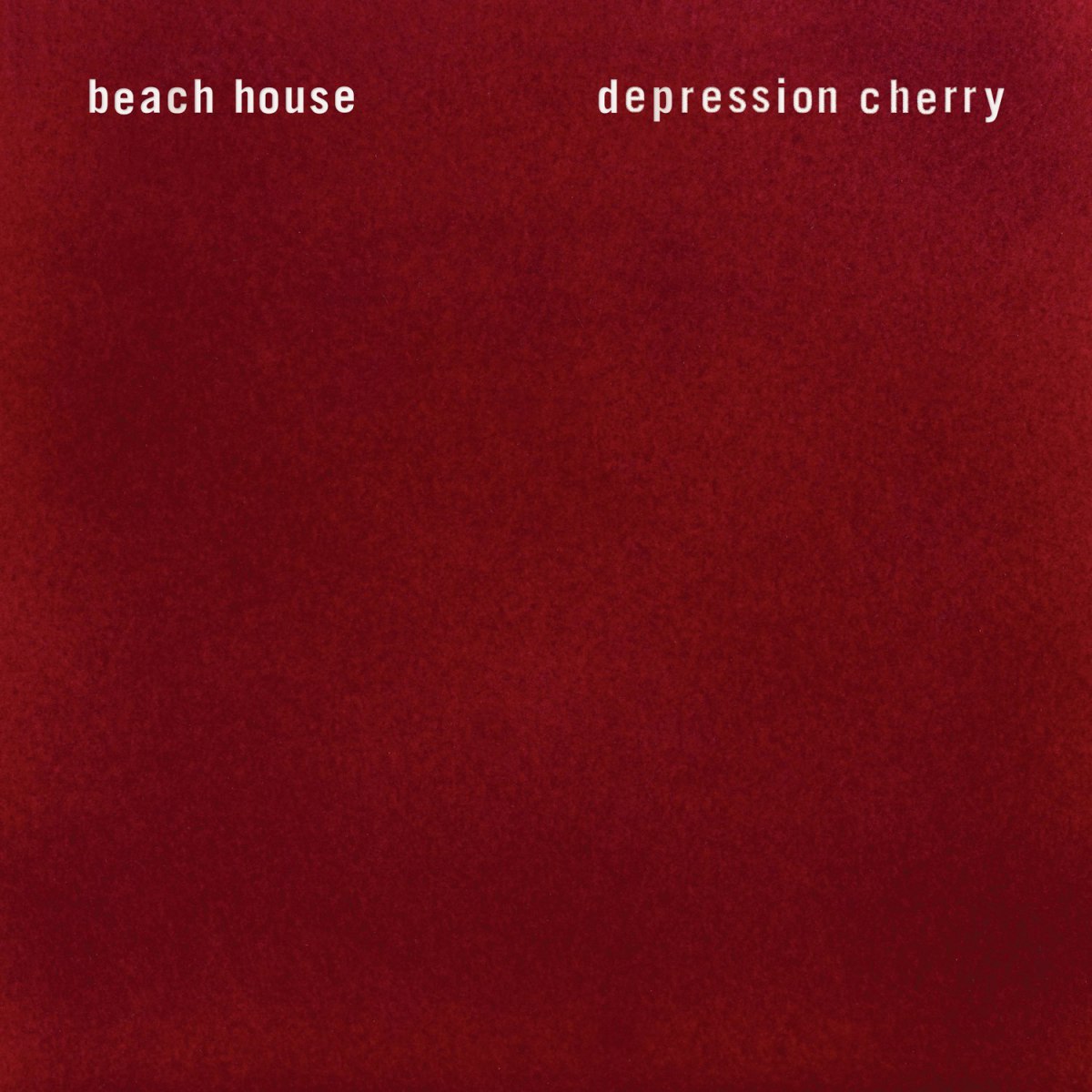
Infinite joy without the truth of reality is unrealistic, and while not necessarily a bad trait, after a while it can get tiring and can be hard to relate to. Sometimes it takes an artist to somehow reach into the listener’s life to truly touch them. This may be through a specific lyric, a certain sample that invokes intense emotions, or even a slight nuance that while hidden may truly make a large difference. The harsh realness of life is what makes Depression Cherry so unique, the sound of Beach House waking up after a long daydream while still maintaining an ethereal aura. One thing intriguing with this album is how well it serves as a companion piece to their previous two albums Teen Dream and Bloom. While it stands very well on its own, Depression Cherry carries additional depth to uncover through context. If those previous two records reflected upon the joy of experiencing a crush and being in love with the idea of love, Depression Cherry goes into a much darker realm created by the tragic mess of rejection and losing touch.
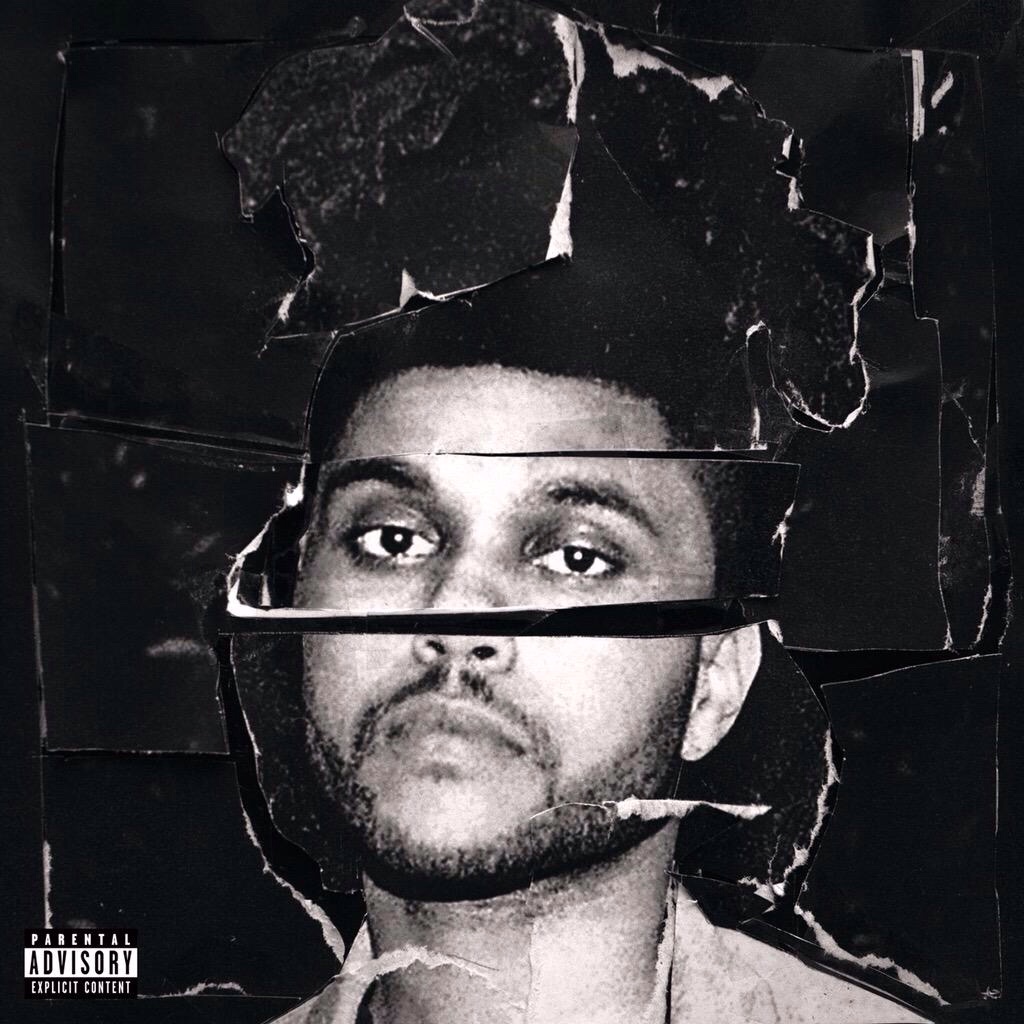
Once upon a time, The Weeknd was poised to be indie-R&B’s most grim and gloomy figure with the release of his moody and ominous mixtapes, later to be repackaged and referred to simply as Trilogy. Instead of lingering in this unique, more sinister take on traditional R&B, the last few years have seen The Weeknd drive towards a more accessible style. His studio debut, Kiss Land was sonically ambitious, foreign, and luxe, but fell flat due to it’s uninspired lyrics and lack of conceptual depth. It became clear that Abel was trying to ditch his callous, sexually explicit themes to head down lyrical avenues that offered more emotional depth, but on Kiss Land, it culminated into a diluted, impotent version of his opus mixtapes. On his second studio album, Beauty Behind The Madness, The Weeknd has successfully pivoted into an effective, full-out pop lane, and although the record will boldly translate into radio formats and the masses, the core of the lengthy record will still come across noticeably hollow.
Chicago is very likely the main contributor to Hip-hop’s come-up scene over the last few years. Chief Keef, Vic Mensa, Chance The Rapper, Fredo Santana, Saba, Lucki Eck$ and Mick Jenkins are all incredibly diverse and unique artists that all call the windy city home. While a good portion of the artists I previously mentioned have since established a solid footing in the music industry accompanied by huge fanbases, a few are still on that come-up grind. One of these such artists is the aquaman, Mick Jenkins. He has been putting music out periodically since early 2012 but 2014 is when the stars aligned and his fourth mixtape, The Water[s], propelled him to heights above many of his peers.
That mixtape was as much a literary accomplishment as it was a musical achievement to Jenkins. Rooted in extremely deep poetry, his style is saturated with ambiguous bars that take a heaping of time and effort to fully appreciate. It isn’t that his music is particularly vague, not at all actually; it simple possesses the ability to be interpreted in any number of ways. Having crafted a beautifully somber and intellectual project, it was assumed that he would either continue down a similar path or take a new approach. With his new fifth project, he definitely took the latter of the two options.
Wave[s] opens with familiarity thanks to its ethereal instrumental but it quickly showcases a new vocal sound from Jenkins. It sounds as though he is more awake and sharper than his last outing. As reality would have it, he even stated in interviews that he wanted to tone down the intricacies of thought, worked tirelessly into his last project and wanted to focus more on having a good time and just trying things out. The hooks, which are a new-found point of interest to Jenkins seem to come almost naturally. While not something you would hear charting on the radio, a few of the songs reach this cusp of mainstream appeal. The track ‘Your Love’ is reminiscent of so many hayday radio artists like Timbaland, Drake, Pharrell yet far enough away experimentally to set it apart. The drums accentuate the incredibly catchy hook and the backing drowned-out vocals make it memorable.
None of the instrumentals stray far from experimental. They are chalked full of high-pitched synths, jazzy elements and well placed hi-hats all combining to sound something like a space-age hip hop album. There aren’t many projects like this, in the sense that you are unable to figure out a specific sound approach. Every song strikes its brush in a new palette of sounds for your ears. There is undeniable similarity between this and his last water-rooted project, but liveliness is a lot more thematic here.
The Water[s] had Jenkins addressing the faults of the stereotypical rapper lifestyle like empty relationships with women, and a debtless credit card. This time he sounds less concerned with taking a position on too many issues and more so embraces the options. He talks about heartbreak on ‘40 Below’ as though it is something expected yet it seems to show up out of nowhere. His new project is also a lot less existential as Mick has already affirmed his place in the rap game. It often sounds like he is using the water to reflect in the lake that is his life all while looking ahead. He is unapologetic as he illustrates,
“Quantum leaps ahead of my peers, they not even in my peripherals.”
Jenkins has always had an ear-catching way of stacking syllables and building verses. This project is no exception. He packs a staggering amount of words into a majority of his bars and seemingly skips on punctuation as his lines meld together into steady streams of consciousness.
After his previous works, it seemed like we had Jenkins largely figured out, but this project shows him in a whole new light and appealing to listeners in a whole new way. It is fun, engaging and easily his catchiest stuff yet. He is enjoying himself, his music and the life around him. It is still music full of thought and social relevance but things are left at being discussed as aspects of life, rather than things that need changing; and really, isn’t that the epitome of enjoying life?
The definition of a based freestyle is simple: spitting bars in a stream-of-consciousness manner that can tell a story or simply express the emcee’s emotions. On Free (BASED FREESTYLE MIXTAPE), a collaboration between based-originator Lil B and rising superstar Chance The Rapper, each rapper opts for one of the aforementioned takes on based freestyles and runs with it for the EP’s half an hour of hip-hop at its most eclectic.
Whether it is accomplished via sports, travel, or entertainment, humans thrive off of living vicariously through one another’s pursuits. In regards to music, hearing The Weeknd croon about drug-fueled sex or Rae Sremmurd trading bars about throwing stacks in the club creates a temporary sense of leading a lifestyle that’s generally unavailable to the common music enthusiast. The exact opposite process is found on Lil Dicky’s new record, Professional Rapper; rather than crafting an image driven by dramatized events, the Pennsylvania rapper spits about the mundane with the intention of causing the listener to laugh and ultimately relate.
Heavy-handed in its approach of Dicky explaining his rap method to a potential employer voiced by Snoop Dogg, the title-track is redundant as Dicky’s ability to even secure a Snoop feature confirms a wide audience already understands his shtick. The first of three interludes featuring Dicky’s parents that precedes the album opener provides a more natural way to visualize his normalcy; an approach that correlates with the album’s strong suits, as comedic events are best experienced rather than explained. Take ‘Oh Well,’ a melancholy production with occasionally fluttering percussion that finds Dicky laying out lines like, “I just can’t go a day with being alone/When I’m friends, though, why the fuck am I still on my phone?” Speaking on legitimate downsides of 21st century life amongst line’s joking about the issue (“Laying in the bed but I can’t rest/Till my gram checked, wish I cared less”) affords a nice balance of comedy and social awareness without either being forced front-and-center, especially when presented with an excellent verse of Jace from EarDrummers’ Two-9.
Of course, Dicky is best known for his outright humorous tracks such as ‘Lemme Freak’ and ‘Classic Male Pregame’ alongside their absurd music videos. Even without visuals, the songs still manage to entertain as the attention remains on the narratives being woven while also shifting toward the record’s capable production value and Dicky’s equally capable flow. Ranging from stoned-slow to hyper-quick, he is able to shift the tracks sonically at a pace that allows his story-centric humor to methodically progress with the music, whether it is atop a bass-driven, DJ Mustard- esque beat or snappy, minimalistic drums. Lyrically, a good portion of Dicky’s punch-lines deliver, especially on cuts such as ‘White Crime’ (“Looking like a nice guy ‘til I take your motherfucking Wi-Fi) and ‘Pillow Talking’ (“I’m five feet eleven/on Tinder I’m six feet”); on a broader scale, wide-range concepts for tracks like ‘$ave Dat Money’ also excel with a Lonely Island-esque ridiculousness to them that’s furthered by catchy hooks from the likes of Fetty Wap and T-Pain.
By the time the record’s staggering hour and a half runtime is complete, Dicky’s style does admittedly lose its appeal at times though. One has to believe Professional Rapper would have been better served at an hour at most, thus leaving many of the songs best heard outside of the album’s context after running through it once. Nonetheless, Dicky manages to entertain with unconventional plots and engaging sounds on a collection of tracks that will surely be well received by its millenial audience.
The past year and a half has been a big one for J. Cole and the whole Dreamville Records crew. We got a collaborative mixtape to introduce the team to our music libraries as well as a freshman records from new signees Bas and Cozz. If I am being completely honest, I hadn’t heard about each album until well after they were out and I still regret that to this day. Why? The fact that it was each of their first albums becomes irrelevant once you press play. Both albums were so incredibly produced and guided under Cole’s expert workmanship that they sounded like veteran projects. Bas released an incredibly fun and playful album in accordance with his style that ended up being one of last year’s most fun listens while Cozz pushed out an album that was ominously produced and tragically realistic. Needless to say, I was incredibly excited to see what was next to come from the group who seemed to be inept at making poor quality music.
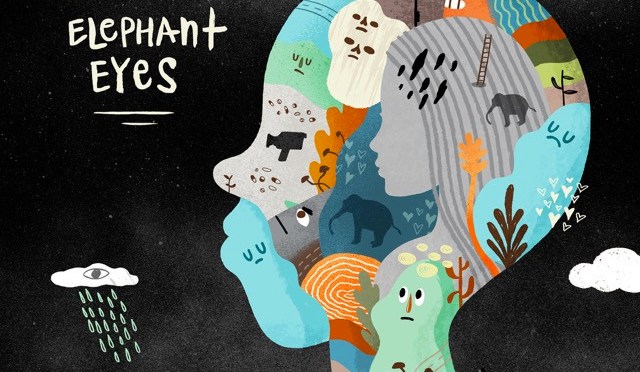
It was then I realized that Omen, who had appeared on Cole’s mixtapes and the Revenge Of The Dreamers mixtape, had yet to put out his first LP. So when news came that his album, Elephant Eyes was damn near finished and even called “classic” by Cole himself on the last track of Forest Hills Drive, I was unprepared to say the least. I had gotten relatively acquainted with Omen’s music, style and production. It only took about one or two songs to deliberate that the man was very talented, even producing a huge portion of his own stuff to the point that one of the first artists I drew comparisons to was Cole.
And wow, Cole’s statement is not far off from the truth. Elephant Eyes is a great body of work, on the better side of what has been released so far this year. It travels forward like many first albums do; an artist’s acquainting listeners to their life. The very first track, ‘Motion Picture’ opens with a uniquely chime and drum filled bass that sounds even better when you bob your head along with it. Lyrically, the first line alone lets you know what to expect from the emcee.
“Populate my flow with concentrated growth”
Omen is concerned with evaluating his growth as an individual throughout his writing. Not long after he hit you with a clever double entendre about his lack of concern for money and women in high school and how that has changed now. The album is really a showcase of his fears and a way he feel comfortable communicating them. By the end of the album comes to a close you will have heard plenty of references to his shy personality in person and yet he is pouring it all out on the track which is heartfelt and adds to the experience in a dynamic way.
The next topic explored on track two, ‘LoveDrug’, is our society’s seeming addiction to social media and the necessity to be noticed. It has been a huge topic in the last couple years but has rarely been addressed within hip-hop so completely. His rhythm and flow are perfectly synched with that of the beat and lead the way to a simple, meaningful chorus that works greatly. I would even go as far to say that overall the choruses are some of the catchiest I’ve heard this year and not the slightest bit cliche. A complete surprise and joy to hear from an artist so focused on telling a good story. By the time you get to the title track ‘Elephant Eyes’, Omen has established himself as a visual person. His depictions are vivid, down to pointing out a new haircut a fling of his got recently. The elephant eyes are a reference to the fact that he has seen so much in his life and never forgets.
His song about a lack of his birth father in his life is incredibly uplifting. It is able to establish what a life without a father could be like and then moves into the reality that there are plenty of other father figures in his life. It will likely draw in tons of listeners due to its natural relatability. A simple boom-bap beat suffices as Omen lays down his bars and belts out his chorus. The songs are examples of Omen not knowing what position to take in this confusing world. Should he conform with society, be himself, believe what he hears or develop his own beliefs? ‘Sketches of Paranoia’ is a great example of this occurrence. It features fellow Dreamville member Bas and they both battle the idea of either themselves being crazy or everyone around them.
At times the production gets jazzy, others it has roots in heavy boom-bap but regardless, it always fits. His reference to foolish pride on J. Cole’s track ‘Enchanted’ expanded into a full length song here. It is much more poetically spoken than the surrounding music on the project. It explores his personality transitions throughout school and ends on a bar explaining that once, people stopped fighting with their fists, they fought with guns and he was not about to let his pride get him killed so he would change his ways. From there we go to a very well produced and interesting song, ‘Big Shadows’. It has Omen explaining his relationship and connection to J. Cole who he sounds both eternally grateful for and yet covered up by. He refers back to his foolish pride when he talks about hating when people would call him Cole’s prodigy. The third verse he leaves himself with another question about what to do and how to interpret his fame. It is an interesting way to pay respects and at the same time question the methods of the person who helped get you where you are.
The whole album sounds like one huge depiction of how life can be looked at differently as things happen throughout it. The song ‘Things Change’ with the man himself J. Cole, illustrates a sense of acceptance of the fact that things won’t always be the same and your question of “why?’ won’t always be answered. It is another boom-bap style beat with an entrancing voice present in the background speaking the song title. The last song ends positively speaking about women who it seems like Omen has had more trouble than ease with throughout his story. The sample infused beat is infectious and has Omen speaking some very solid truth on the chorus. “Nothing makes a man feel better than a woman.” I have thought about this statement and have yet to dispute it. Good call Omen, hope you don’t mind if I steal that line for a future conversation.
By the end of the album, you feel like you are hearing a much more confident Omen than the shy, closed-off artist we got in the beginning. It shows progression, not only in music but in his number one concern, personal growth. He is more accepting of the randomness of life and seems more comfortable about who he is. The ability to hear a definite growth and transition in thought process is what pushes the project past being a collection of songs about one’s life. The artists involved with Dreamville records seem to be writing an elaborate collaborative book and this is one of the best chapters yet.
Your Music Source for News, Reviews, Interviews and Much More!








![EP Review: Wave[s] | Mick Jenkins](https://theearlyregistration.com/wp-content/uploads/2015/08/waves.jpg?w=672&h=372&crop=1)
![Wave[s]](https://theearlyregistration.com/wp-content/uploads/2015/08/waves.jpg)







 The Early Registration