
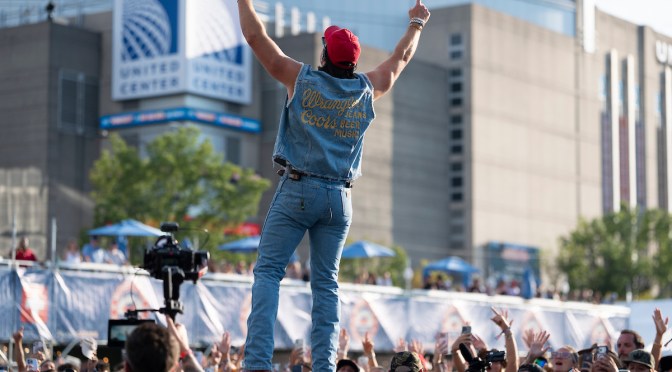
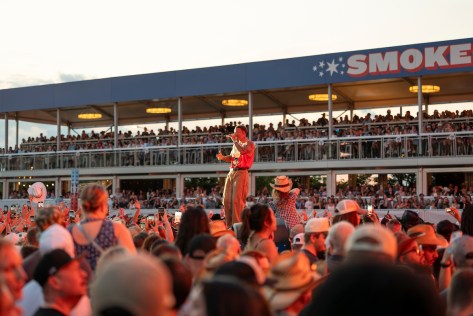
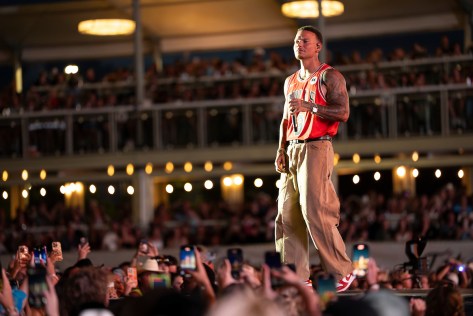
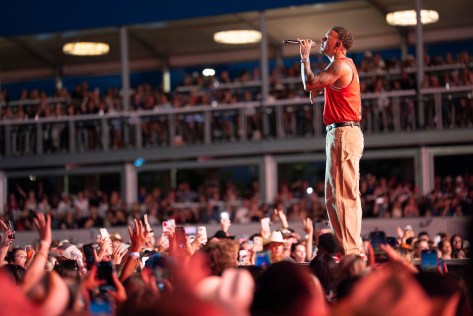
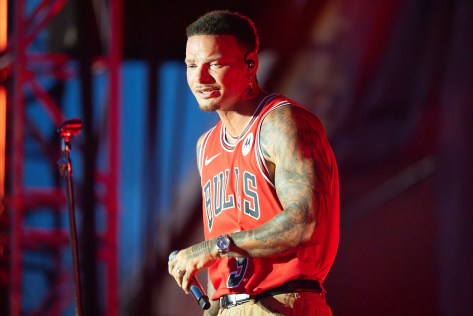
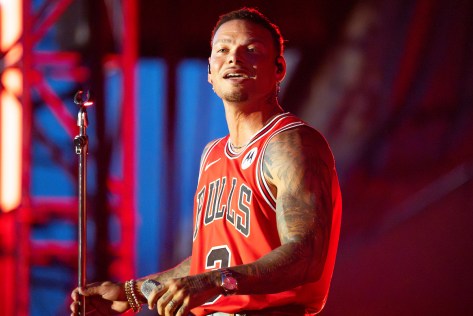
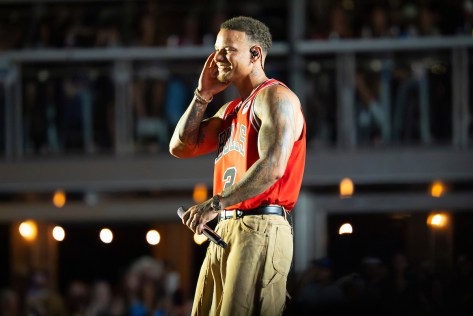
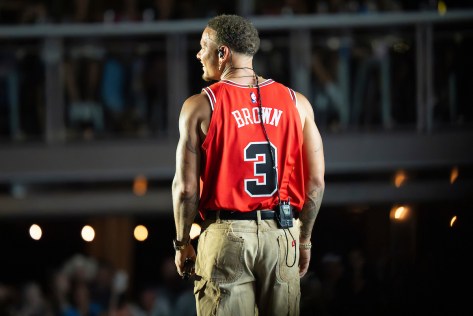
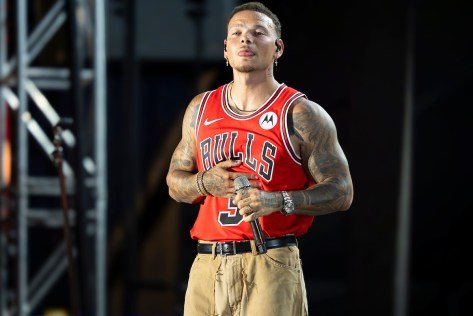
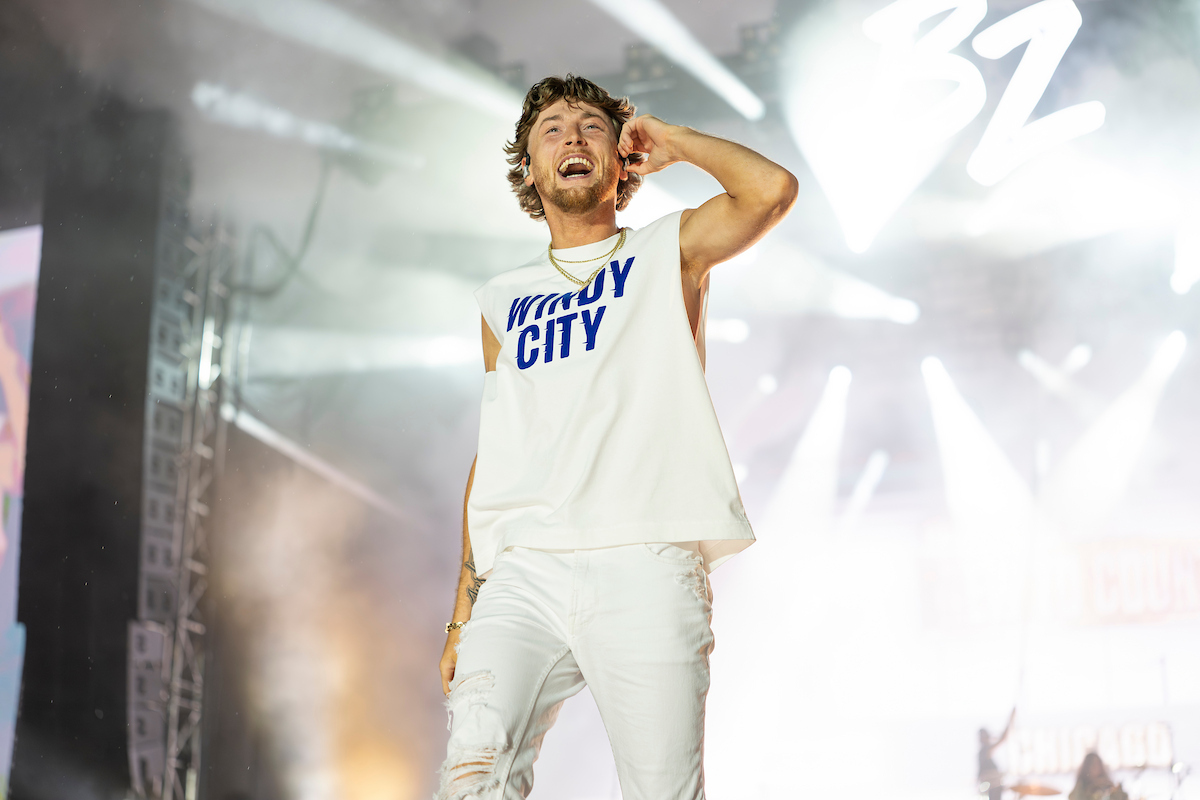
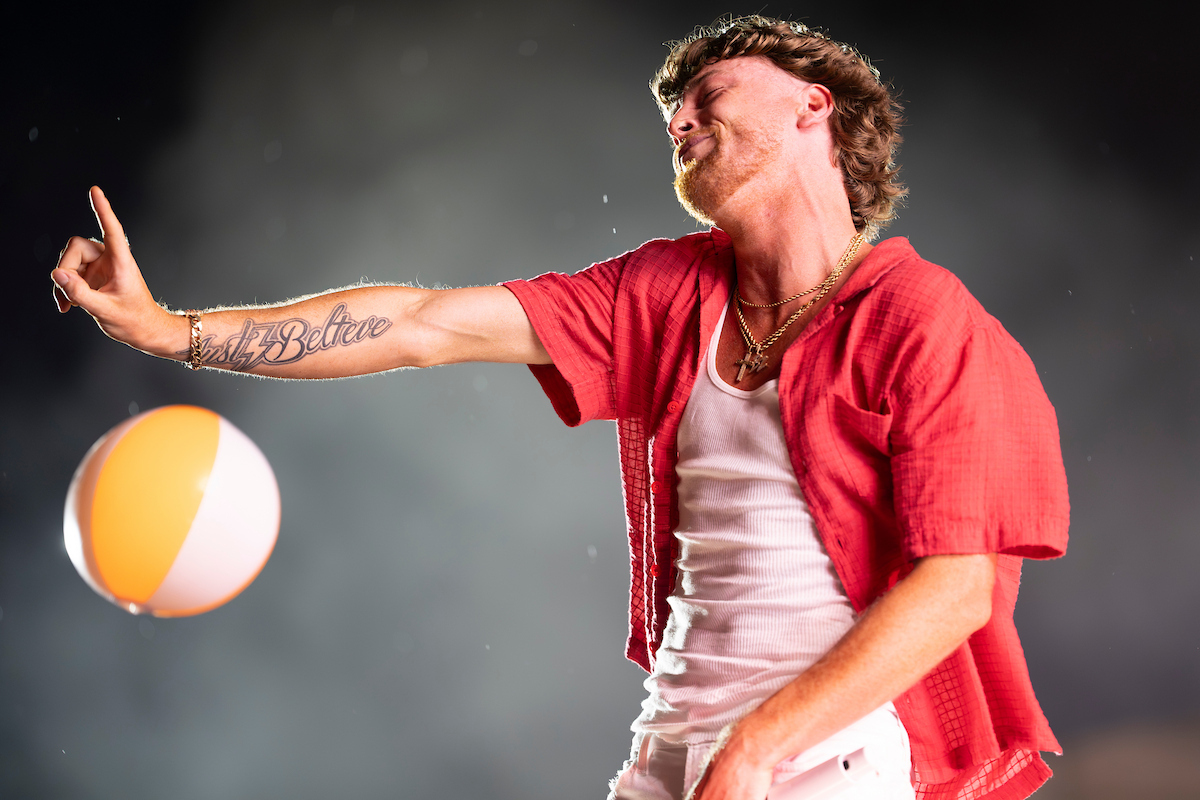
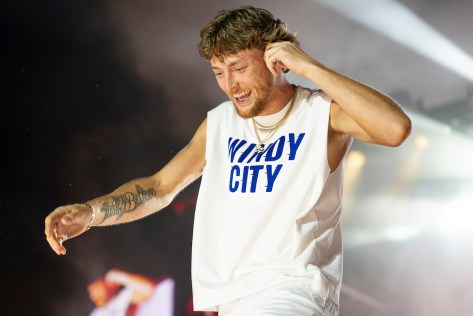
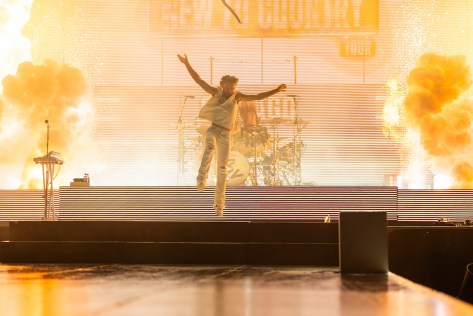
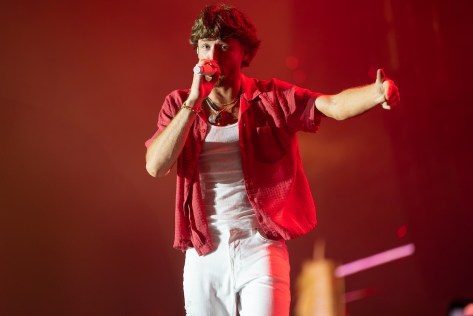
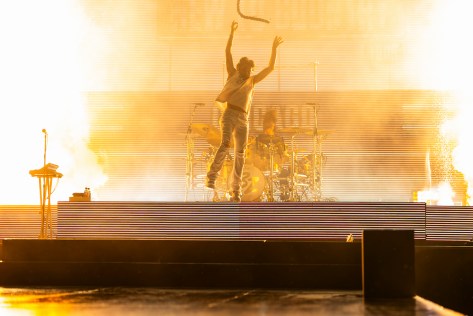
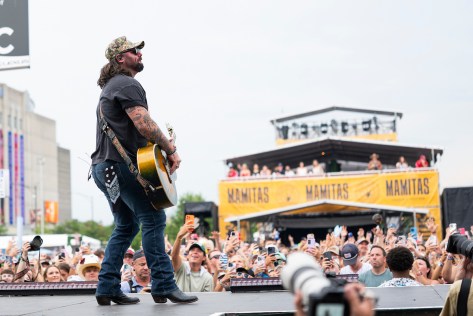
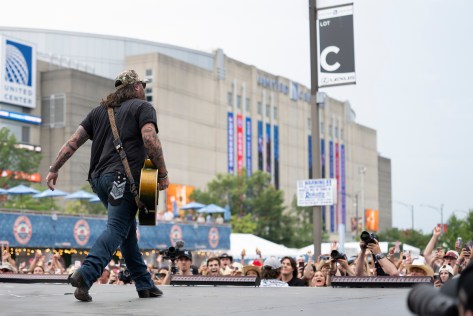
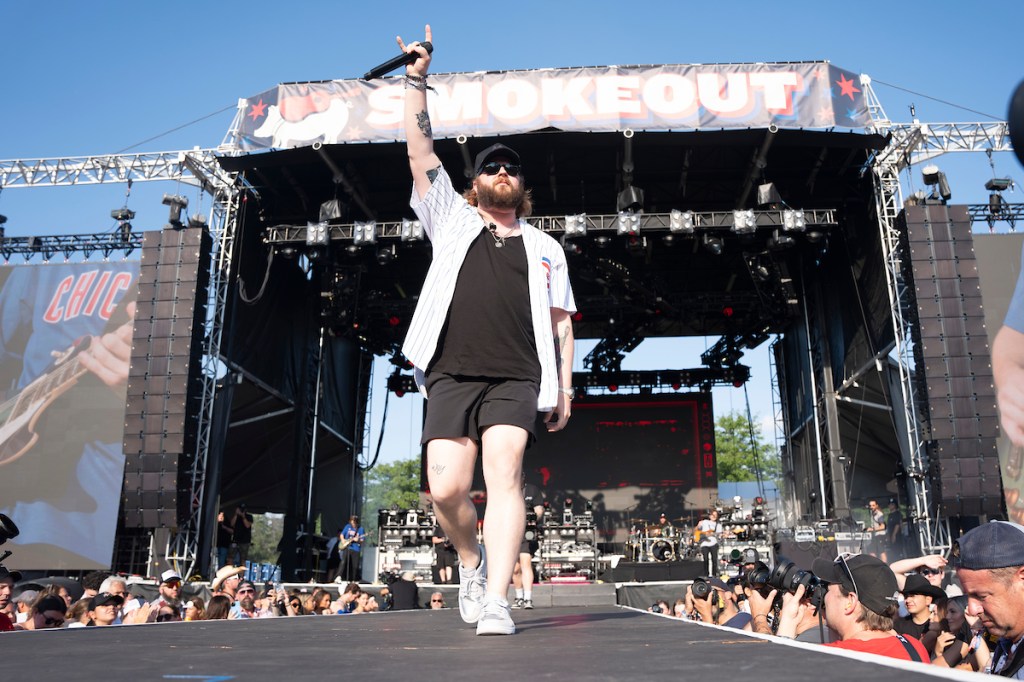
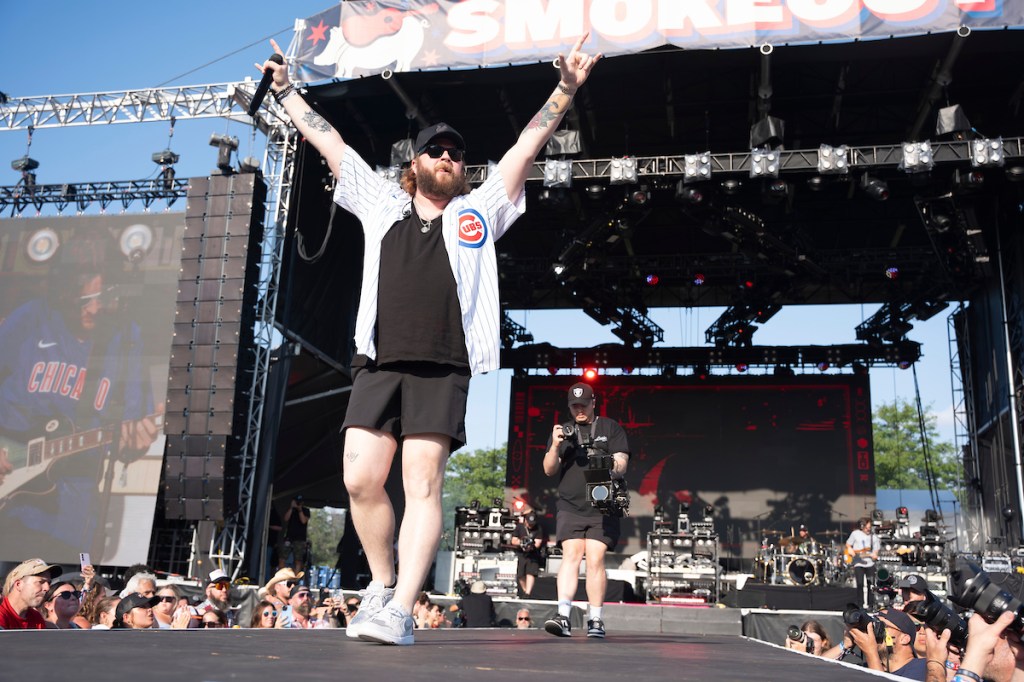
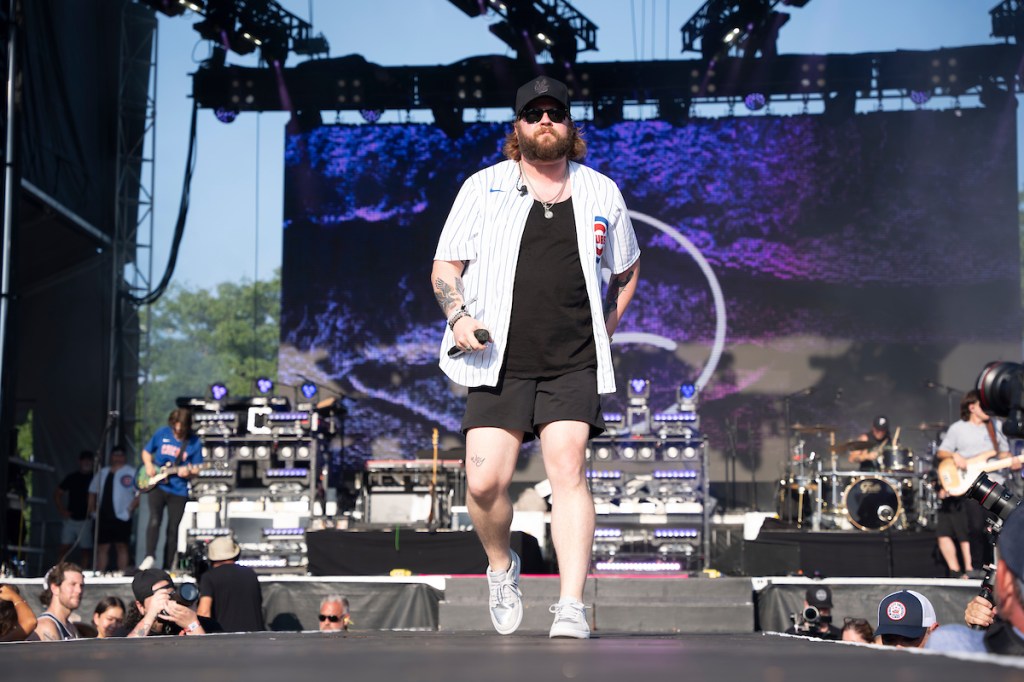
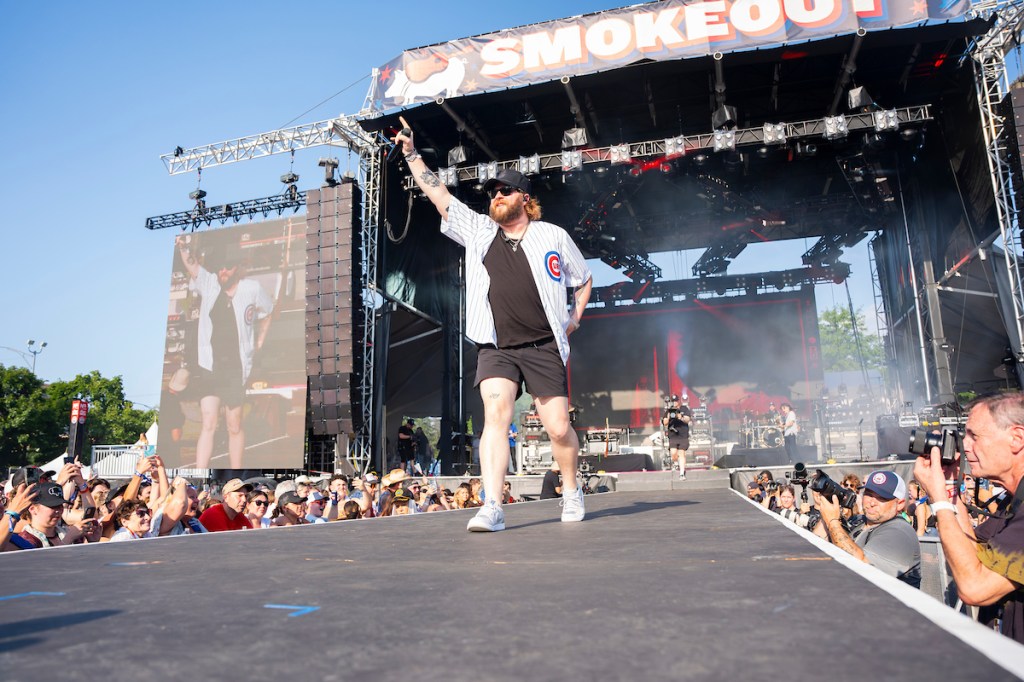
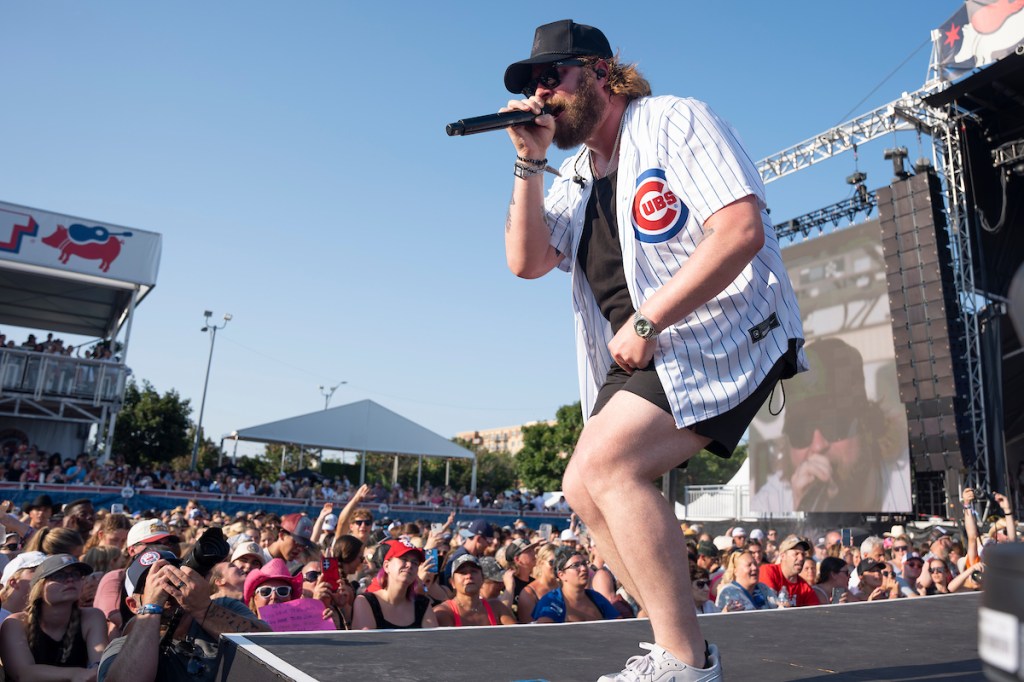
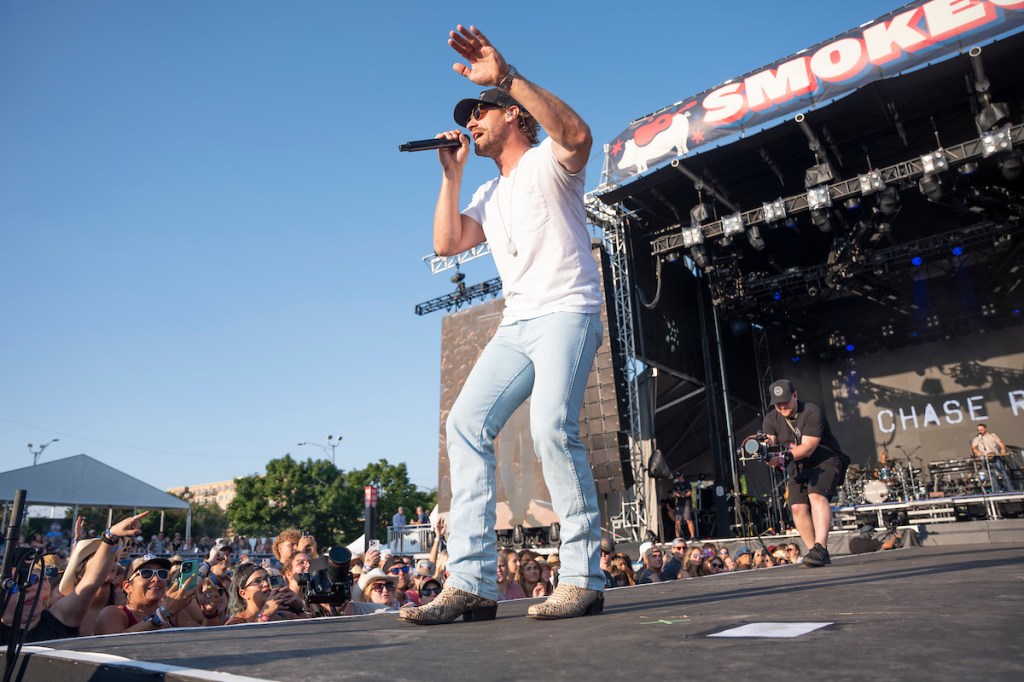
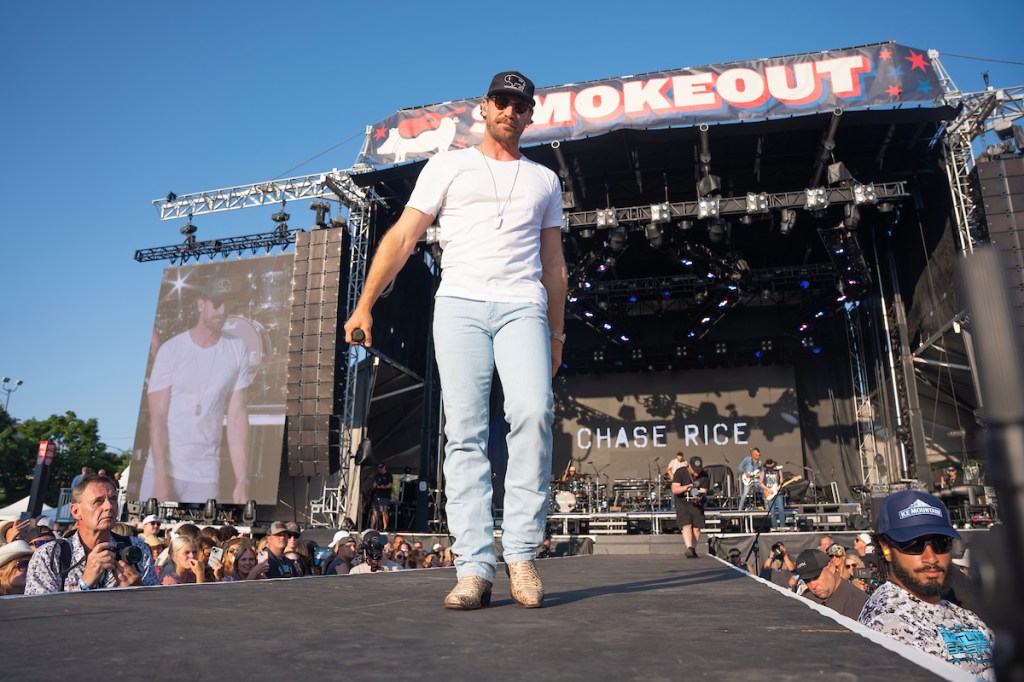
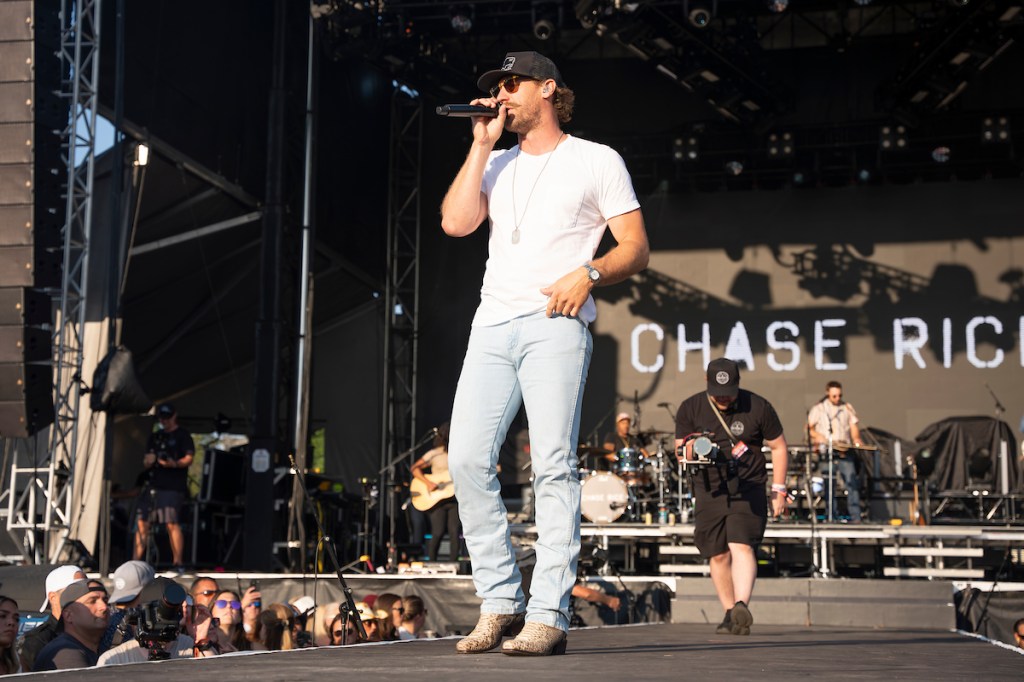
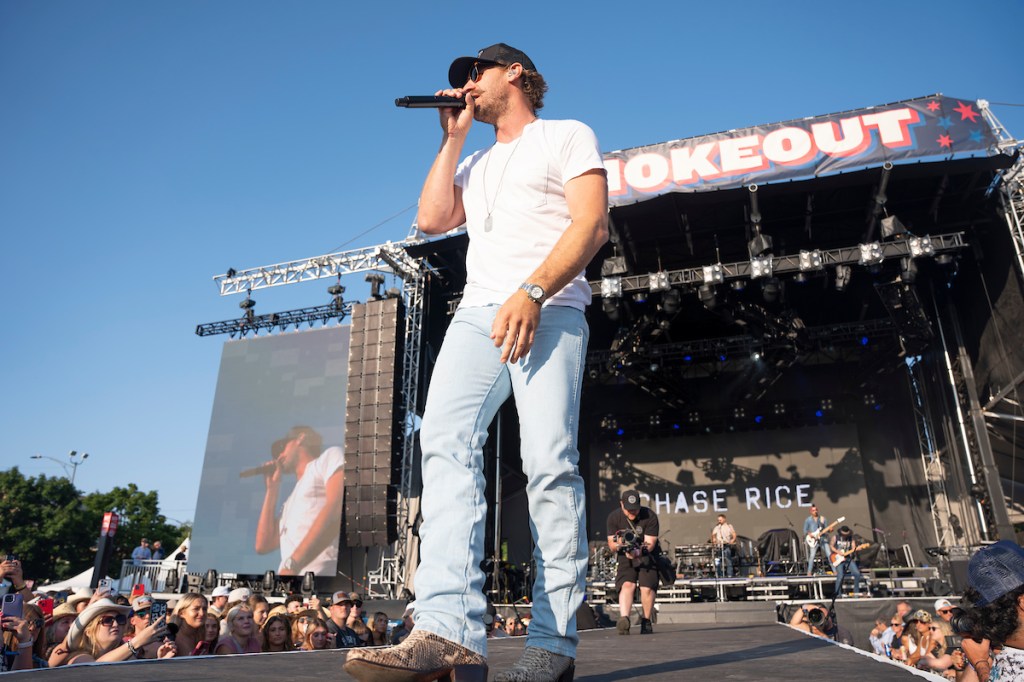
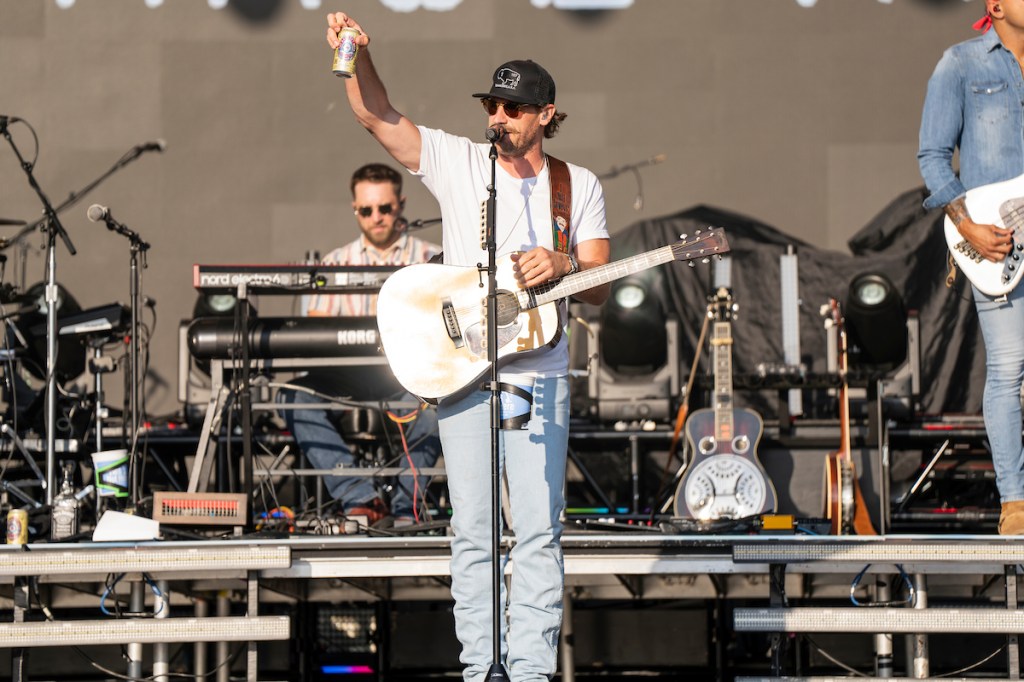
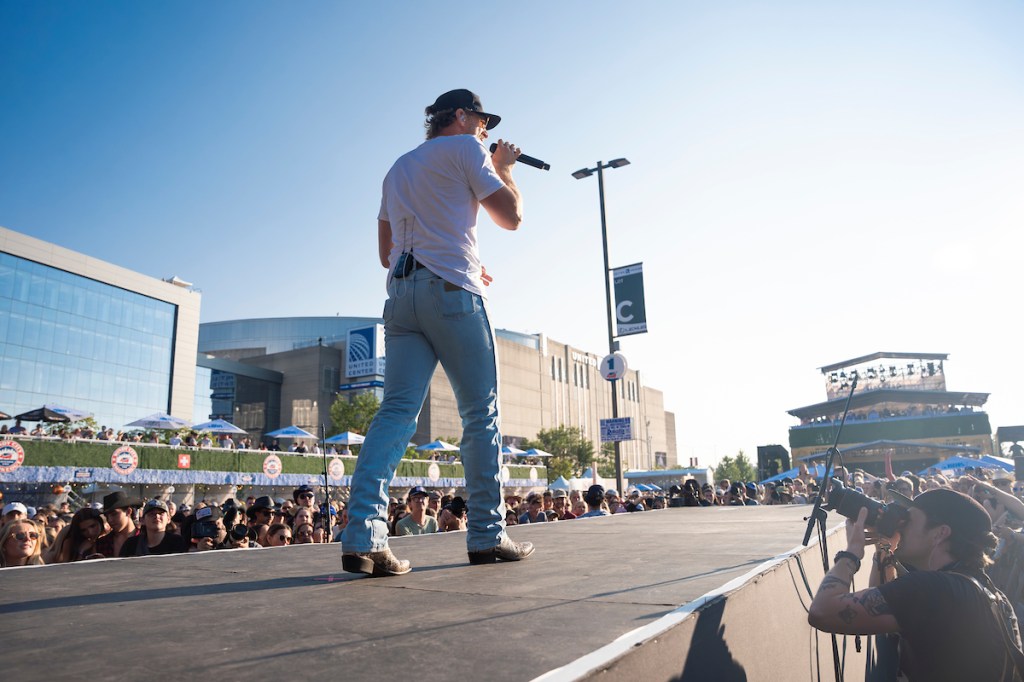
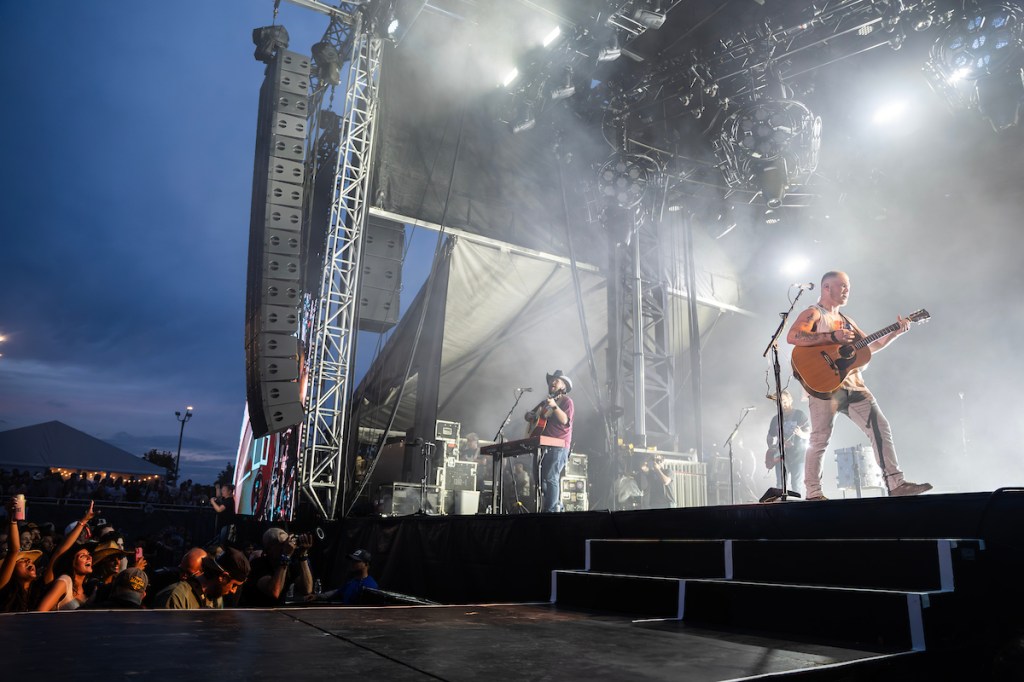
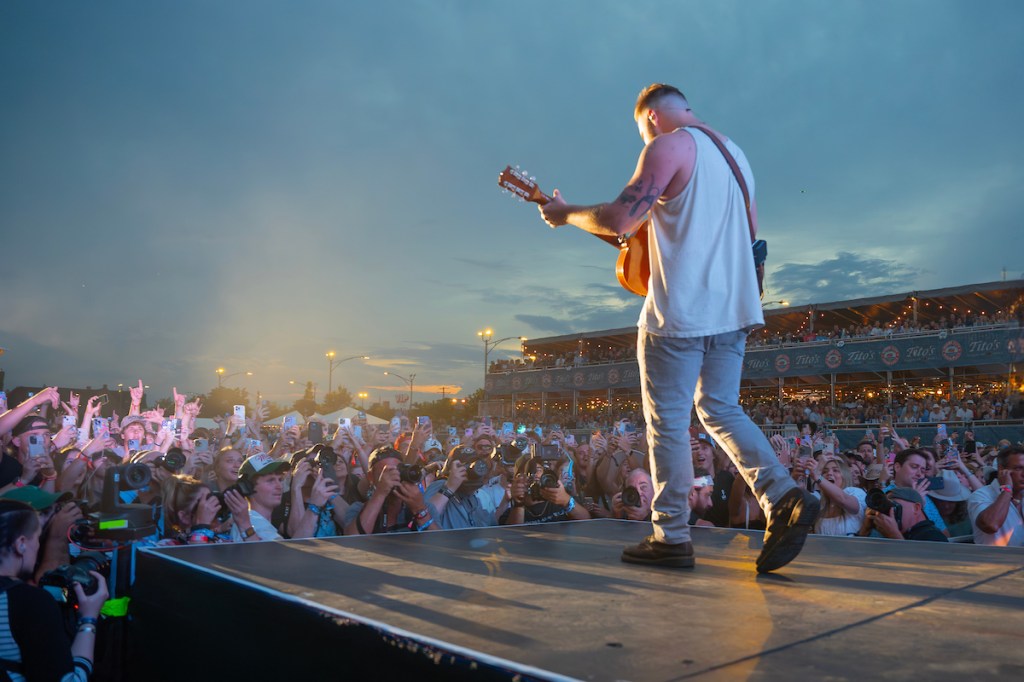
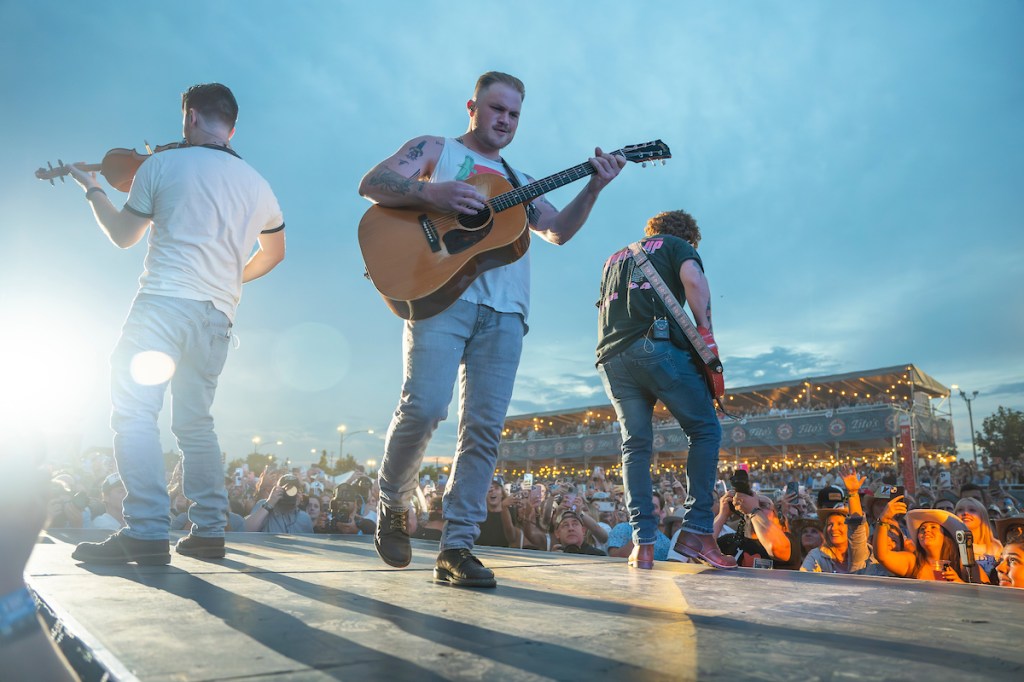
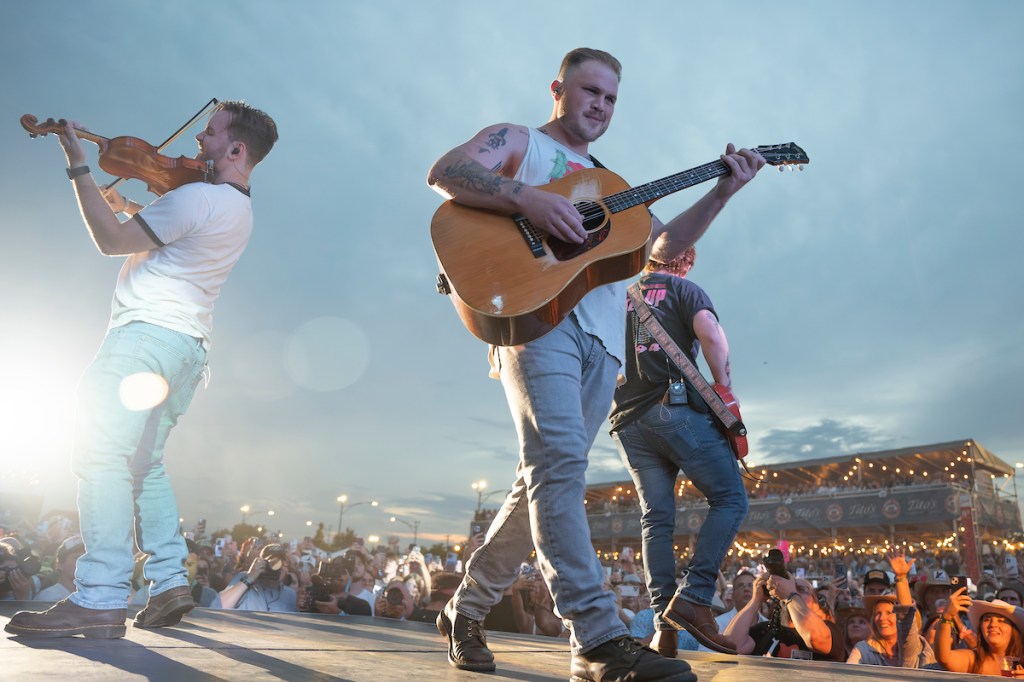
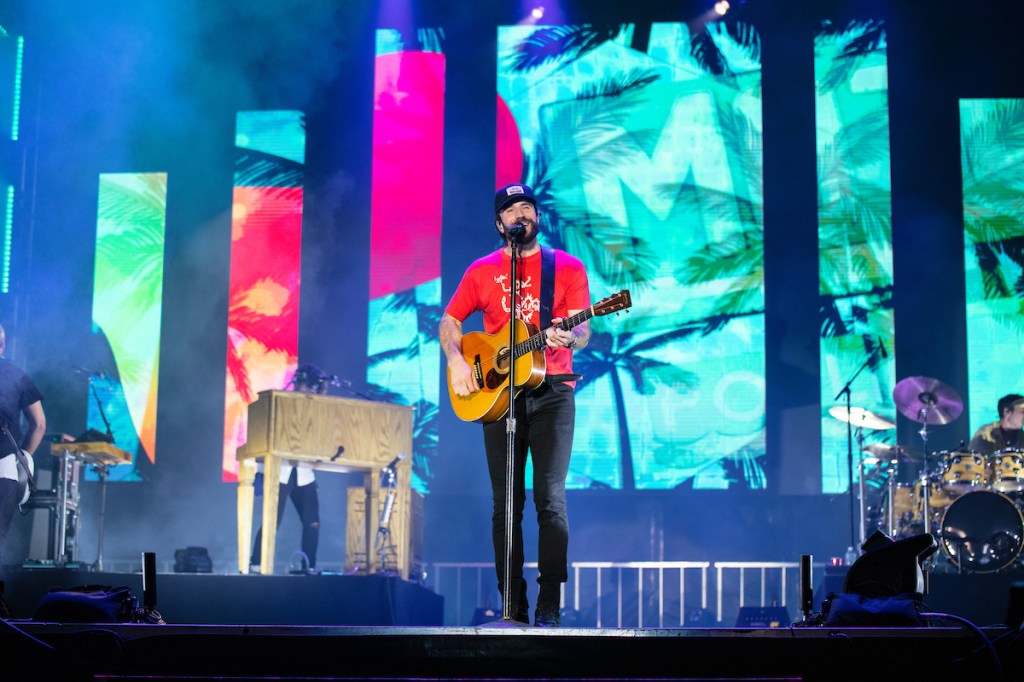
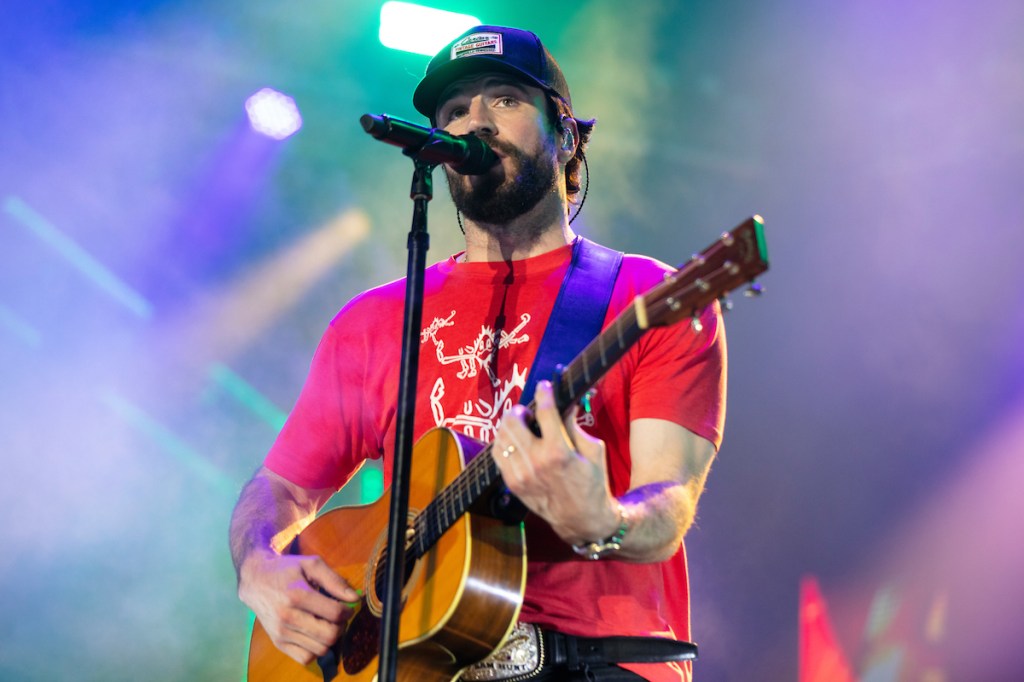
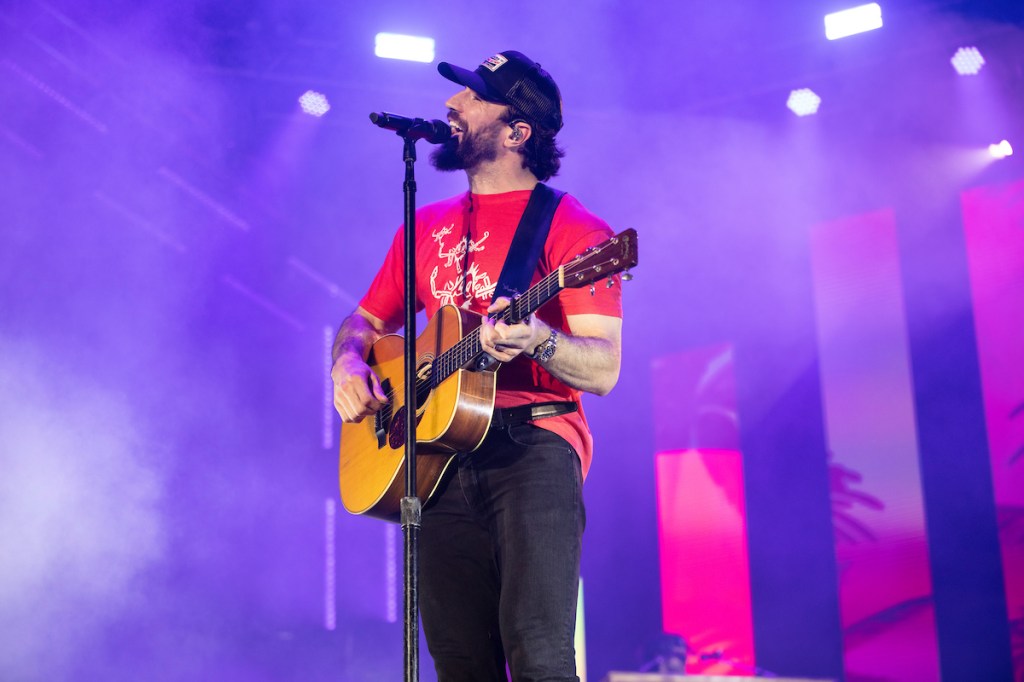
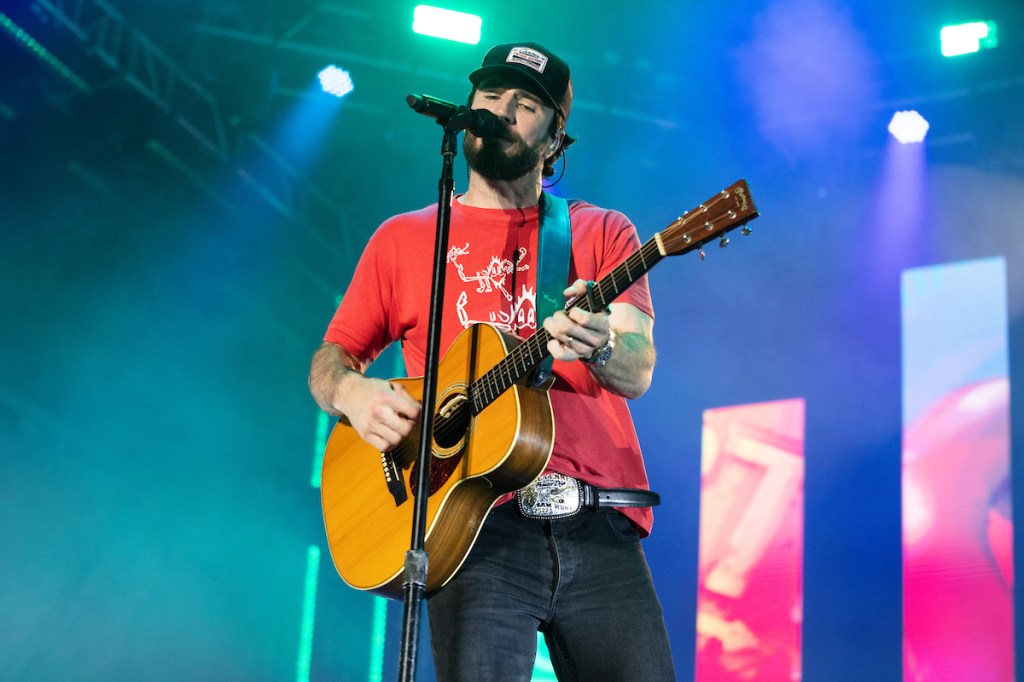
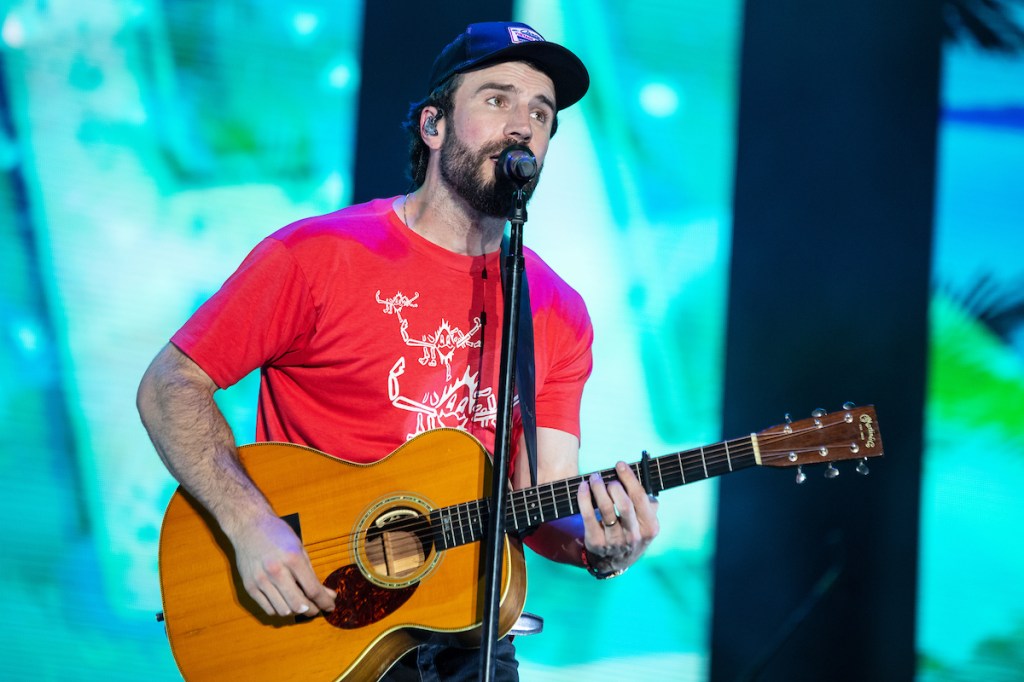
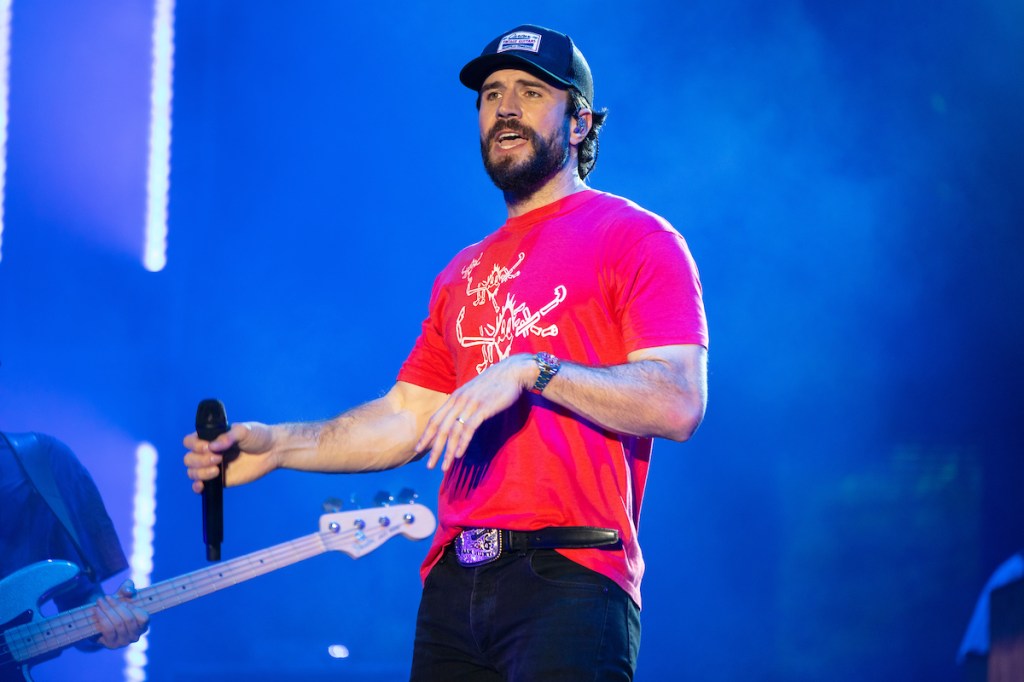
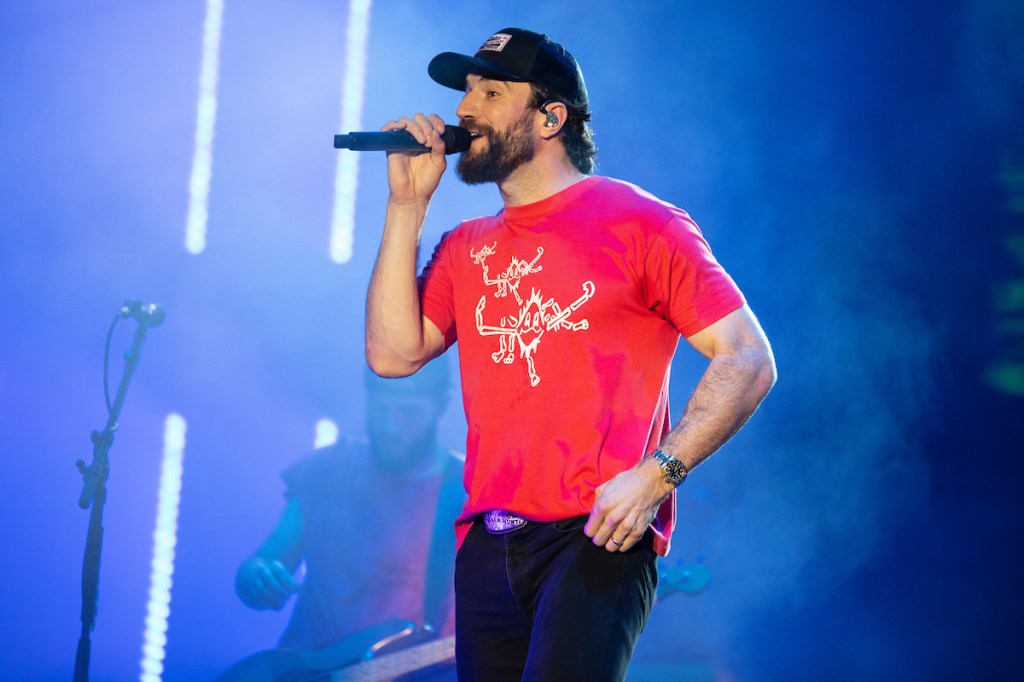
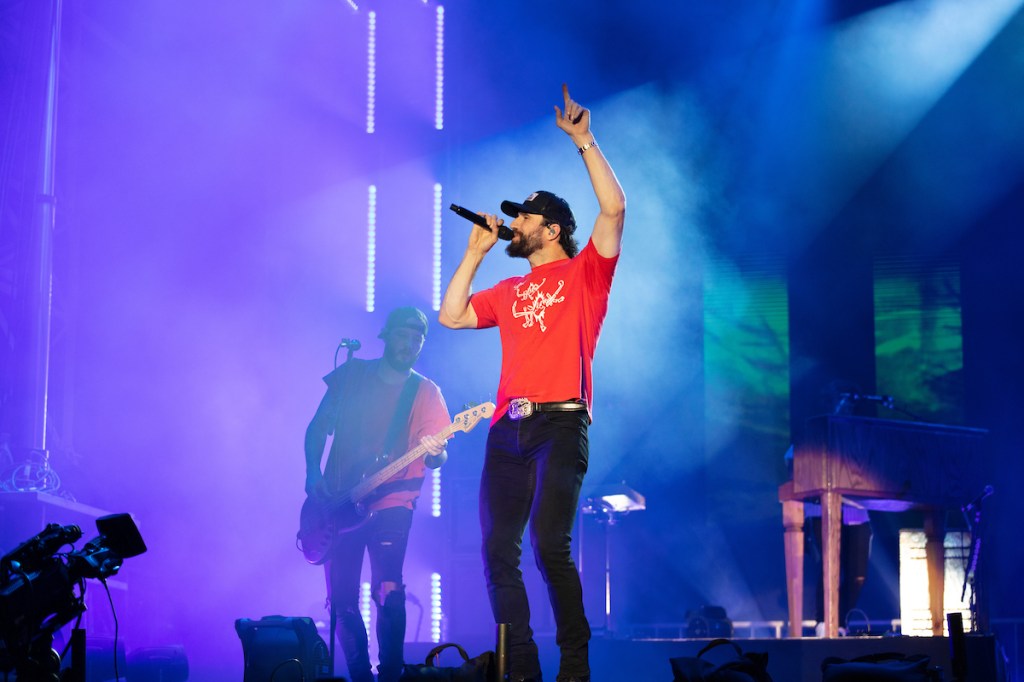
Day 4 of the 2026 Windy City Smokeout did not need any gimmicks.
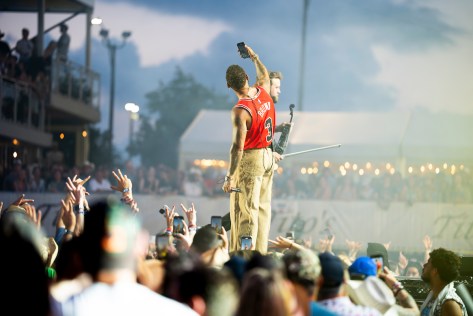
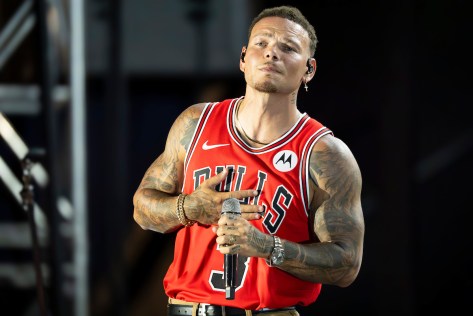
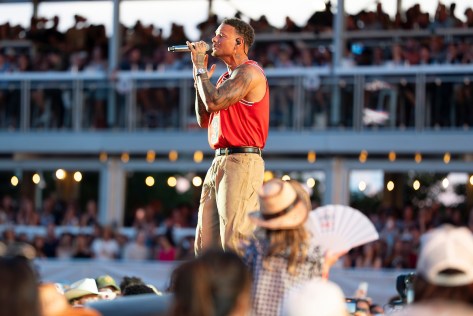
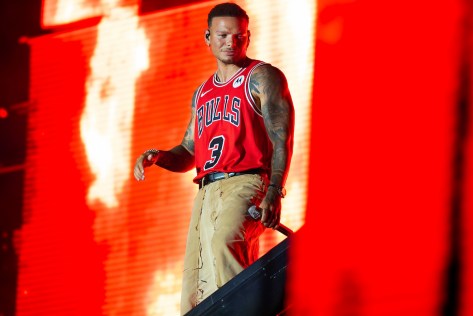
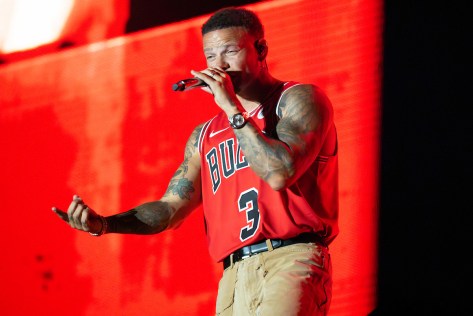
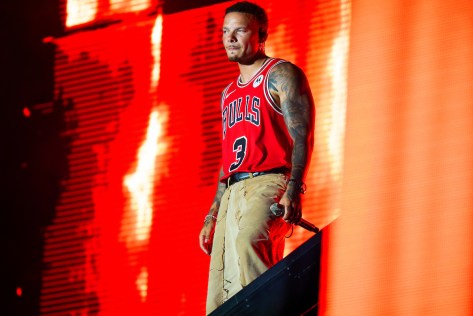
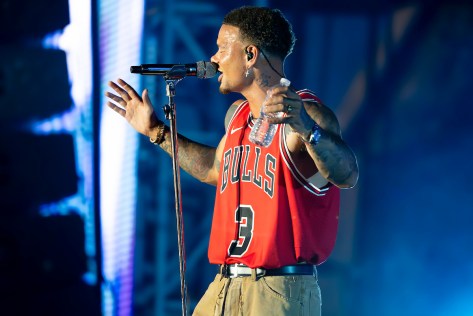
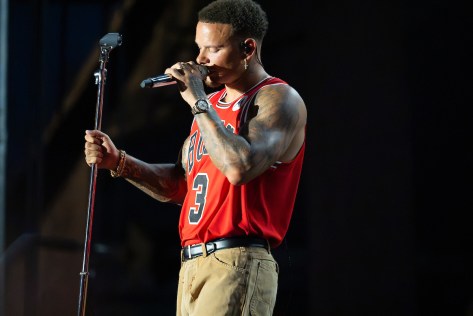
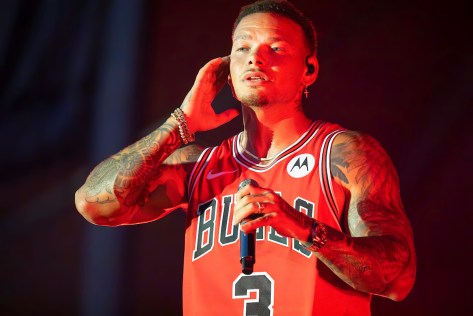
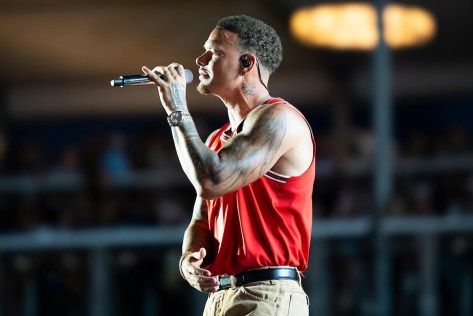
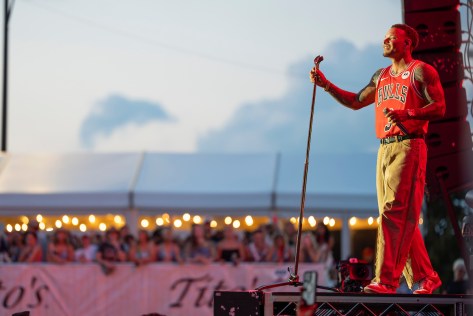
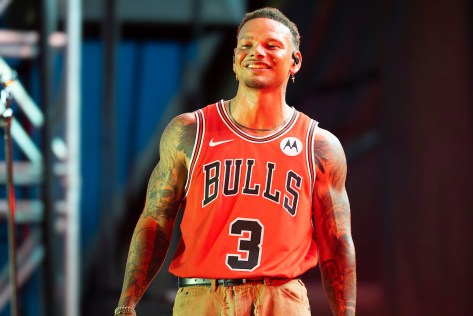
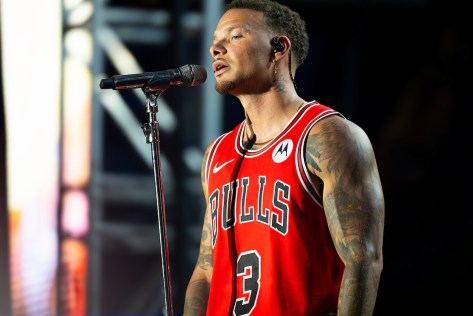
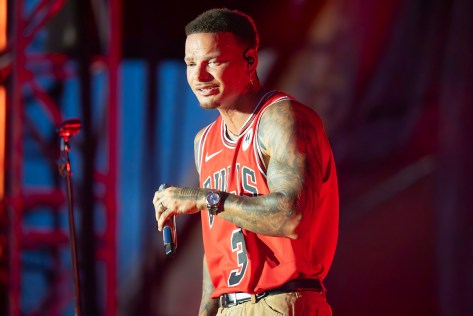
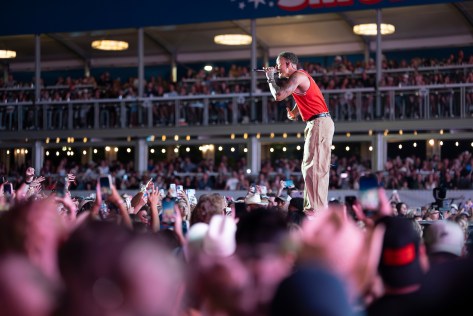
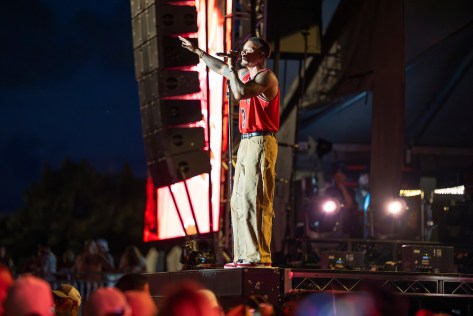
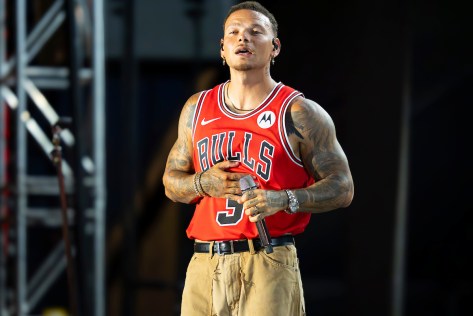
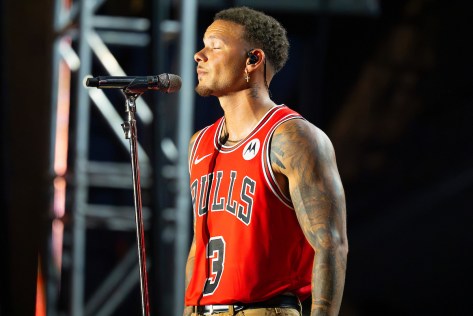
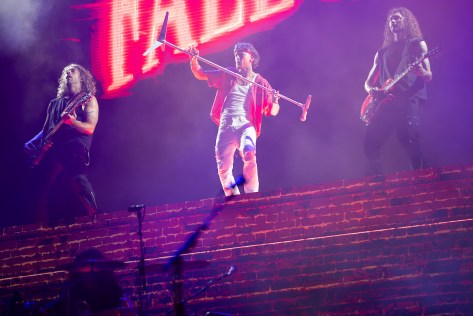
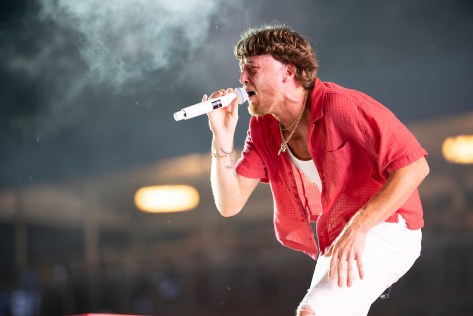
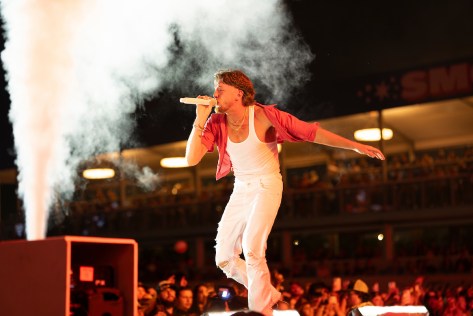
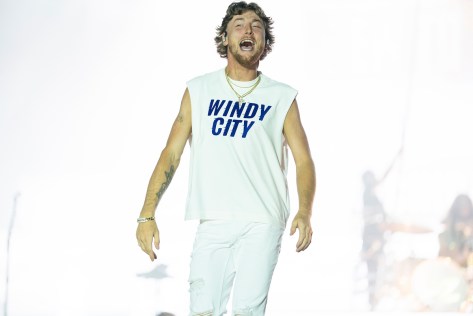
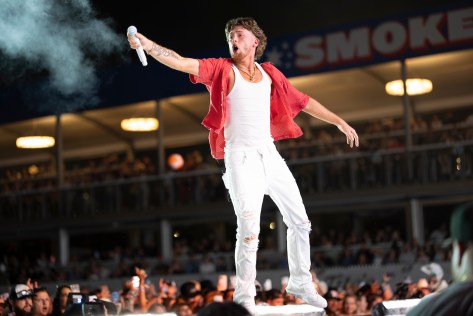
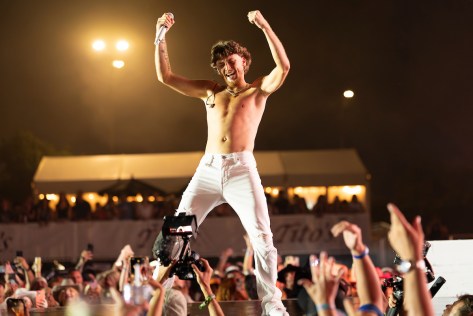
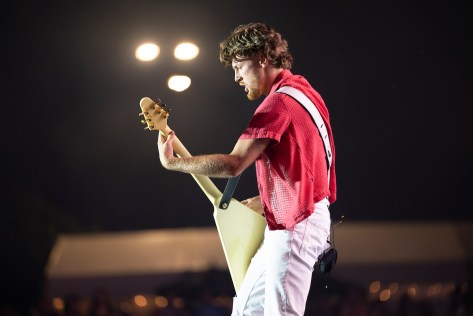
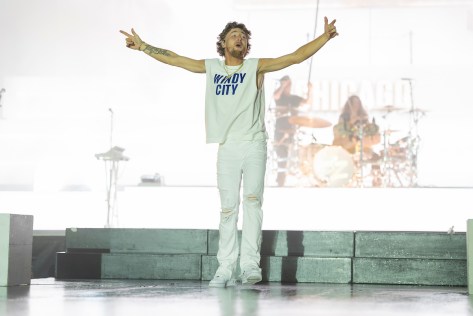
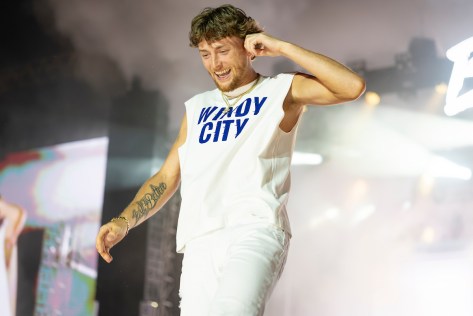
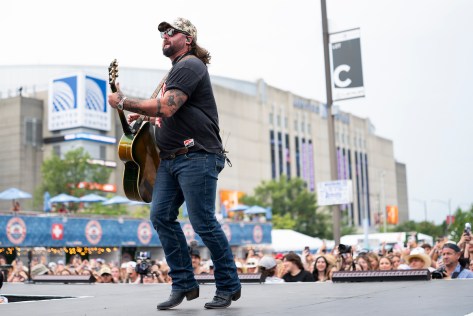
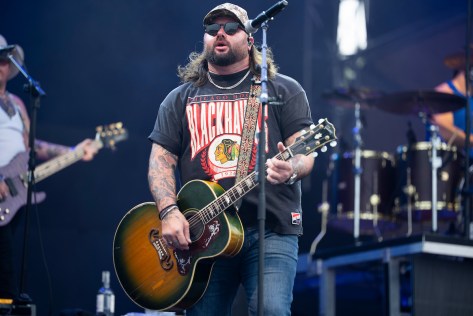
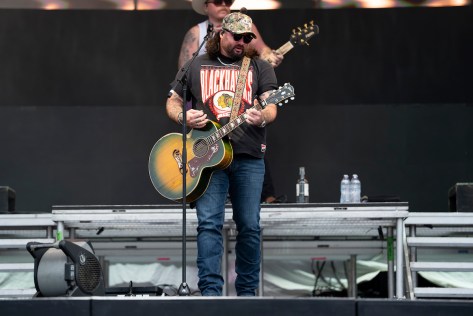
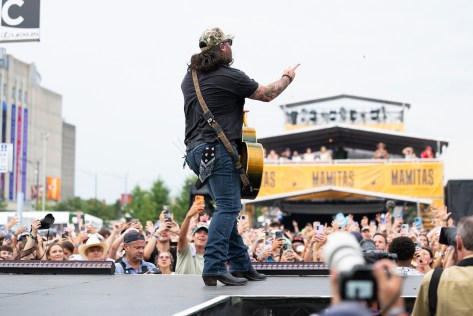
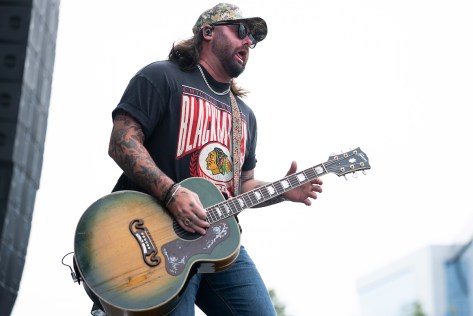
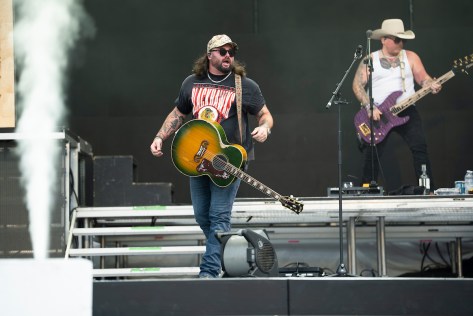
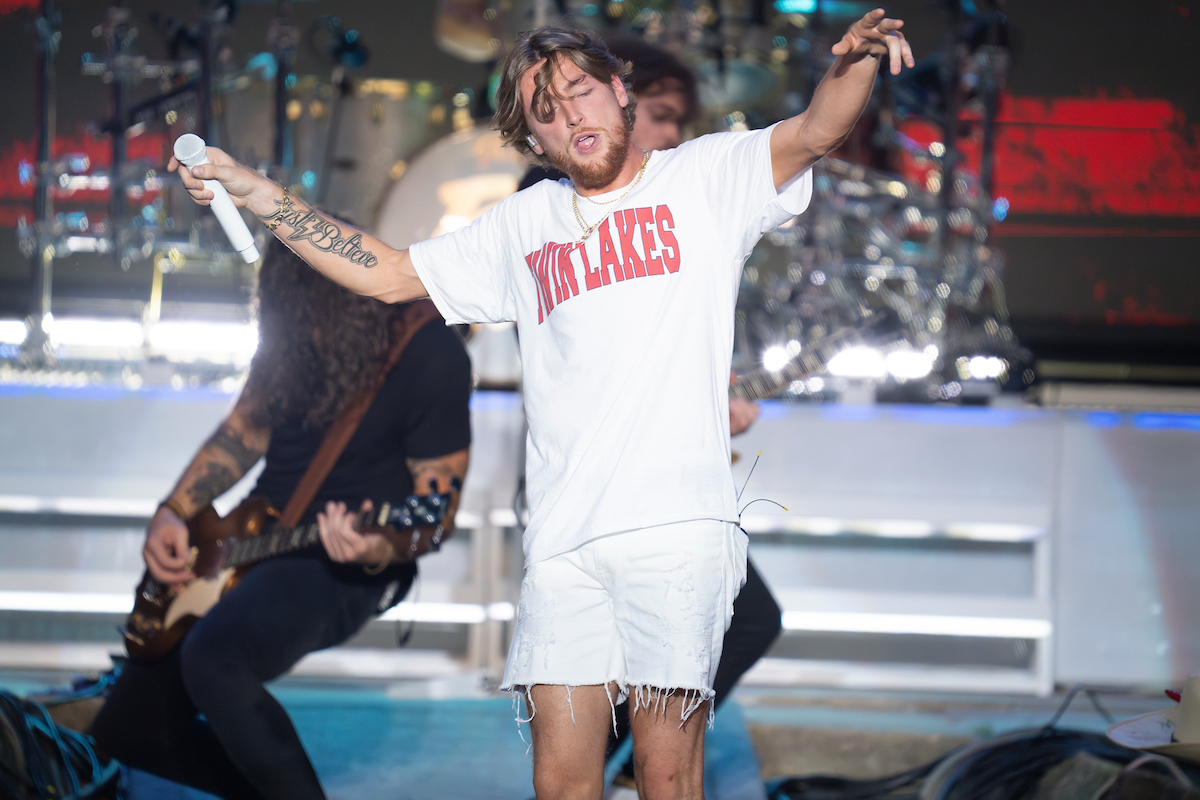
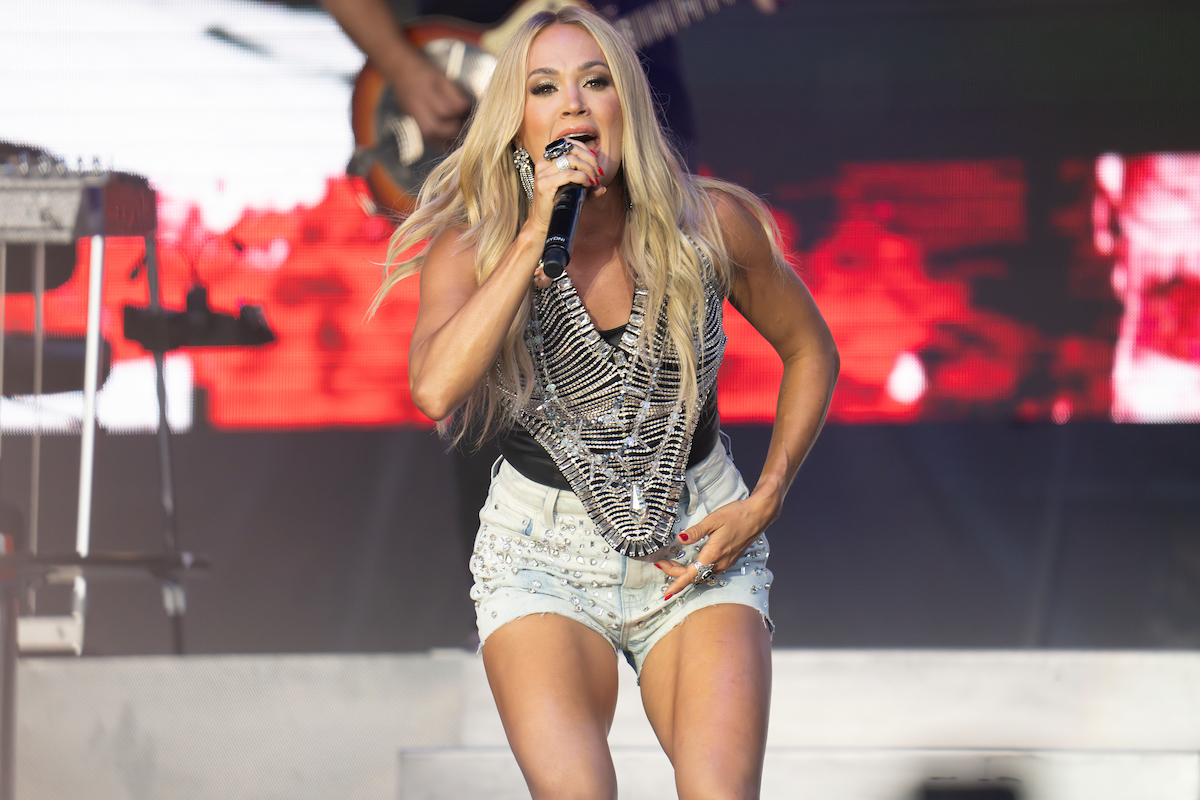
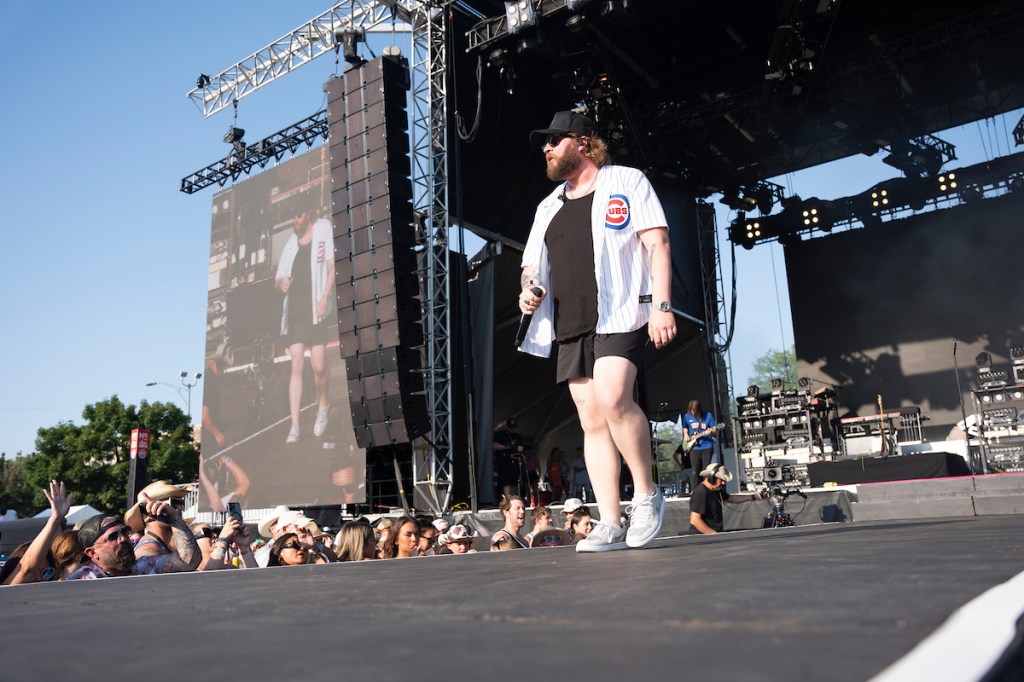
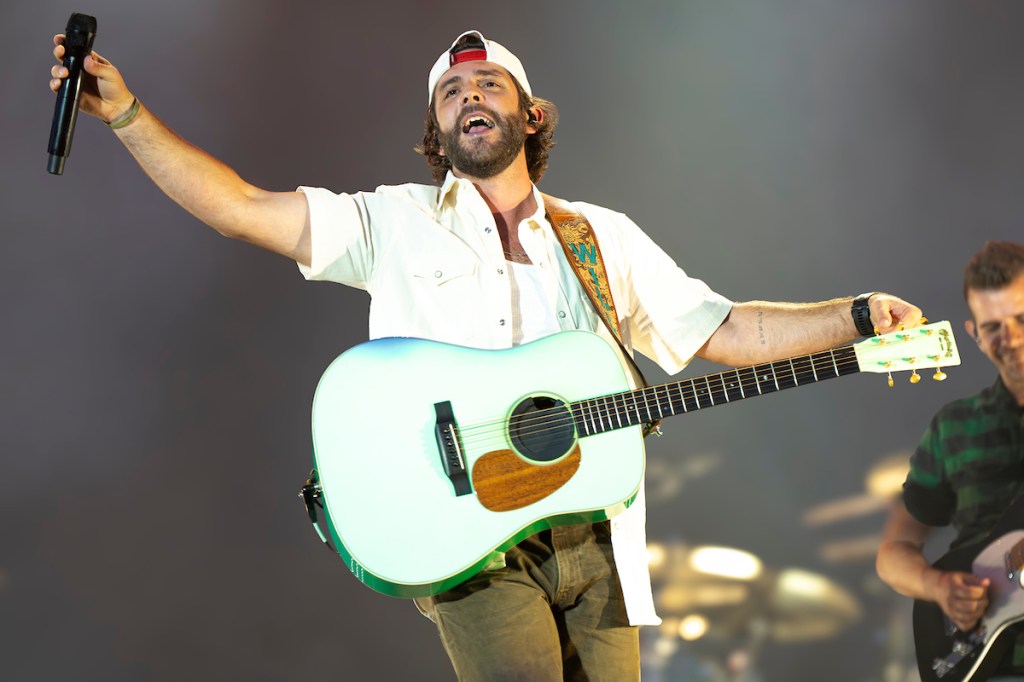
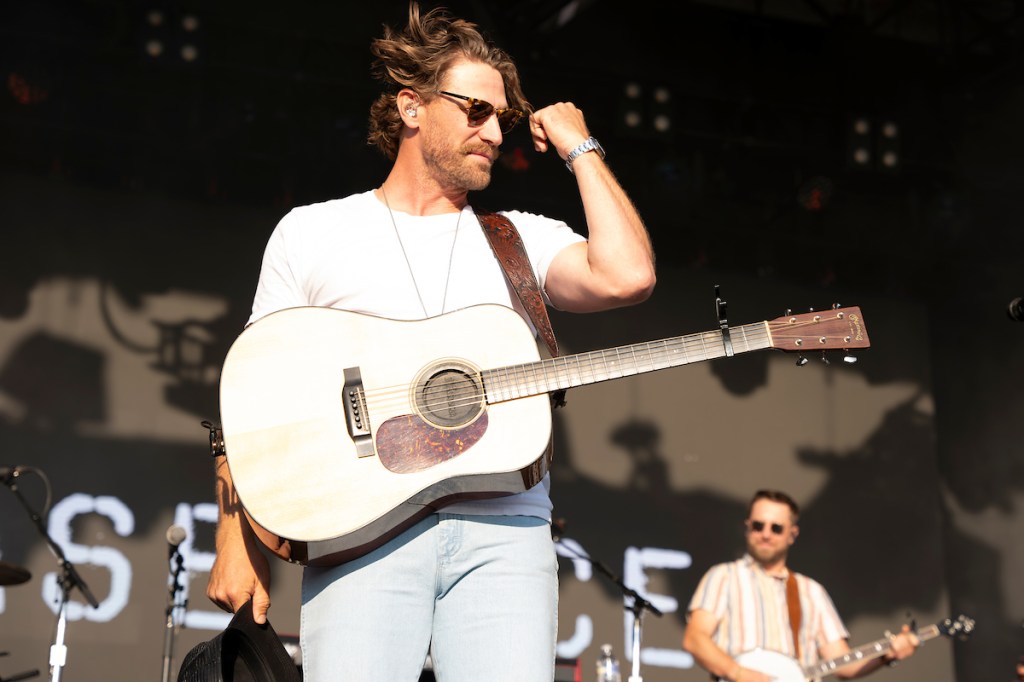
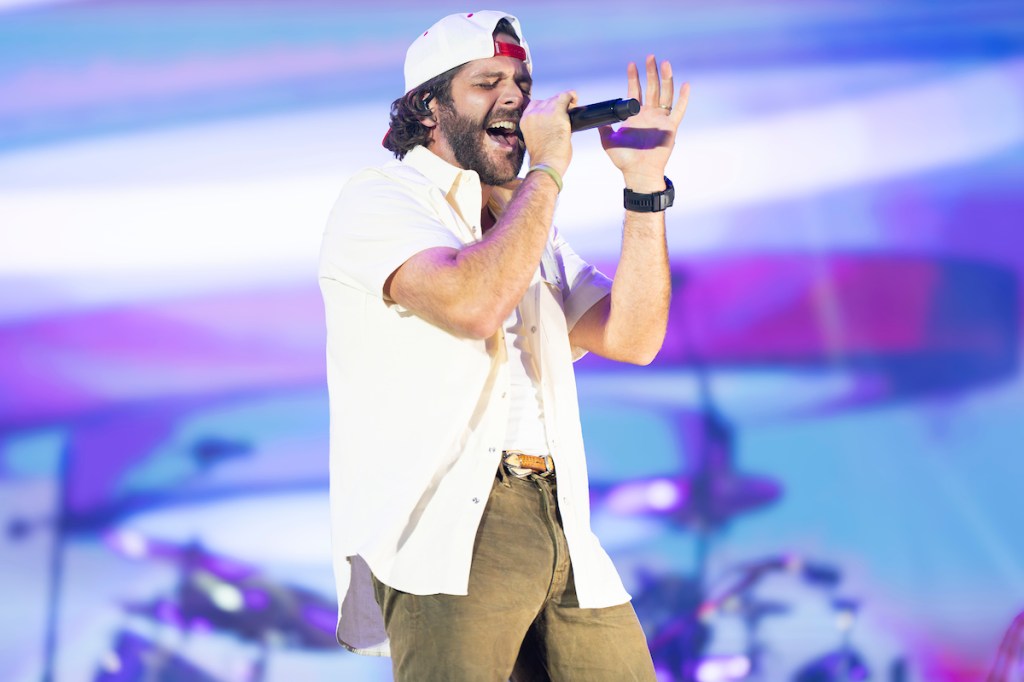
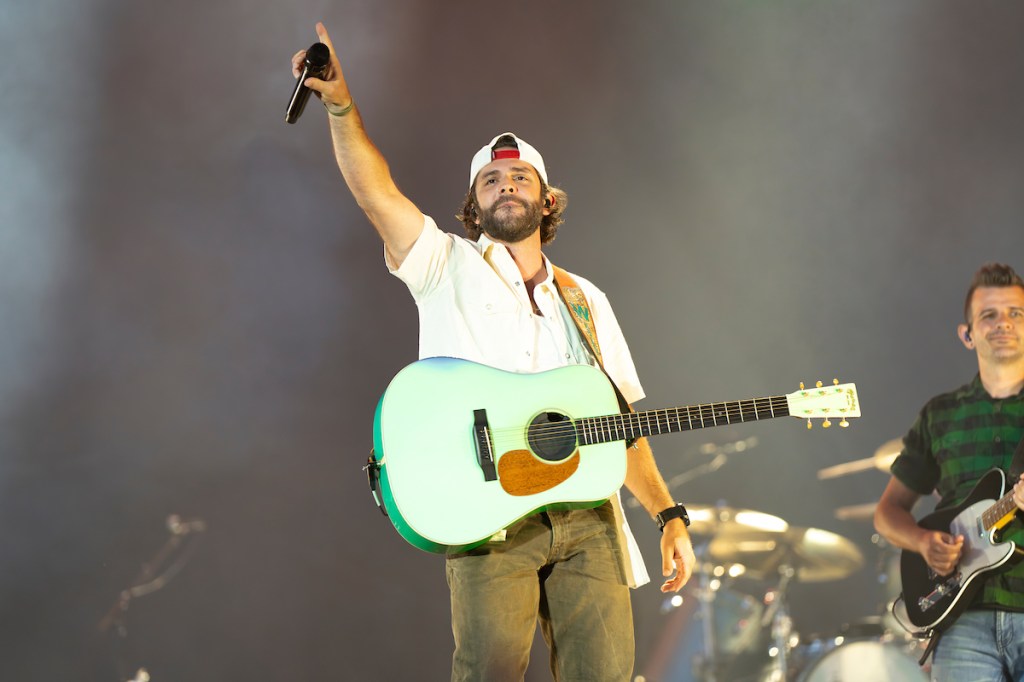
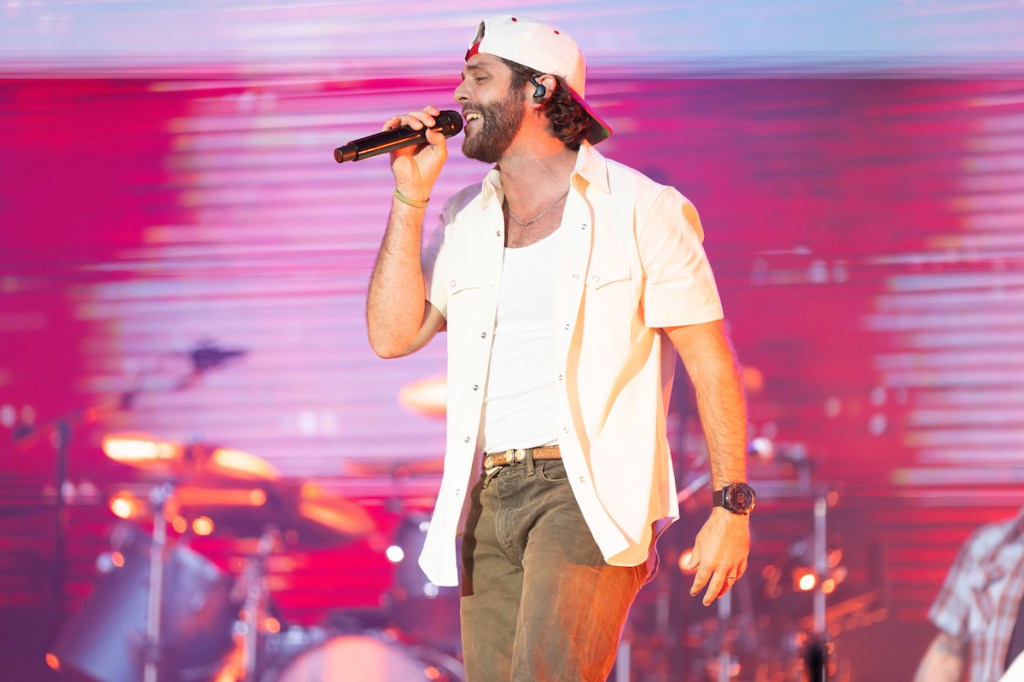
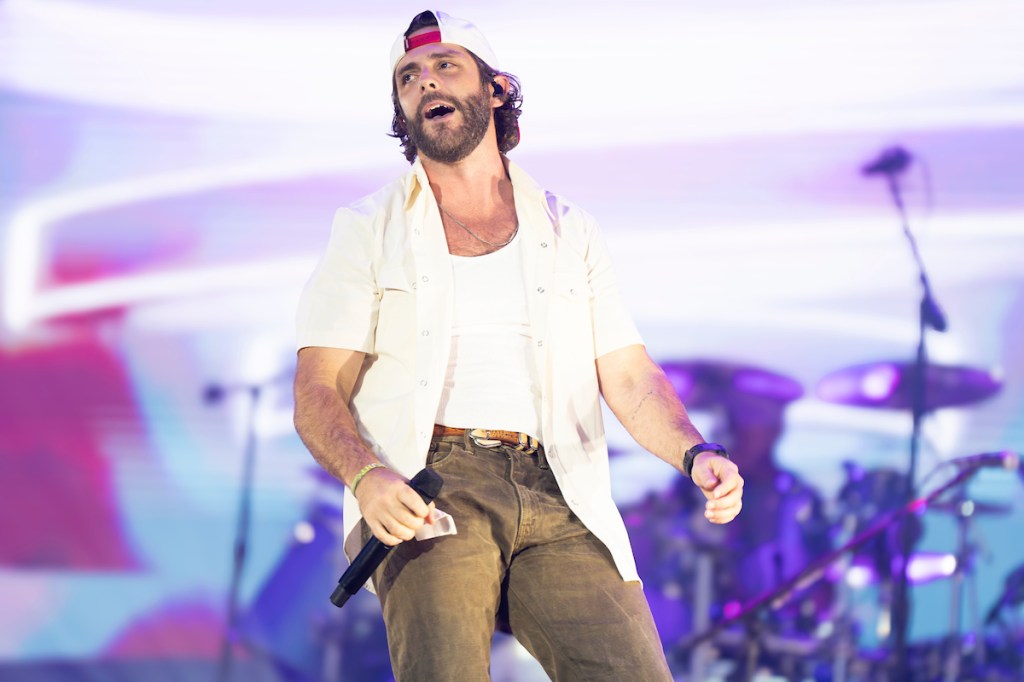
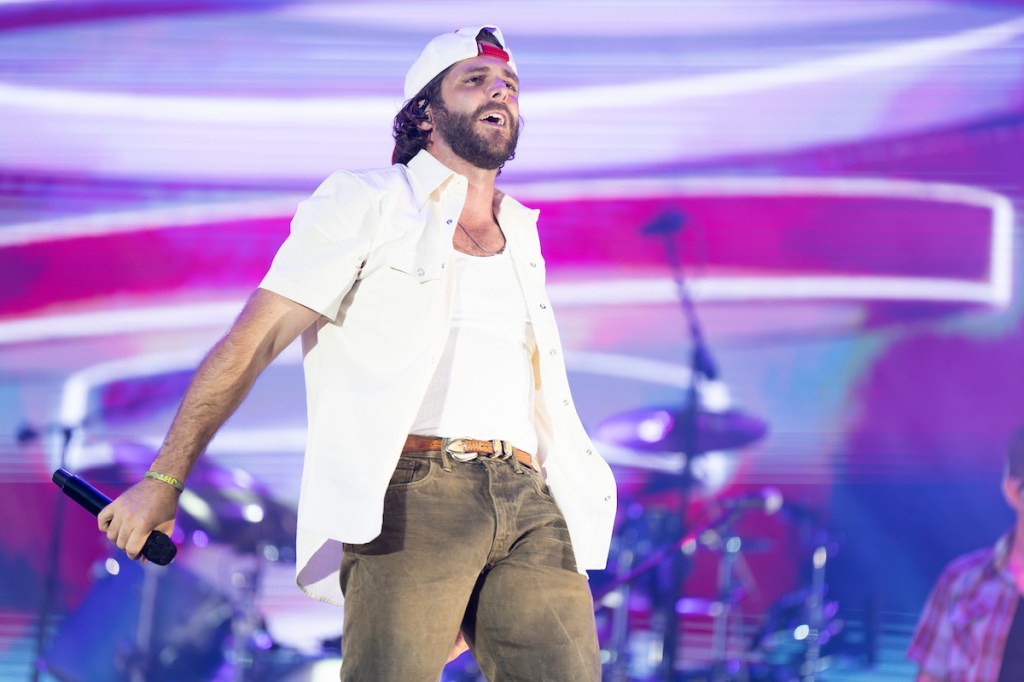
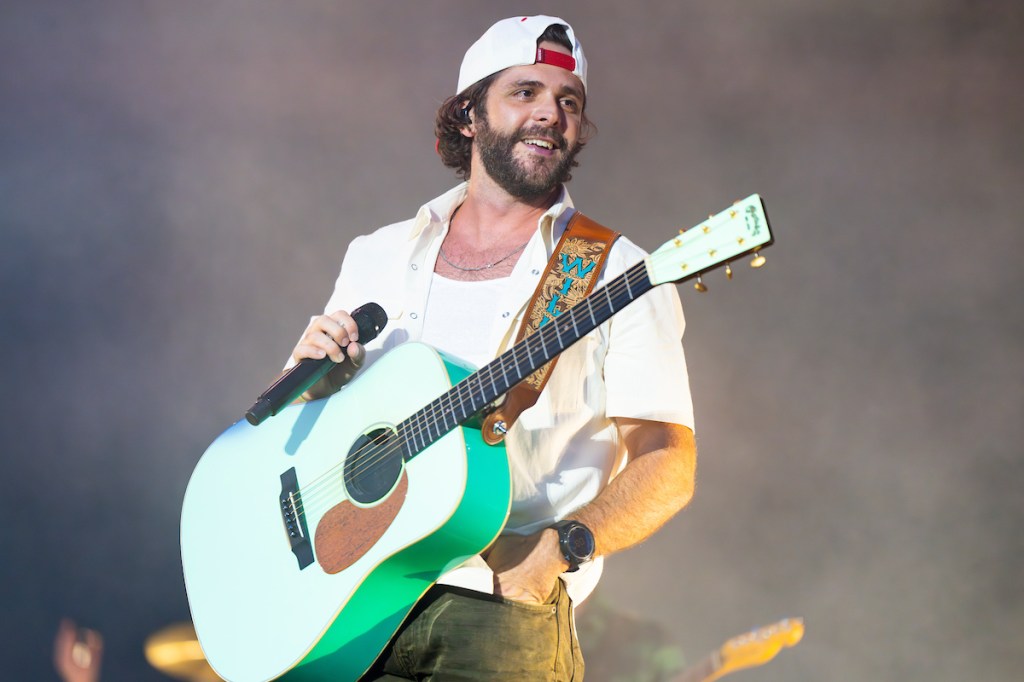
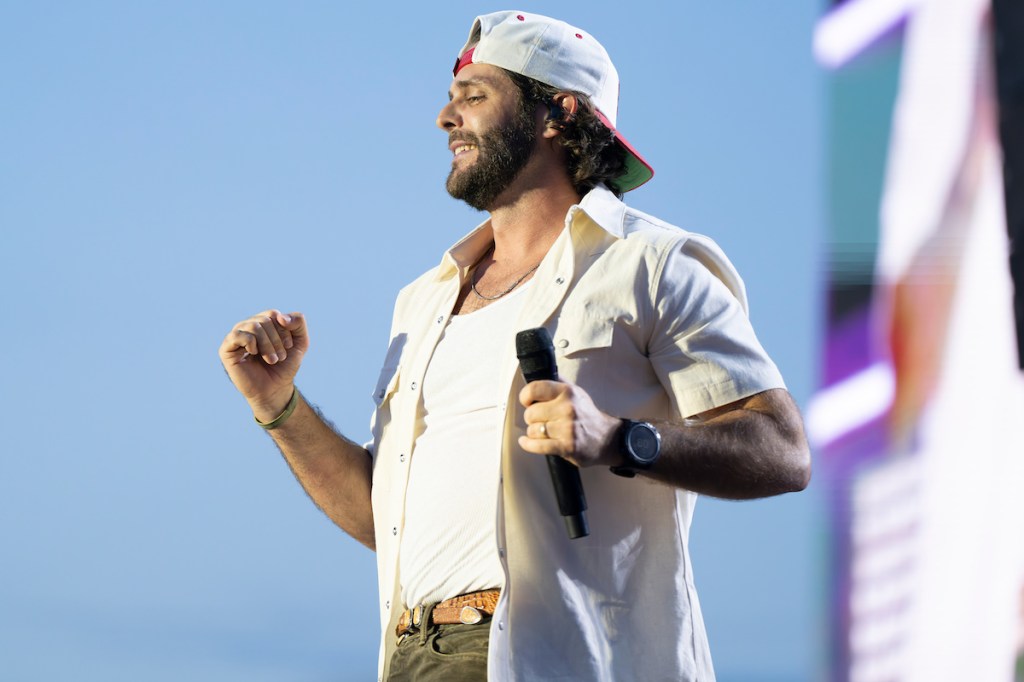
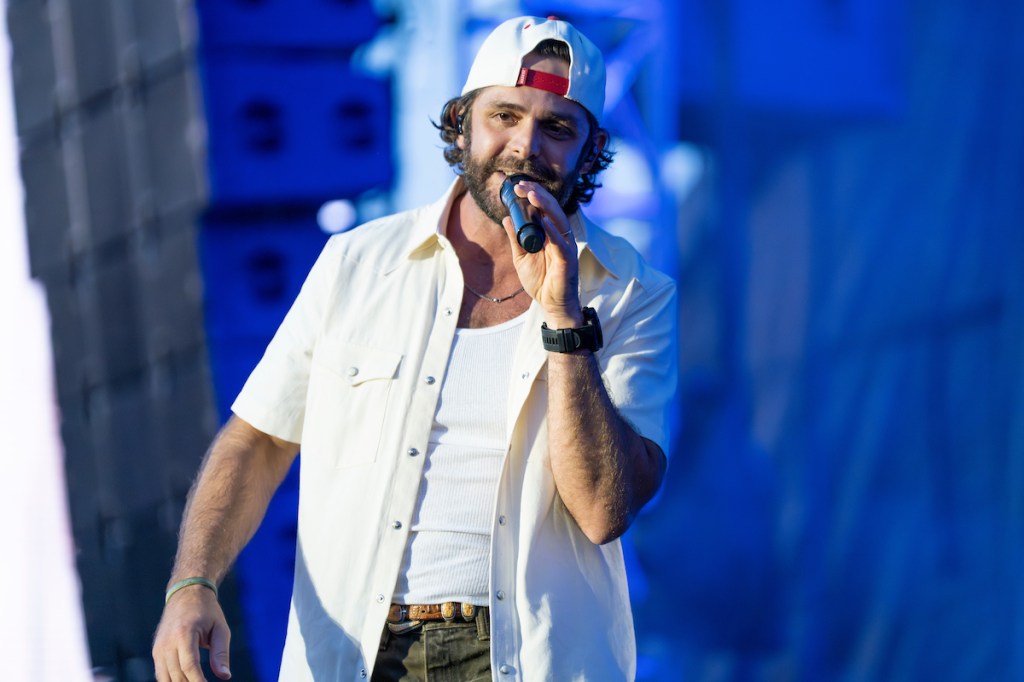
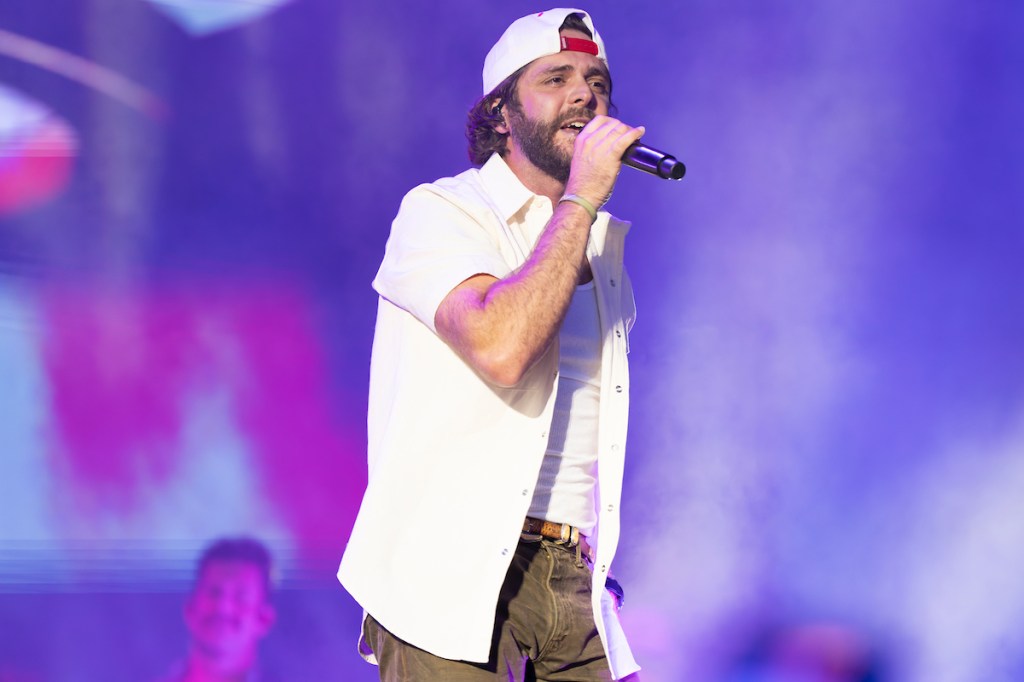
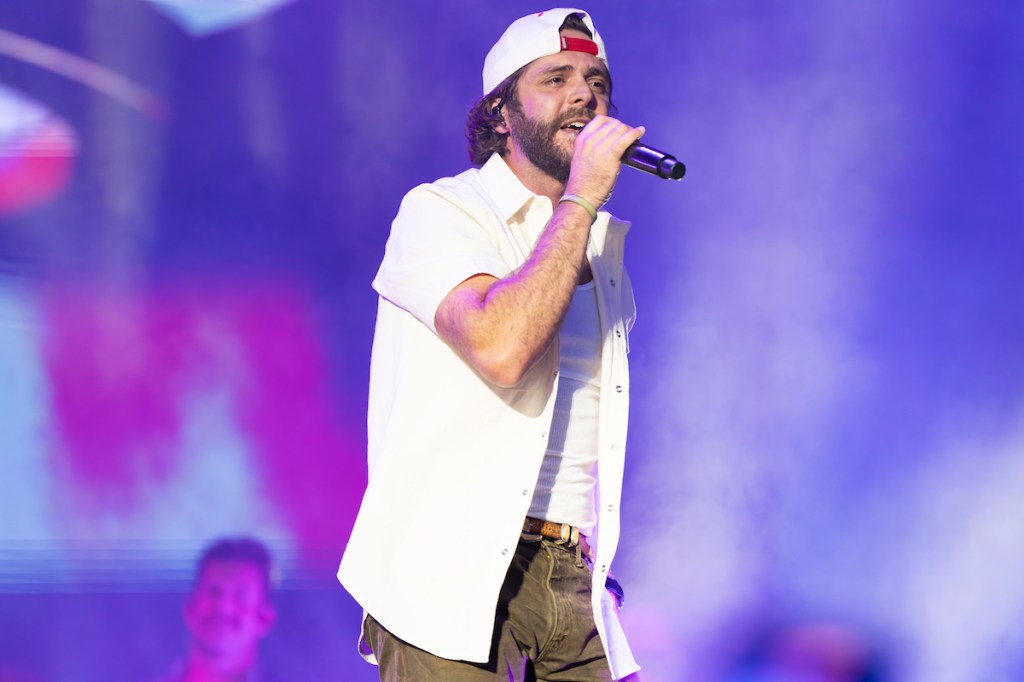
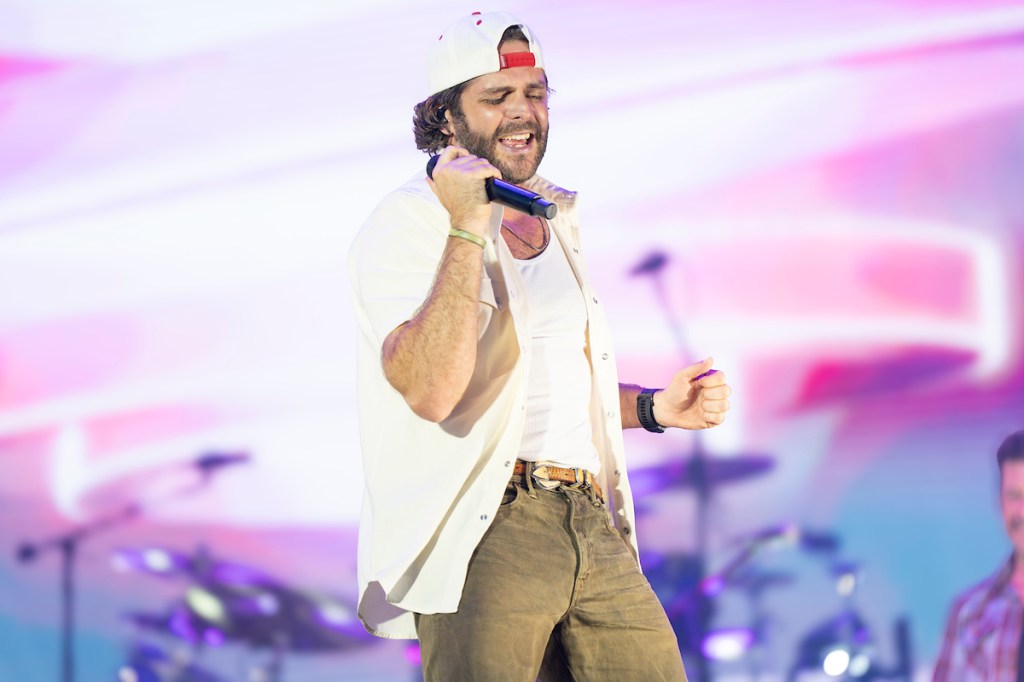
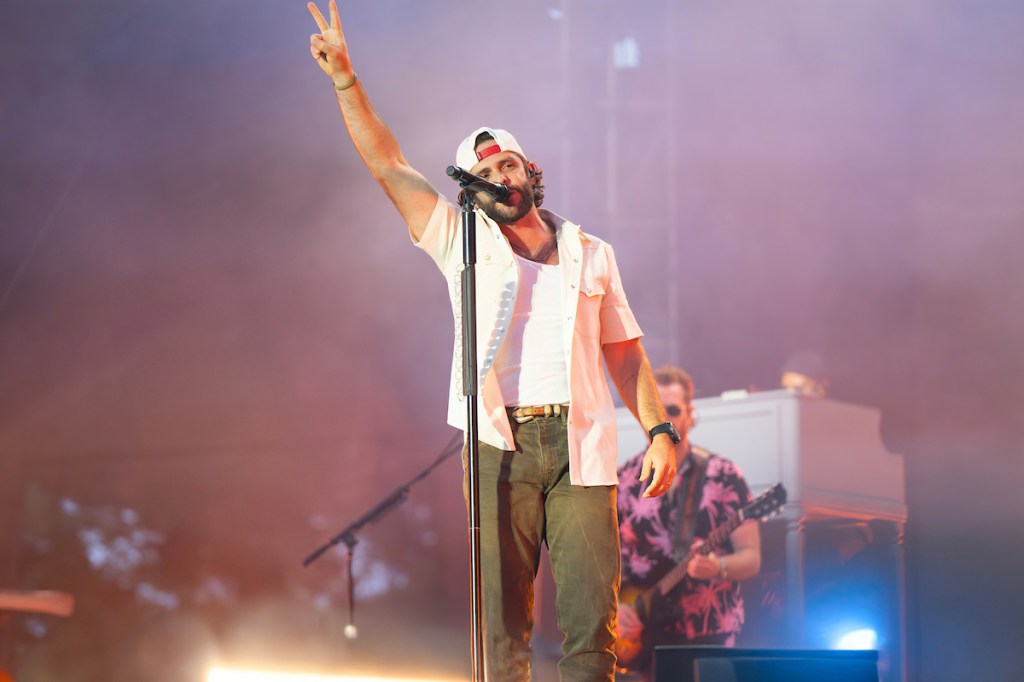
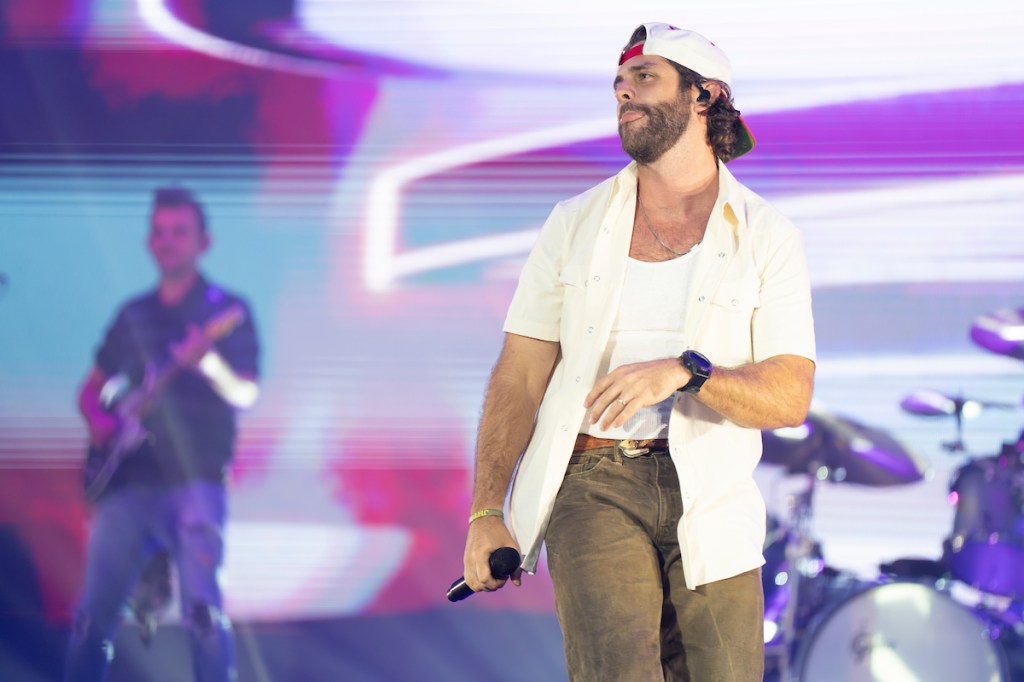
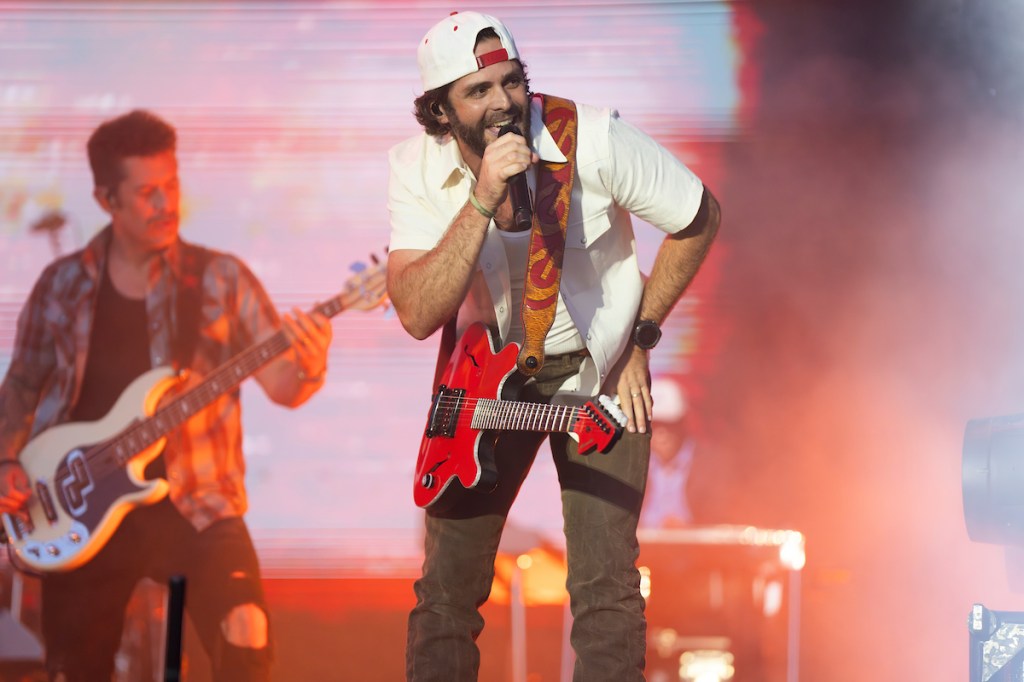
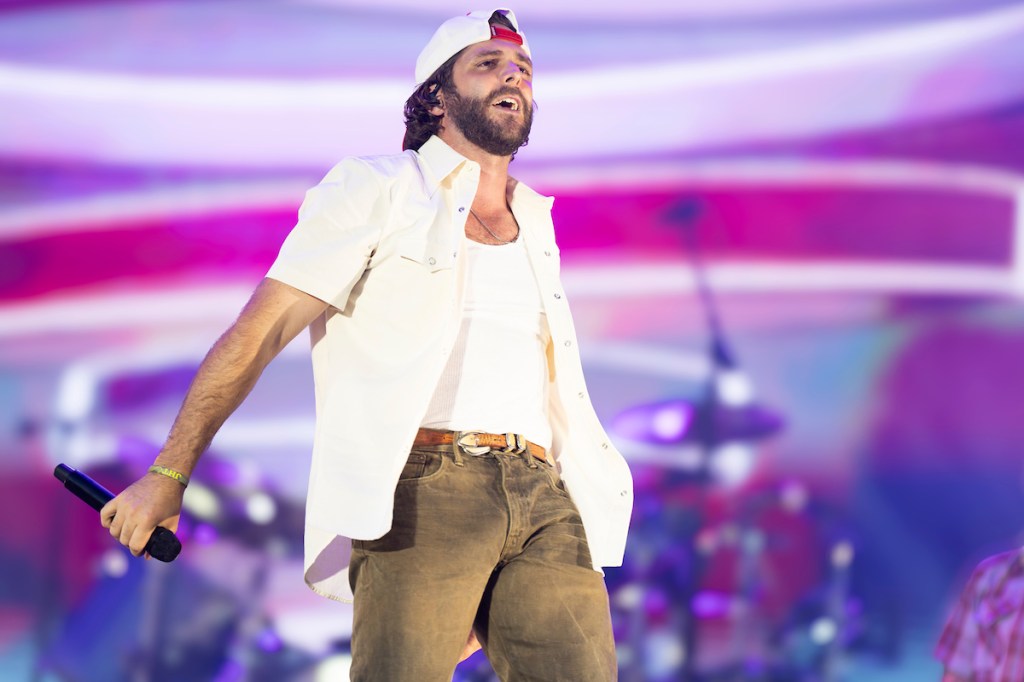
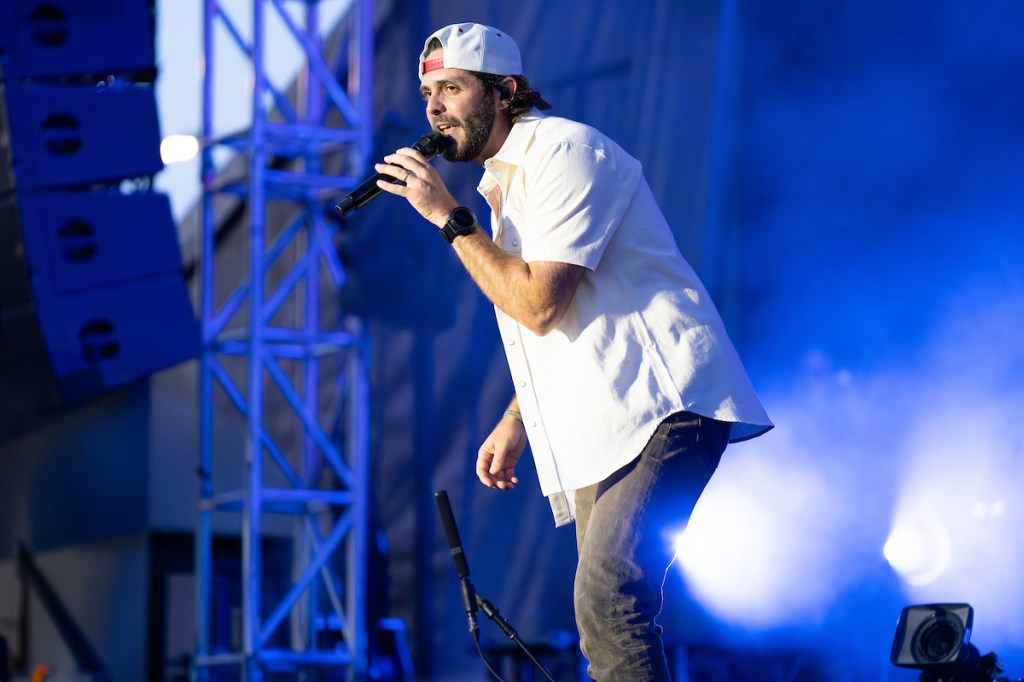
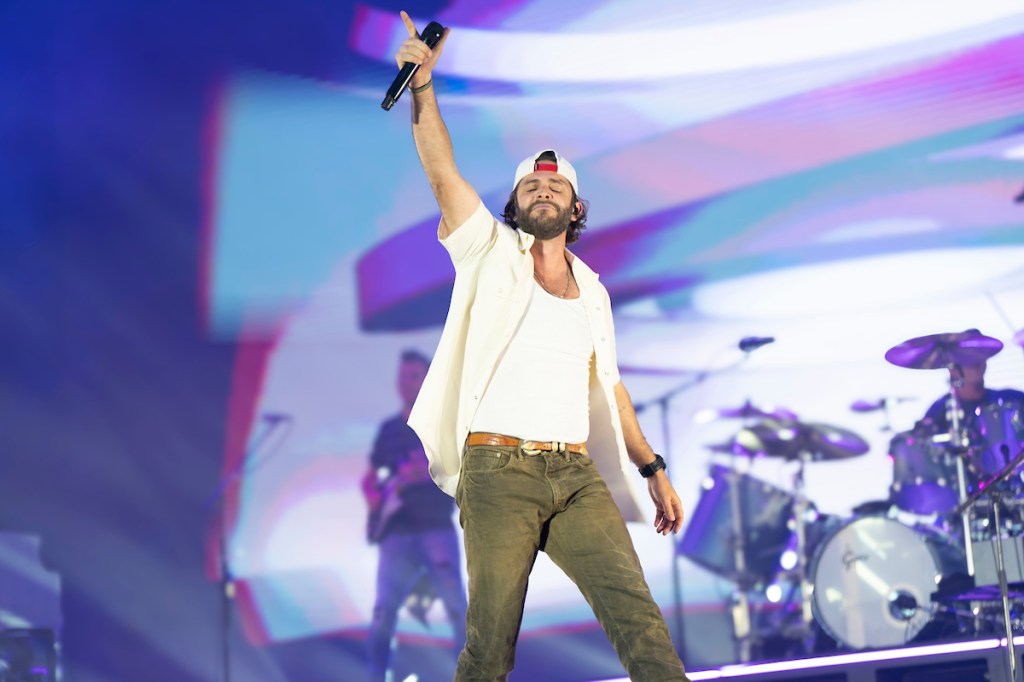
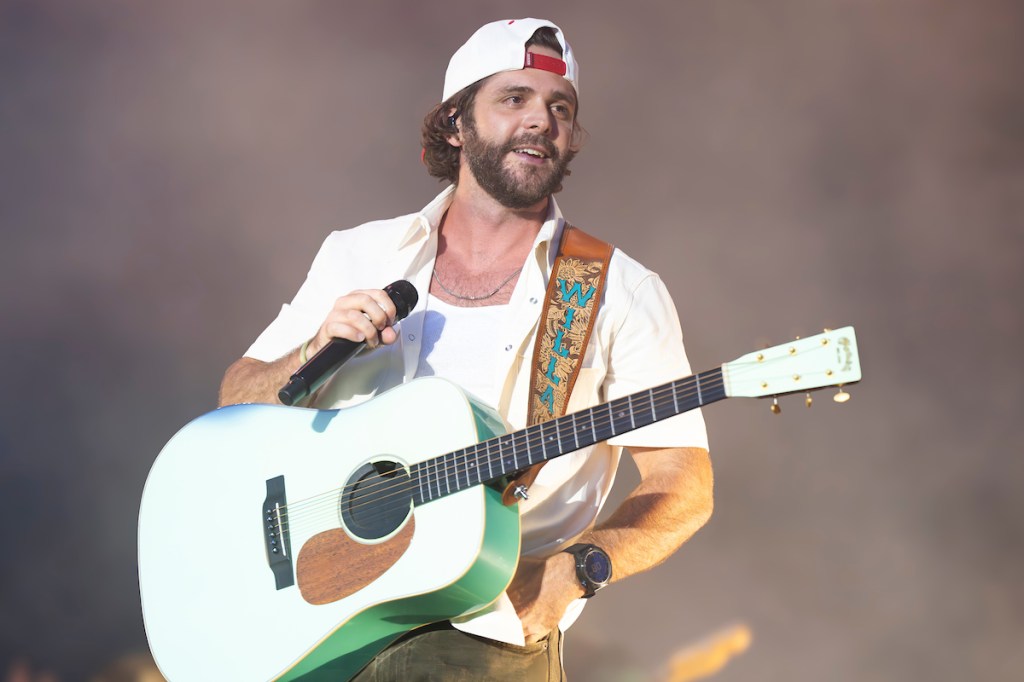
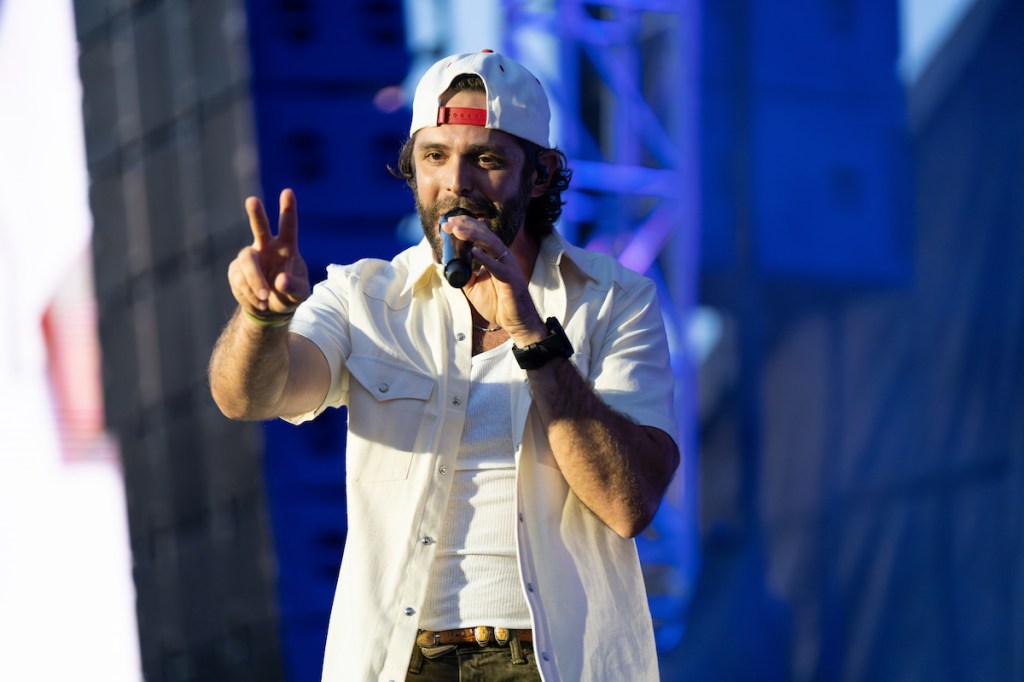
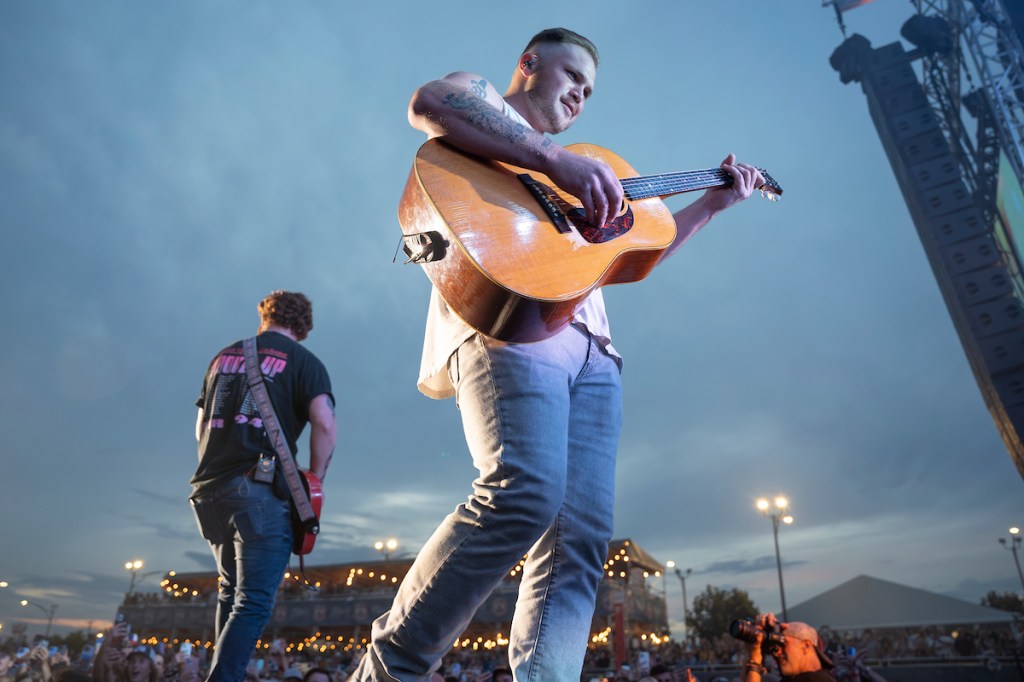
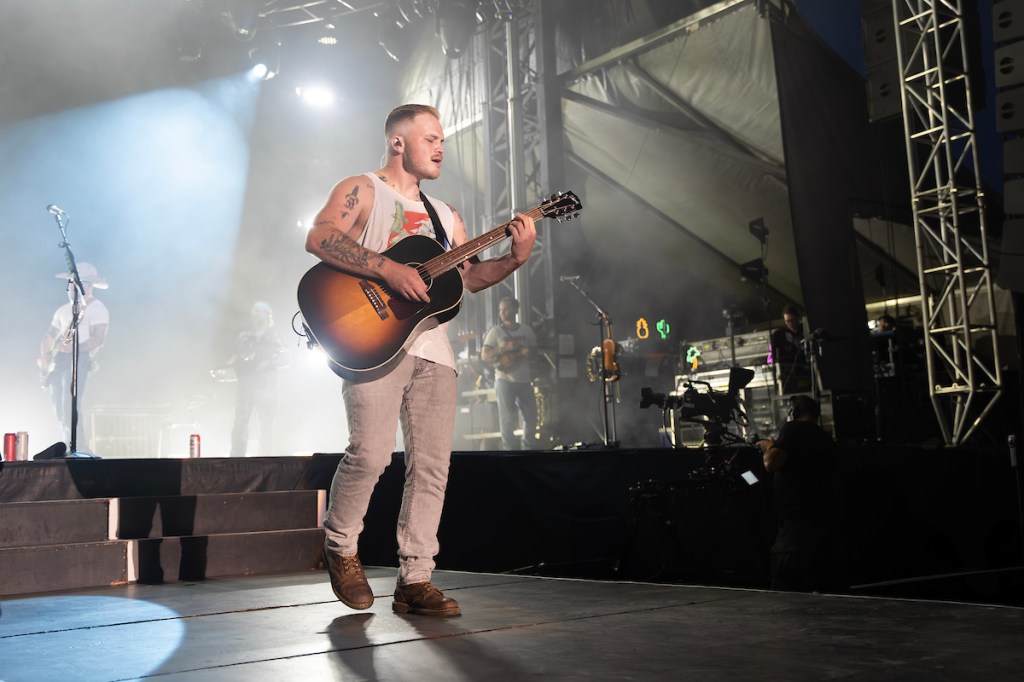
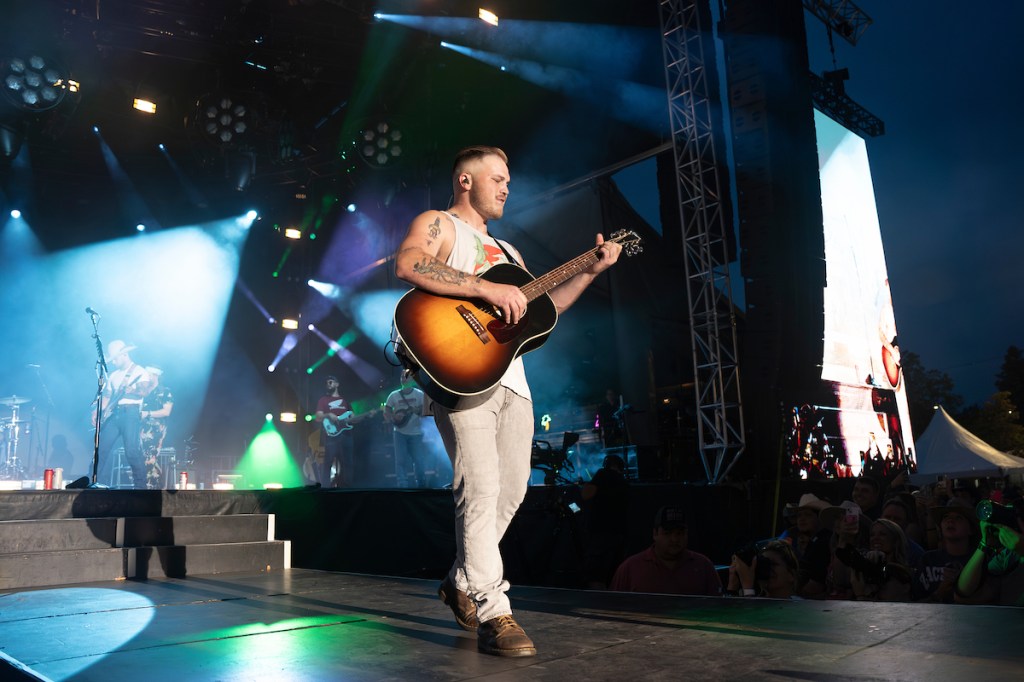
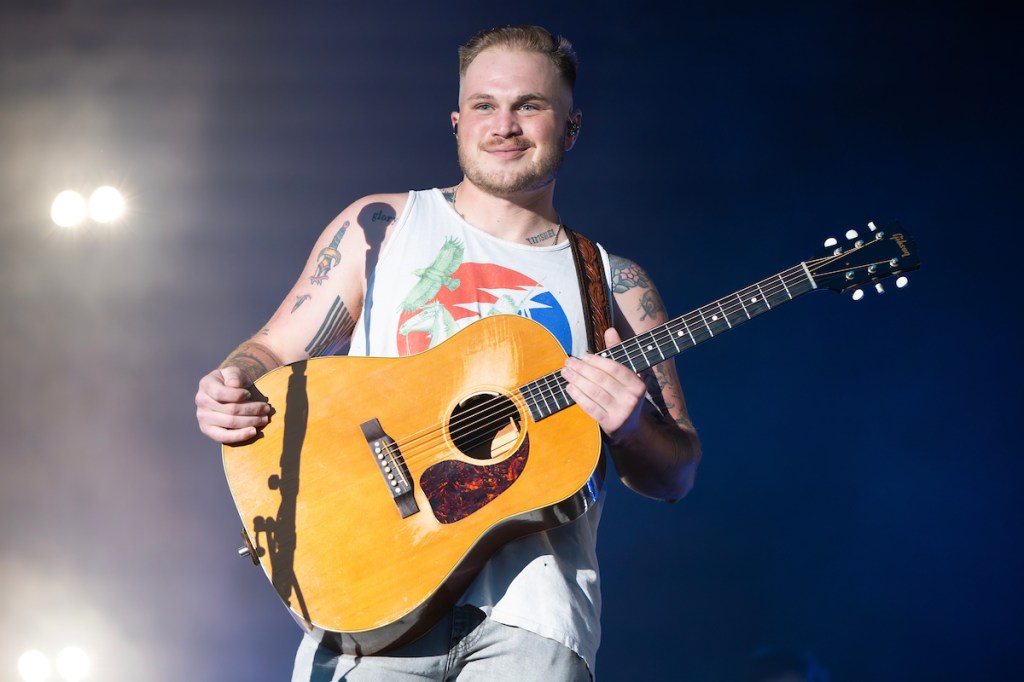
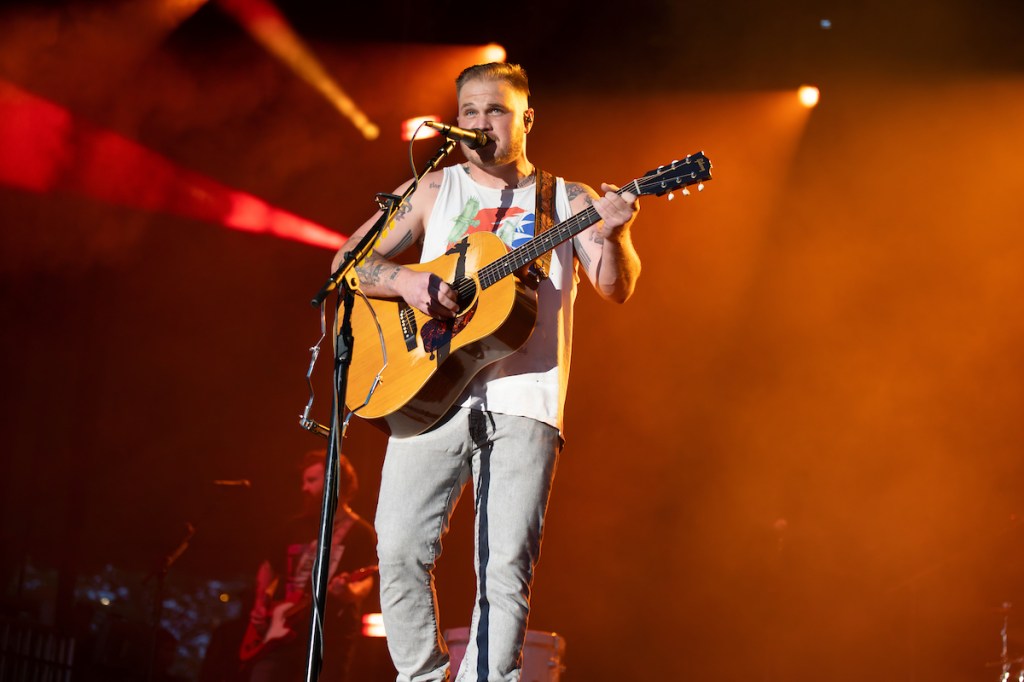
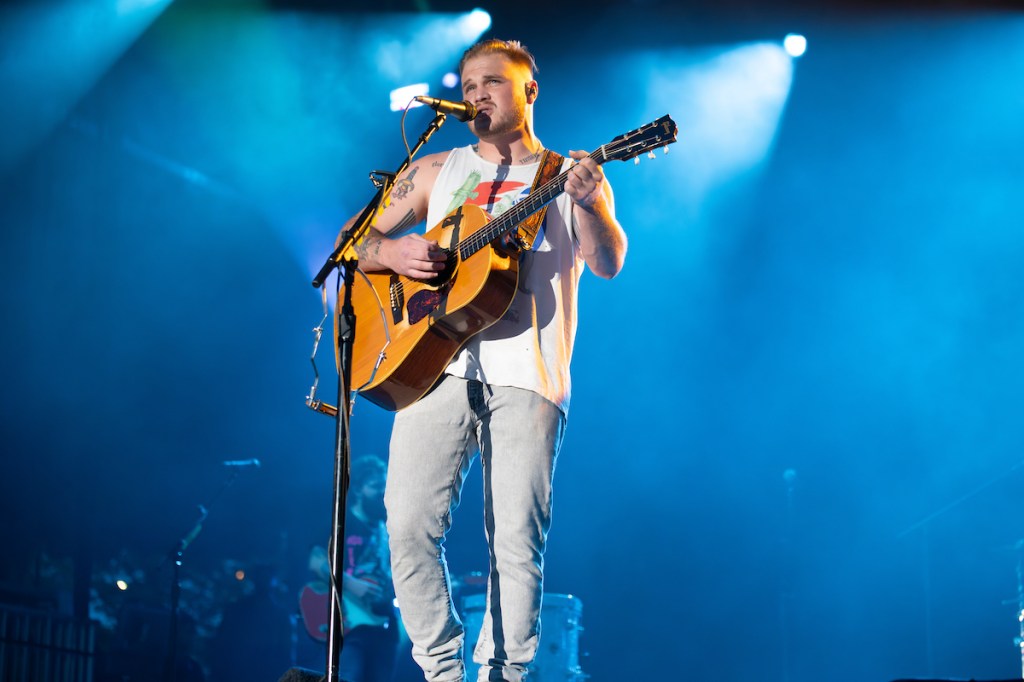
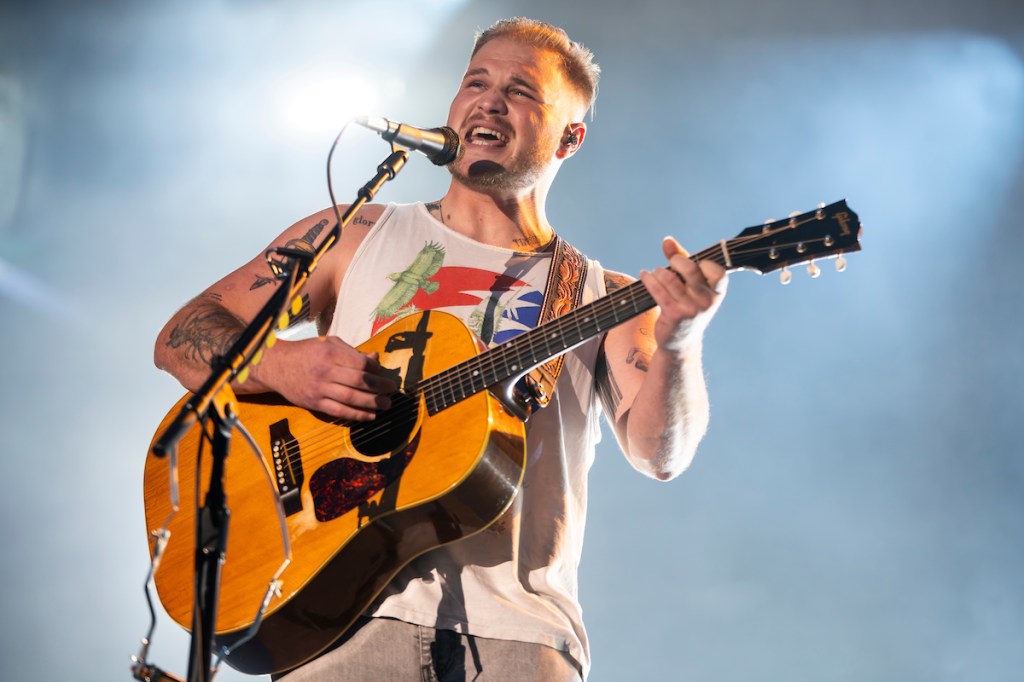
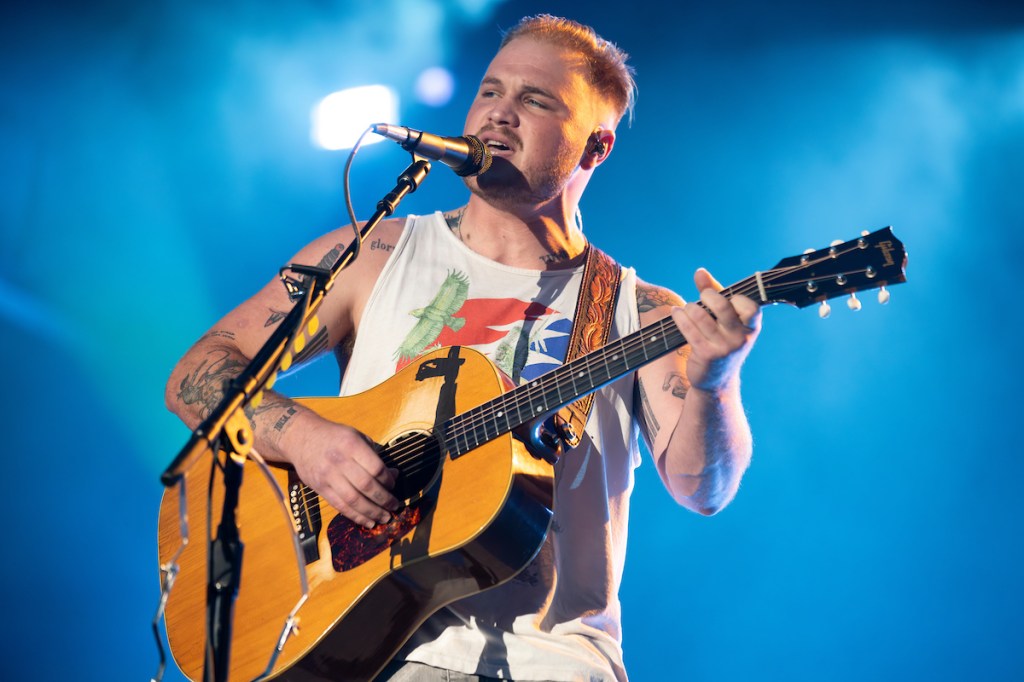
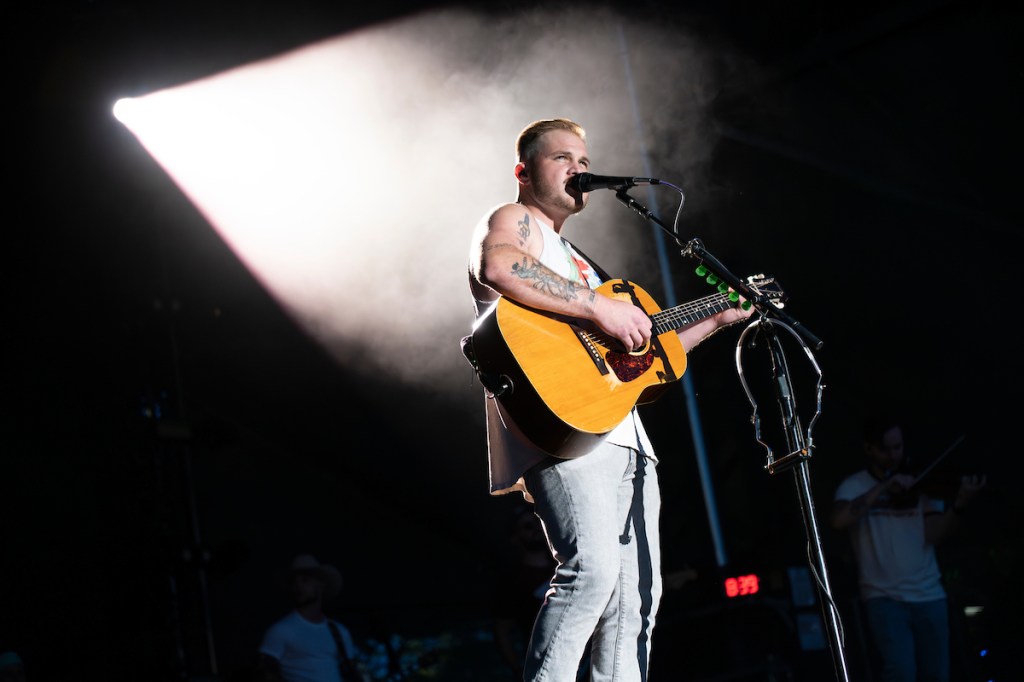
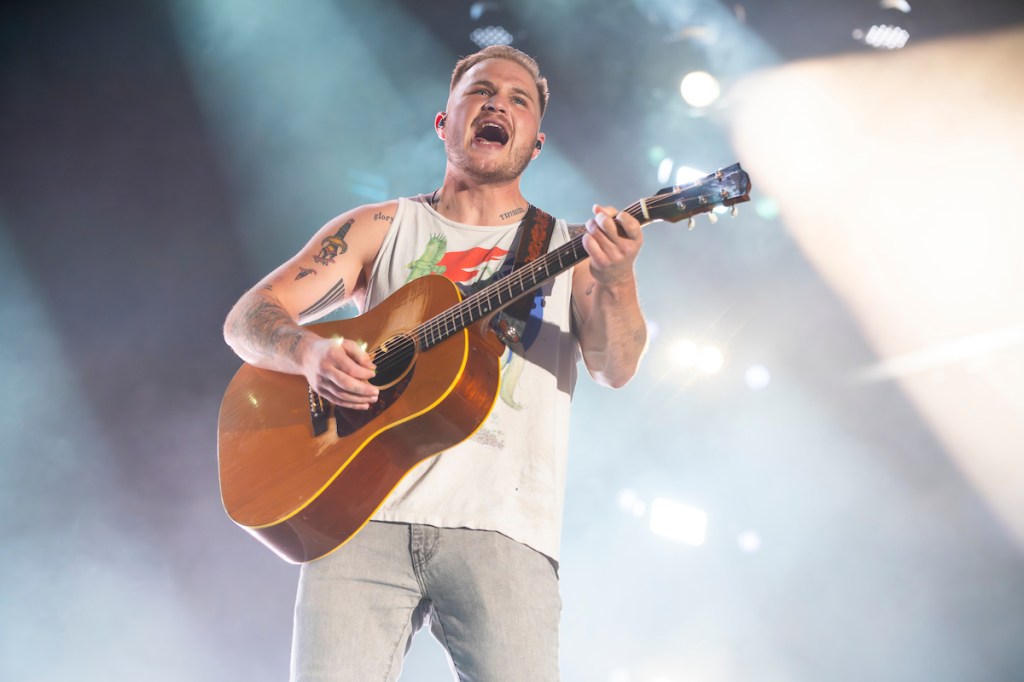
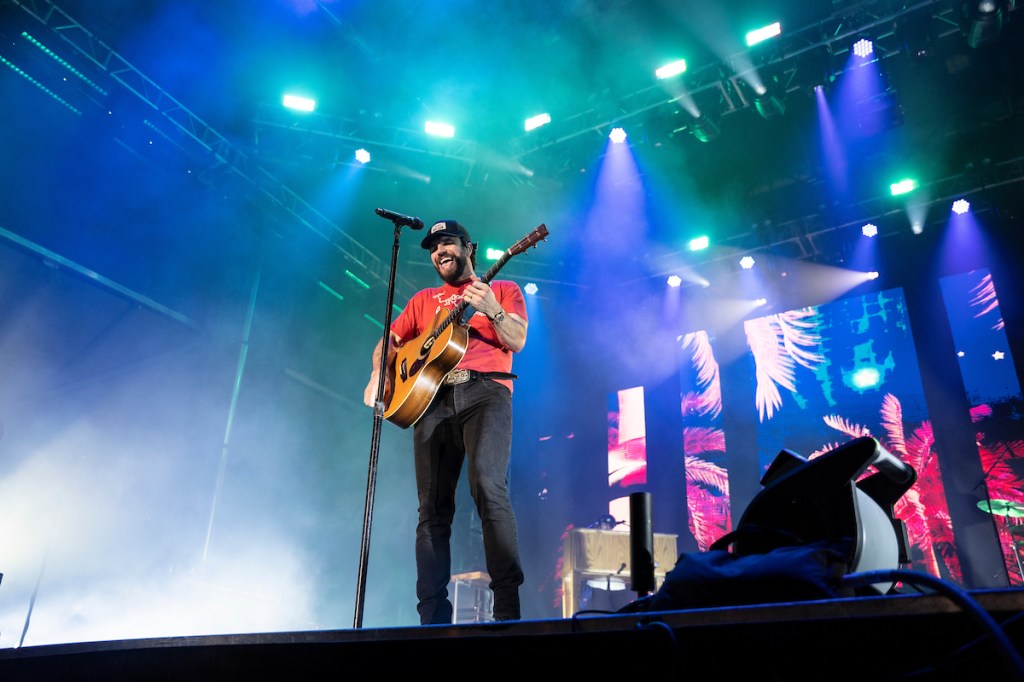
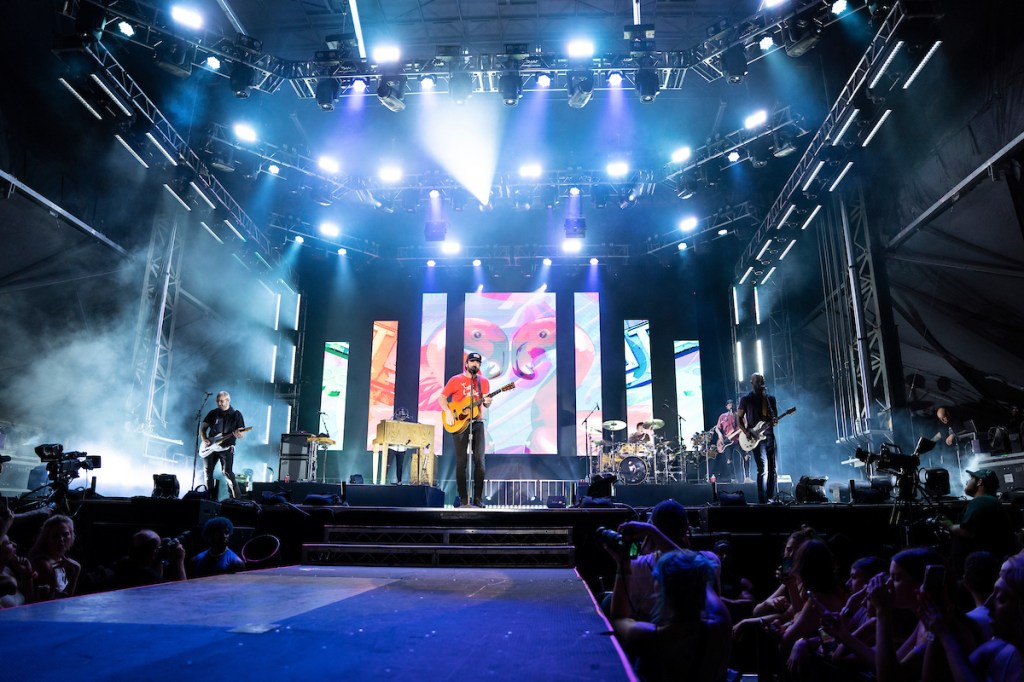
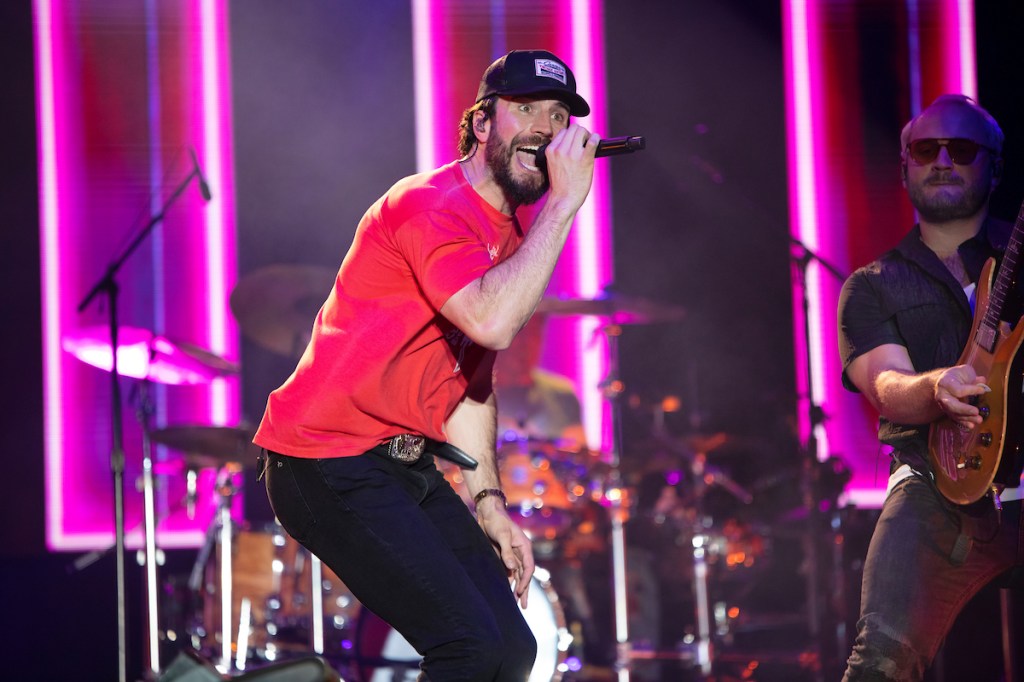
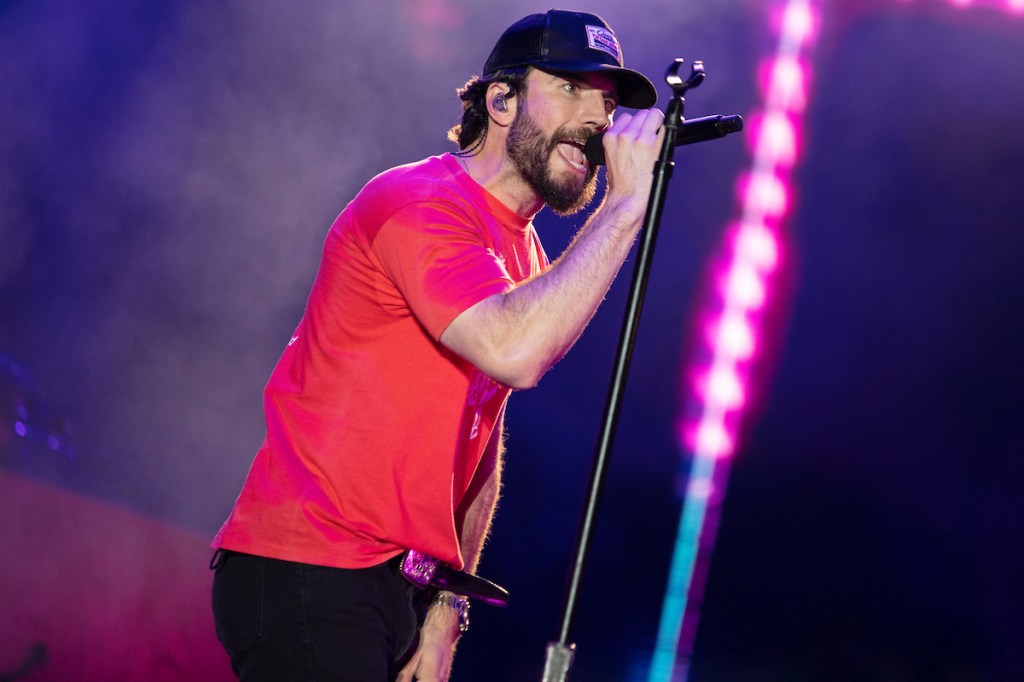
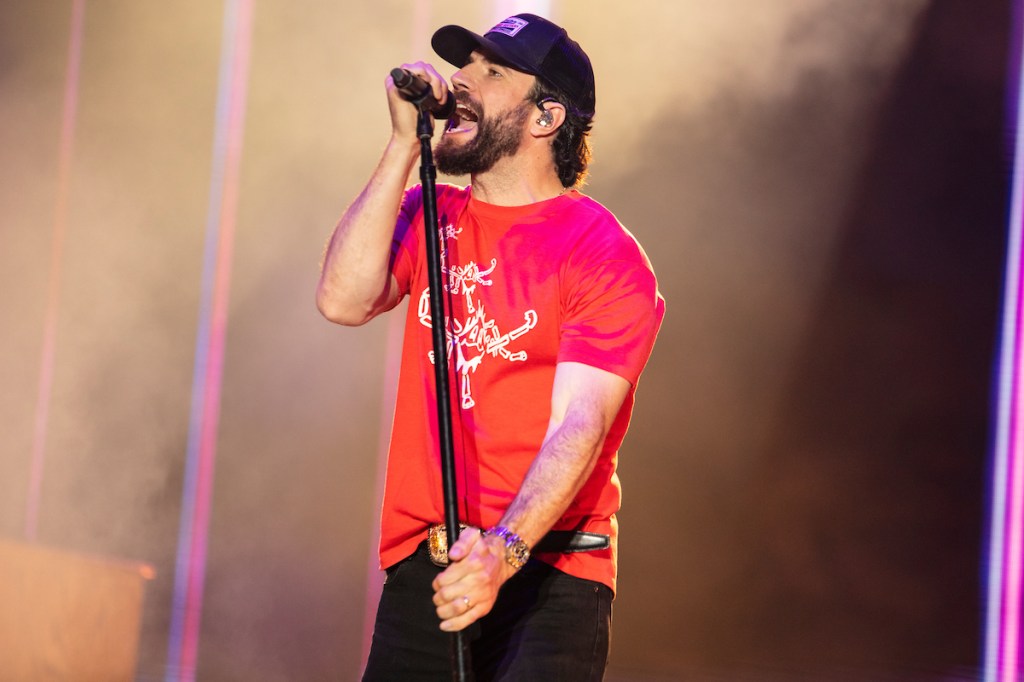
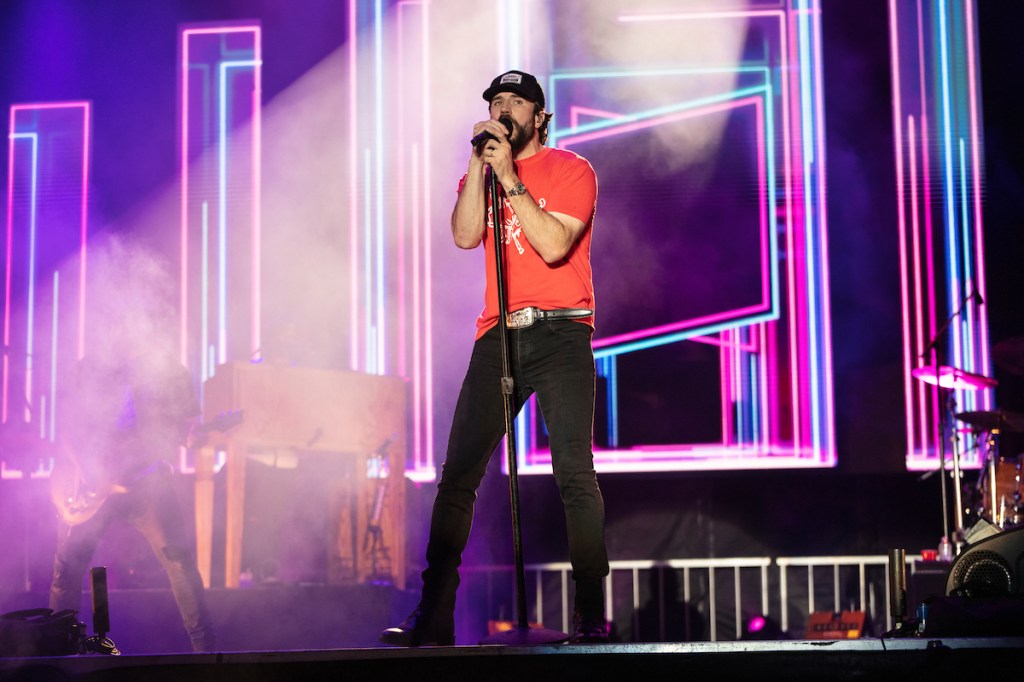
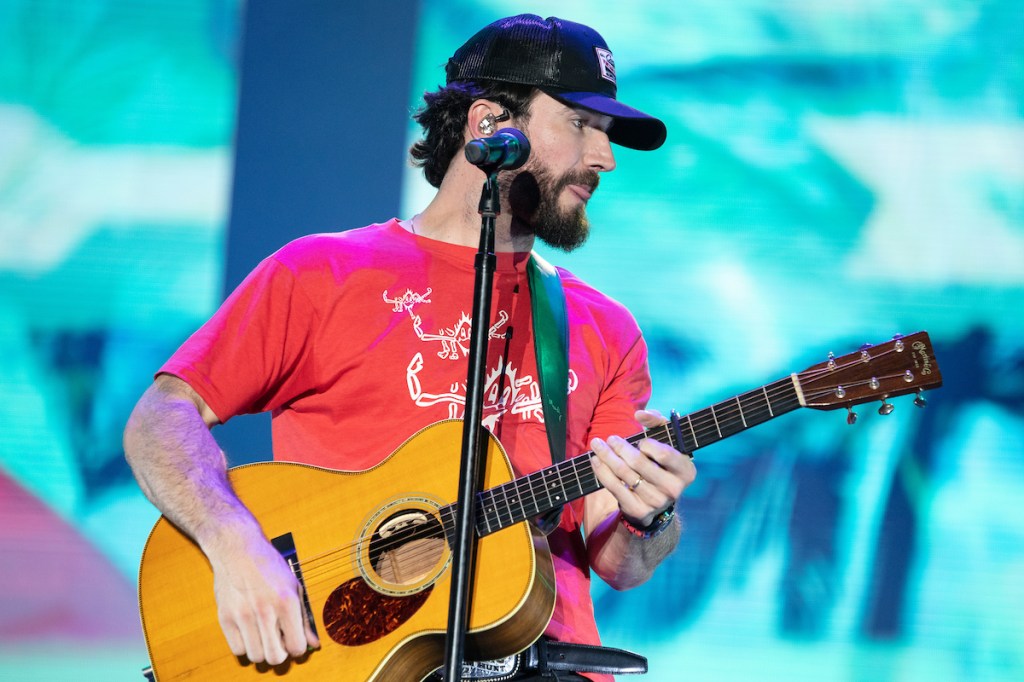
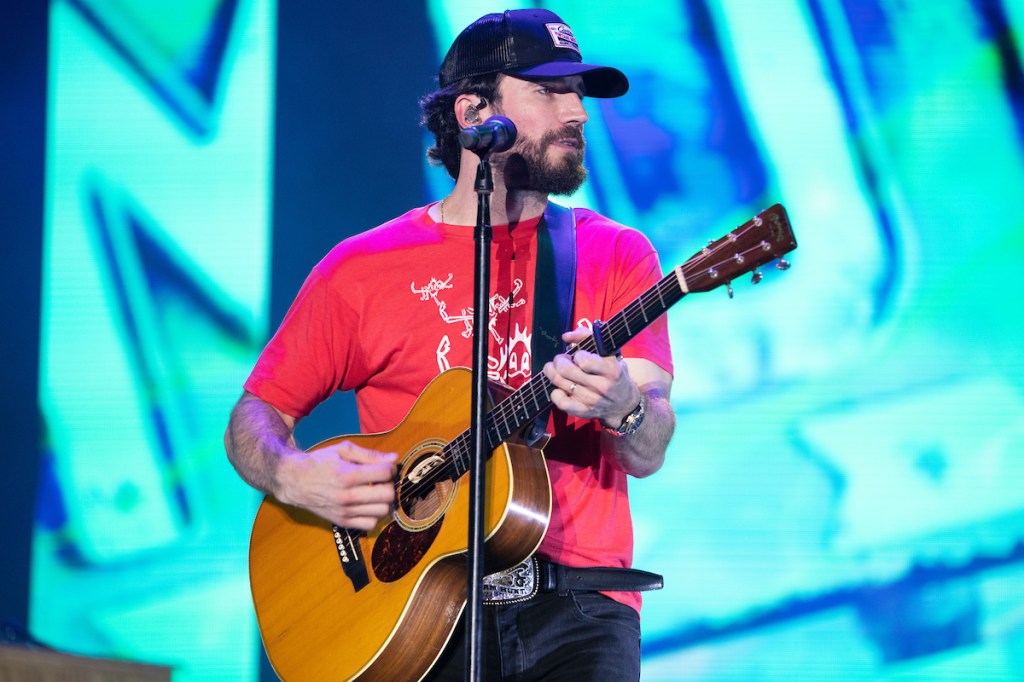
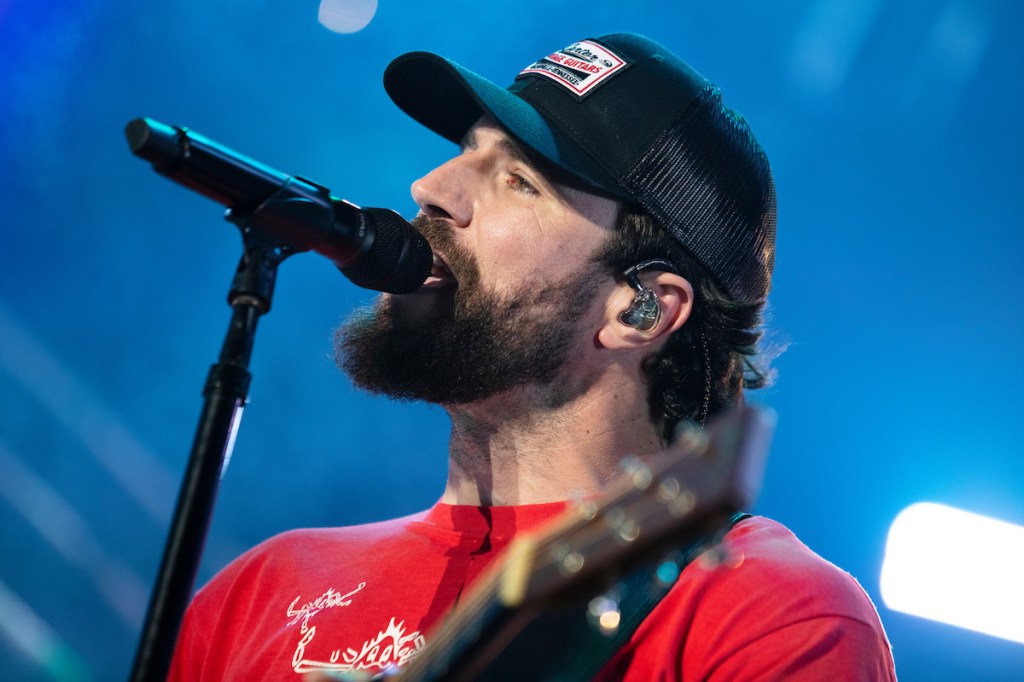
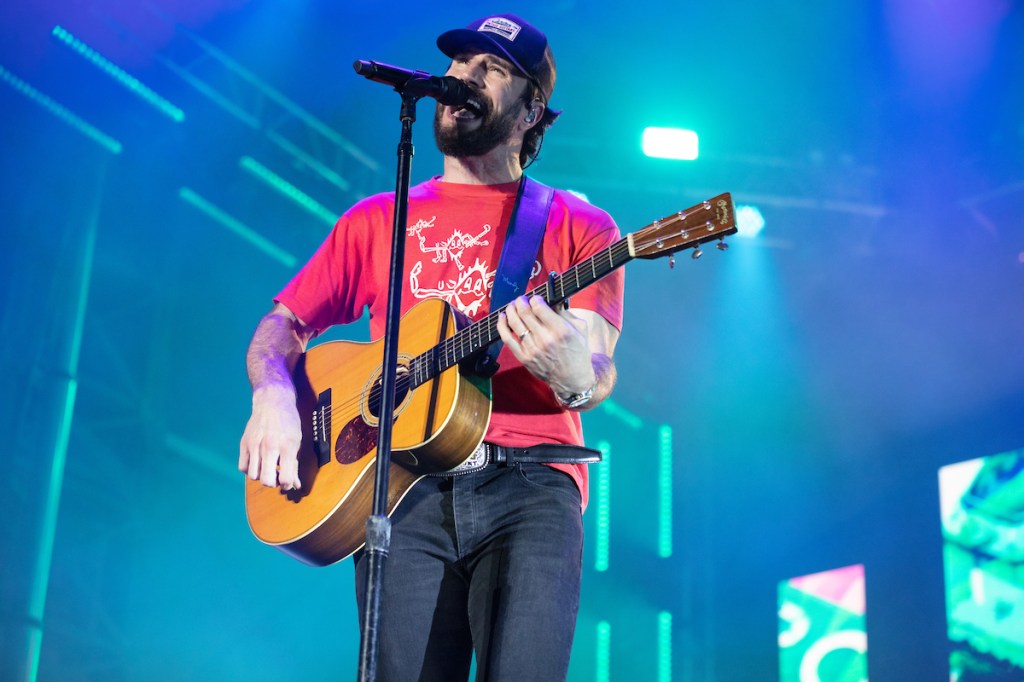
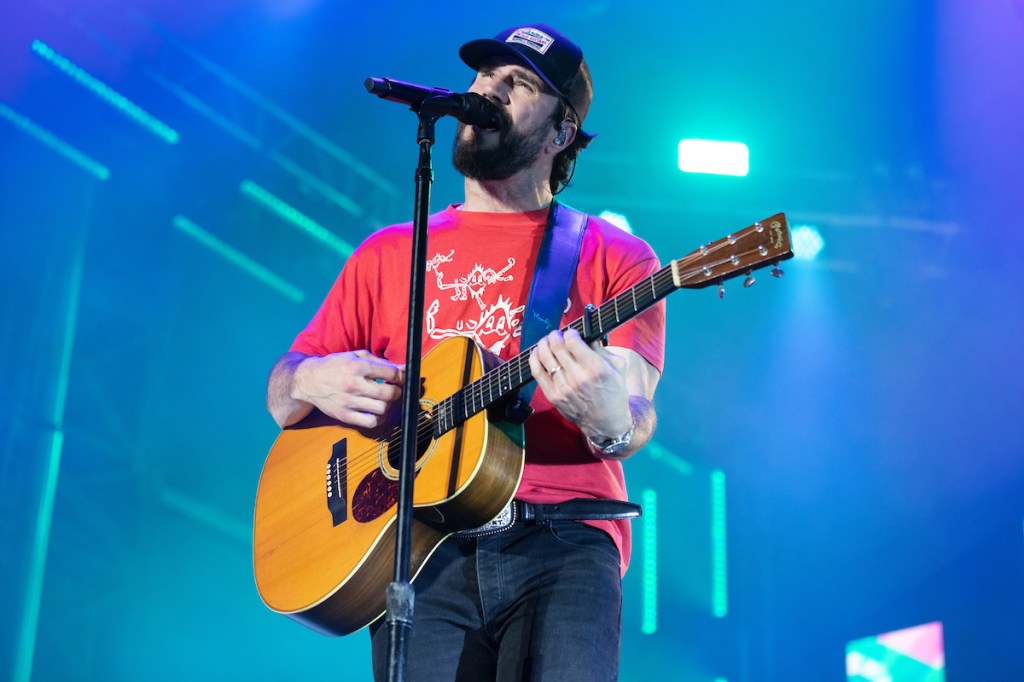
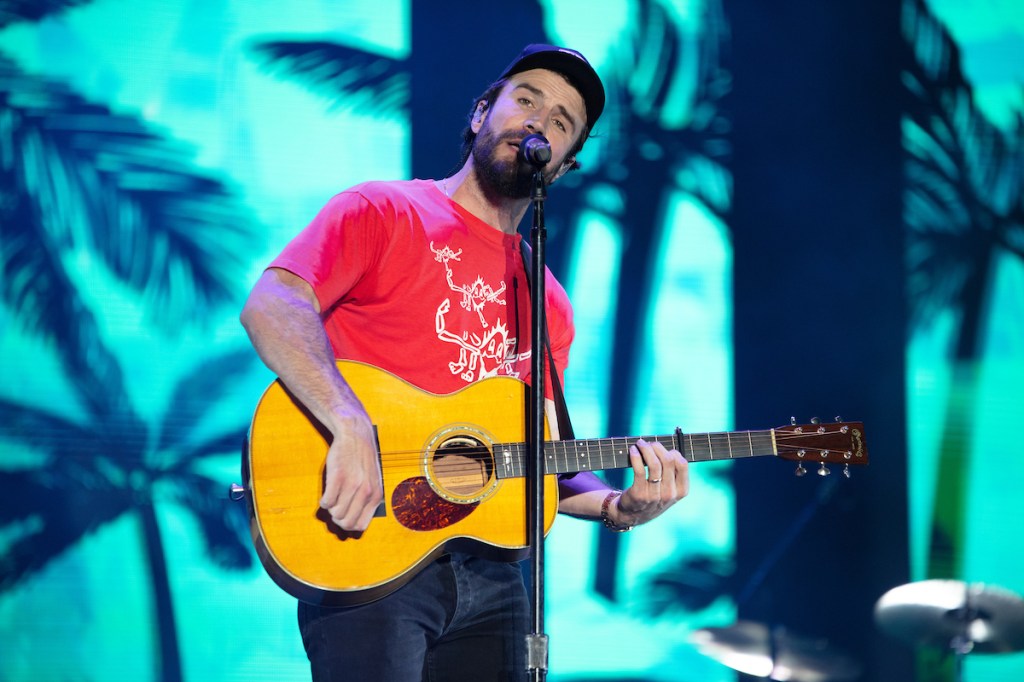
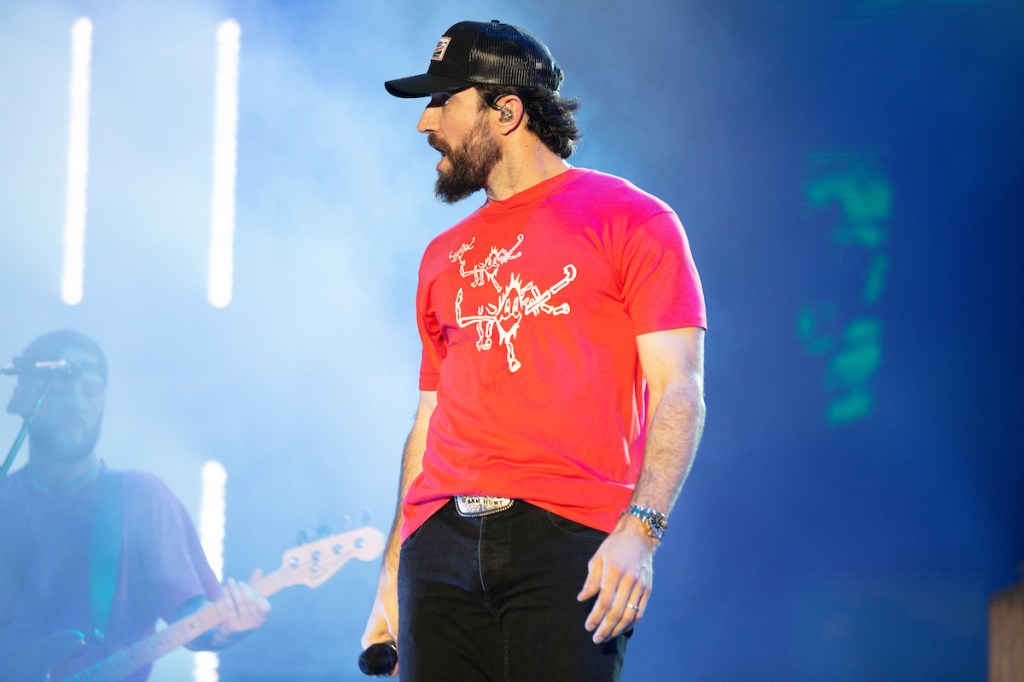
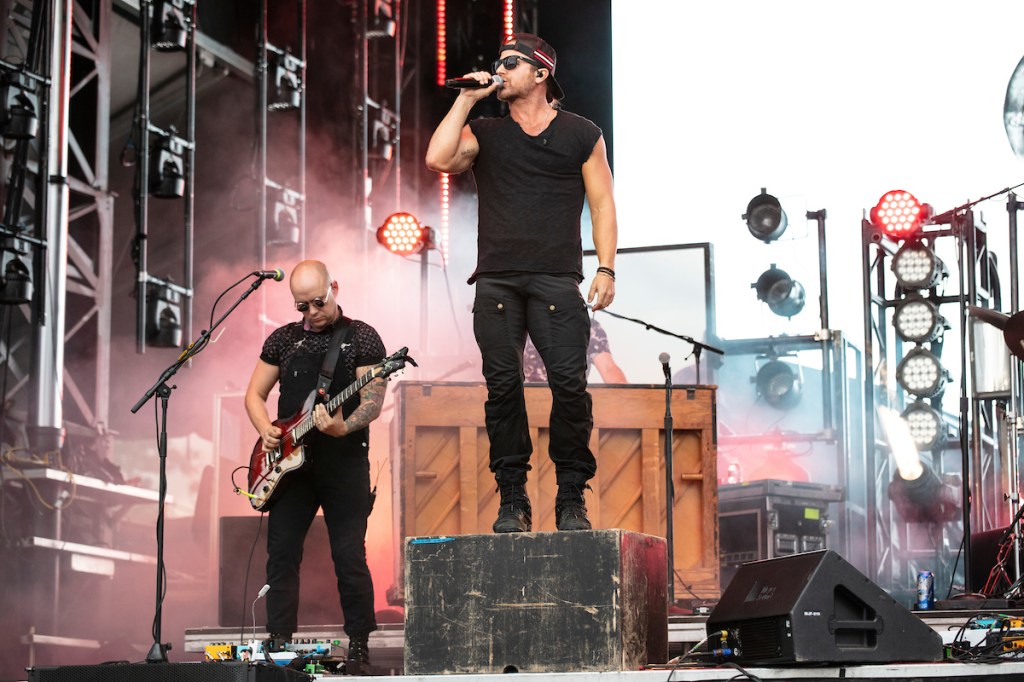
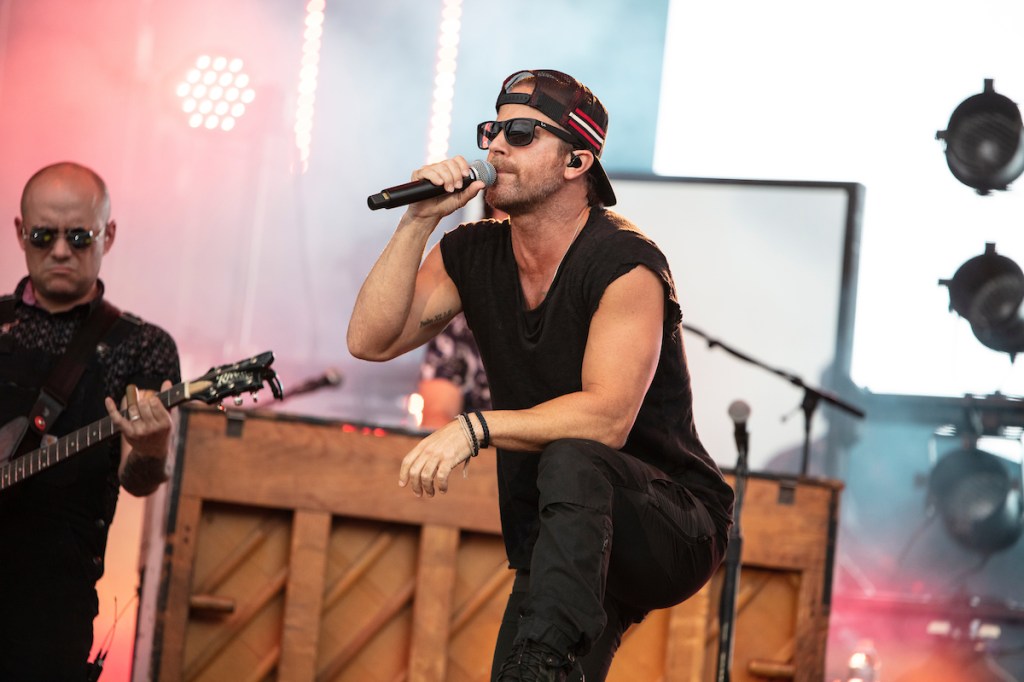
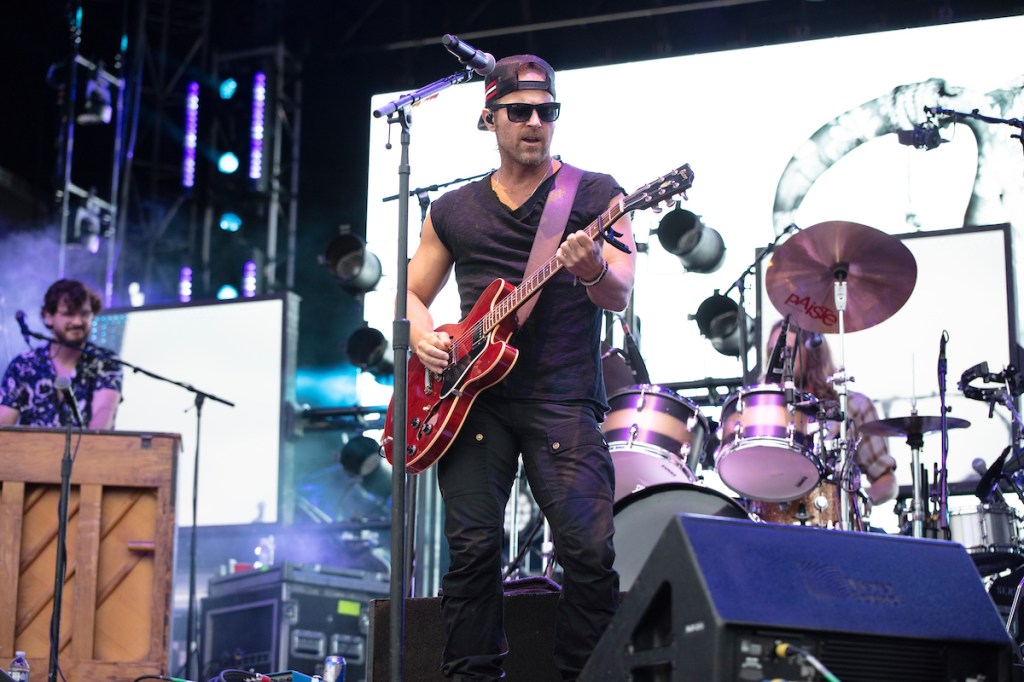
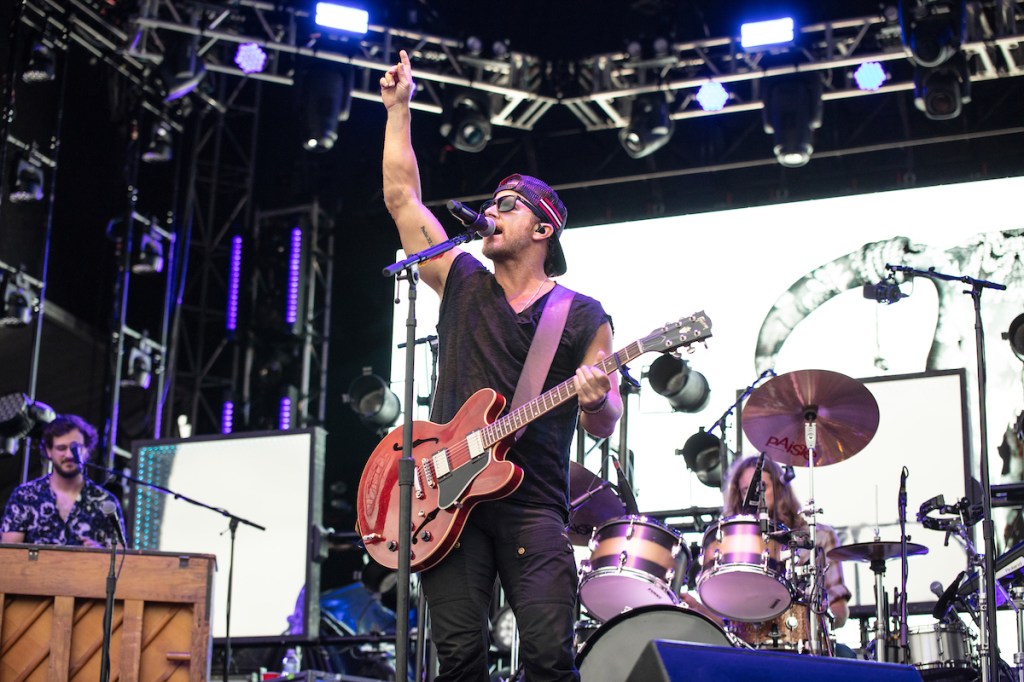
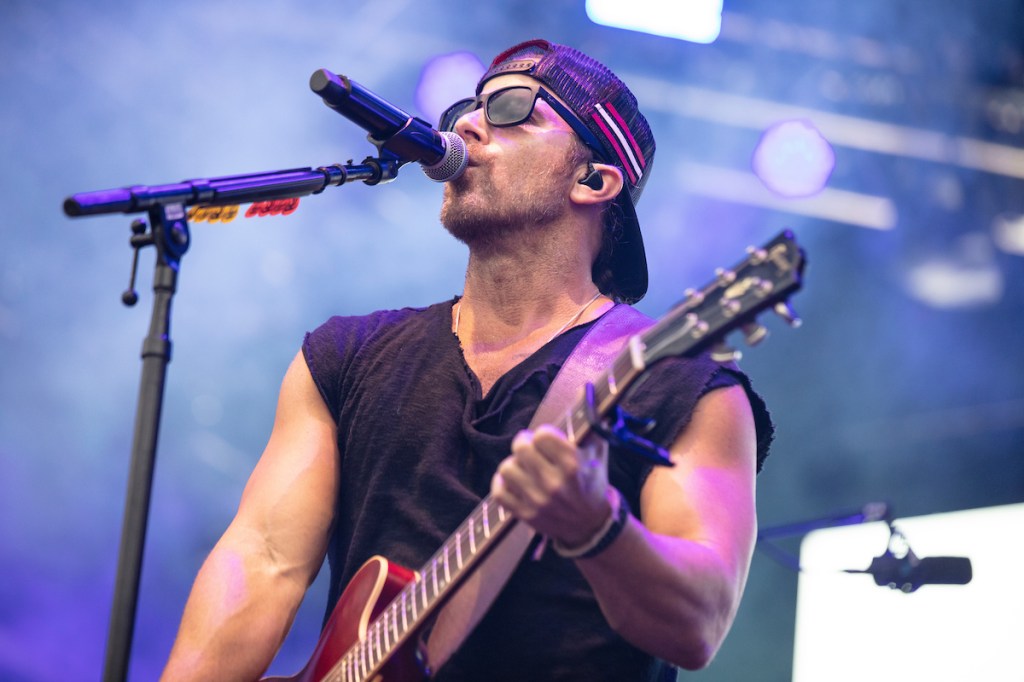
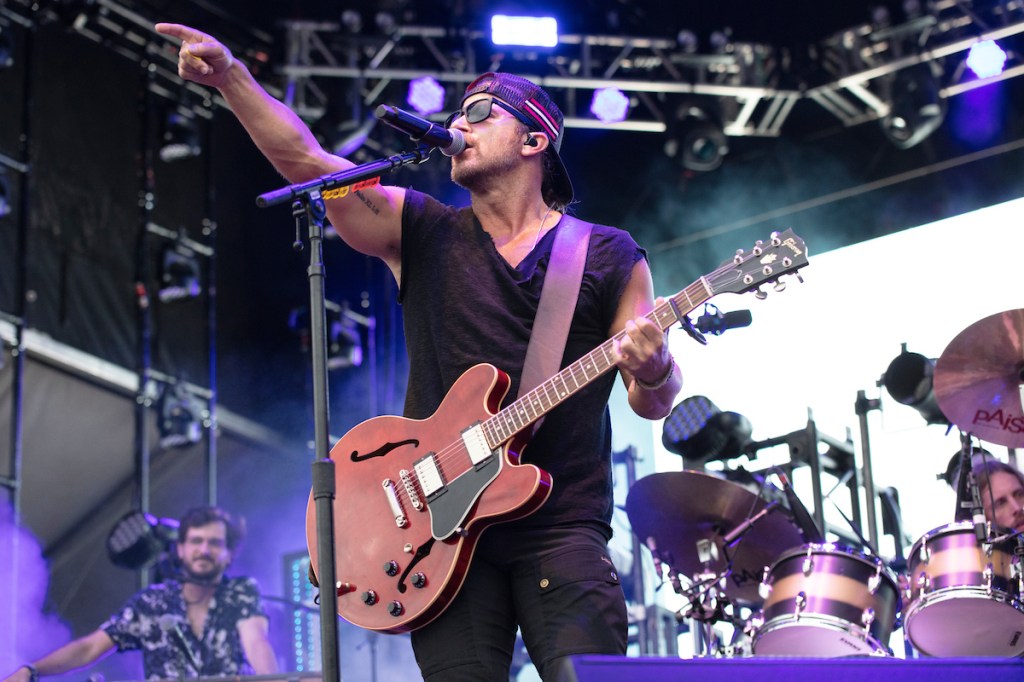
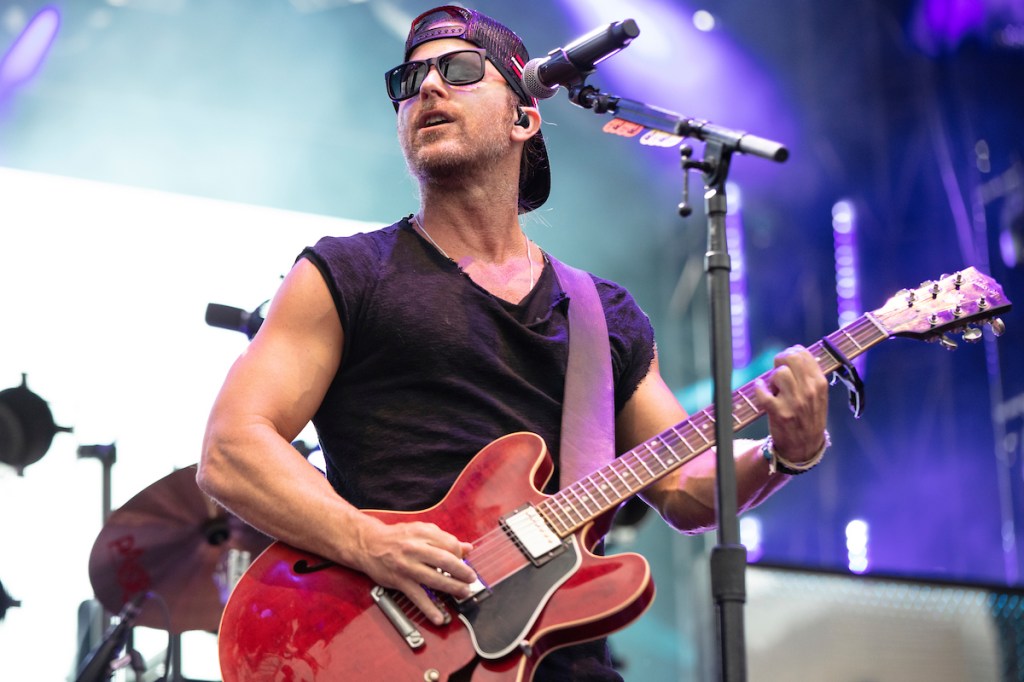
Saturday’s main-stage lineup simply brought together three artists who have spent years mastering the type of immediately recognizable country songs that seem purpose-built for a festival crowd. Tyler Hubbard started the featured stretch at 4:45 p.m., Russell Dickerson followed at 6:30 p.m. and Jordan Davis occupied the 8:20 p.m. headlining slot.
Together, they represented three distinct but complementary versions of modern country music. Hubbard arrived with a newly established solo identity and one of the most commercially successful catalogs of the past decade behind him. Dickerson treated his performance like a Saturday-night party that happened to begin before sunset. Davis then closed the evening by combining radio-sized choruses with the personal, conversational songwriting that has powered his rise to headliner status.
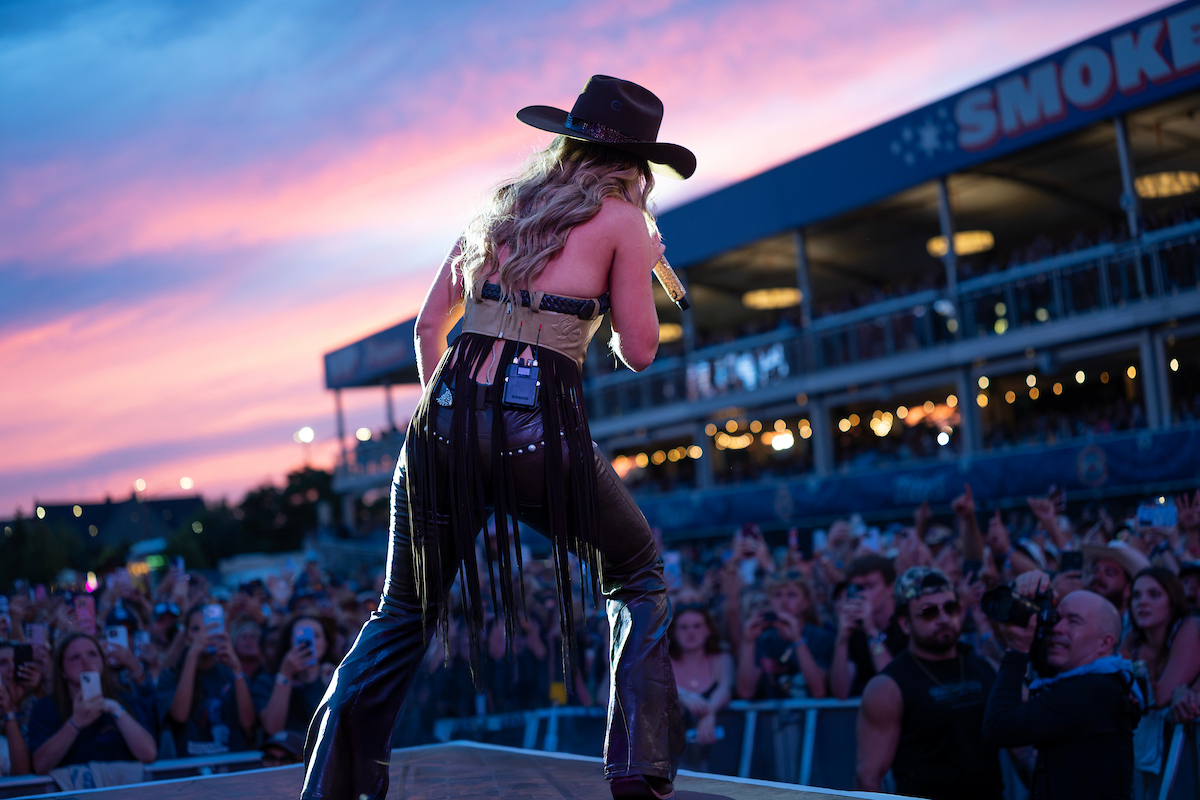
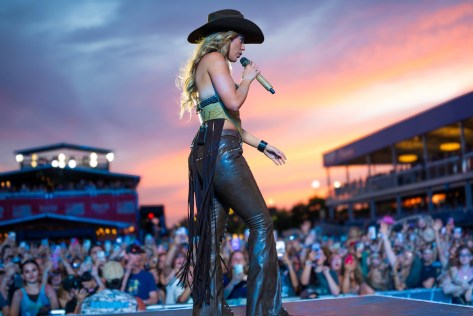
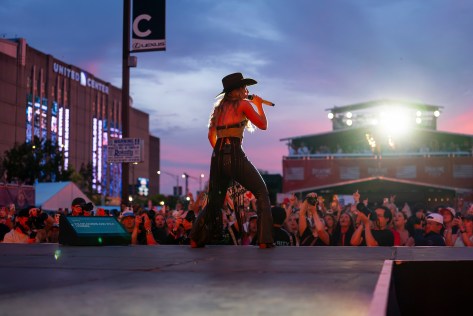
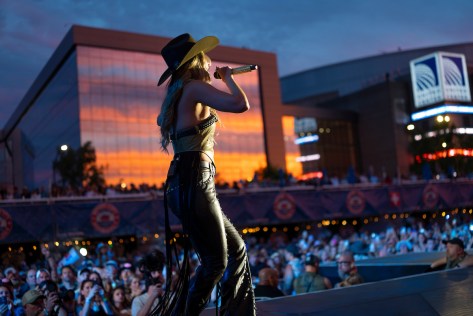
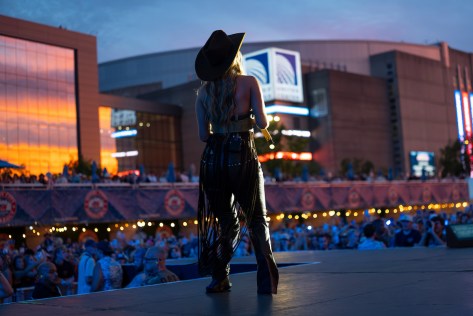
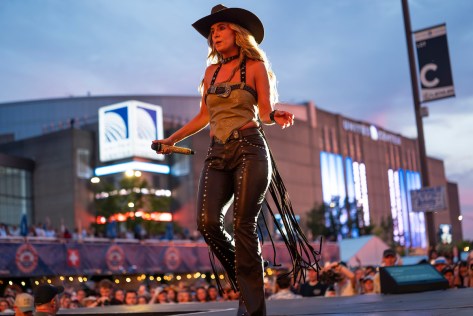
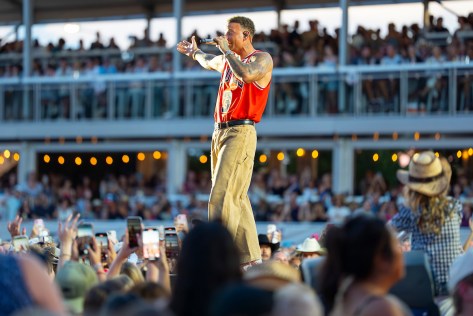
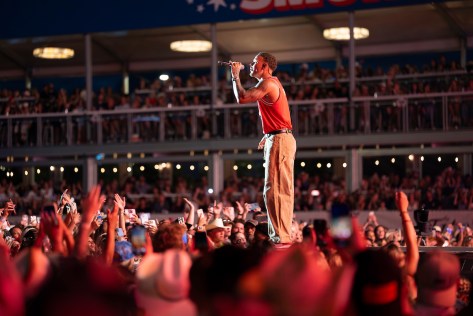
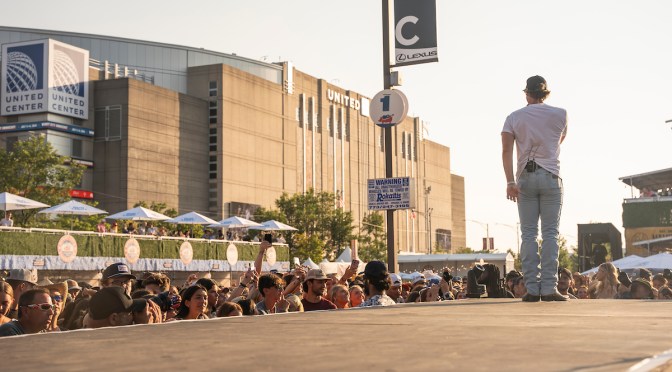
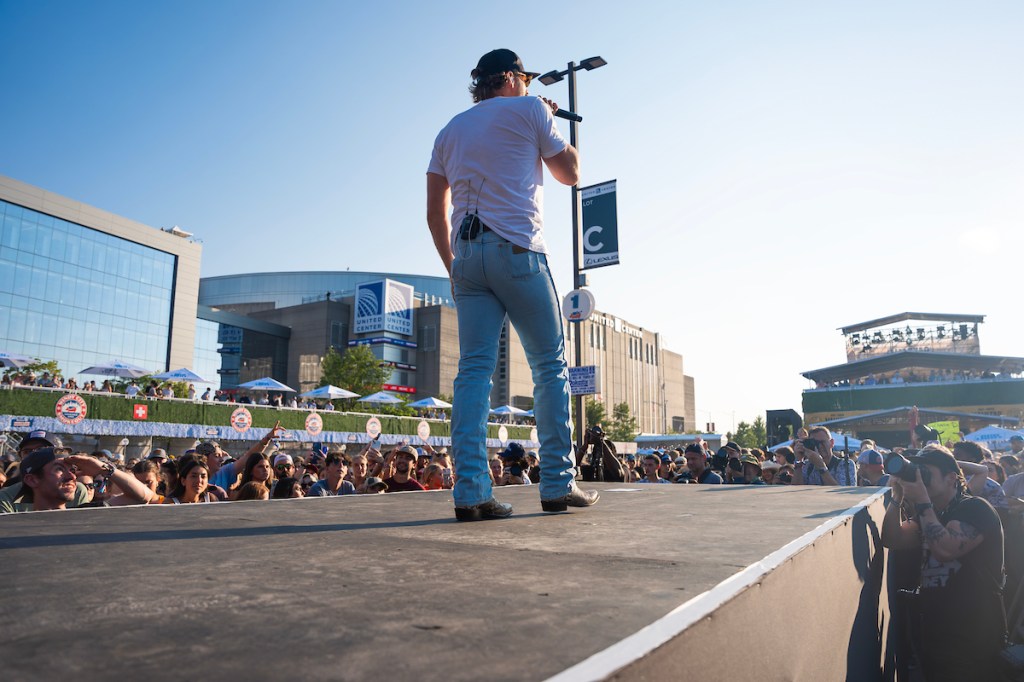
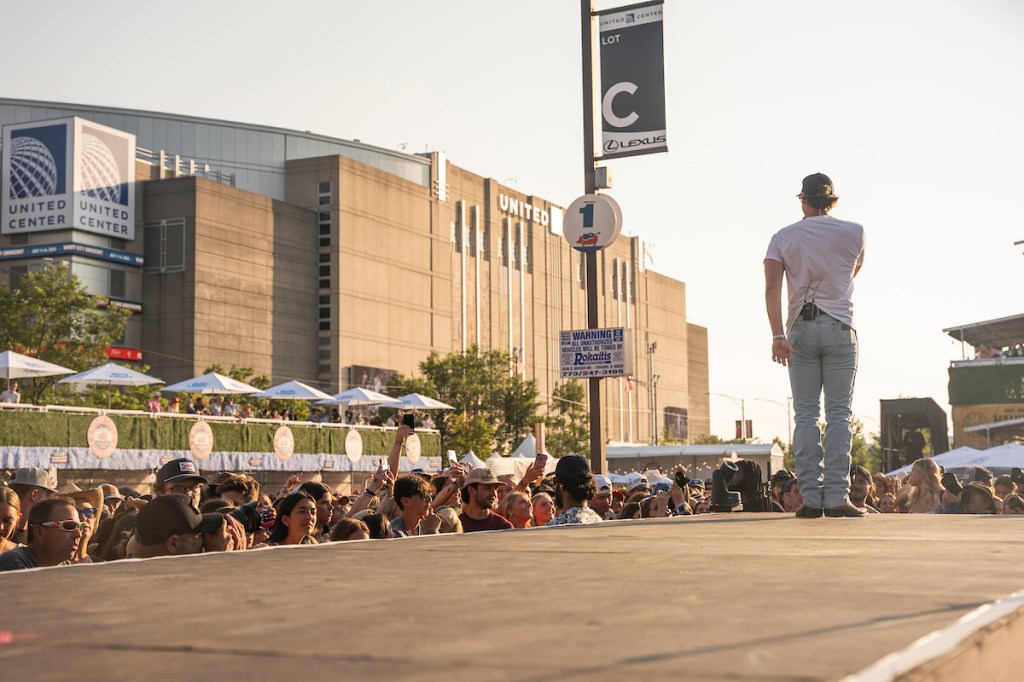
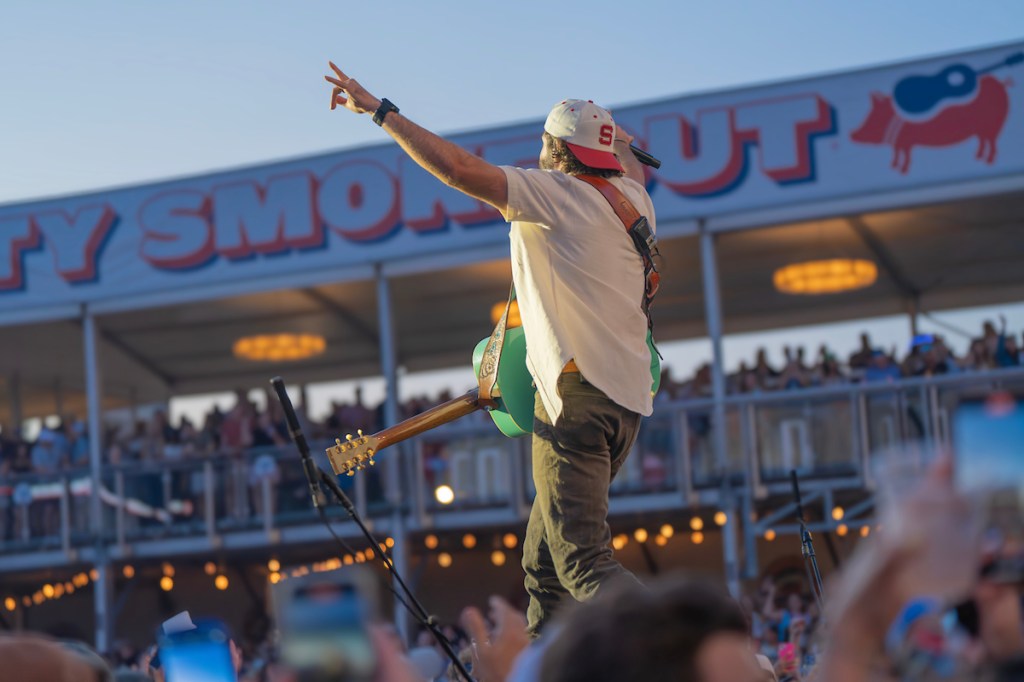
Chicago provided nearly ideal conditions for the progression. Temperatures hovered in the mid-70s as the evening began and gradually cooled beneath mostly clear skies, giving the Smokeout crowd every reason to remain planted outside the United Center through the night.
Here are 10 reasons Tyler Hubbard, Russell Dickerson and Jordan Davis gave Windy City Smokeout one huge Saturday.
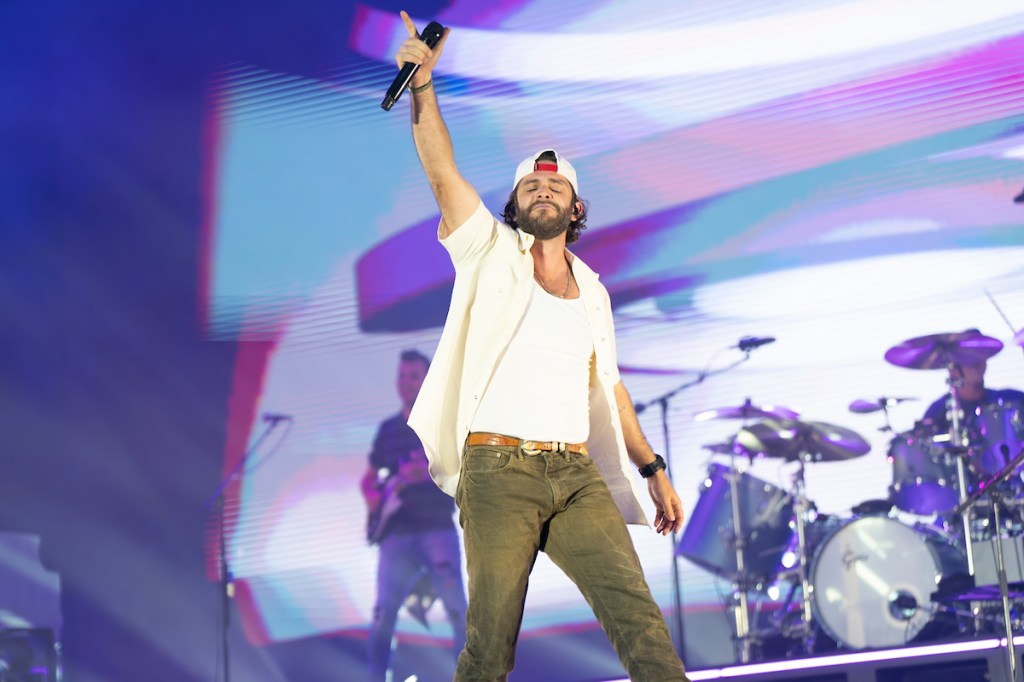
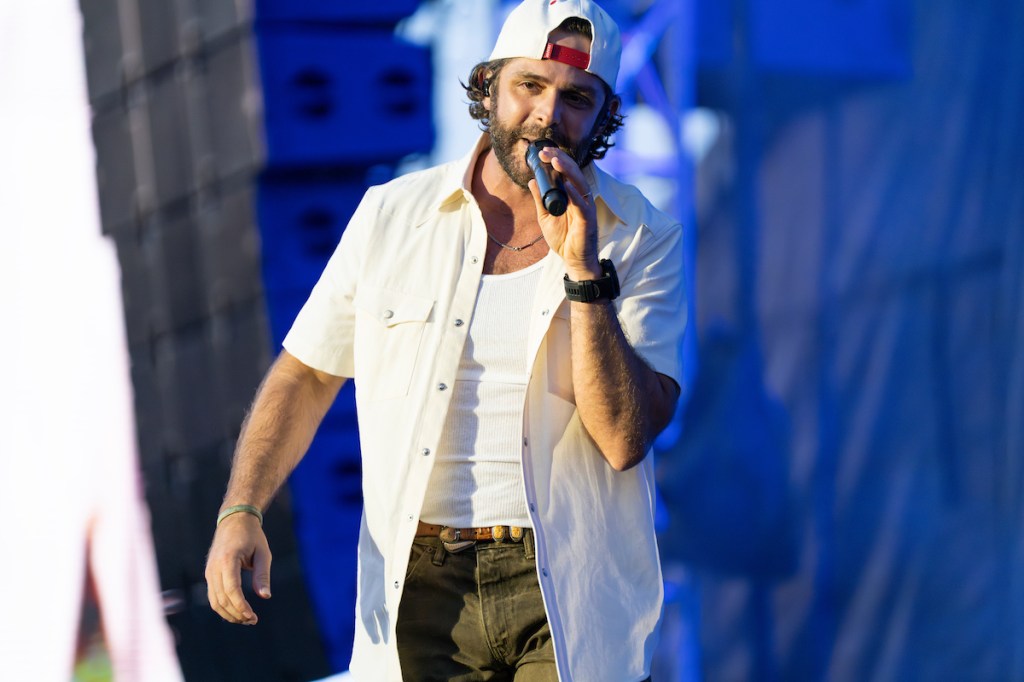
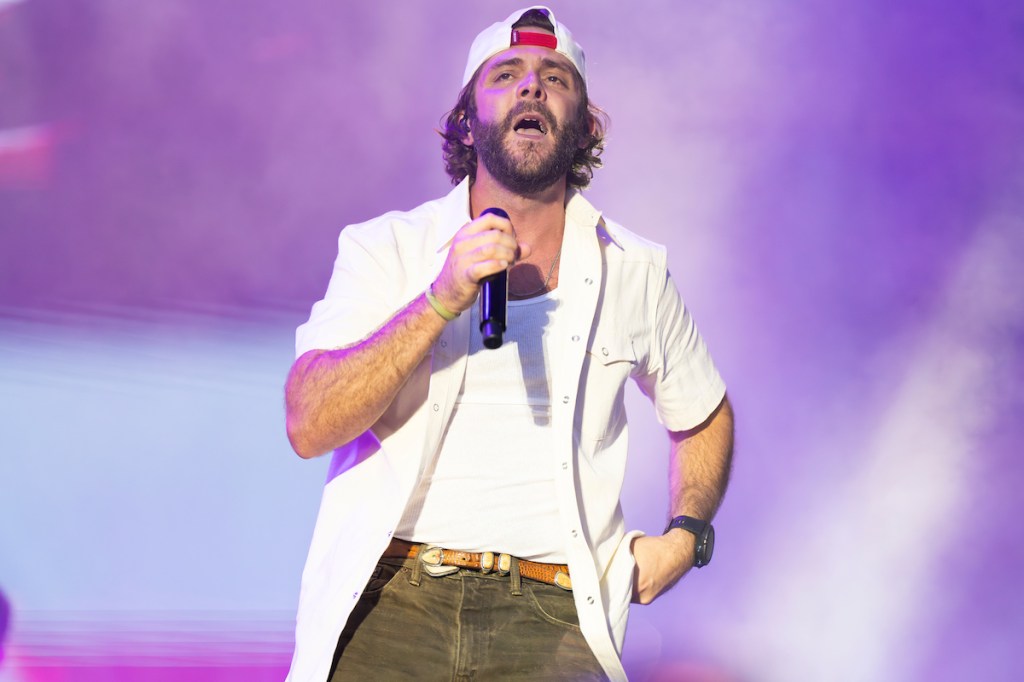
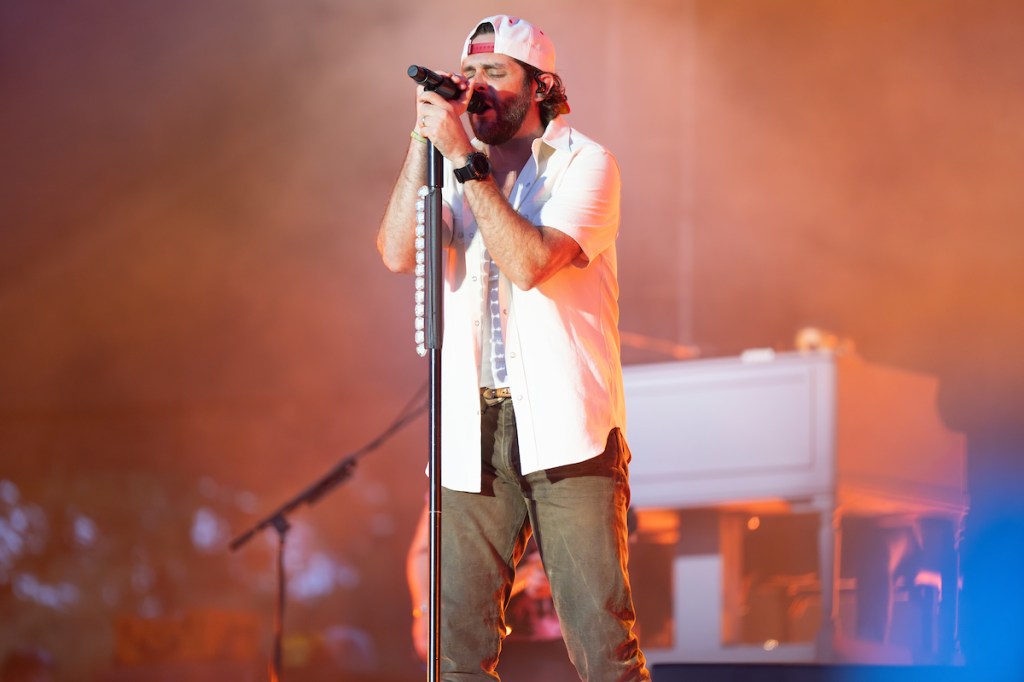
1. Tyler Hubbard proved his solo catalog can stand on its own
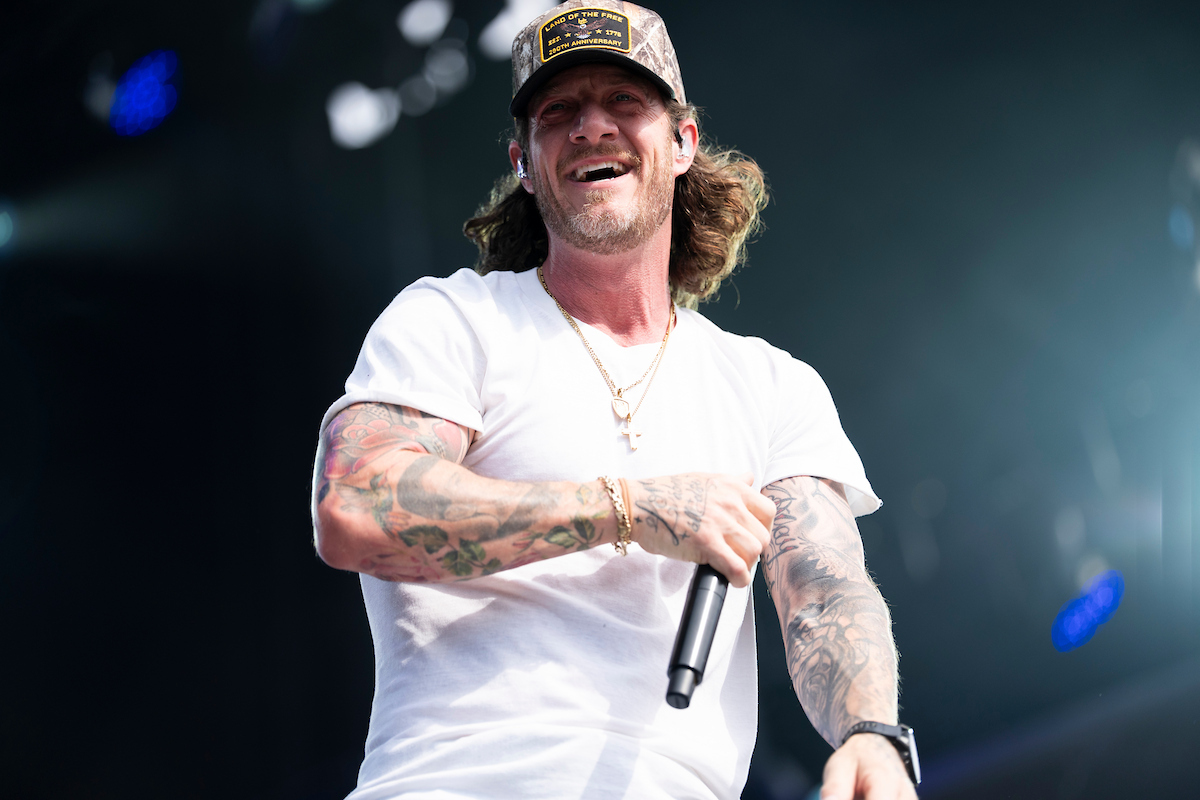
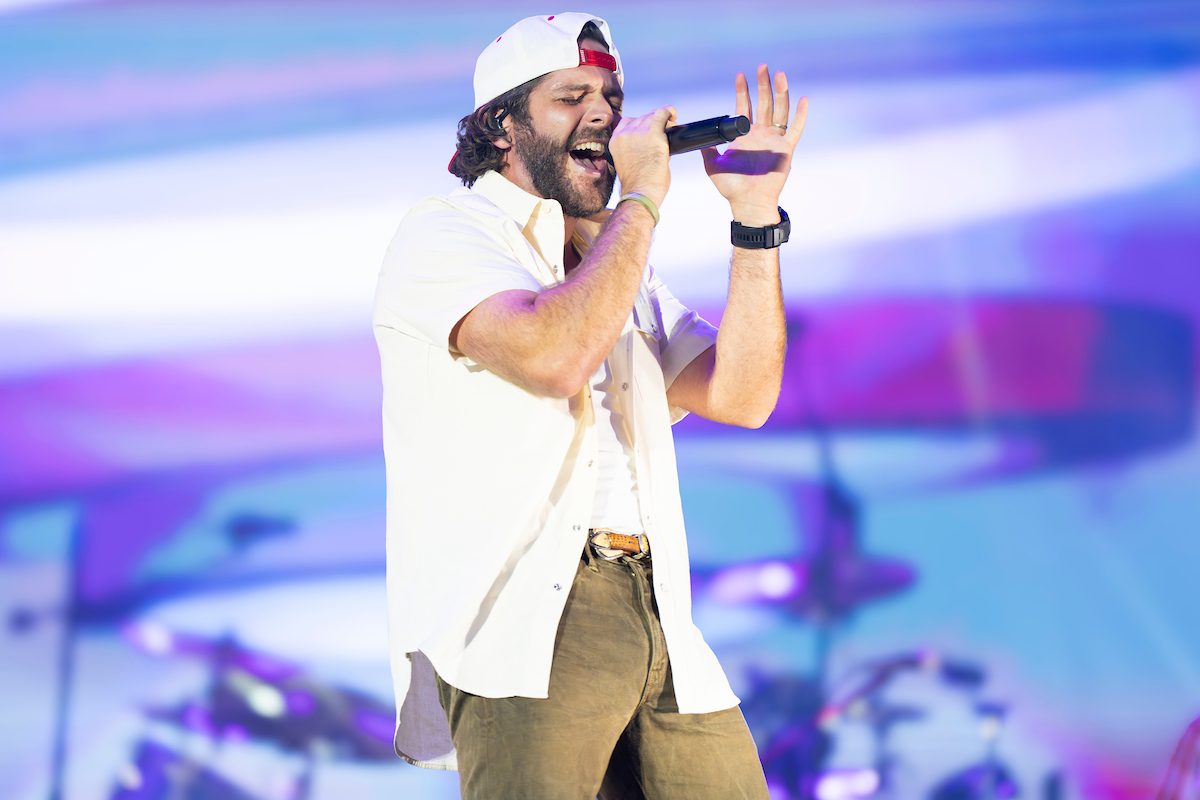
Tyler Hubbard will probably always receive one of his loudest reactions when he reaches back into his Florida Georgia Line catalog. That history is simply too successful—and too intertwined with an entire era of country music—to ignore.
But Hubbard’s Smokeout performance did not feel like a former group member surviving on nostalgia.
Songs such as “5 Foot 9,” “Dancin’ in the Country” and “Back Then Right Now” have given Hubbard a distinct identity beyond the duo that made him famous. His solo material maintains his instinct for big, uncomplicated hooks while revealing a more personal and settled performer.
The result was a set that could acknowledge the past without depending upon it. The Florida Georgia Line songs were highlights, but they were not the only reasons the crowd was invested.
2. “5 Foot 9” supplied an effortless festival singalong
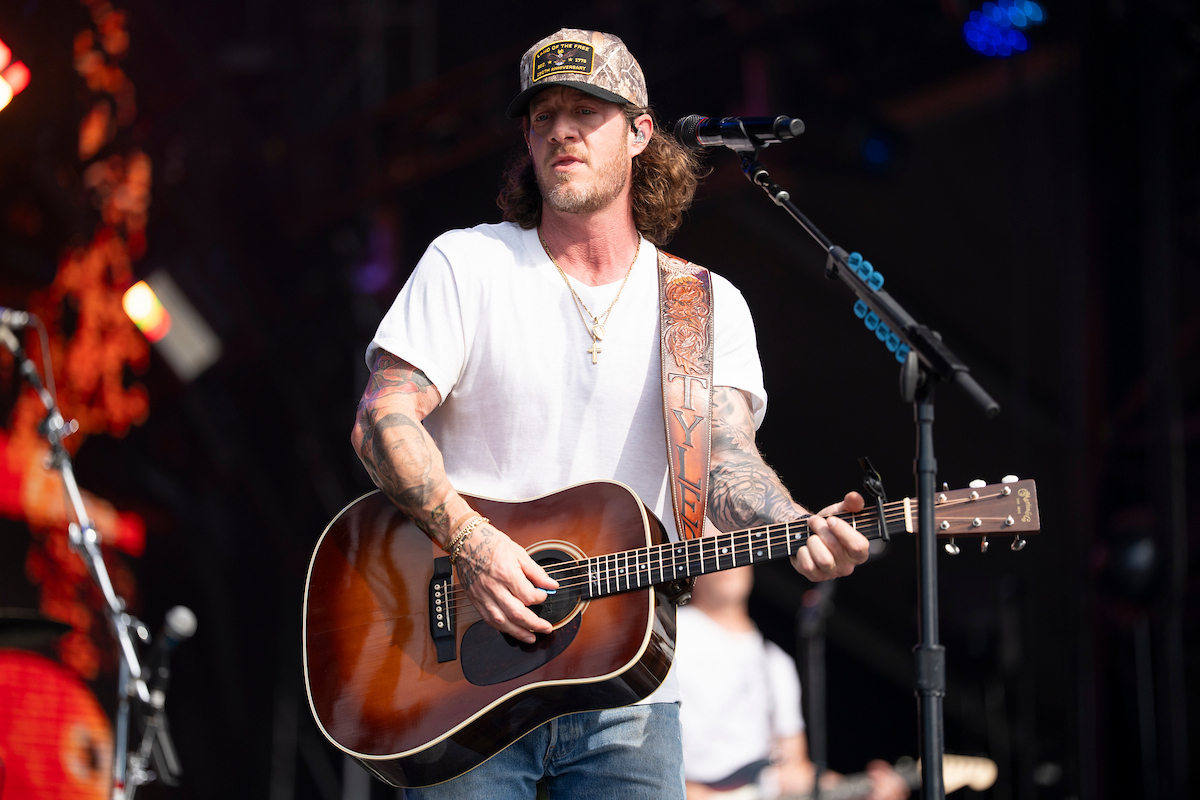
Some choruses require encouragement. Others only need their opening notes.
“5 Foot 9” belonged firmly in the latter category.
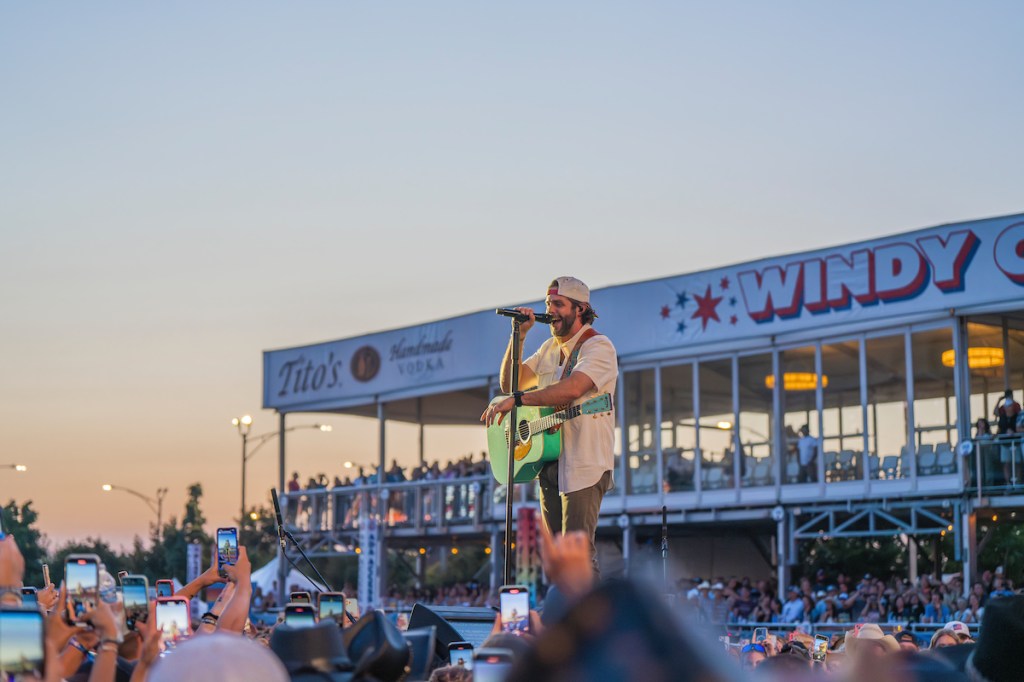
Hubbard’s solo breakthrough has the easygoing familiarity of a song that listeners feel as though they have known far longer than they actually have. At Windy City Smokeout, its images of small-town life, romance and simple blessings translated naturally to a crowd spending its Saturday surrounded by country music, cold drinks and barbecue smoke.
The song did not need a dramatic introduction or elaborate production to create a moment. Its strength was its simplicity, allowing thousands of voices to take ownership of the chorus almost immediately.
3. The Florida Georgia Line songs still produced an enormous reaction
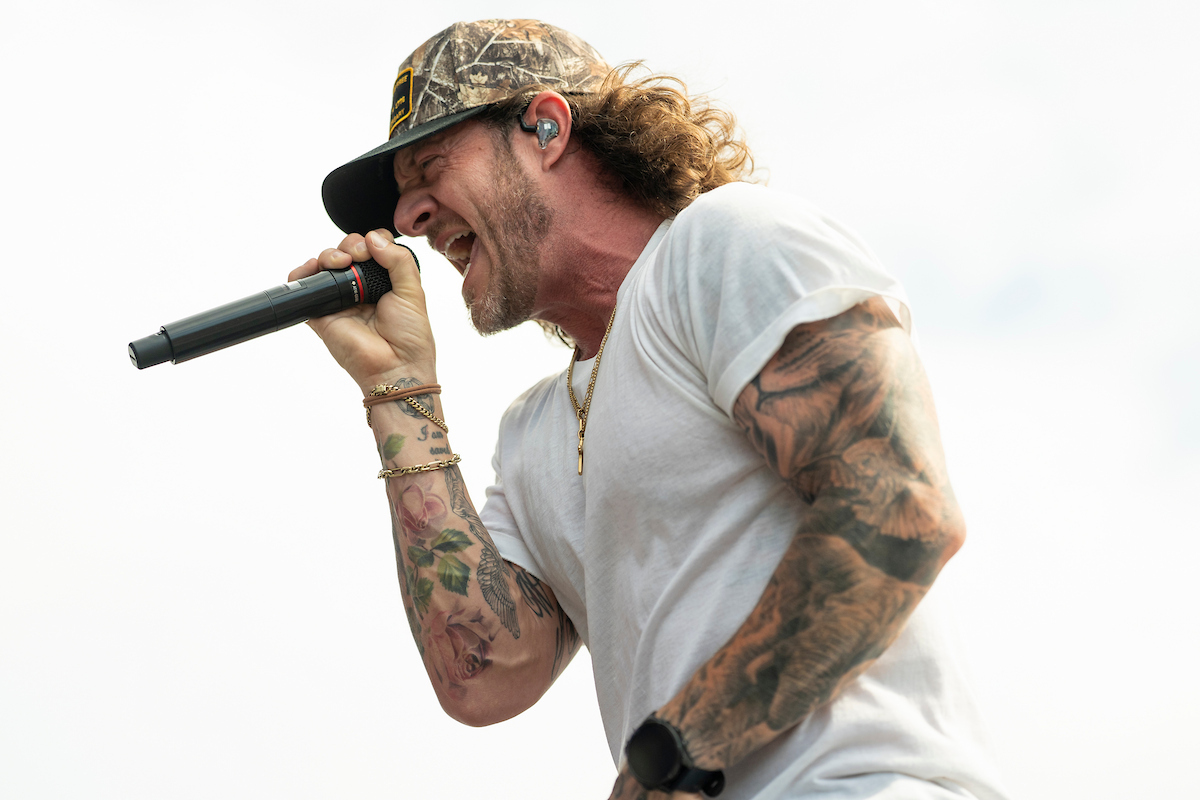
Hubbard may have demonstrated that his solo catalog is strong enough to carry a festival set, but there was no denying the response when he opened the Florida Georgia Line vault.
Those songs are more than former radio hits. They are time capsules from a period when Florida Georgia Line helped reshape the sound, image and commercial reach of mainstream country music.
For some fans, hearing songs such as “Cruise” and “This Is How We Roll” offered a dose of nostalgia. For others, they remained exactly what they were designed to be: giant festival songs with instantly recognizable hooks.
Hubbard handled the balance well. He did not run from the music that made him famous, nor did he allow it to overshadow everything he has built since. Instead, the older material became a celebration of his career’s first chapter within a set that demonstrated how successfully he has begun the next one.
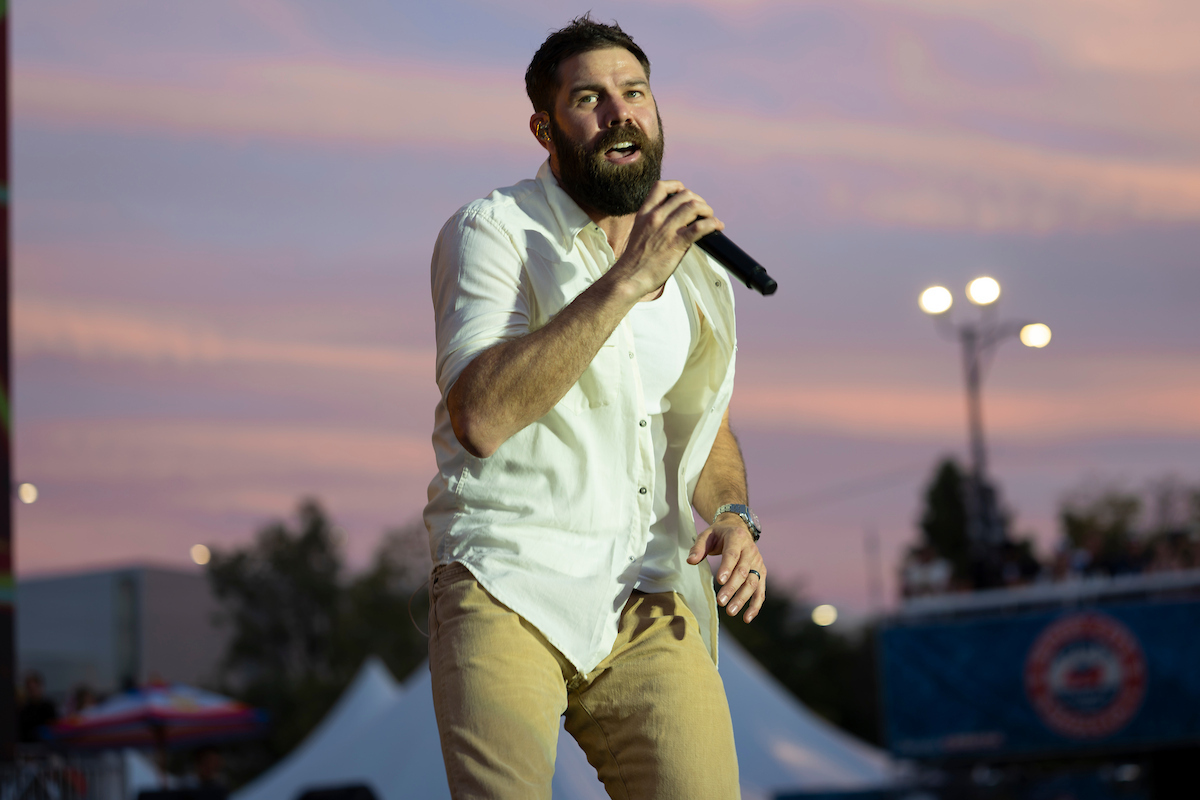
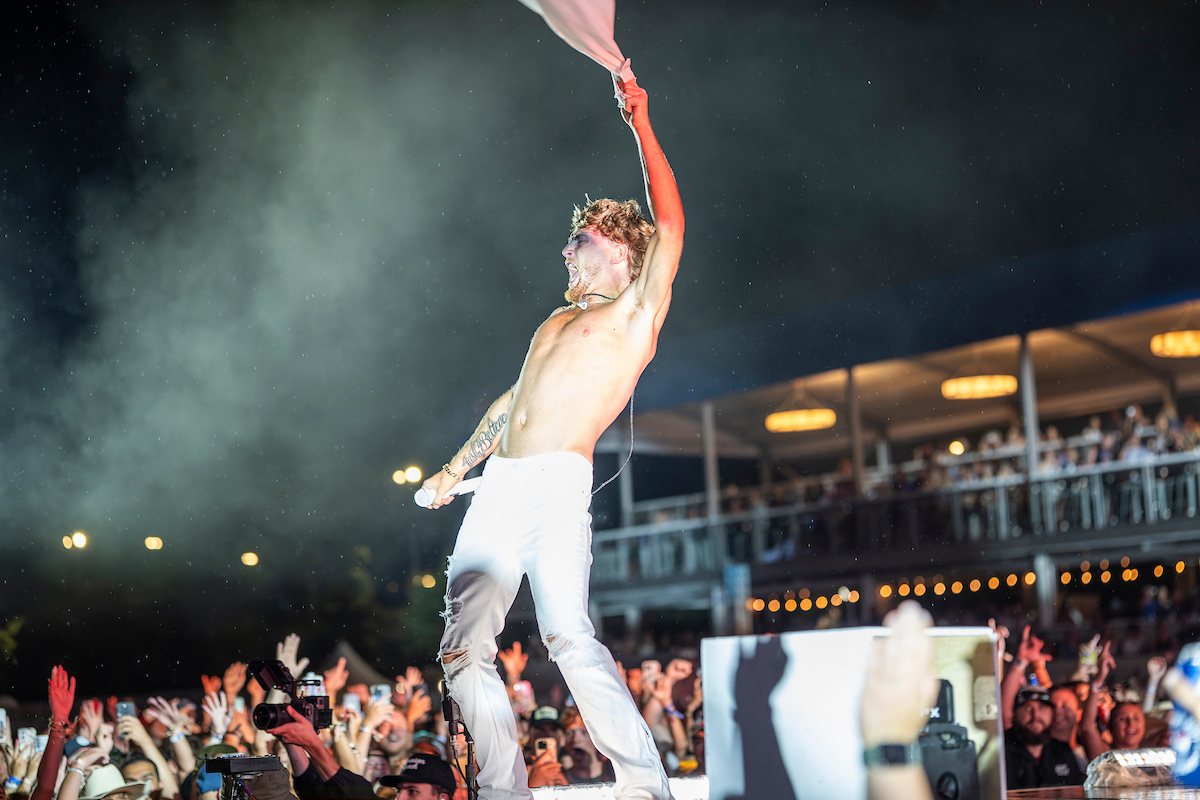
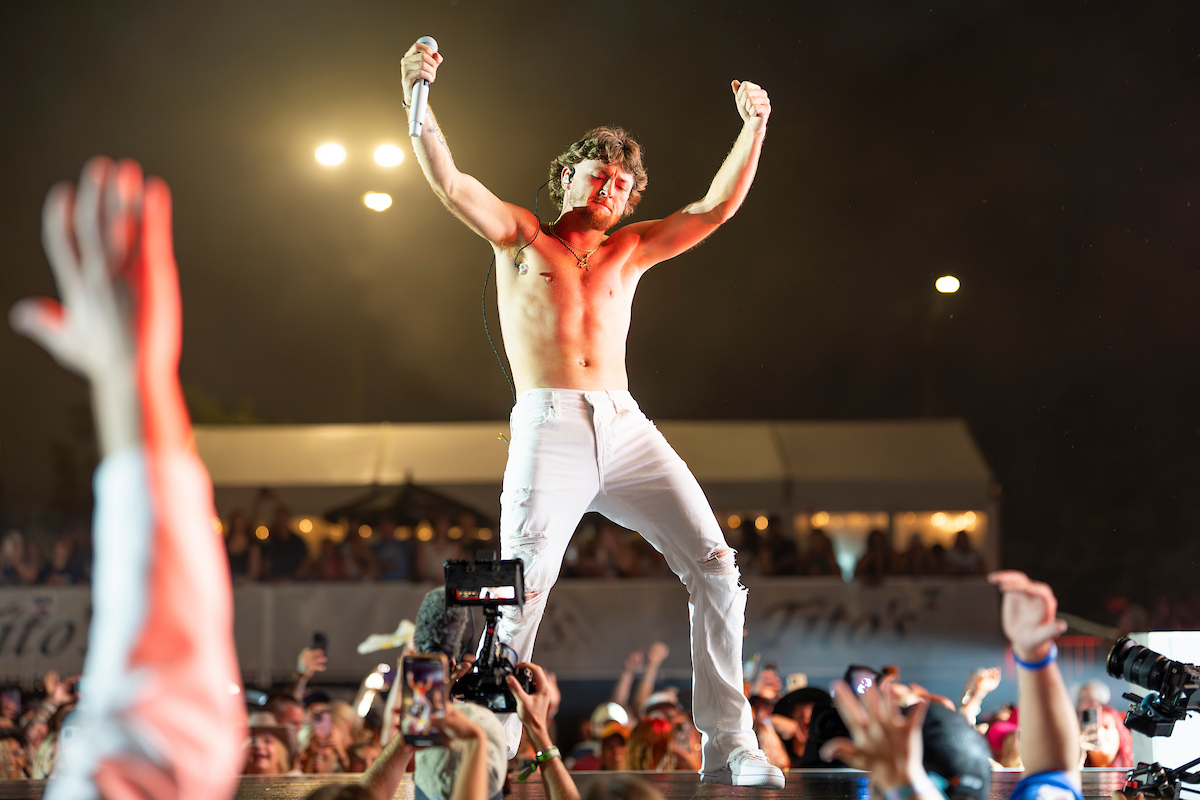
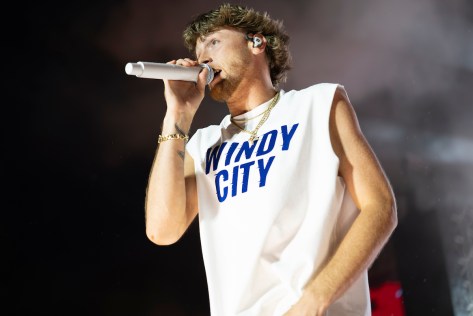
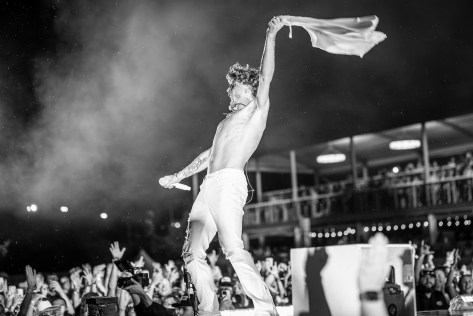
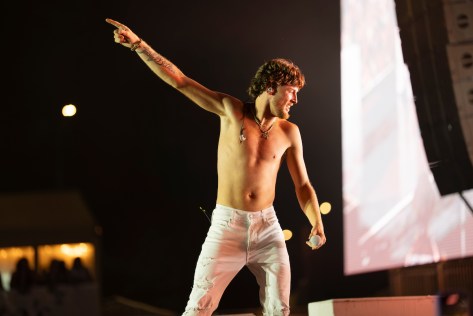
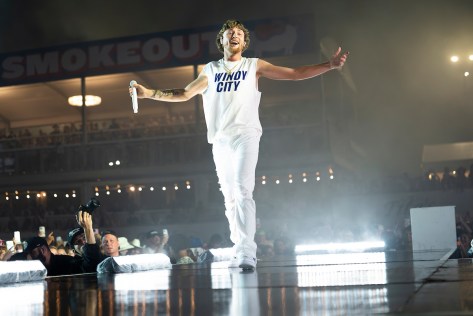
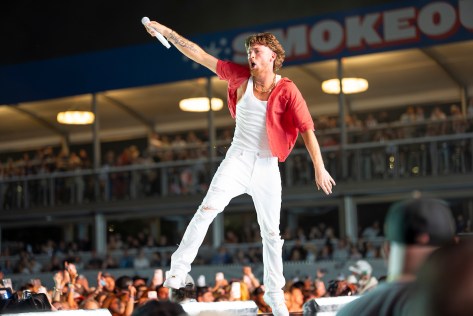
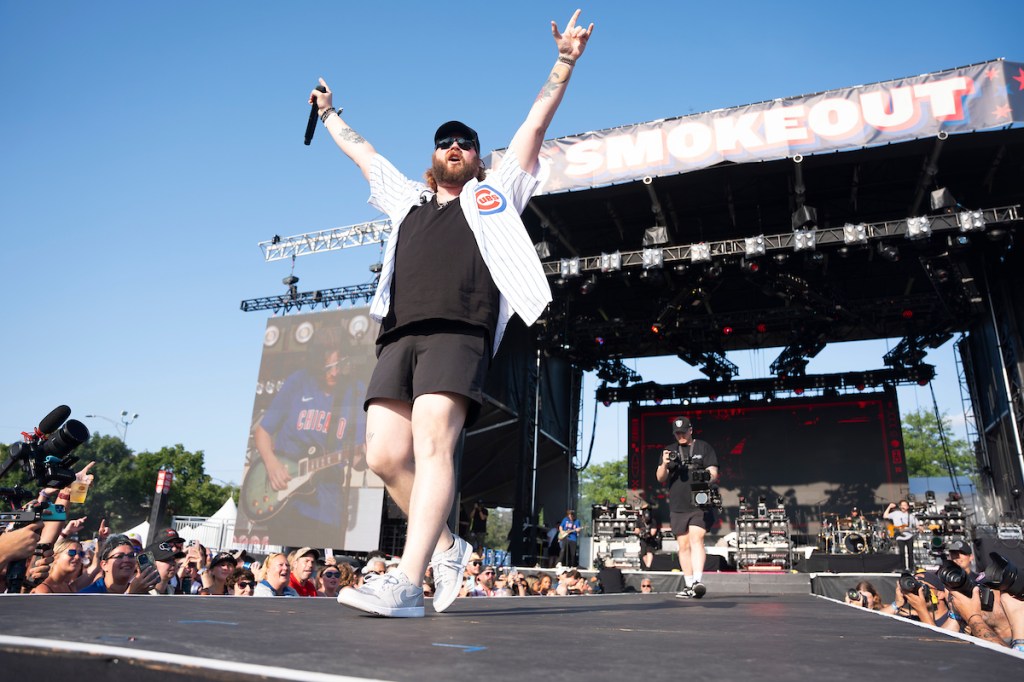
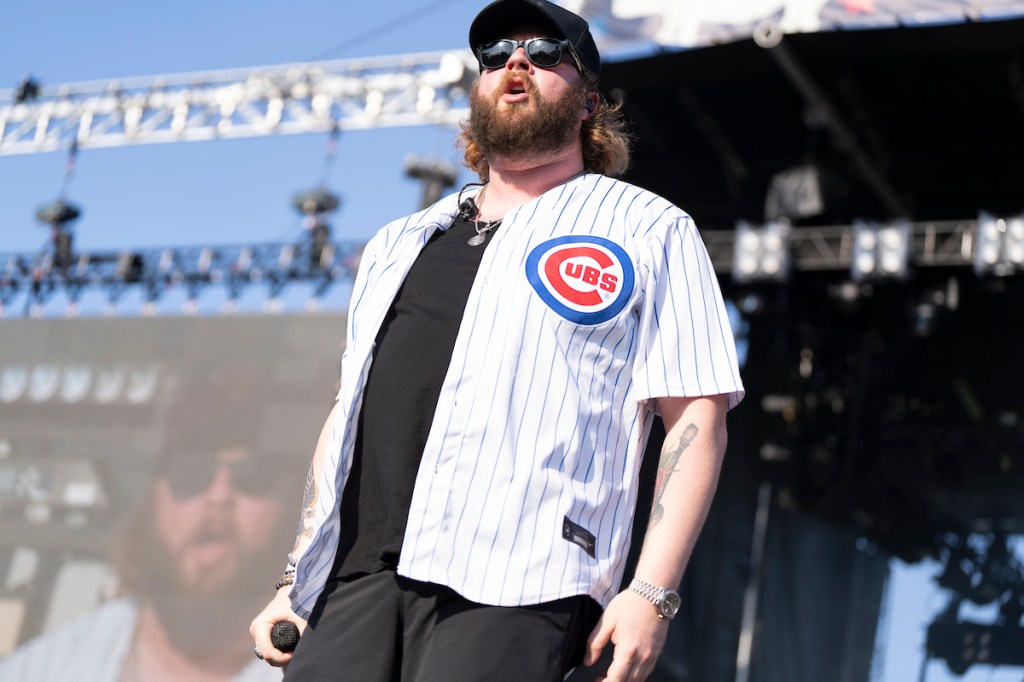
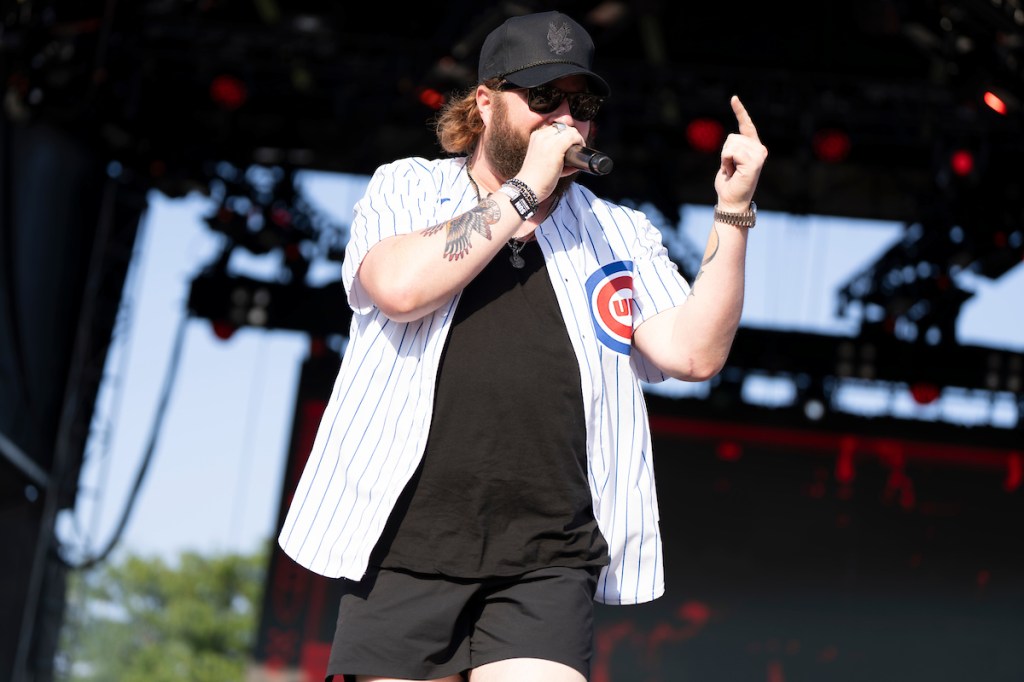
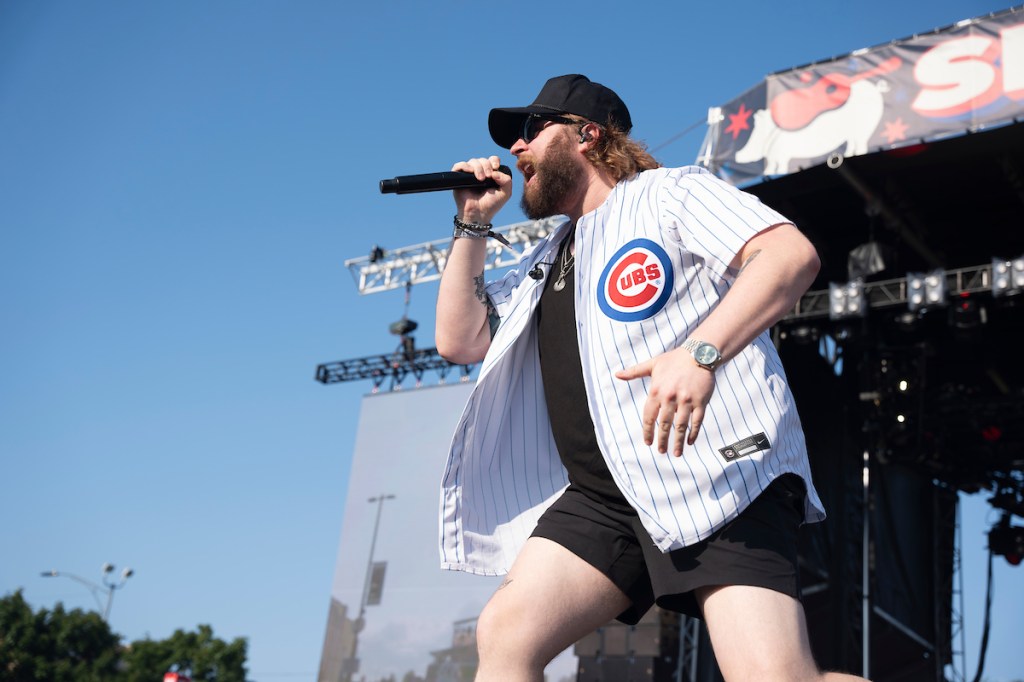
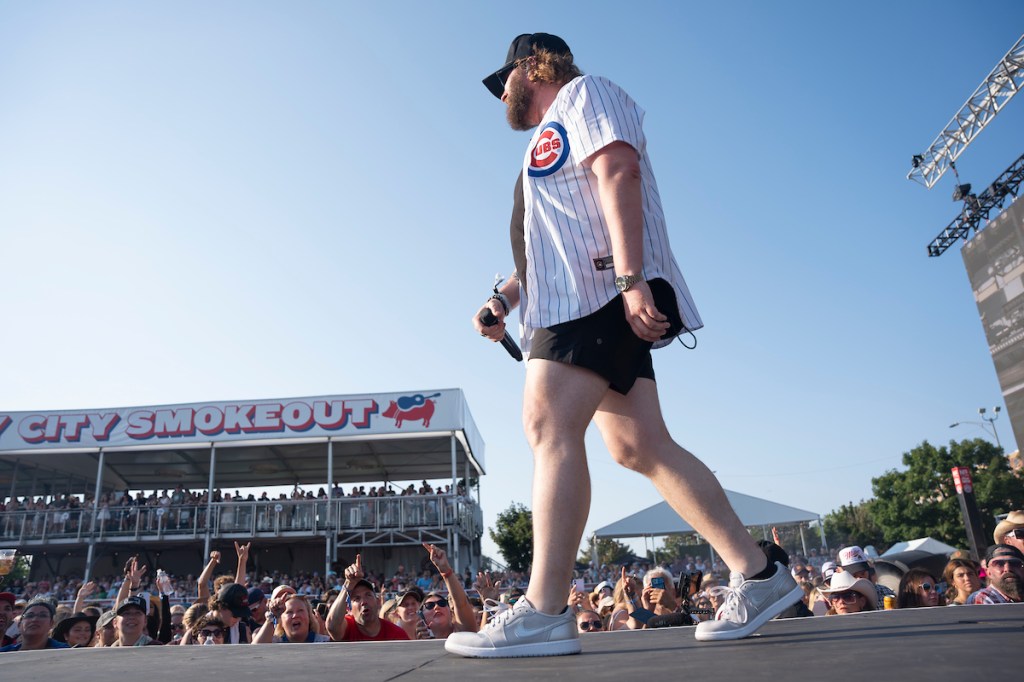
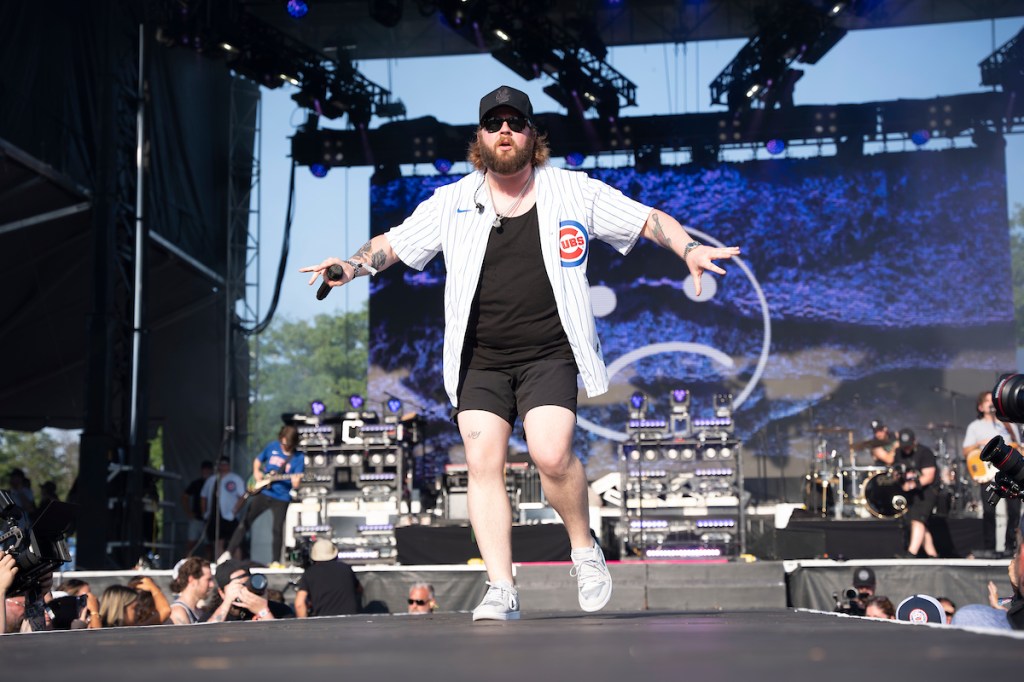
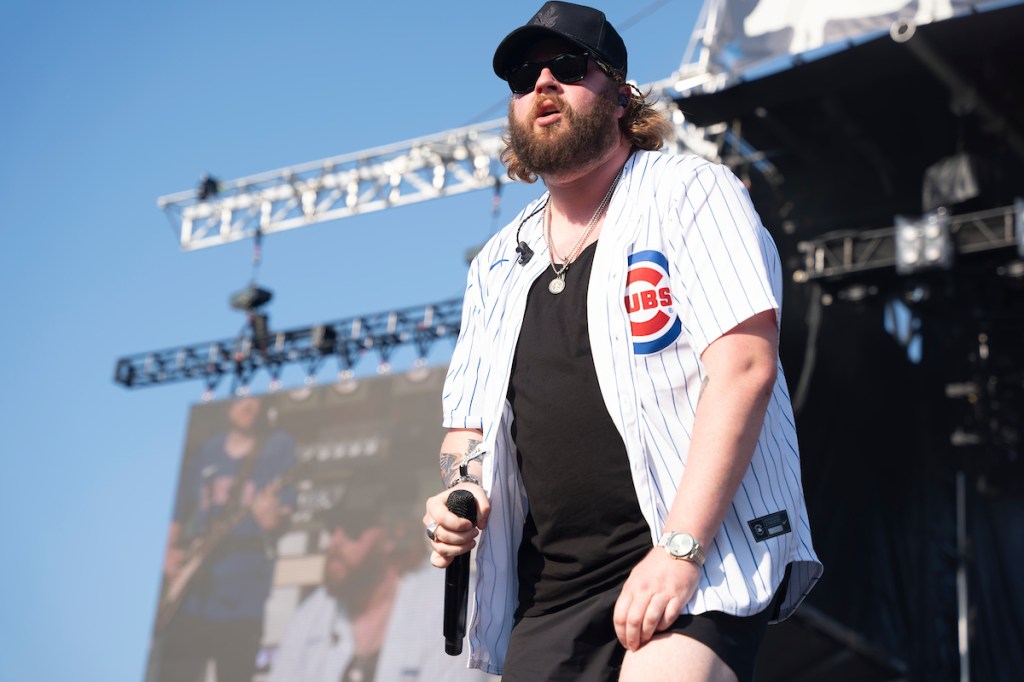
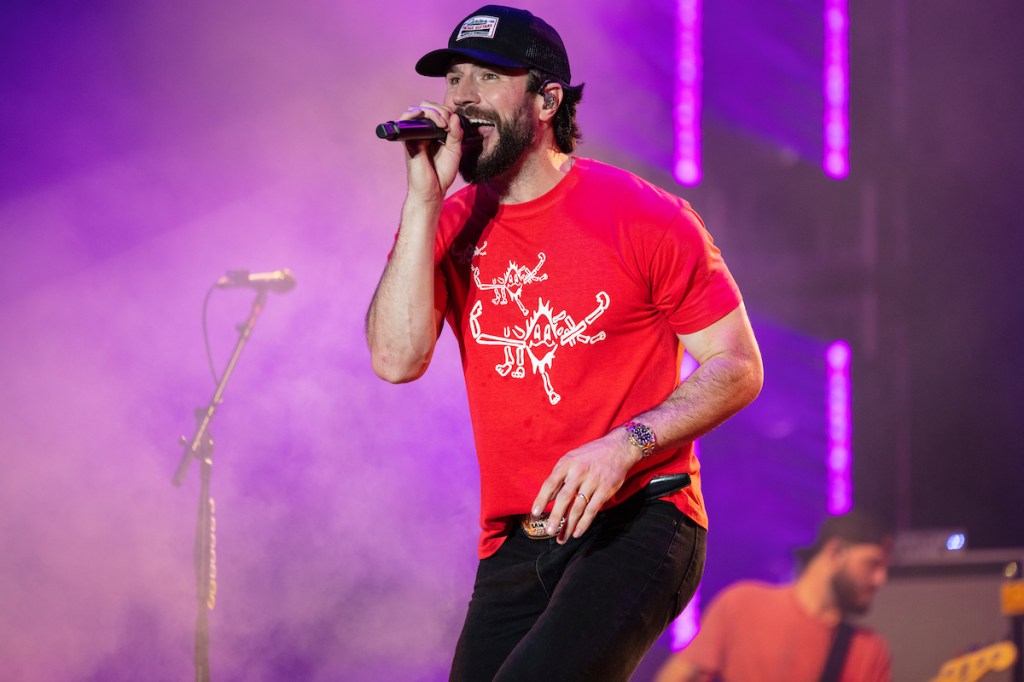
4. Russell Dickerson brought the most relentless energy of the three featured sets

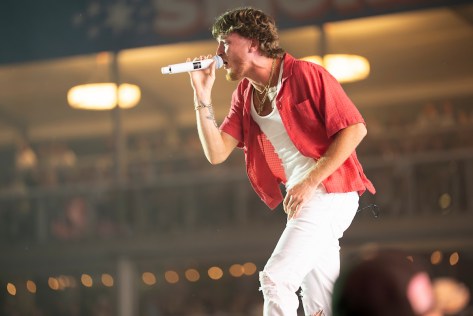
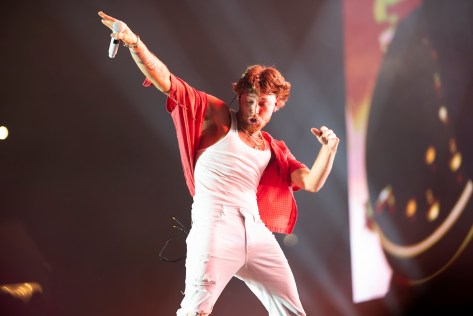
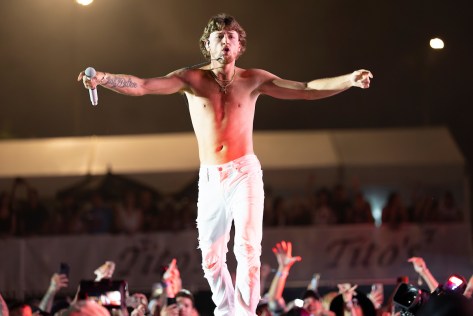
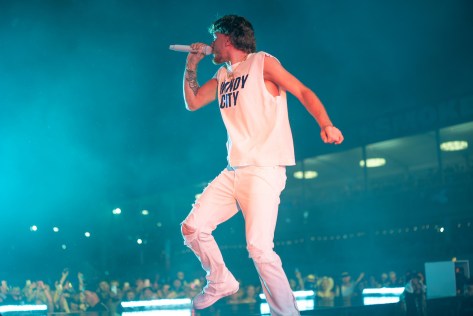
Russell Dickerson does not perform like an artist interested in conserving energy.
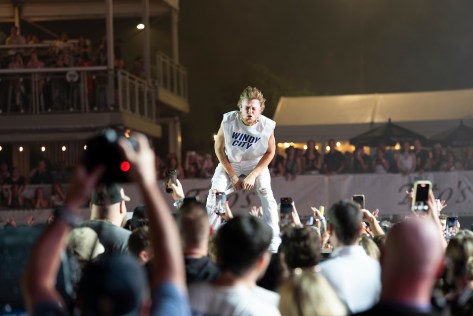
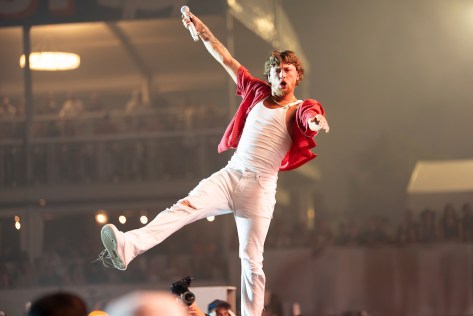
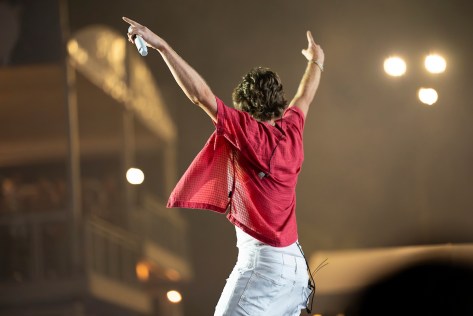
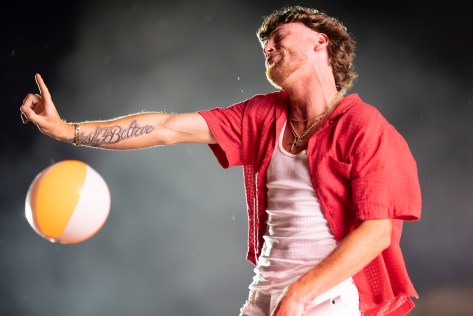
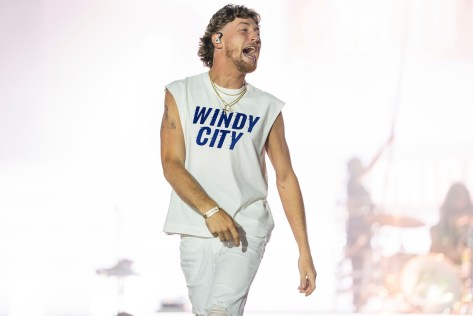
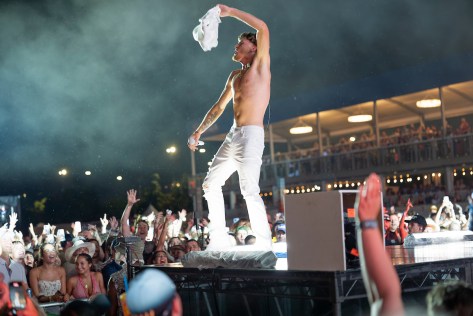
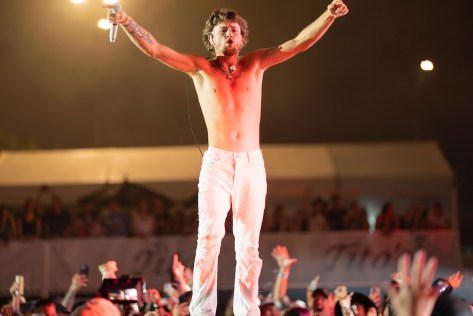
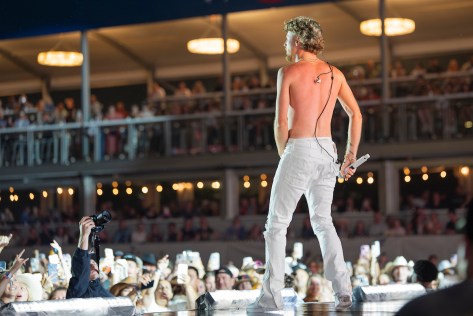
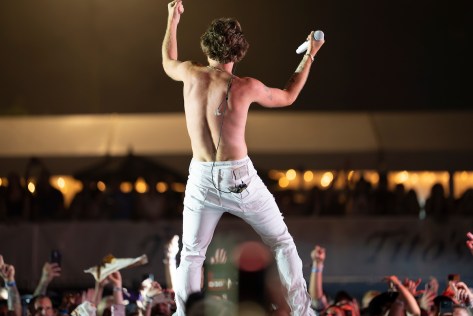
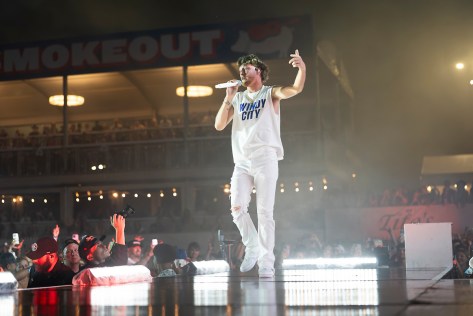
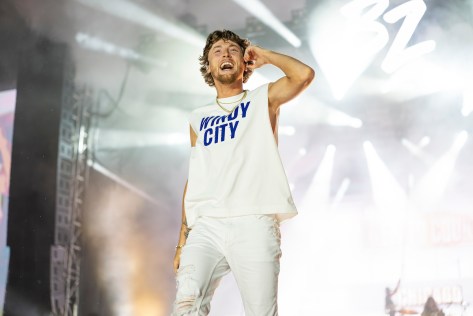
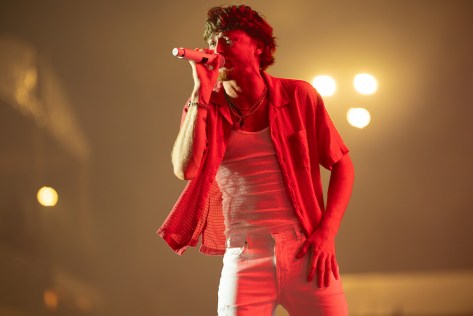
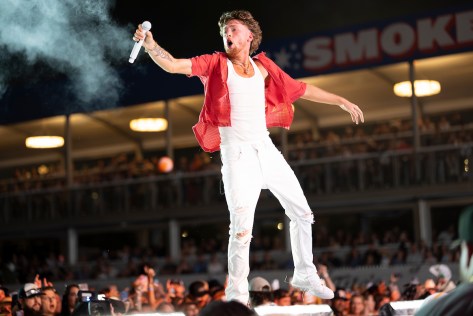
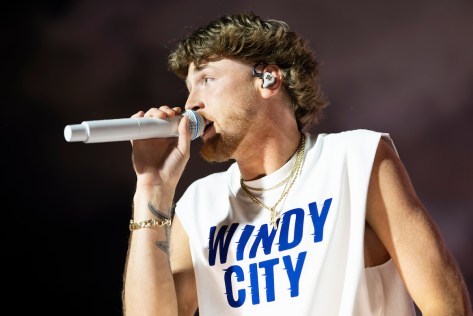
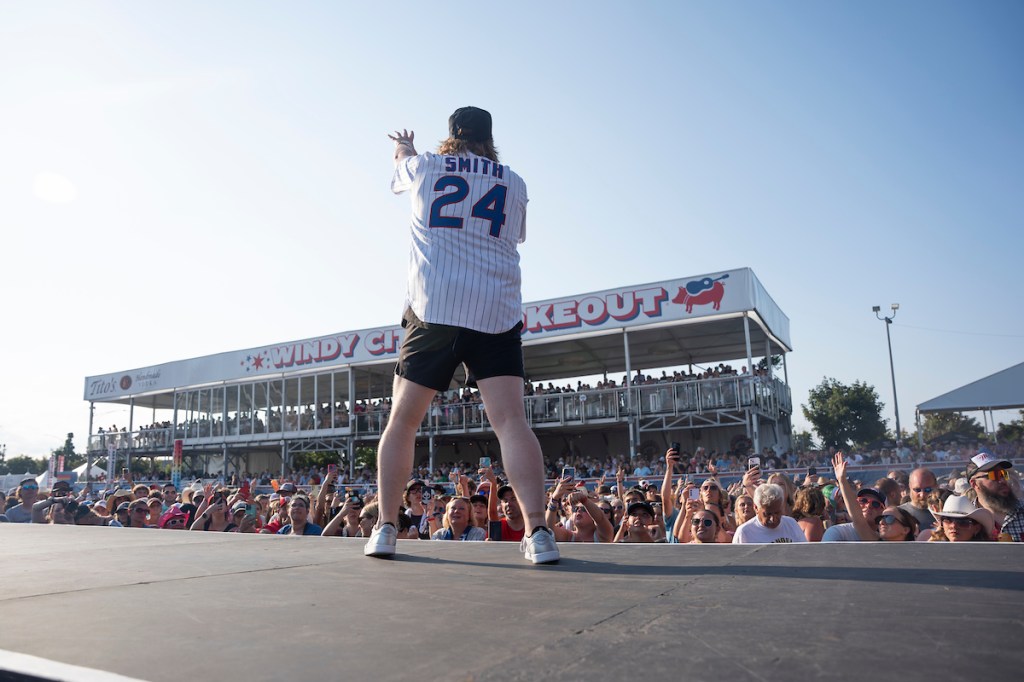
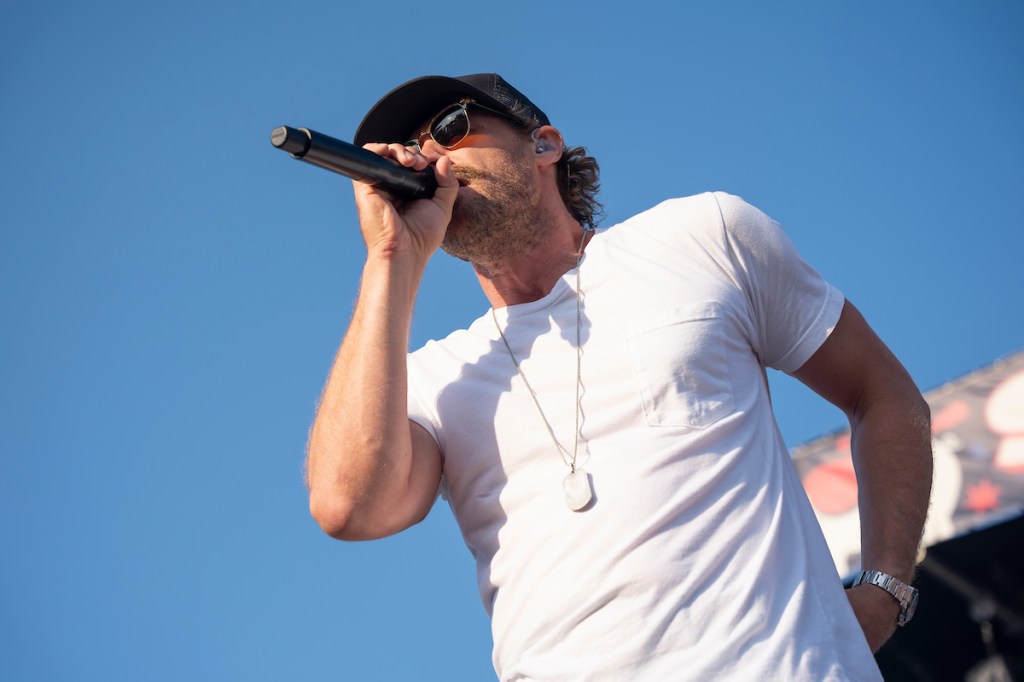
From the moment he arrived, Dickerson treated the stage as a space meant to be covered rather than occupied. He moved constantly, engaged every section of the audience and delivered each chorus as though the evening had already reached its climax.
That approach made him an ideal bridge between Hubbard’s afternoon performance and Davis’ nighttime headlining set.
Dickerson’s songs often combine romantic subject matter with polished, high-energy production, and his stage presence follows the same formula. Even when singing about devotion, marriage or lasting relationships, he rarely allows the performance to become stationary or overly sentimental.
It was country-pop showmanship without apology—and precisely what the middle of Saturday’s lineup needed.
5. “Blue Tacoma” was built for a warm Chicago evening

“Blue Tacoma” has always carried the atmosphere of an open road in the summertime.
Its imagery may be tied to the West Coast, but the feeling transferred easily to a pleasant July evening in Chicago. With the temperature still in the mid-70s around Dickerson’s scheduled performance time, the song found an environment that matched its breezy production and windows-down energy.
It also provided a useful change of pace within Dickerson’s otherwise explosive performance.
Rather than manufacturing another huge festival moment, “Blue Tacoma” allowed the crowd to settle into the evening. It was relaxed without losing momentum, nostalgic without feeling slow and familiar enough to inspire another widespread singalong.
Sometimes the setting elevates the song. At other times, the right song makes the setting feel even better. “Blue Tacoma” managed to accomplish both.
6. Dickerson made the middle of the lineup feel like the beginning of the Saturday-night party
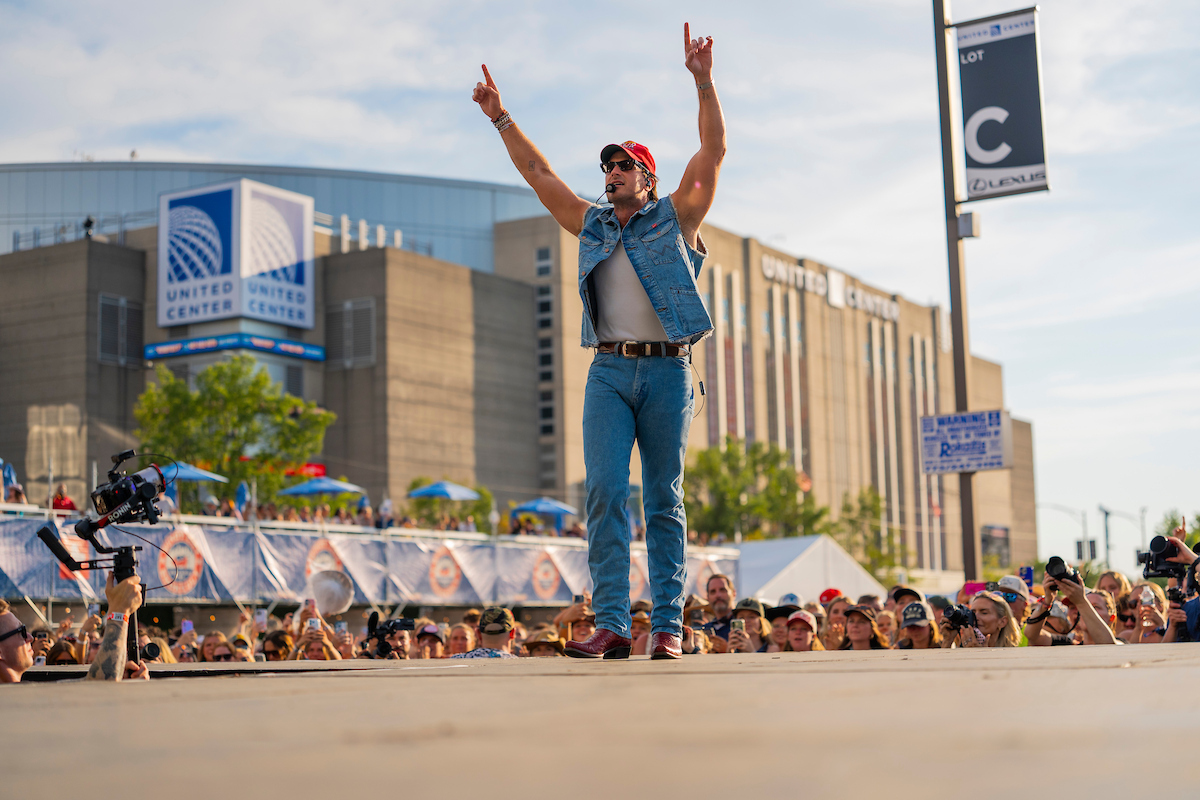
The most difficult festival slot is not always the earliest or the latest.
Sometimes it belongs to the artist performing when the day needs to become the night—when people are arriving from the barbecue lines, finding friends in the crowd and deciding whether they are ready to fully commit to the evening.
Dickerson eliminated that indecision.
By the conclusion of his set, Saturday no longer felt like a collection of individual performances awaiting a headliner. It felt like a party already operating at full speed.
That transformation came from more than tempo. Dickerson’s greatest strength was his ability to make the audience feel involved in the performance rather than positioned in front of it. Every gesture encouraged participation, every familiar chorus became an invitation and every burst of movement reinforced the idea that standing still was not an option.
Jordan Davis would eventually close the night, but Dickerson made sure the celebration started well before Davis stepped onto the stage.
7. Jordan Davis proved that he belonged in the headlining slot
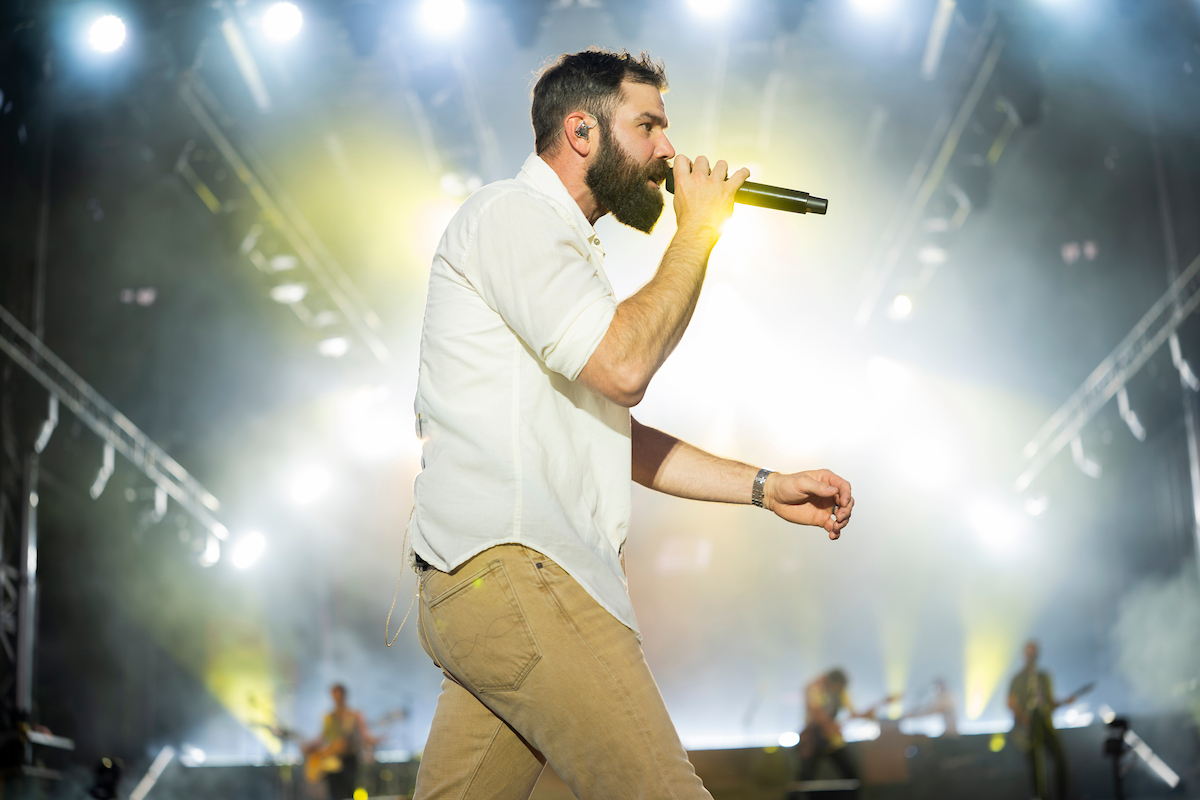
The difference between possessing enough hits to headline and actually commanding a headlining performance can be considerable.
Jordan Davis erased that distinction Saturday.
Davis’ rise has been steady rather than sudden, built through a growing collection of songs that have expanded both his audience and his artistic identity. Earlier hits introduced him as a reliable voice on country radio. Later songs revealed greater depth, more detailed storytelling and a willingness to let quieter emotions occupy enormous spaces.
At Windy City Smokeout, those different phases of his career came together.
The recognizable singles gave Davis the necessary scale, while his relaxed confidence gave the performance authority. He did not approach the slot like someone auditioning to become a festival headliner. He performed like someone who already understood the responsibility.
Saturday was not simply an opportunity for Davis to occupy the largest name on the daily lineup. It was evidence that his career has grown to fit it.
8. “Buy Dirt” created one of Saturday’s biggest communal singalongs
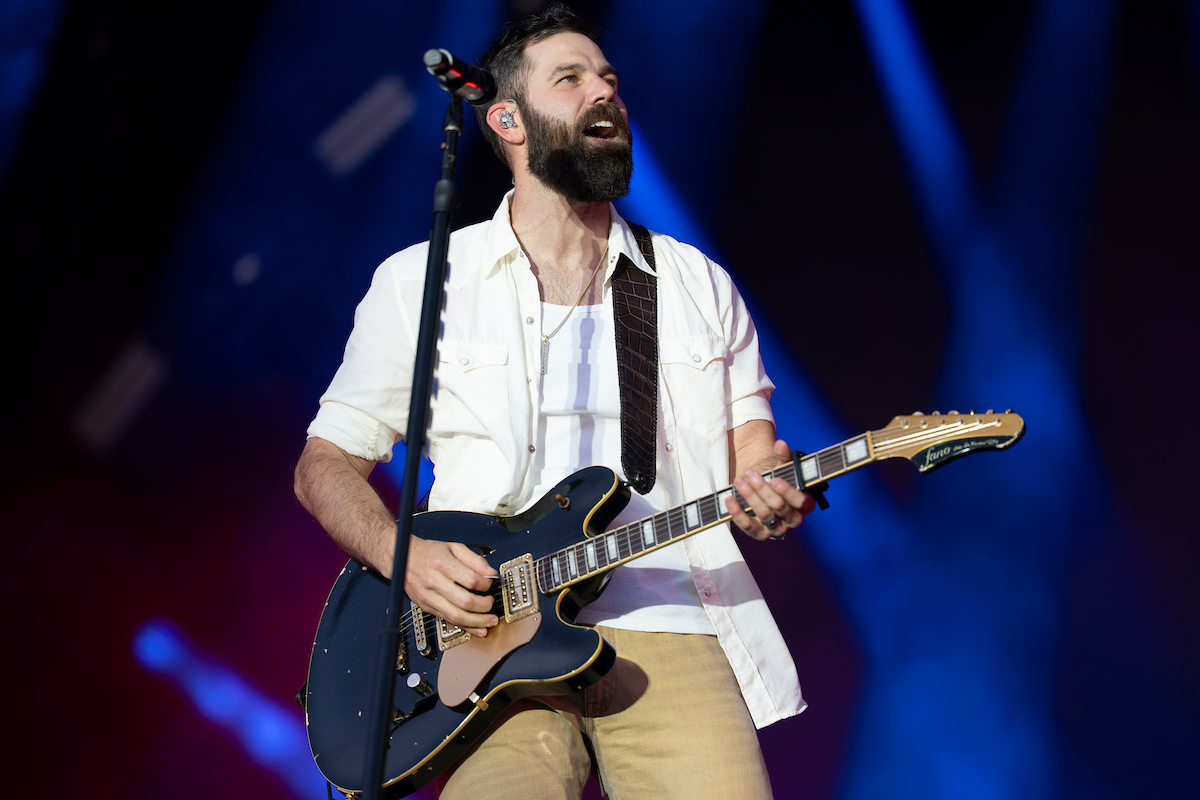
“Buy Dirt” is not constructed like a conventional festival anthem.
It does not rely on pounding production, a party-centered premise or a chorus designed around the easiest possible phrase. Instead, the song asks listeners to think about family, faith, love, time and the type of life they hope to build.
Yet those qualities are exactly what made it feel so large at Windy City Smokeout.
The crowd did not merely recognize the words. Fans sang them with the conviction of people who had attached their own memories and priorities to the song. What began as Davis’ meditation on a meaningful life became a shared statement stretching across the festival grounds.
Its impact also demonstrated why Davis has become such an effective headliner. He can produce a massive response without demanding that every moment become louder than the one before it.
Sometimes the most powerful point in a festival performance comes when the audience is not shouting at the artist, but singing alongside him.
9. Davis’ conversational delivery made the festival grounds feel smaller
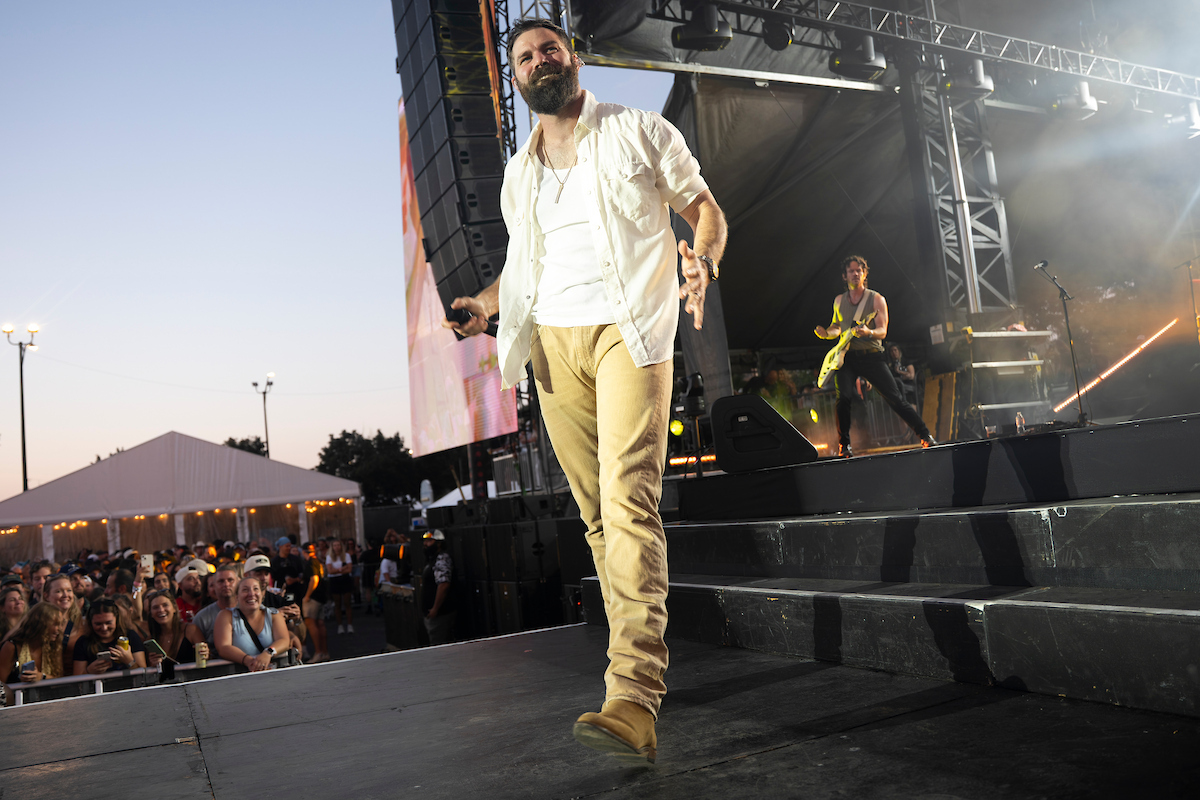
Jordan Davis’ songs often succeed because they sound like stories being shared rather than statements being delivered.
He carried that quality into his performance.
Even while addressing one of the largest crowds of the day, Davis maintained the ease of someone talking across a table or from the opposite side of a campfire. That conversational presence helped connect songs about relationships, families and everyday decisions to an audience spread across a massive outdoor space.
It also provided an effective contrast to the artist who preceded him.
Dickerson reached the crowd through constant movement and unmistakable physical energy. Davis pulled listeners closer by appearing comfortable enough not to force every interaction. His pauses, stories and unhurried delivery gave the performance breathing room.
Windy City Smokeout may have taken place in the shadow of the United Center, but Davis repeatedly made the grounds feel far more intimate.
10. The three-artist run captured three different sides of mainstream country
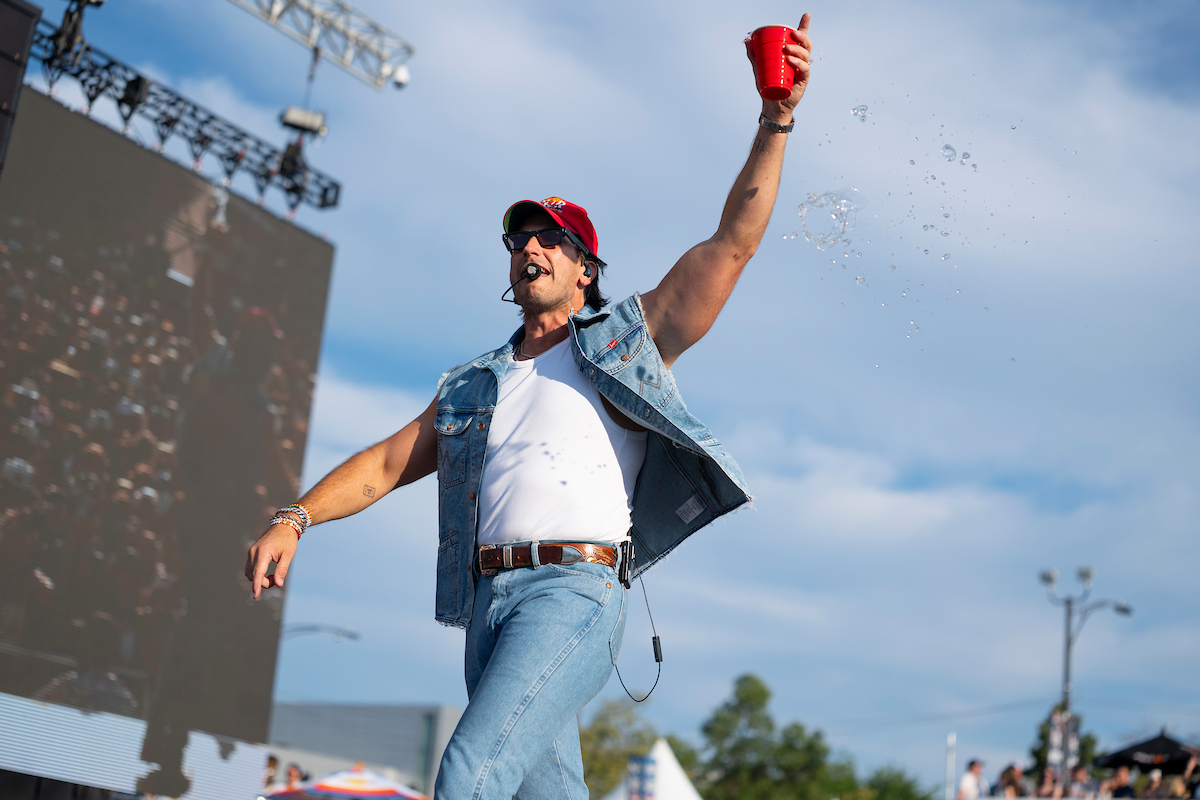
Saturday’s featured lineup worked because Tyler Hubbard, Russell Dickerson and Jordan Davis were similar enough to share an audience but different enough to avoid redundancy.
Hubbard represented the connection between modern country’s recent past and its current direction. His set combined the Florida Georgia Line songs that helped define an era with solo material proving that he has established a viable second act.
Dickerson supplied pure showmanship. His romantic songs arrived with pop-country polish, relentless movement and the energy necessary to push the festival from the afternoon into Saturday night.
Davis completed the progression with a performance rooted in storytelling. His headlining set demonstrated that thoughtful songs about ordinary lives can still create extraordinary festival moments when enough people recognize themselves within them.
Three artists. Three approaches. One remarkably cohesive stretch of country music.
Windy City Smokeout still had another full day remaining, but Hubbard, Dickerson and Davis made certain that Saturday would be difficult to top.









































 The Early Registration