“I’ll tell you another story here because, you know, well what the fuck about it” from the song ‘Cry Me A River Williamsburg Sleeve Tattoo Blues’aptly describes Sun Kil Moon’s newest album, Universal Themes. It’s a series of stories that many would normally not care about, but for some reason thanks to Mark Kozelek’s (who goes under Sun Kil Moon in this solo project) keen writing ability, you do care. From songs about finding a possum attacked by a cat, being apart of a film in a foreign country, to his thoughts while walking in New Orleans with his girlfriend, Kozelek makes the ordinary into something just slightly more than that.
The Truth,a new four-track EP from singer Mike Posner, is described by the man himself as “four songs selected from my upcoming album. They are best listened to the way they were written: at night, and alone. I hope you enjoy.” Well it is 12:45 AM in Chicago, and I’m laying in bed with just my laptop, while the four records play on repeat. And that’s the truth. Taking Mike’s advice, and even if you don’t, The Truth, is an amazing introduction to Mike Posner’s sophomore album, a sophomore album that fans have been waiting for (and for many years). And if this is your first introduction to Posner, or if you want a reminder, Mike Posner is a singer from Detroit, whose solid fan base (which he built from rap-influence pop mixtapes, made during his time at Duke University) help launch his first big hit, ‘Cooler Than Me’, the summer anthem of 2010. After a long solo hiatus, producing hits for artists like Justin Bieber, scraping a number of sophomore album attempts, and his first number one record (with Maroon 5’s ‘Sugar’), we now are finally on the verge of “the new Mike Posner” with The Truth.
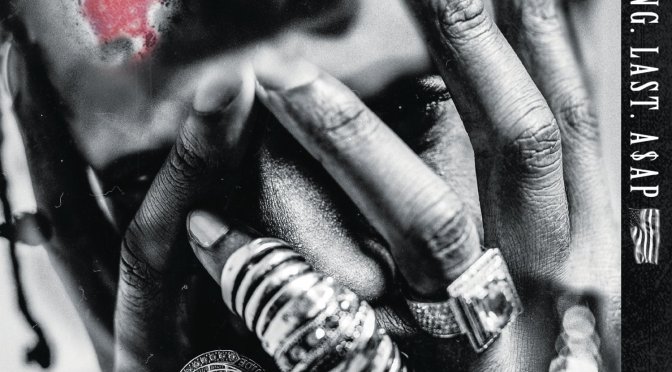
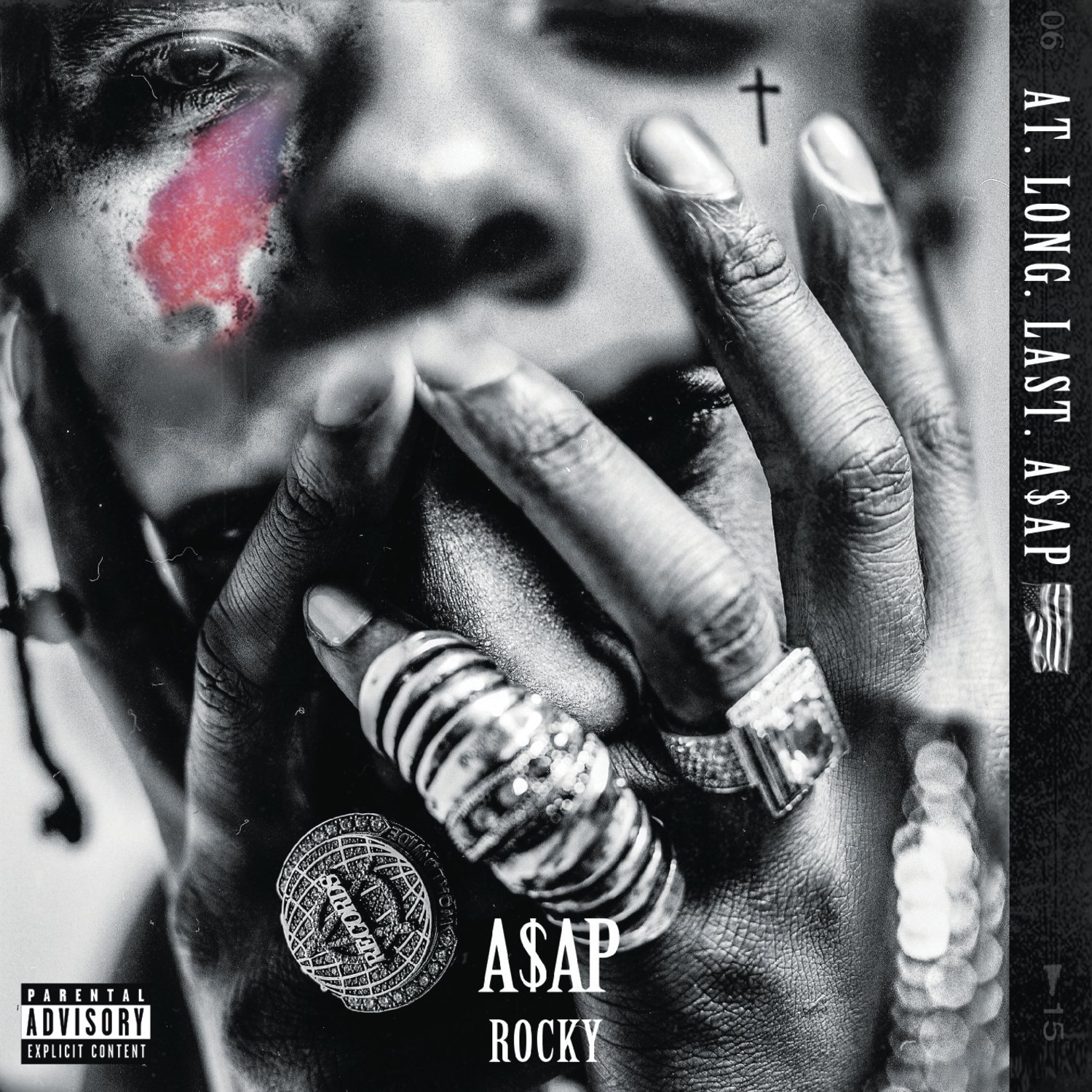
2015 has been a year filled many top artists dropping albums. We’ve had Kendrick, Drake, and Tyler to name a few. One of the leaders of the new school, A$AP Rocky has been one of the most interesting figures in rap culture throughout this decade. Coming up around the time of the Beast Coast movement, Flacko has grown to have the largest fanbase of his fellow new school New York artists thanks to songs like ‘Peso’ and ‘Fucking Problem’. As an artist Rocky has come a long way from his first L.L.A mixtape, and this album is no exception. With just the right amount of fashion brags and wavy beats, At.Long.Last.A$AP proves to be a great album that will surely be in consideration for album of the year.
Snoop Lion? Snoopzilla? It’s been a weird era for one of the West-Coast’s finest after striking out with innovation and rebirths over and over again. Reincarnation was strangely an off-putting attempt at reggae and dancehall, and 7 Days of Funk stood as a solid attempt that suffered from being too disjointed and shallow to really resonate with fans. After a few confusing years of rebranding and name changes for one of hip-hop’s biggest living legends, Snoop Dogg returns with the old name, a new feel, and a familiar friend with the entirely Pharrell produced album, BUSH.
The album is as playful and airy as the title suggests, a title that, as legend has it, Pharrell Williams pitched while suffering from multiple contact-highs from being in the studio with Snoop. Nonetheless, BUSH is not a lazy and hazy stoner album or a psychedelic swell of music—instead, it is an uptempo journey into Pharrell’s brilliant resurrection of funk with his signature cues and crisp, synthetic production. Snoop himself finds pockets where he can flow with beautiful melody often times backed by album regular Charlie Wilson and also rarer guests like Stevie Wonder or Gwen Stefani.
The album opens with the eclectic, foreign fusion that is California Roll. Snoop dances through the chords and a backing harmonica courtesy of Stevie himself, with dropping 808s and a feisty clav not too far away. Pharrell cuts through the song with a beautiful, familiar pitch, singing “Baby you can be a movie star/Get yourself a medical card, yeah” with a perfect delivery that simply melts every single time. Snoop ditches a gangsta bravado to become a more charming, poised and romantic version of himself being as smooth as ever. A similar pace is maintained on the groovy “R U A Freak”, where Snoop finds an almost identical pocket at a faster tempo, with swelling synths and groove guitars that seem borrowed from the last Daft Punk album. (Disclaimer: hilariously silly lines like “She’s DTF cause she’s down-to-feel” and “Are you a freak, or what?/I’m just a squirrel trying to get a nut” will definitely have you shaking your head.)
The first half of the record is dipped in familiarity for Pharrell, with a newness that isn’t too far removed from his past works. Bass-lines through a lot of it sound akin to those used with JT on Justified while songs like “Awake” sound influenced from “Fly Or Die” era N.E.R.D. beats. As the album jives on, though, tracks like “So Many Pros” and “Peaches N Cream” find Pharrell charting into newer, fresher territories. “So Many Pros” finds Snoop singing with more swagger and more of a stiff lip, while “Peaches N Cream” sees a more party-vibe with singing and some throwback bars that’ll have you two-stepping in no time at all.
“Run Away” with Gwen Stefani is a memorable back-and-forth between the two frequent Pharrell collaborators, with a throwback vibe and that signature Neptunes breathing-percussion used so frequently in the 2000s. The chorus here is chanted at usual Gwen-volumes before cascading into a sweeter melody as the two sing in unison. There’s a lot of singing and melody from Snoop on this album, but it doesn’t sound unnatural or forced. Snoop sounds in pocket and silky smooth as ever, and even though the singing isn’t always in key or on beat, it’s all makes more sense when you envision the cloud of smoke he’s probably singing through. “Im Ya Dogg” finds Snoop gliding through melody with some help again from Uncle Charlie, as he leaves the rapping to Rick Ross and Kendrick Lamar on the album’s outro. The MMG Boss brings a familiar vibe of excess and extravagance, while Kendrick punches in with a stop-and-start flow that’s equally frantic and romantic.
What else did we expect? It seems as though Snoop has finally found the alley-oop to propel him back on the right side of innovation and pop-relevance from Skateboard P himself. After all, these are the guys that brought us such treasures like “Beautiful”, “That Girl” and of course, “Drop It Like It’s Hot”, and while this record doesn’t have power-singles or very memorable rap moments, it’s an album with a consistent groove that just has an intangible sweetness to it. Sure, BUSH has imperfections that can be nitpicked and doesn’t have the most gripping vocal contributions from the album’s main artist, but the bottom line is the album is produced instrumentally and vocally to perfection, making it not only a memorable listen, but a listen that just feels gooooood.
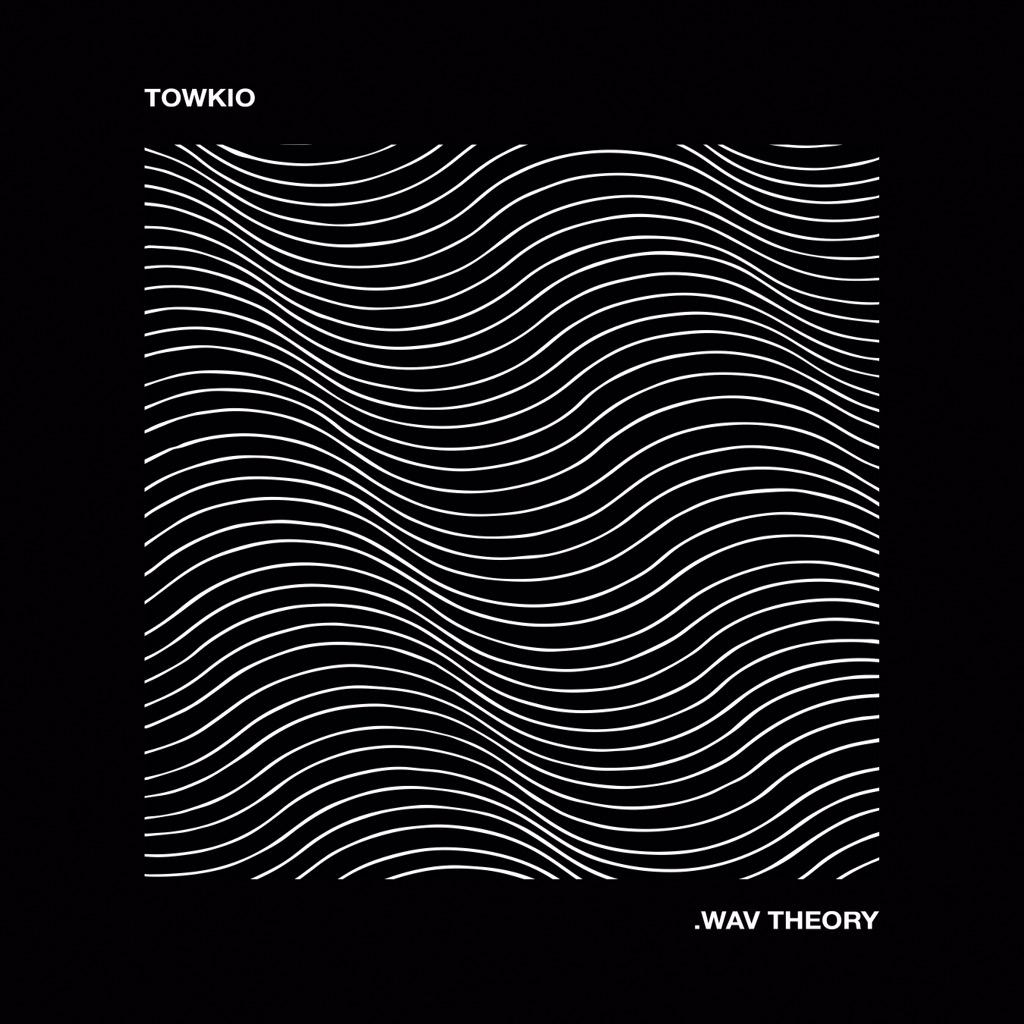
Playing second fiddle is not a foreign concept to Chicago-artist Towkio. Being one of the afterthought members of the SaveMoney collective, his artistic sightlines have often been obstructed by the success of those in front of him. After a wave of intriguing, bouncy and melodic singles, Towkio seeks to step ahead of the shadows of his peers by carving out his own identity with his latest release, .Wav Theory.
Being in a poppin’ clique has it’s perks, of course, and it shows when the likes of Vic Mensa, Chance the Rapper, Donnie Trumpet, Joey Purp, and the Leather Corduroys assemble on your project to help out. With collaboration after collaboration, Towkio does an excellent job of maintaining his own twists on his guests’ brands and content, with his own funky production and charisma. The bright and shining single “Heaven Only Knows” featuring some spirited bars from Chance is exciting and bubbly, as the verses build and build towards a joyful, choir-propelled chorus. Not only does the beat alone warrant smiles and reckless jukes, but the verses from both men involved are sharp and exciting. Towkio is as poised and even ignorant as ever, with lines like “My girl trippin’, say I treat her like a groupie/But I never took a groupie out to eat”, while Chance responds with a more enlightening perspective, describing his ambition to start non-profit organizations and his father being proud of him among other things. Aww.
“Involved” is a different vibe altogether, a smooth-slapper that skips along with more clever raps and a modern, chill-wave influence. Vic Mensa shows up to croon and introduce the anthemic refrain towards the end of the song. “Free Your Mind” is more of a retro groove, equipped with a groove-guitar riff and Donnie Trumpet’s signature horn spurts on the chorus. We could do without the lacklustre use of the vocoder, but what sticks out even more is the uninspired content. The truth is, as groovy and vibe-y as this project is, it makes for wasy listening but glides by without Towkio really saying anything. The production might be fresh and entertaining, but whenever you tune into Towkio’s lyrical ability, if you’re looking for anything past tweet-able punchlines and infectious choruses, you’ll be less than thrilled.
With that being said, there are still a few moments on .Wav Theory where Towkio comes across at least a little inspired. “Reflection” offers an emotional performance describing a cocaine addiction, playing on the fact that cocaine use in the bathroom often involves seeing your own reflection, suggesting a cold reminder and a wake up call of sorts. It might not be the most original idea for a track, but it’s still heartfelt and poignant. The intro, “.Wav Theory” is wrapped in a similar duality, with a schizophrenic, moody, downtempo beat and poetic lyrics delivered with layered vocals that grow and expand as it swells on. In terms of song-structure, it’s probably the most unconventional and impressive on the project.
Still, lyrics continue to entertain at some points on the project even without Towkio. The Leather Corduroys assisted “God In Me” might have a terribly underwhelming chorus, but the guest verses on this cut through with finesse and the delivery is extra sour. Chance’s minimal vocal contribution on “Clean Up” is still effective, as his charismatic ad-libs and lively views on turning up always entertain.
.Wav Theory is a solid project, from front to back. Nothing about it is terrible, but nothing about it is very profound or refreshing either. The production is entertaining and anthemic, the choruses are huge, and the guest verses are consistently great, but Towkio on his own offers little insight to his character away from the SaveMoney brand, and doesn’t do enough to set him apart from the greatly talented guys around him. It’s definitely not the “hottest tape of 2015” like Chance the Rapper envisioned on the single, but it’s fresh enough to keep us interested.
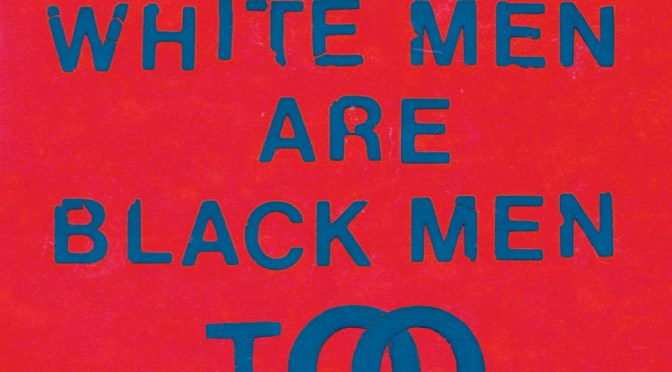
With White Men Are Black Men Too, Young Fathers have followed their polished and critically acclaimed debut album, Dead, by making a gritty, lo-fi, soul-pop album that contemplates societal ills and spirituality as much as it explores musically.
Young Fathers haveinsisted that this is a pop album, and it is. It’s more melodic than their previous releases, but that doesn’t make the it any less uncompromising, uncomfortable, and unsettling. White Men Are Black Men Too is an exercise in propulsive, harsh instrumentation juxtaposed with soulful chorales and infectious call-and-response. Young Fathers sustain an urgency throughout the album, most indebted to its pulsing percussiveness: staccato organ stabs and clacking drums. It’s the moments of calm, however, like ‘Sirens’, ‘Get Started’, and ‘Nest’, that accentuate this urgency. ‘Dare Me’ plays with this calm-abrasive juxtaposition to great effect: tender crooning turns sinister, the legato “Dare Me” into a piercing “Fire!”, a thin organ into a dark, dense synth, and back again. They have no qualms about playing with song structure or convention either (several songs, including ‘Dare Me’, end abruptly), an enduring characteristic of their catalogue. The lo-fi quality, also characteristic of their early work, compresses the layered production and emphasizes the vocalist(s). It’d be fairly easy to make a mess of these raw materials, but the band members’ synergy keeps this musical variation dynamic rather than disjointed, consorted rather than cacophonous. They build songs like lead single ‘Rain or Shine’ into an encompassing barrage that mirrors the repetitive nature of a lot of pop music without sounding as contrived.
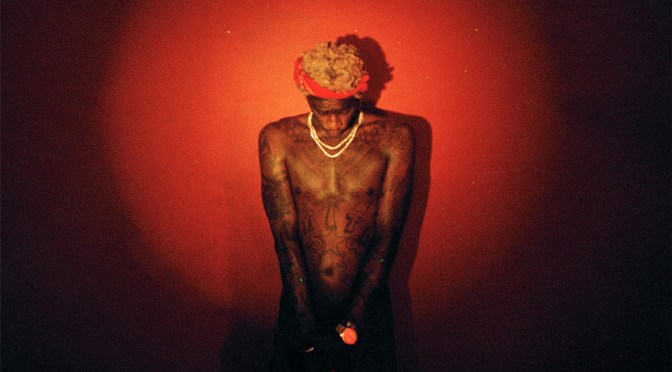
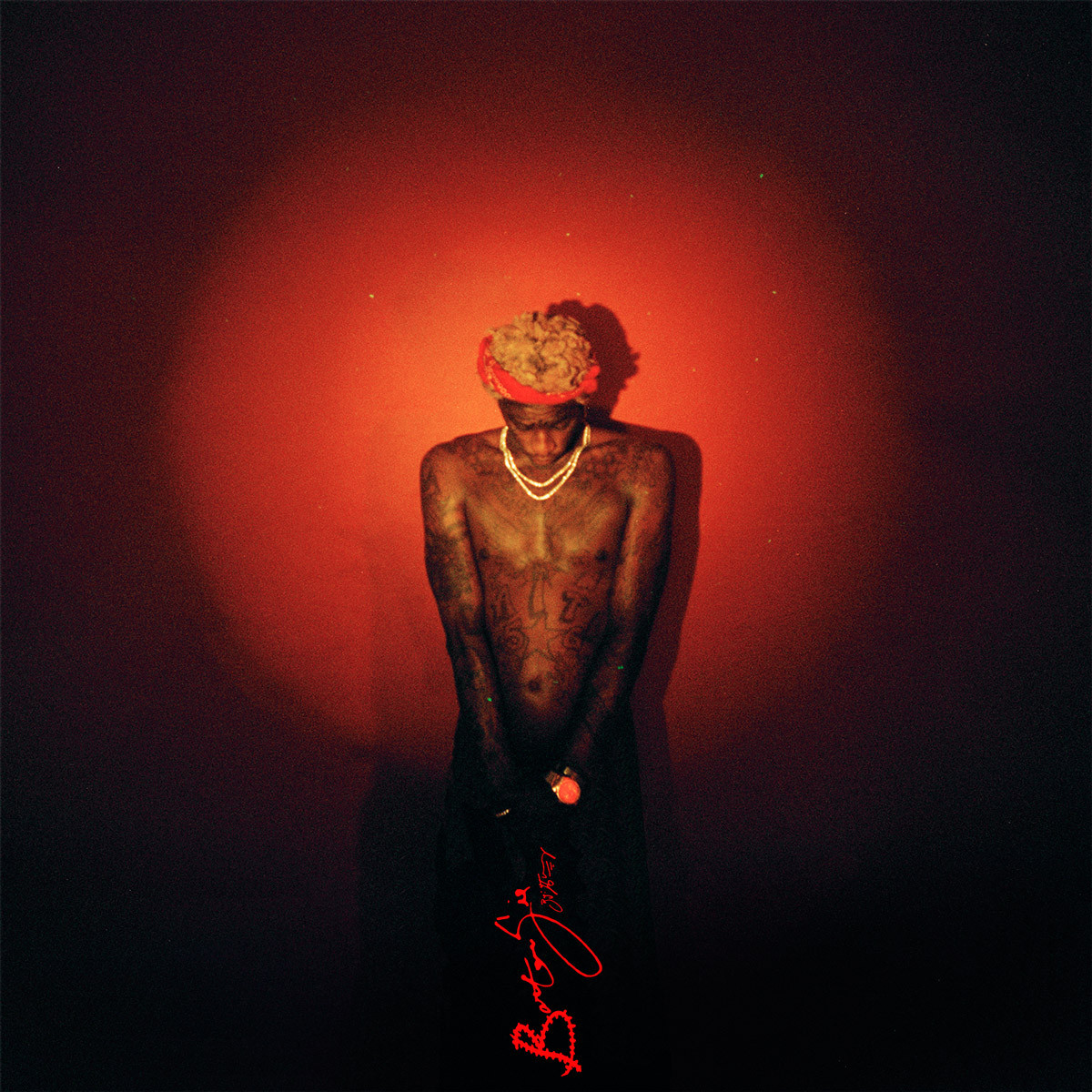
The similarities between rappers Young Thug and Lil Wayne are uncanny. Not only have I found myself asking “Wait, is this Weezy or Thugger?” during a song (see Travis Scott’s ‘Mamacita’), but the two both had their careers launched by their strong relationships with Cash Money Records and it’s co-founder Birdman. Also, both rappers are a little “odd” (for lack of better words), and while Lil Wayne cemented his legacy with Tha Carter albums, Birdman’s plan was for Young Thug to take the torch from Wayne (without Lil Wayne’s consent) and record the next series of Carter albums. Somewhere along the line though, perhaps because of the estranged (and currently litigated) relationship between Lil Wayne and Cash Money/Birdman, the plan changed and instead of releasing an official Carter album, Birdman’s new protégé has released the similarly titled Barter 6 project (which is actually a mixtape and not Young Thug’s debut LP).
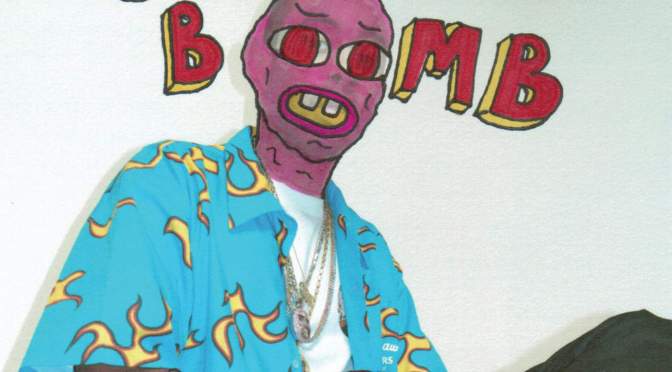
Over the years, my relationship with Tyler, the Creator and Odd Future, the collective he helms, has become strained. I’ve simply grown out of them thanks to a large number of back-to-back mediocre projects and lack of progression. However, while I may not be a big fan of the other members of the group, I still have hope in Tyler and Frank Ocean. After his last album, Wolf, I was extremely impressed with the progression he made in his production and rapping, which made me excited to see if he would further hone his crafts on Cherry Bomb, his new album. Well, let’s just say he honed one craft and let one sit at the wayside.
The main progression Tyler made on this new album is obviously the production. Pulling from a number of jazz, funk, rock, and R&B influences, along with artists like the Neptunes and Death Grips, Tyler puts together his most diverse set of production yet. We see Tyler pull out punk-rock guitars from Black Lips’ Cole Alexander on ‘DEATHCAMP,’ noisey and distorted production on ‘CHERRY BOMB’ inspired by Death Grips, lush production on ‘FUCKING YOUNG / PERFECT’ inspired by the Neptunes, and jazz on ‘FIND YOUR WINGS’, which featured legendary jazz, funk, and soul producer Roy Ayers.
If it isn’t broke, don’t fix it. Often times in the music realm, consistency is synonymous with relevance and even success. If there was one emcee out today who embodied and personified the previous statement, it would likely be New Orleans artist, Curren$y. He has used his time since leaving Cash Money Records to drop a seemingly endless amount of music in the form of EP’s and mixtapes that gained a respectable number of followers, especially resonating with the marijuana indulgent folks out there. To this day, even with the vast array of options, many Curren$y fans and even those not overly fond of his relaxed, comfortable style would say his best work lies within the Pilot Talk album series. In 2010, he released both part one and part two to positive feedback. Now, after five years of continued Spitta releases unrelated to the two-part series, a trilogy reveals itself in the form of Pilot Talk 3.
Toro y Moi was initially written off as a flash in the pan that managed to make the most of the chillwave trend, but each new release from Toro, as well as side project Les Sins, dips into new musical territory and further proves Chaz Bundick’s accomplishment of defining his musical aesthetic by atmosphere rather than production style. After the success of Causers of This, Bundick pivoted to produce the excellent Underneath the Pine, with singles featuring lo-fi funk jams, then again on his Freaking Out EP and follow up LP, Anything in Return, a pop album with Rhodes-like, smooth electronic production. So it came as no surprise that his new album sees Bundick immersing himself in a new genre for Toro y Moi: psych pop. Unfortunately, while What For? maintains his chillout aesthetic, the production isn’t nearly as consistently interesting as his previous efforts, resulting in an average album with great moments.













 The Early Registration