Category Archives: Throwback Thursday

Throwback Thursday Review: The Documentary | The Game

The Documentary
BY EVAN VOGEL

Whether you hate it or love it, The Game’s debut album, The Documentary in 2005 brought the grit and recognition back to West Coast gangster rap. Hip-hop’s landscape was already well under construction by the mid 2000’s. Artists with completely new and previously unheard sounds came into the fray. Perhaps concerned with hip-hop’s recent transgression into the mainstream lighthearted playfulness, The Game’s approach was more primitive and raw. His sound was undeniably aggressive and unapologetic, creating a new sound for the streets – or perhaps simply resurrecting pieces of an old one.

The streets lent themselves to all aspects of Game’s persona. From his voice, which could crack pavement to his lyrical hood life braggadocio, nothing sounds like a false front. The most intriguing of this album for me is the juxtaposition of Game’s gritty street life divulgences and the million dollar sound of the production. At the time, it seemed as though everyone was at Game’s side, made evident by the album’s final production credits. Seven productions from Compton godfather, Dr. Dre only to be accompanied by cuts from Kanye West, Timbaland, Just Blaze and Eminem helped to diversify our cohesive view of Compton through the eyes of one of its loneliest sons.

The music traversed a smorgasbord of traditional and more current hip-hop sounds. From the classic g-funk laden synths of “Higher” to the pulsing eclectic rhythm of Timbaland’s handiwork on “Put You On The Game”. Needless to say, there were lots of heads for The Game to impress. And impress he did. He didn’t use intricate lyrical or rhythmic patterns to dazzle, but instead let gangster vernacular fly off the hinges, forming a white-chalk outline of his uncertain path.

It’s lines like, “I find out who sprayed and I’m putting you under the pavement. No Buddhist, priest or Catholic path that can save ‘em.” That instill both the fear and fearlessness of the hood within you. It’s darkly beautiful music that more often than not, you’ll either be bobbing your head or jumping up and down on the rooftops to. The song construction is varied but works best when Game sticks to the verses and passes the authority of the choruses off to 50 Cent and Nate Dogg. I don’t know if it was the presence of all the greatness around him or simply a matter of respect but Game name drops people throughout this album like a person trying to fanboy his way to legend status. Shaq, Yao Ming, Dr. Dre, Eminem, Rakim, Lebron, Randy Moss, Biggie, no one is safe. The name drops don’t necessarily detract from the quality of the album due to their clever use as a timeline of how long Game has been rapping, but they do take up precious space that could have been used to tell more compelling stories.

In the end though, we get all that we came for and much, much more. That resurgence of gangster rap with all its incantations and street hardiness being present. Any skeptics of the West-coast’s relevance were quickly reassured of its liveliness thanks to this album, that sonically, is one of, if not the best sounding album since Dr. Dre’s, 2001 in ‘99.  Who would have thought that such a revitalizing project would come from a bunch of the art form’s biggest influences rallying around someone, who was discovered by Dr. Dre. and at the time was an unknown MC from Compton? Not I, but it most definitely did.  

8.6

Throwback Thursday Review: 268-192 | Lyfe

Lyfe-Jennings-268-192-cov
BY EVAN VOGEL

After getting released from a ten year prison sentence for arson, I can’t help but to find it ironic that Lyfe Jennings would go on to set something else on fire. The difference? This time, it was his debut album, Lyfe 268-192 that caught fire from intense amounts of soul and some of the most honestly devout storytelling of the last decade. To even call it an album I feel does this body of work a slight injustice. Lyfe crafted a conversation set to the tune of music.

He assumes the first-person role of character and narrator as he delves into his version of a hustler’s love, or rather lust-turned-love story, ‘Must Be Nice’. Lyfe dismantles the hustler’s lifestyle and reinforces the thought of finding true love the only way a thug can, from experience. This experience-based reflection is where Lyfe separates himself from most. Instead of succumbing to natural R&B tropes he takes the time to really evaluate life and create songs that resist the pull of the mainstream.

The instrumentation is very much from a bygone era of sound. Consisting largely of a combination of guitar and uniquely rhythmic drums. The feeling of realism in consistent in every aspect of the project. Each song ends with an intimate narration that sets the stage for the following song, something like a preface someone would commit to at an alcoholics anonymous meeting. Love is lost and found in any number of ways in Lyfe’s life. He poetically traverses an acoustic guitar and the echoes of soft finger snaps on ‘Hypothetically’, which imagines the ‘what-ifs’ that are present in every relationship. The stresses of the relationship had proved too much for our storyteller as he learns to appreciate life outside a relationship on the funky and upbeat, ‘Smile’.

The gravity of real life problems is discerned on the almost bluesy, ‘Greedy’ which has Lyfe baring his private life and hiding from cops for a reason entirely different than we are used to hearing in music, child support. It is a very one-sided look at a highly complex issue but Lyfe makes it hard to hate him for dodging his bills after he explains the story through his lense. This dynamic exposes some of Lyfe’s faults and only helps to humanize him even further. Of everything I have already mentioned that makes this music so appealing, nothing does more for this man than his voice. Why you ask? Simple, Lyfe’s voice is one of a kind. It’s paradoxical in the sense that it retains a weighty grittiness while consistently sounding smooth. It’s sandpaper lined in silk and rarely has struggle ever sounded so easy and oh so good.

8.9

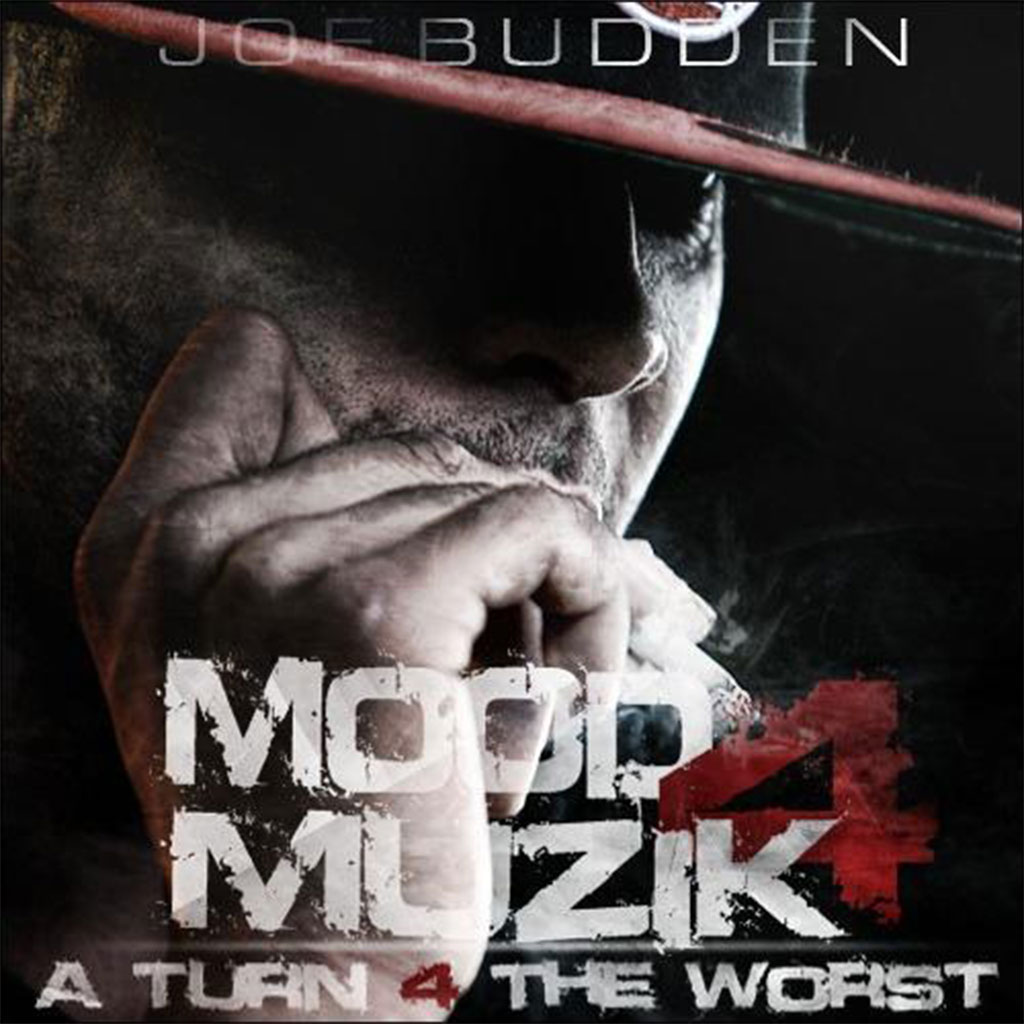
Throwback Thursday Review: Mood Muzik 4: A Turn 4 The Worst | Joe Budden

joebudden_moodmuzik4_cover_1024px
BY EVAN VOGEL

Joe Budden is a sort of anomaly within hip-hop. He is looked up to by nearly every established or aspiring lyricist out there, his life seems to be stuck in a constant state of eclipse that produces nothing but darkness and sadness around him. He is revered yet has little resentment for his own self-destructive tendencies; and he tells his story like a modern day poet laureate. All of this unequivocally creates the ideal situation for a rap artist to flourish. While commercially he has been strained by the lack of an audience for his often disquieting material, he has found footing in underground crowds as a legend.

Time and time again he has taken his addictions, insecurities, and instability and created poetic afterthoughts that can serve as cautionary tales to the rest of us. This process is most evident on a string of mixtapes known as the Mood Muzik series. There are four tapes in total, each gaining notoriety from those before it, culminating in the fourth installment released in 2010. Very few musical series have extended for four outings and been able to maintain such a consistent mood through and through.

The fourth installment, Mood Muzik 4: A Turn 4 The Worst, is another trip down memory lane. Before the project dropped, Budden had gone on record and said that this would be the lightest of the four projects in term of its mood. In reality, trying to hear its lighter tone is like trying to pinpoint the differences between two apples from the same tree, few exist. If anything, the lighter weight is established by the two humorous skits (‘Mop Salad’ and ‘The Shoes’) that consist of R&B laced fillacio explanations and punchlines about rappers crying from onions and bunions causing shoe problems.

Don’t be mistaken the rest of the album is classic Budden, lyrical dominance asserts itself over every other aspect. Storytelling is prevalent in plenty of forms, like Budden rapping from the perspective of someone who witnesses the life of someone with crippling family problems as well as a woman who objectifies herself for a taste of the glamorous life on ‘Welcome To Real Life’. It’s hard to pluck songs from Joe and decide which one are most capable of expressing just how good he is. There is no doubt that Budden is one of the top lyricists in the game. His ability to carry a rhyme scheme non-stop for the entirety of his lengthy and complexly structured verses is amazing. On ‘Black Clouds’, a song about Budden finally starting to overcome his struggles and escape the metaphorical storm that looms overhead he beautifully describes his old drug habits and how he hid beneath a doped-up shell.

“Been medicated, meditated

Sedated, hated

Character assassinated, all theses years I masqueraded

Hard headed, if it was on my mind I had to say it

Tongue on the devil’s pitchfork to see how disaster tasted.”

The articulation and conviction that Joe puts into each word makes every sentence sound like a release from the pain contained within it. The structure of the songs is perhaps another way in which it could all be interpreted as the least dark entry in the series. They periodically begin with Joe pouring out his inner darkness, or that of his past and then they lift up into a chorus that has the weight of a feather, flipping the mood on its head. The albums all winds down to its carelessly optimistic ending that seems fitting for a guy like Joe Budden who has seemingly been through it all. ‘If All Else Fails’, Joe will envy all the things he currently despises as he reverts back to his hood antics in his studio apartment dealing with the same lowly problems of everyone else on his block – and he is confident that he would be fine doing that after looking through the glass from the other side of fame. Joe’s life may be strides, oceans or even worlds away from beautiful, but the music he has turned it all into is something so much more.

8.0

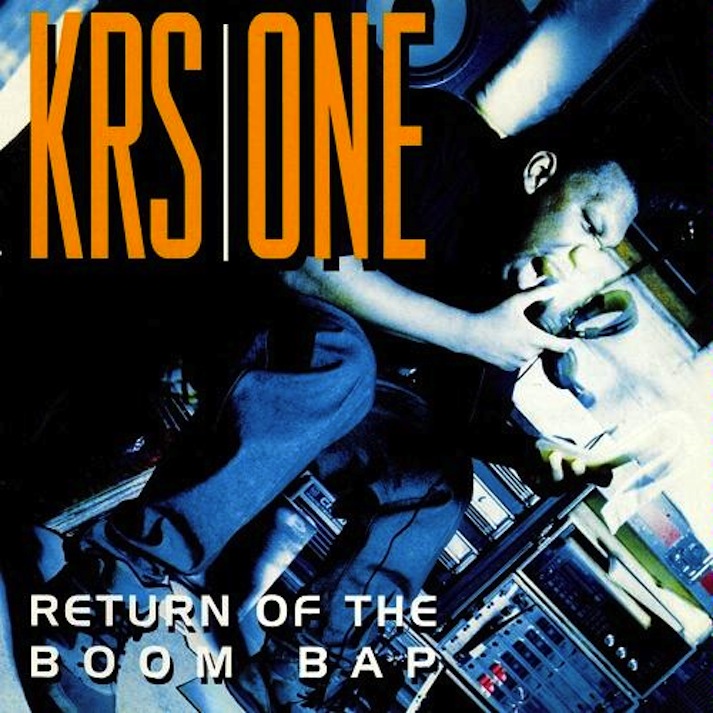
Throwback Thursday Review: Return Of The Boom Bap | KRS-One

krsonereturnoftheboombap
BY EVAN VOGEL

There’s not much to say about this album that hasn’t already been mentioned in one hip-hop conversation or another. It was KRS-One laying down real, meaningful, aggressive lyrics and injecting them with heavy bass-lines and snappy snare drums. The album came at a progressive stage in hip-hop with Nas dropping Illmatic, and groups like Wu-Tang Clan putting out 36 Chambers. Lyrics started to sound like fine cutlery slicing through sociopolitical issues and other MC’s.

KRS-One retained the ‘rock the crowd’ mentality of a true MC and yet challenged other artists lyrically in ways that hadn’t been done before. With the loss of his close friend and one-third of the Boogie Down Productions group Scott LaRock, KRS-One starts his record off with a compilation of productions from the group on album opener ‘KRS-One Attacks’. Track two, ‘Outta Here’ drops in like a semicolon; separating old from the new. What follows is a four-minute annex looking in first-person view at the history of KRS-One and BDP. DJ Premier hooks up the beat and KRS-One charges it with lyrical proficiency.

His first foray into social conversation comes on ‘Black Cop’ where he satirizes the idea of black men working in a profession that has  never been on their side. He embraces his inner-reggae artist annunciating his lyrics like an angry Jamaican.

“You never will conquer the champion.”

The first words you hear on ‘Mortal Thought’ and a statement that KRS-One goes on to reinforce throughout the album on ‘Sound of da Police’, ‘Mad Crew’ and ‘Return of the Boom Bap’. Lyrically, rhythmically, any way you spin it, KRS-One is on the top of his game. He speaks like a prophet and takes on the role of hip-hop’s messiah hoping to inject diving inspiration into his peers. He challenges them in turn by challenging himself. There are very few moments on the LP that sound proportionally uninspired and even when they do, they are as fun as weed-dream recollection, “I Can’t Wake Up’. The staple elements of boom bap light the fire while the small electronic additions combined with KRS-One’s frenetic vocals are gasoline to the flame.

KRS-One even lends his own hand to the production on Doug E. Fresh inspired track, ‘Uh Oh’. The beatbox fashioned track has KRS-One directing his delivery at white kids embracing the gangster lifestyle even though they basically grew up living in the same neighborhood as Ferris Bueller, metaphorically of course. His story here comes in a refreshing third-person style and his story is a wake-up call for anyone glorifying a lifestyle that they don’t understand. Whether it is his lifestyle, the lifestyles of people in different neighborhoods, his fearlessness in the face of rap opponents or social injustice, KRS-One is consistently clarifying something through his own understanding.

Cohesively, the album comes together sounding like a hip-hop how-to-guide for the future from the mind of one of the pioneers of the genre. He is efficient with his clarity, both in what he is saying and in how he says it. His syllables are noticeable, which is to say each word hits as hard as the album title suggests. Putting it all into perspective, I think it is fair to say that KRS-One and specifically this project blazed a path through the incredibly saturated sound of the industry at the time and reminded people everywhere what hip-hop was capable of sounding like.

9.2

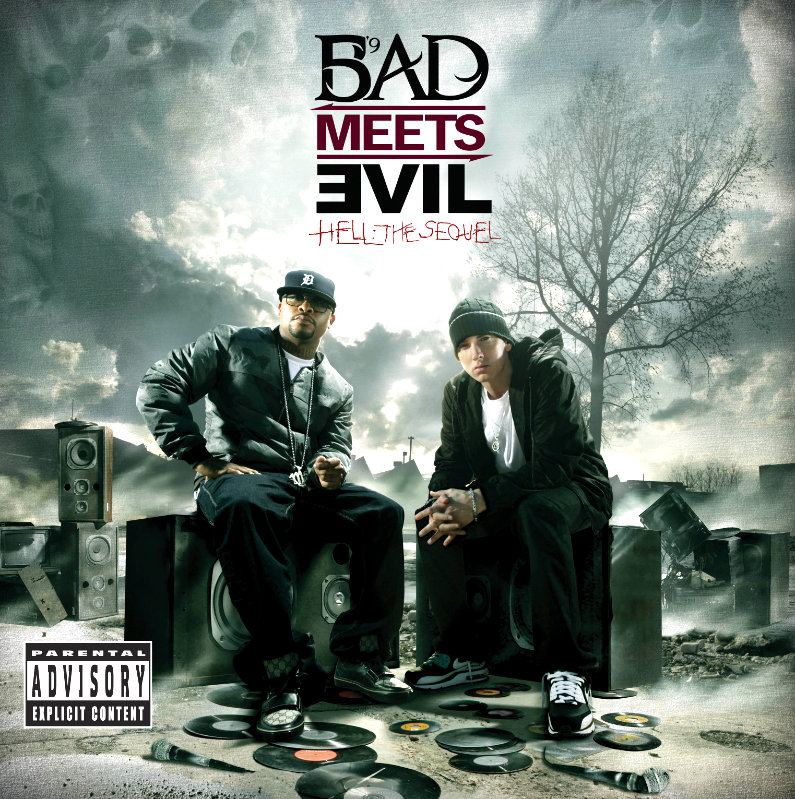
Throwback Thursday Review: Hell: The Sequel | Bad Meets Evil

bad_meets_evil_album_hell_the_sequel_gets_promo_ad
BY EVAN VOGEL

From artists disagreeing with their managers to artists taking unnecessary shots at one another, there is surely no shortage of falling-out stories in hip-hop. With fallouts though, can sometimes come grand reunifications. Some so grand that your mind glosses over and you hear artists sounding completely reinvigorated and reliving their haydays. Such was the case for the 2011 lyrical stampede put on by Royce Da ‘5 ‘’9 and Eminem when they dropped Hell: The Sequel as hip-hop power group Bad Meets Evil.

Combining with the ease of hydrogen and oxygen, it was as if no chemistry between the two was lost in the more than 11 year annulment of Bad Meets Evil. With practically no regards given to chart-topping aims, the entire project sounds like they were only aiming to appease themselves and push one another to their limits. The result is a hip-hop head’s wet dream. Eminem is no longer concerned with spewing sentiment filled bars of soberness like on his previous outing Recovery. Rather, he is loading machine gun clips full of ammunition into the microphone, with the “screw it all” vibe that made his first two LPs so unique. Clearly taking notes, Royce is side-by-side with the Rap God, seamlessly trading verbal cyanide.

Speed and psychotic intellect combine giving each line the capacity to sting. It is a beautiful thing to see both rappers in top form here. Em’s verses are darkly zany and delivered through his sharply pitched yells which is complemented nicely by the opposing sound of Royce’s more controlled bravado. The biggest benefit of this EP is its energy. It becomes obvious two verses into the first track, ‘Welcome To Hell’, that both of these artists are on the same side of friendly competition. Punch-line after punch-line evoke a feeling of brotherhood and fun.

It is obvious these two had a blast in the studio bouncing ridiculous bars back and forth. Typically, no concept or story-driven arc pushes an album away from greatness, here though, the lack of structure leaves space for more bars that will inevitably leave our jaws inches from the floor. The beats are notably simple but do contain moments of intrigue. On “I’m On Everything”, Mike Epps opens with a piece of a stand-up bit and quickly becomes a sampled instrument. The awe inspiring lyrical content is what pulls the largely cliched beats up from the depths. Even the guest artists, all who happen to be from the Shady camp, hold their own and add just the right amount of variation from album’s main recipe.

It is all very formulaic. Luckily, like Newton’s first law, these two have found a formula that works and with little competition for their places in hip-hop, their forward motion is maintained. It is nearly impossible not to respect this project due to the sheer amount of respect that is commanded by each artist. Bolstered by their one-of-a-kind lyrical game, the duo is able to push past formulaic beats and mediocre choruses. For an EP that never had to happen, I am very glad that it did. It reminds us of what each emcee is capable of when they embrace a temporary psychosis and that they can potentially do it even better as a team. Undoubtedly, one of the best and hopefully only trips to Hell you will ever have.

9.0

Throwback Thursday Review: 12 Play | R. Kelly

12 Play R Kelly
BY EVAN VOGEL

Hip-Hop’s Marvin Gay, the man who put the R in R&B, or my personal favorite, the prince of pillow-talk. No matter the moniker, there is no debate, R. Kelly is likely the biggest influence on modern day R&B. Imagining a world without R. Kelly would result in an imagined world without the likes of The-Dream, Trey Songz, Miguel or even Usher. With a natural likening to the original sensual tune-makers of the 1970’s and 80’s like Gaye and Isaac Hayes, Kelly donned his R&B roots beneath a Hip-hop cloak. He wasn’t the first artist in his subgenre which was termed, “new jack swing’, but he was definitely the one who brought it to the pop-culture forefront in the 90’s.

In 1993, R. Kelly changed R&B music forever when he released his studio debut, 12 Play. Sex is all over music and media in general today. Sex sells, as they say. But sex didn’t always sell music. That was thanks to the collaborative efforts of all R&B artists in decades past. R. Kelly was certainly one of these pioneers. Not worried about hiding behind metaphors or toned down realities, he said everything in black and white for all to hear. No need to try and interpret what it was that Kelly was talking about, it was sex, plain and simple.

This is where he shines. Uninhibited by any sort of mental restrictions regarding what is right and what is wrong to talk about. The album starts and ends with Kelly’s soothing crescendos delivered with the strongest sentiment of passion. By the time he was done with them, these R&B elements seemed to be intrinsically related to Hip-hop. The pitch variations and harmonic melodies put in the same room as boom-bap and funk; lock the door and throw away the key. When you hear Kelly’s voice crumble beneath its own weight and intensity saying, “My mind’s tellin’ me no. But my body, my body’s tellin’ me yes!”, gold is struck.

Dirty and perverse, yet not at all. Kelly makes making love constantly sound better than acceptable, he makes it sound necessary. Sexual meaning is found in almost every millimeter of this project’s architecture. There are moments like ‘Freak Dat Body’ and ‘Back To The Hood Of Things’, where Hip-hop makes headway over R&B to switch things up stylistically and they take away from the audible caressing Kelly does on the rest of the album while remaining catchy and worthwhile.

Apart from these moments, he has compiled a playlist of sex songs for any moment with 12 Play. Its relevance will never fade. Looking beneath the incredibly sexual natured exterior of each track you will find love and care. Kelly is a romantic at heart, an incredibly sexual one. His songs are held together by his equally sexual tone and a fantastic delivery of each note. He is capable of shifting the focus from light-hearted love to dirty, secretive sexual exploits and fantasies while making them both sound equally sensual. Seriously, if this album hadn’t come out months after I was born, I would seriously consider its conception as being a reason for mine — it is that sexual.

Ultimately, it ends up being in Kelly’s straightforwardness and simplicity that he succeeds, rather than abstractness. The concept is no more than creating good sexual music and in that respect is has more than succeeded. The only thing missing from the album now, is a bed.

9.0

Throwback Thursday Review: The Infamous | Mobb Deep

BY EVAN VOGEL
BY EVAN VOGEL

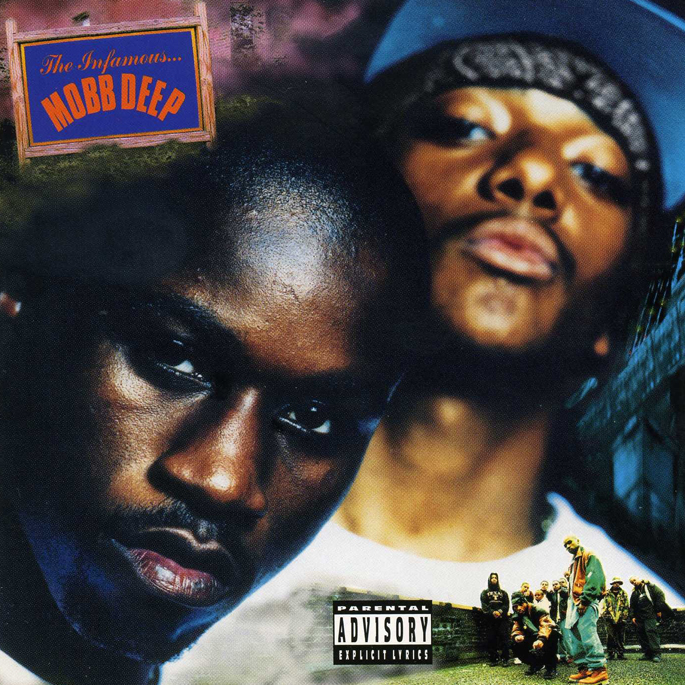
Music can be terrifying. Eminem has proved this over the years with his specifically branded shock rap style. Admittedly, the terror emitted through his projects stands somewhat aloof from that of other artists that have their lyrical roots planted strictly in realism. In 1995, only a year after Nas’ realistic hip-hop masterstroke, we got an album that perhaps trumped Illmatic in its depictions of street life in American ghettoes. I can think of very few albums more deserving of the title, The Infamous, than Mobb Deep’s terrifyingly realistic second album.

The album had as much or more gangster bravado than any album had before or has had since. It was as if Prodigy and Havoc were on trial before a jury and asked to fully describe what it was like to grow up in their neighborhood without any reservations. The era was rife with gangs, which meant beef between crews and the constant dread of looking over your shoulder for those involved. This dread is foreboding throughout this project. On the track, ‘Q.U. – Hectic’, Havoc lays down a beat that opens like a gun barrel being pushed in your face. It is unexpected, full of questions and unrelenting.

From there, the lyrics take form as something of a Queensbridge gangster’s manifesto. Drugs, violence and fear run rampant over the track, leaving a lingering filth in the air. The entire album contains a certain grit that haven’t yet been attached to a hip hop album. “Life isn’t the game that it seems to be.” This lyric perfectly sums up what the duo was trying to convey with this album; that life isn’t some fairy tale where you play by the rules and survive. In their world, fighting directly correlates with surviving and its perspective is primitive and extremely frightening.

The beats lend themselves perfectly and come across as the ambient noise of the time-period and literal geographic location. Extremely distorted synths, lazily slow bass-hits and hi-hats all combine to sound like something that crawled up from beneath the Queens city streets. The album is alive with the sounds of death, both lyrically and instrumentally. Cinematic is the perfect way to describe Prodigy’s rhyme style. You can picture him jetting down back alleys, trying to get home and warn his homies about their impending doom. It paints a picture for sure, just not a very pretty one.

Even ‘Drink Away The Pain’, a song that starts out sounding something like a hood love story ends up as a pessimistic worldview allegory. The duo tells their story in the only way it should be told. No cover-up, concealer or masks. By the end of each song, you suddenly are capable of looking at the world differently and that is a powerful thing for music to do. It is a hood-horror story to any and all outsiders but even scarier when you stop to think that this is just another day in the life for them. To try and imagine a person other than a cop, feeling like they have to wear a bulletproof vest on the day-to-day challenges your perspective.

That is perhaps this album’s biggest strength, not any of its individual parts, but the fact that altogether it is a very challenging listen when you actually try to hear and feel it. It is a book in rhythmic audible form and is both un-relatable at times and profoundly relatable at others. You certainly think twice before putting yourself in their shoes for each song, as it is sure to be a dark journey. Regardless of how depressing the final product may be, there is no denying that it is fantastic music all around. From production to writing, everything is top-grade material. If you like your music descriptive, bound in realism and with a dark storm cloud ever-looming above it, then this is one of the greats. If not, still it remains, one of the all-time greats.

9.5

Throwback Thursday Review: The 18th Letter | Rakim

BY EVAN VOGEL
BY EVAN VOGEL

Very few rappers can claim superiority over other artists with complete conviction. Especially now, styles are too diverse and incomparable to justify the thought of ranking artists top to bottom. There are definitely a few artists who have claimed their stake in the community and can and have discussed via rhyme, their musical prowess. Usually, these artists have pioneered a style and have served as mentor to an ever increasing number of pupils. A perfect example of this is Rakim. Ever since his coming together with Eric B, he has consistently broken new ground. Lyrically, he set the precedent for most artists rapping today. His first solo album, The 18th Letter was a declaration of his ability.

Hip hop has evolved into a verbal art, words mean power. This album was the surfacing of a new Rakim. He was sharper, edgier, and his style was almost a complete 180 from his old school 80’s roots. It went from poppy and bouncy to hard and impactful. Rakim sounds hard-headed and arrogant, but he is confident enough to make it work long enough until we agree with him; which isn’t very long. The opening track, which is also the title track has such multi-syllabic rhymes as “mathematics” and “asiatics”. He weaves intergalactic lines about Saturn together with bars about his deep knowledge of Egyptian culture. You are left in wonderment as you try to keep up all while actually comprehending his words.

Rakim is undoubtedly concerned with asserting dominance over others in his class. He talks about the spots he would rock mics at growing up and the fact that very few were skilled enough to do so. When he’s not reminiscing about growing up he’s reminding you that he’s back and he going to make sure he is conveniently located in your list of top emcees. By the time we start hearing more conceptually themed songs like, ‘Stay A While’ or ‘New York (Ya Out There)’ we are already more than halfway through the album. His free-verse style throughout the first half of the album allows him to exercise your mind and his vocabulary but it does start to get tedious. Luckily, this is the point when he ventures into more focused songs about love, god or his hometown of New York.

The album’s prowess isn’t established by Rakim alone, while it technically has no features it does feature the assistance of veteran producers like Pete Rock and DJ Premier. Fat basslines, drums and expert scratches are the sound make-up of the album. It is simple and that is exactly how it should be. Rakim is like a delicacy, or your favorite button-up shirt; he is for specific occasions. This album is something you can listen to all the time or in any mood. It is something you listen through, then maybe run through a specific track or two once more to relish in the lyrical adeptness and then put it down for a while as it lingers in your mind. He is the kind of artist you can be proud of when telling your friends that you know who he is. His flow is organic and liquid. It is particularly effective when he is discussing all the ways he can tear apart an instrumental. His deep voice has as much right to be called an instrument as any other part of the song. It works in tandem with the bass knocks rather than independent of them and the results are pure synchronicity. The final product is one of the earliest examples of lyrics and rhythm on this high of a level. Even amidst the come-up of rappers like Nas, The Wu-tang Clan and Jay-Z no one could match the style or technique of the great Rakim and this album is his crowning jewel.

9.0

Throwback Thursday Review: The Low End Theory | A Tribe Called Quest

BY EVAN VOGEL
BY EVAN VOGEL

Stripping something down to its bare essentials is often used as a way to explain something being done much simpler or equating to lesser. I think the the beauty of this phrase is much more prevalent than most would suggest. It is a way of saying that you can create the same outcome with less, or making do with what is given, nothing more. I think one of the greatest examples in music of a time when something was stripped down to the bare and ended up sounding like everything but was on A Tribe Called Quest’s album, The Low End Theory. In 1991, Hip-hop was finally reaching its potential as a genre at that time period. Artists were experimenting freely with their sound and pushing the envelope all around. It was really the middle of a golden era. While progression was in the forefront of most artistic minds at the time, A Tribe Called Quest was thinking back. Back to what hip-hop really started as, back to jazz, back to bass and back to lyrics.

There is no other way to say it. This album is a classic. It set the pace for the next decade of hip-hop music. The beats were a simple methodical combination of jazz and bass. The lyrics were complex and the rhyme schemes were dizzying yet incredibly focused. The group had all the essentials: Q-tip, the rapper with a soothing and direct voice that seems almost too easy to listen to and not mention a super-sized dose of lyrical ability. Phife Dawg, the Robin to Tip’s Batman. A perfect compliment and addition to Q-tip’s skills often lending to the songs where Tip may leave something out. Where Batman typically thinking of an abstract solution to a problem can be relative to Q-tip’s lyrical approach, Robin jumping in and charging head on can be equated to Phife’s knack..Finally Ali Shaheed Muhammad, the DJ/producer behind the sound, the vibe creator.

Every song is minimal and created with a similar intention in terms of production, yet they  all offer something completely different. A stand-up bass, plenty of drums and a lineup of brass horns and phones ready to go. This is that bareness that exudes confidence in the project. The rhymes are able to fall within every track’s beat-groove and all the bassy hits mirror the punch of the final syllable in the bar. Plain and simple, it is top-notch rhyming that could pass as classic even without the beat. The rhythm is in the verbal flow and it mutuality with the beat only proves to extend the album’s listenability into a whole new beautiful realm.

The lyrics span from abstract and intellectual to comedic and punchy. It is music not catered to hip-hop outsiders yet its appeal shows otherwise. The words depict a level of skill not often evident in most popular music yet it was all a perfectly fitted puzzle of an album that formed drew a picture anyone can vibe with without feeling alienated from the common genre tropes found in hip-hop. It gets political, speaks on social issues like date rape yet retains a completely upbeat sound throughout its entirety. Nothing is dumbed down, simply stripped to its basic parts. It is intuitive and shows how little it actually takes to create something that not only keeps pace with everything else, but pushes it all forward in terms of the effort put into it. The beats, the lyrics and the overall construction of the LP are all evident of the fact that The Low End Theory must have been to create some high end music.

10.0

Throwback Thursday Review: 2001 | Dr. Dre

BY EVAN VOGEL
BY EVAN VOGEL

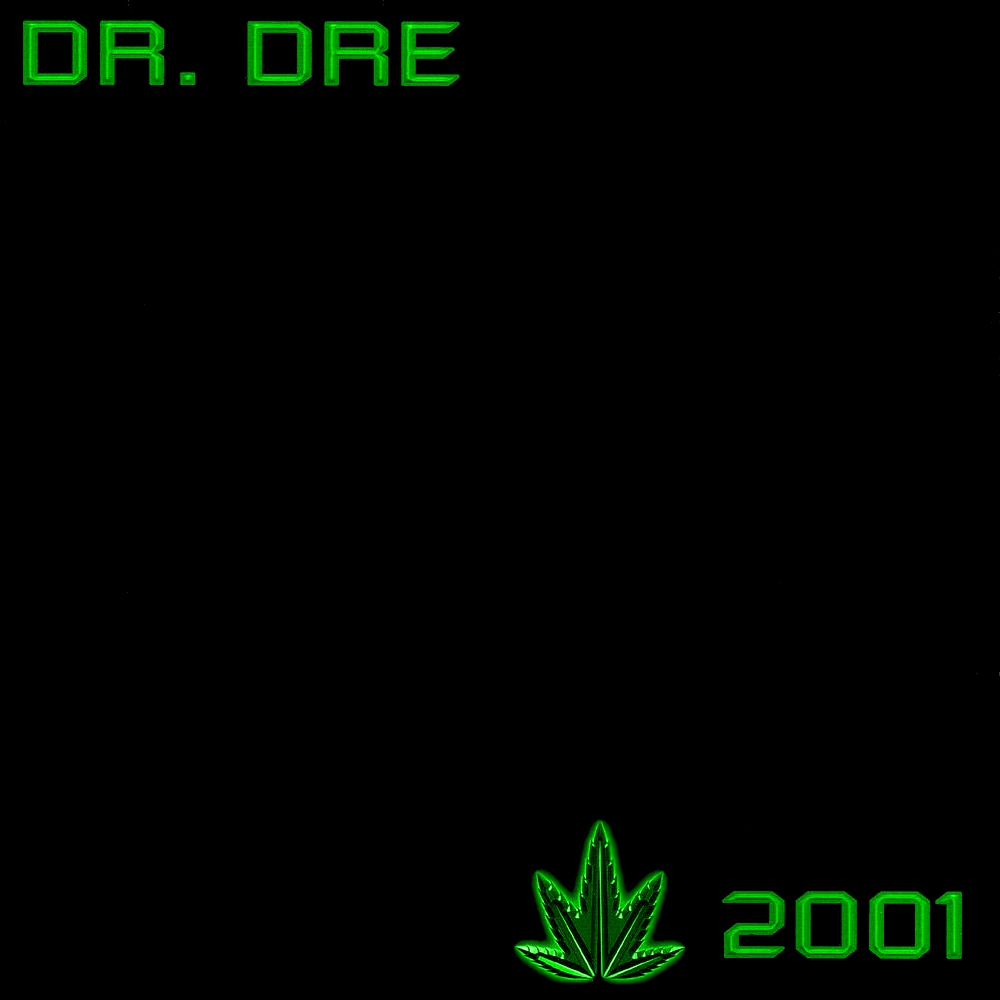
With the release of his first album in nearly 16 years only hours away from our consumption it only seems right that we review his last body of work, 2001. Dr. Dre is a musical staple and his first two albums have more than shown why. From the moment that his sophomore album opens with its cinematically themed introduction, you are introduced to the idea that a lot has changed since the last time he released his own collection of songs. The first song ‘The Watcher’, is a basically compiled list of all the changes that Dre has witnessed and experienced. It’s not a speculation to say that you know you are listening to a song by the doc when you hear one. The intense, hard-hitting nature of his production is what defined an entire genre and his skill still is no doubt still with him. Dre made sure there was no room for slacking in terms of production. The instrumentals could honestly compose an album all their own. Even though I’m sure many of you actually have, forgotten about Dre, the project fills any void of space left from his hiatus.

Dre. said himself that he wanted to use this album as an opportunity to show his fans that he’s still got it; time was not a detractor but rather a meditation. The energy contained within this project is so potent that it can hardly be put into words. Its beats are as charged up as its subject matter. Dre is claiming his stake, which he shouldn’t have even had to do after his involvement with N.W.A. But in time, his fans started to question his legitimacy and fueled his fire which manifested itself as 2001. Resentment plus anger proves to be a lethal combination.

And he’s not alone. With a feature list that looks about as long as a Lollapalooza lineup, the dynamic is constantly changing. From a trademark lyric-driven verse from Eminem on ‘What’s The Difference’ to a pitchy hook from Snoop Dogg on ‘Still D.R.E.’ your enjoyment is guaranteed. This is also one of the projects only detractors, he is able to craft beats that he sounds good over every time, but his collaborators struggle at times. Some of the features could have been easily dropped or moved to songs that were left off of the final album. It can get exhausting to constantly have to think about who’s voice you are hearing or listening to artists cover different topics, or topics differently within the same song.

Dre fills his verses with the words of a soldier ready to fight. Each bar is spoken with the confidence of a haymaker punch and the conviction of a man who is not ready to give up. It ends up as a collection of music suited to amp you up and bump at an extremely high level of sound, with no thought given to decibels or frequency. There is a line where misogynistic words can become far too much. This album gets close enough to poke that line with a short twig. The songs are all undeniable listenable but listening to all the ways women are objectified in this LP can go from entertaining to draining quick. Luckily, topics to switch relatively quickly from song to song and the production is some of the best this genre has ever seen. The music was created at the highest level that music has ever been created and it shows.

There is a reason that damn near every song on this project is still considered relevant in some sense. The beats aren’t simple, but their complexities are cleverly separated enough to enjoy each intricacy all their own. Dre was one of hip-hop’s earliest innovators when it came to beat construction. From combing soul with deep-bass and heavy percussion he has inspired countless artists in the new generation. The album’s classic status is merited by its beat selection alone but it’s lyrics leave things to be desired. Remembering that Dre had been out of the music game for about nine years, as far as writing his own material goes at least, it is understandable why his content sounds like it is stuck in the early 90’s. Covering the ground-driven topics of early gangster-rap, drugs, gang-banging, violence and sex are the go-to topics. By the end of the album, you may have heard depictions of the same gangster lifestyle ten different ways but you are not bored. Again, I do not say it lightly when I say that this album’s production is top tier, bar and trend-setting stuff. If reading this review has been your re-introduction to the doctor of hip-hop, make sure, whatever you do, you don’t forget about Dre again.

9.5